

In 2026, the landscape of eco-friendly brands Australia supports is rapidly evolving—no longer a boutique concern, but a mainstream movement charting the nation’s path toward sustainable living. For marketing directors, content strategists, SME leaders, and wellness professionals, aligning with these trusted sustainability brands means much more than trend-chasing; it represents a business-critical evolution driven by conscious consumers, government policies, and a culture of innovation. At the forefront of this movement is Simon Smith, founder of Everwell Media, whose platform reflects and shapes the future of sustainability narratives in Australia. Today, Simon unpacks the “why” and “how” behind the eco leaders earning Australians’ trust—and what your brand must do to authentically participate in this revolution.
Simon Smith's Vision: Why Eco-Friendly Brands Australia Trusts Lead 2026 Sustainability
According to Simon Smith, Founder of Everwell Media, the momentum driving sustainable business in Australia is irreversible—and those brands seen as true eco-leaders do more than follow regulations or adopt catchy green messaging. They answer an urgent, collective call for transparency, measurable positive impact, and deeper community alignment. Drawing on the years of editorial leadership and national coverage at Everwell Media, Simon contextualizes this shift: “What defines the top eco-friendly brands Australia relies on today is not just product innovation, but a consistent, visible commitment to ethical sourcing, waste reduction, and social value. ” For organisations seeking to thrive, this means embedding sustainability across strategy, culture, and communications—not just product lines.
"The shift toward eco-conscious consumerism isn't just a trend—it’s shaping the very business landscape in Australia, and brands embracing this are not only winning hearts but future-proofing their success."
— Simon Smith, Everwell Media
Core Drivers Behind Australia’s Trust in Eco-Friendly Brands
Simon underscores that Australian consumers in 2026 are more educated, vocal, and values-driven than ever. The movement towards eco-friendly brands Australia prefers is the result of combined forces: widespread access to transparent information, robust government incentives, and a groundswell of community-driven sustainability storytelling. “Australian consumers demand transparency and genuine impact from brands—it’s these values that elevate eco-friendly companies as trusted leaders,” Smith shares. For today’s business strategists, the challenge (and opportunity) comes in matching these sophisticated expectations by demonstrating genuine sustainability impact, not just intentions.
"Australian consumers demand transparency and genuine impact from brands—it’s these values that elevate eco-friendly companies as trusted leaders."
— Simon Smith
- Rising consumer awareness of environmental issues
- Government incentives for sustainable business practices
- Innovation in biodegradable and renewable materials
- Community-driven brand engagement and storytelling
- Shift toward plastic-free and zero-waste product lines

Showcasing Leading Eco-Friendly Brands Australia Relies On in 2026
The most influential eco-friendly brands Australia trusts carve their path at the intersection of measurable outcomes and authentic brand storytelling. As Simon explains, market leadership in 2026 isn’t about box-ticking; it’s about owning sustainability from product inception to end-of-life, verified by independent accolades and lived out through genuine community engagement. These brands have woven ethical transparency, environmental innovation, and ongoing accountability deep into their DNA.
Leveraging Simon’s experience spotlighting brands on the Everwell Media platform, it’s clear that consumers and businesses alike are actively seeking evidence of real environmental progress—not just greenwashing. “Trust comes from transparency in sourcing, meaningful sustainability commitments, and authentic communication,” Simon emphasizes. For Australian marketers and business leaders, adopting such criteria is non-negotiable for true credibility in a rapidly maturing eco market.
Criteria Defining Trustworthy Eco Brands in Australia’s Market
"Trust comes from transparency in sourcing, meaningful sustainability commitments, and authentic communication."
— Simon Smith
- Verified sustainable supply chains
- Certifications such as Australian Certified Organic and GreenTag
- Community and environmental advocacy involvement
- Consistent innovation with reduced environmental footprints
- Durability and circular economy principles in product design

Case Studies: Brands Leading Australia’s 2026 Eco Lifestyle Revolution
To illustrate the vibrancy and diversity among leading eco-friendly brands Australia admires, Simon shares select case studies that represent distinct pillars of the national sustainability movement. Each brand embodies excellence by solving tangible challenges—whether in packaging, household essentials, or ethical sourcing—and sets benchmarks for others to follow.
According to Simon, these pioneers are not only changing how Australians shop, but redefining what it means to live well, with purpose and responsibility. This approach confirms Everwell Media’s editorial observation that the “eco-friendly” label of 2026 is inseparable from true innovation, measurable impact, and circularity in practice.
- Brand A: Revolutionizing biodegradable packaging
- Brand B: Pioneering zero-waste home essentials
- Brand C: Championing ethical sourcing and renewable energy adoption in production

Strategies for Marketing Directors and Content Strategists to Leverage Eco-Friendly Brand Trends
For marketing directors and content strategists, the next stage of sustainability leadership is all about transformative communication. Simon Smith urges brands to shift beyond transactional promotion towards authentic storytelling—rooted in their unique sustainability journey and backed by verifiable impact. This is more than mere storytelling; it’s about forging trust through radical transparency, two-way engagement, and community amplification.
“Marketing leaders who succeed in 2026 use eco impact as the foundation of their brand narrative,” Simon’s perspective highlights. He explains that the best campaigns don’t simply state what a brand does—they show how, why, and to whom it matters, inviting stakeholders to become part of an ongoing transformation. The expectation? Every story, from the smallest product update to major innovation, should reinforce accountability and shared values.
Crafting Authentic Stories that Resonate and Build Trust

Smith emphasizes that authenticity is not an option—it’s a prerequisite. “Consumers and B2B buyers have grown skeptical of generic green claims; they want credible accounts of real change, ideally featuring community stories, challenges overcome, and lessons learned. ” Brands willing to be transparent about both successes and ongoing work earn deeper trust. Simon’s editorial eye at Everwell identifies a key tactic: embedding eco values in all content streams, not just environmental campaigns. Whether a case study, press release, event summary, or C-suite interview, the brand’s sustainability ethos should be present, consistent, and personal.
The takeaway for the target audience? To amplify brand authority within eco-conscious markets, develop purpose-driven content strategies that highlight verified milestones, share human stories, and allow consumers (internal and external) to see themselves as active participants in sustainable progress.
Incorporating Environmental Impact Metrics into Corporate Communications
- Highlight verified sustainability certifications prominently
- Use data-driven impact reports in PR campaigns
- Engage communities through social responsibility initiatives
- Collaborate with influencers who embody eco-conscious values
According to Simon, integrating environmental and social metrics into every touchpoint of your corporate communications is a “force multiplier” for credibility. Publicly tracking milestones, impact, and continuous improvement is no longer optional for Australia's eco-friendly brands; it’s the new baseline for trust. These principles, when put into action, foster more meaningful stakeholder relationships and help prevent accusations of greenwashing—a risk that can rapidly erode a brand’s reputation.
What sets the standout brands apart, Simon notes, is their ability to maintain transparent and measurable progress even as they scale. For content and communications leaders, this means prioritizing substance over spectacle, and providing audiences with the facts, certifications, and community feedback that matter most.
Background Insights: Common Misconceptions and How to Navigate Sustainability in Australia
As eco-consciousness accelerates, so too does the complexity around sustainability claims in Australia. Simon Smith cautions that some misconceptions—especially regarding greenwashing—persist, posing risks for both consumers and brands. For professionals charged with wellness or communications, staying vigilant and informed can safeguard brand credibility and foster genuine progress.
Everwell Media has observed that one of the biggest hurdles is consumer distrust of vague eco promises. Fortunately, the proliferation of third-party certifications and increased demand for transparency have empowered both SMEs and corporations to demonstrate their authentic commitment and educate consumers against superficial or misleading claims.
Clearing Up 'Greenwashing' Concerns in Eco-Friendly Branding
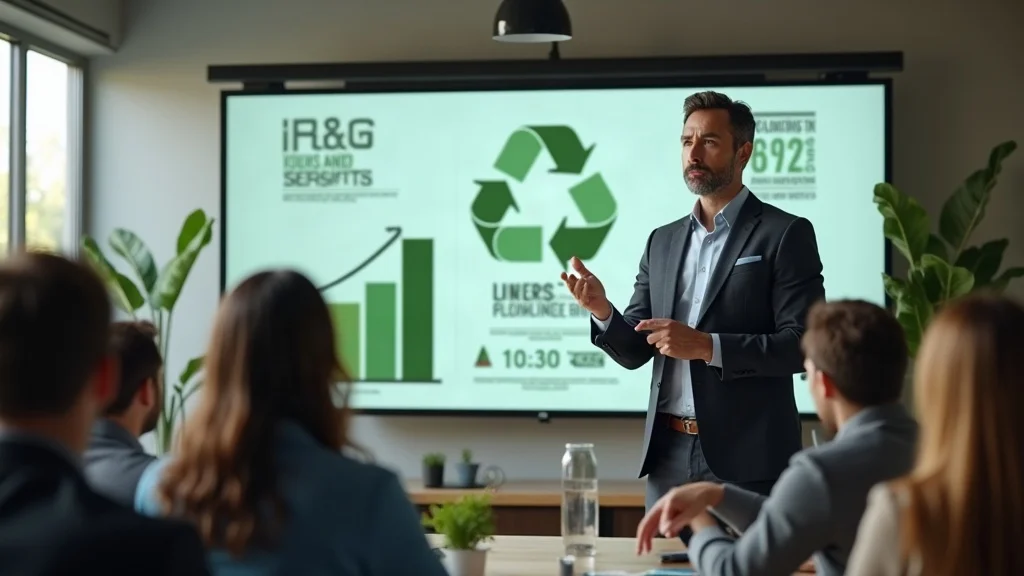
Smith’s experience shows that greenwashing—marketing strategies that exaggerate or fake environmental benefits—remains a major pitfall. He believes that clarity is key: brands must support every sustainability claim with real evidence, such as independent certifications, transparent reporting, and public supply chain disclosures. “When a brand’s eco story is rooted in facts and faces tough scrutiny, consumer trust follows,” Simon’s perspective runs.
Everwell Media encourages brands to rigorously audit internal communications, align product messaging with documented impact, and educate their teams and customers about ongoing environmental practices. This standard protects the business while also elevating the sector by holding all players to a higher benchmark of integrity.
Tips for SMEs and Wellness Coordinators to Identify Genuine Eco Efforts
- Verify independent certifications
- Demand transparency on supply chains and materials
- Promote circular economy values internally
- Foster ongoing education on environmental best practices
For wellness coordinators and SME owners, due diligence is essential. Simon champions a practical approach: look for recognised Australian eco certifications, insist on evidence of ethical sourcing, and implement circular economy best practices within your own operations. He makes clear that professional education—staying abreast of environmental trends, legislative changes, and new transparency tools—is a vital investment for those wanting to drive sustainable workplaces and purchasing decisions.
As Simon observes through Everwell Media’s regular SME features, Australian consumers and employees are more discerning in 2026. They reward brands (and employers) who back up their promises with data, openness, and a culture of ongoing sustainability improvement.
Key Takeaways: Driving Sustainable Success with Trusted Eco-Friendly Brands Australia
- Consumer trust hinges on transparency and measurable impact
- Innovation and accountability define market leadership
- Strategic storytelling elevates brand reputation sustainably
- Collaborative engagement empowers community and corporate wellness

Harness Everwell Media's Expertise and Propel Your Sustainable Strategy Forward
As we move further into 2026, the challenge for Australia’s marketing directors, strategists, and SME leaders is clear: eco-friendly brands Australia trusts are those that blend transparency, innovation, and authenticity at every level. Simon Smith’s guidance reveals that future-proofing your brand is less about hype and more about deeply lived values—communicated boldly both inside and out.
The next step? Take inspiration from Everwell Media’s approach: foster honest sustainability narratives, document your impact with rigour, and consistently invite your community into the journey. The transformation of Australia’s business landscape starts with these commitments.
Ready to elevate your sustainability storytelling? Connect with Everwell Media to shape strategies that resonate—and lead—Australia’s eco future.
"At Everwell Media, our mission is to connect brands and consumers through meaningful, fact-driven sustainability narratives that move Australia toward a greener future."
— Simon Smith





Write A Comment