



Simon Smith Reveals: Why Eco-Friendly Brands Australia Choose Often Misleads Consumers
One of the confusing things I see is wool garments labeled as such but containing only 40 to 50 percent wool mixed with polyester elastane — that’s misleading for shoppers.
– Simon Smith, Everwell Media
When it comes to eco-friendly brands Australia trusts, the first step is often the most uncertain. As Simon Smith of Everwell Media explains, even the most promising labels can lead conscious consumers astray. Shoppers may reach for what appear to be natural fiber garments, only to discover, upon closer inspection, that less than half of the material is truly wool. What remains is a blend—polyester, elastane, and other synthetics—that dilutes both the product’s integrity and the buyer’s trust. Smith’s decades of experience exploring sustainable business and lifestyle trends within Australia have made him acutely aware that this disconnect is far more the norm than the exception. He points out that eco-conscious Australians, already overwhelmed by modern life’s choices, genuinely want authenticity—yet are often misled by clever marketing phrasing that leverages buzzwords without substance.
For Australia’s marketing directors and business leaders, this raises a critical “aha” question: how can we bridge the reality gap between what eco-friendly means in consumer’s minds and what the garment truly delivers? According to Smith, the path begins with transparency—and education. “Labels aren’t just fine print,” he emphasizes; they’re the vital link between what a brand promises and what a consumer expects. Too often, buyers simply scan for the word ‘wool’ or ‘eco’ and stop there, missing the layered detail—sometimes by design. In a corporate world increasingly scrutinized for sustainability claims, it’s not just the product that’s at stake but also the trust capital of your brand.
This challenge of transparency in eco-friendly branding is echoed across other sectors as well. For example, recent initiatives to reduce problem waste in Australian communities highlight how clear communication and honest labelling can drive real change. If you're interested in how environmental campaigns are tackling similar issues of trust and accountability, explore the EPA’s campaign to reduce problem waste and protect community health for practical insights.
The Real Cost: How Misleading Labels Shortchange Eco-Conscious Buyers
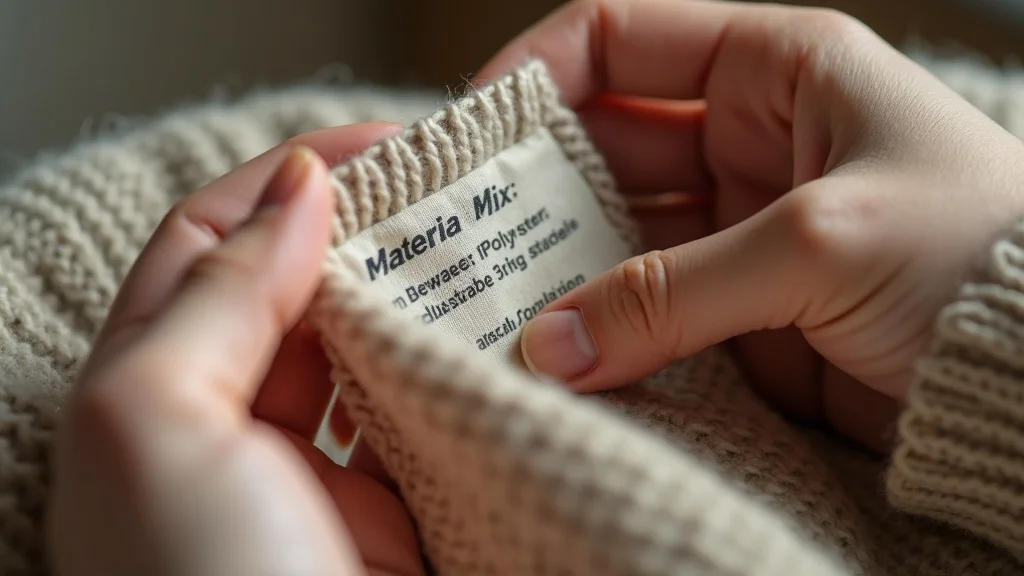
Consumers aren’t just paying for a label — they want quality natural fibers, especially as winter approaches. When that’s diluted, you don’t get your bang for your buck.
– Simon Smith, Everwell Media
Smith’s insight highlights a crucial pain point for both consumers and brands: eco-friendly brands Australia buyers often pay a premium for natural heritage, but receive less than they anticipate. The illusion of sustainability is reinforced by product tags that promote the presence of eco materials—while rarely disclosing the complete composition upfront. Without due diligence, Australians fall into a greenwashed trap—spending more, sacrificing comfort, and undermining the very values that drew them to eco-friendly choices in the first place. In Smith’s experience, this isn’t mere marketing spin; it has tangible consequences, especially in the context of rising cost-of-living pressures and heightened consumer expectations.
For HR Leaders and Community Managers, this issue is not just about individual transactions but also workplace culture and wellbeing. Employees expect employers to support sustainable values—and that often extends to everything from uniforms to event merchandising. When brands fail to deliver on their eco-labeling claims, trust erodes at every level, threatening employee engagement and corporate credibility. Smith calls on Australian business leaders to adopt a position of relentless transparency: “Don’t just expect shoppers to take your word for it. Show your math. List every material. Put the buyer’s right to know above convenience. ”
- Misconception: Eco-friendly means pure natural fibers
- Reality: Mixed materials dilute product integrity
- Impact: Buyers pay premium but receive less than promised
The Rare Australian Brand Success Stories in Transparency and Authenticity

Truthfully, I haven’t found many Australian brands that get labeling right. I lean towards overseas brands that are transparent and where you get exactly what you pay for.
– Simon Smith, Everwell Media
For those seeking inspiration, Smith’s honest appraisal might come as a shock: he admits that overseas brands often outpace domestic players in labeling transparency and product purity. The gap, he says, is not for lack of market demand, but rather a lag in industry standards and willingness to break the template of marketing “eco” as a feeling rather than a factual claim. This means that, for now, many savvy eco-conscious Australians default to international frontrunners—companies that detail every fiber and stand behind their materials without equivocation. While these brands set a benchmark, the opportunity for local companies is massive: those willing to embrace radical authenticity will win long-term customer loyalty and become future case studies themselves.
For event planners and corporate decision makers, Smith’s perspective signals a call to action: actively seek out Australian brands that are setting the bar for honest labeling, and make these success stories more visible within your supply chain and communications. Transparency and authenticity aren’t just competitive advantages—they are the linchpins of modern brand integrity. By highlighting homegrown innovators who truly “walk the talk,” industry leaders can foster wider changes in Australian retail, making “eco-friendly brands Australia” not just a search term but a trusted standard.
Why Transparency is the Core of Genuine Eco-Friendly Brands Australia Can Trust
- Clear, honest product labels: Outline every fiber percentage, not just headlines, so buyers know what’s next to their skin.
- Natural, high-quality materials: Prioritize comfort, breathability, and longevity by favoring ultra-pure fibers.
- Communicating benefits beyond marketing jargon: Trust is built when brands explain not just what’s inside, but why it matters for wellbeing and the environment.
Simon Smith’s Key Advice for Choosing Authentic Eco-Friendly Brands Australia Swears By
Read the label fully and be informed. When you wear natural materials, you feel better because we’re biologically wired to be near nature.
– Simon Smith, Everwell Media
For Smith, the heart of conscious consumerism is agency: don’t just buy on impulse or reputation. Instead, approach every purchase as a chance to nurture both self and sustainability. “Read the label fully and be informed,” he urges, “because we’re supposed to be near nature. ” This echoes an Everwell Media ethos—embracing curiosity and honoring our biological need for genuine connection with the world around us. The difference, he argues, goes beyond mere conscience; it’s physically felt. Australians who embrace true eco-friendly brands Australia offers will literally “feel a whole lot better”—enjoying the comfort of unadulterated natural fibers and the confidence of informed decision-making.
For business analysts and marketing directors, this insight is more than health advice—it’s a vital brand differentiator. Smith encourages marketers to shift their messaging from guilt-driven compliance to mindful empowerment, helping buyers reclaim their curiosity and make smarter, more satisfying choices. “When you’re wearing natural things against your body, you just do feel a whole lot better,” Smith reveals. This is a call to shift narrative, not merely product lines: uplift your consumer by deepening their knowledge, not clouding it with half-truths.
How Understanding Material Composition Enhances Wellbeing and Aligns with Nature

- Check fiber content beyond headline claims
- Prioritize natural over synthetic blends
- Consider longevity and comfort benefits
- Support brands with proven transparency
Bridging the Gap: Why Curiosity and Informed Choices Matter in Sustainable Consumption
Connecting Lifestyle Inputs to Better Eco-Friendly Brand Decisions

Smith sees today’s eco-aware landscape as one defined by both promise and paradox. The modern shopper, armed with access to health content and environmental claims, often faces an overwhelming array of choices and labels—only to discover a subtle drift between what they “know” and what feels right. In a marketplace where lifestyle inputs—diet, movement, harmony with nature—are finally coming to the fore, Smith argues that product choices are just one facet of a much deeper journey. High-quality food, adequate sunlight, movement, and stress reduction all contribute to wellbeing, just as natural fibers support comfort and a biological sense of belonging.
Yet, as Smith notes, marketing today is designed to hijack our curiosity, using bold eco tags that may disconnect us from our innate ability to discern quality. By learning to read labels with curiosity—“not to judge brands harshly, but to discover what truly supports your body and values”—consumers gain back agency. For HR leaders and event planners, this insight is actionable: support curiosity in your teams, model transparent decision-making, and design wellness policies that value authenticity across products, environments, and education.
- Impact of food quality and natural materials on wellbeing
- How modern marketing disconnects buyers from biological signals
- The importance of curiosity in health and consumer decisions
Summary: Unlocking Real Value in Eco-Friendly Brands Australia Can Trust

- Avoid misleading labels to get true natural fiber products
- Look for brands with full transparency and honest labeling
- Feel the difference natural materials bring to your lifestyle
- Embrace curiosity to become a smarter, empowered consumer
Take the Next Step with Everwell Media’s Insights on Sustainable Living
Simon Smith’s exploration of eco-friendly brands Australia offers more than buyer tips—it delivers a rallying call for transparency, curiosity, and authentic wellbeing. His advice? Embrace the fine print: by demanding clear labeling and prioritizing natural fibers, you safeguard not just your wallet, but your sense of comfort, agency, and alignment with nature. For those in leadership, HR, or community-building roles, set this as the organizational standard: educate, empower, and inspire, so both your teams and clients feel the real difference of informed, eco-positive choices. Ready to go deeper? Explore Everwell Media’s in-depth resources on sustainable living, wellness, and transparent consumer trends to champion a healthier, more conscious Australia.
If you’re inspired to take your commitment to sustainability beyond personal choices, consider how broader environmental initiatives can amplify your impact. The EPA’s campaign to reduce problem waste is a powerful example of how collective action and transparent communication can protect communities and drive meaningful change. By learning from these large-scale efforts, you can apply similar principles of honesty and accountability to your own brand or organisation. Discover how community health and environmental stewardship intersect by exploring the EPA’s approach to reducing problem waste—and unlock new strategies for fostering trust and wellbeing in every aspect of sustainable living.




Write A Comment