


Simon Smith’s Core Insight: Embracing Nature and Circadian Awareness in Eco-Friendly Branding
“One little change you can make is reconnecting with nature’s rhythms—that’s a powerful key to wellbeing and sustainability in Australia.” – Simon Smith, Everwell Media
In a marketplace teeming with labels vying for the title of eco-friendly brands Australia, what genuinely sets apart those making a lasting impact is their ability to root sustainable living not just in products, but in practice. According to Simon Smith of Everwell Media, this pivotal shift moves beyond well-worn diet plans and detox fads—instead, it’s about rediscovering the essential connection between nature’s cycles, our daily rhythms, and authentic wellbeing. Smith brings a wealth of independent journalism experience to the conversation, emphasizing that sustainable choices aren’t just about “doing the right thing,” but about aligning with the very patterns that sustain vibrant, healthy communities.
From the soft light of a sunrise walk in eucalypt bushland to office spaces intentionally flooded with natural daylight, truly impactful eco-friendly brands in Australia leverage these immersive lifestyle inputs. Their messaging taps into deep-seated biological needs, fostering consumer communities that don’t just know sustainability—they feel it in their daily lives. As the fast-evolving eco-market challenges brands to go deeper, Smith urges marketing leaders, HR teams, and analysts to ask: are our stories and environments inviting people not just to buy, but to synchronize with what the land itself teaches us about thriving?
Beyond Products: How Lifestyle Inputs Enhance Consumer Engagement with Eco-Friendly Brands Australia
The Science of Circadian Rhythms and Their Role in Sustainable Living
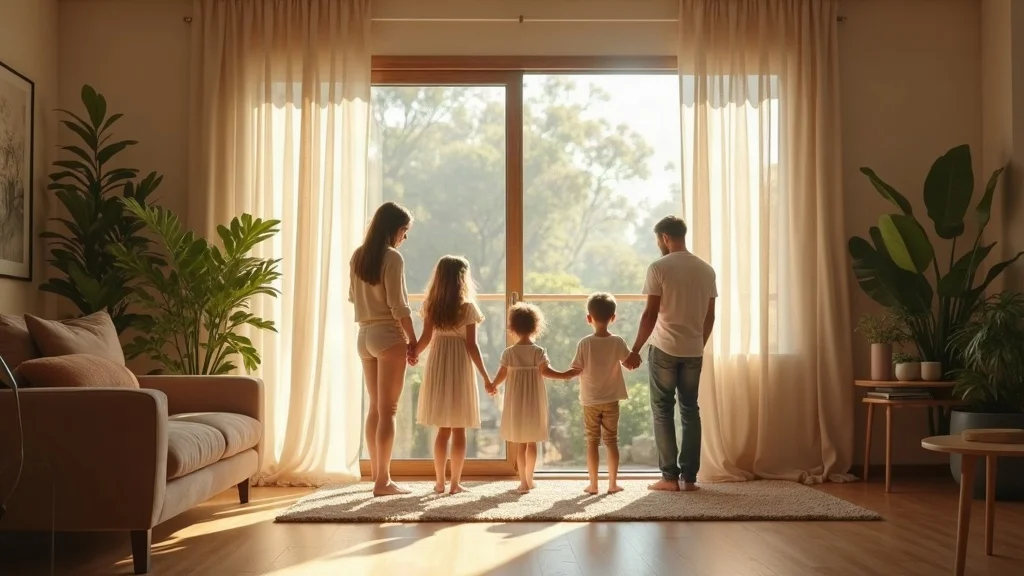
“When your lifestyle aligns with natural rhythms, your body functions optimally—disruption induces serious health risks including cancer.” – Simon Smith, Everwell Media
At the heart of healthy, sustainable lifestyle choices is a force as old as life itself: the circadian rhythm. Smith explains that many Australians focus on what they eat or supplement, often overlooking the profound effect of light, movement, and nature exposure on the body’s internal clock. When we “expose ourselves to light at night,” or work rotating shifts disconnected from natural cycles, “it’s creating carcinogenic problems,” Smith warns. This isn’t just theory—the World Health Organization classifies circadian disruption as a probable carcinogen, underscoring how closely our biological signals are entwined with our environment.
What’s often missing from sustainability conversations is recognition of the “bioavailability” of experiences. According to Smith, being in tune with nature—witnessing the sunrise, moving outside, and sleeping when it’s dark—nourishes immune function, DNA repair, and overall vitality. For eco-friendly brands in Australia, translating this science into brand narratives isn’t about instructing consumers but inviting them to explore how life feels when it’s harmonious with the sun and seasons. By aligning product missions with this awareness, brands anchor their impact in both physical and psychological wellness—the hallmarks of truly modern sustainability.
This holistic approach to sustainability is echoed in broader community initiatives as well. For example, campaigns that address environmental health at the community level, such as the EPA’s efforts to reduce problem waste and protect communities, demonstrate how collective action and education can reinforce the benefits of eco-friendly living for both individuals and society.
Integrating Bioavailability and Natural Exposure into Brand Narratives
- Educate audiences on light exposure and its effect on health
- Highlight plant-based traditions historically rooted in Australia
- Showcase wellness beyond product consumption—engagement with nature
Smith’s storytelling roots at Everwell Media illuminate how eco-friendly brands Australia can move beyond product labels. He advocates for brand messaging to “hook into something that's already in nature,” whether that’s Australian traditions of bush medicine or the embodied wellness that comes from a walk among native ferns. Educational initiatives around light exposure can be woven into digital campaigns, showing the direct impact of gentle morning sun on alertness and sleep. Highlighting Australia’s rich plant heritage—like eucalypt balms or wattleseed nutrition—brings authenticity that resonates with both next-gen consumers and conscious HR leaders curating workplace wellness.
Yet, Smith cautions against limiting brand purpose to just “selling products that claim to be greener. ” True engagement emerges when brands champion experiences over transactions: encouraging time outdoors, sparking curiosity about local flora, or integrating movement breaks into remote work routines. These narratives not only build trust but authentically position eco-friendly brands in Australia as agents for both community health and environmental stewardship.
Bridging the Gap: From Knowing to Feeling Well in Sustainable Consumer Choices
“The gap is not just in knowledge but in feeling well—curiosity is missing from many health conversations about lifestyle and environment.” – Simon Smith, Everwell Media
Despite an influx of information, many Australians remain distanced from the embodied benefits of sustainable living. Smith notes, “curiosity is missing from many health conversations about lifestyle and environment,” reflecting how programs and products too often focus on what people should do, rather than actively inviting participation. He sees a gap that’s not just about knowledge but about feeling well—how lifestyle rhythms translate into lived wellness, creativity, and resilience in communities.
This insight is particularly relevant for marketing directors and HR leaders crafting internal culture programs or community wellness strategies. Why does knowing we “should get more daylight” rarely translate into new habits? According to Smith, the answer lies in how disconnected modern Australians feel from their biological signals—a disconnect widened by urban routines and passive promotion rather than experiential engagement. Bringing curiosity back means brands must offer more than stats; they must spark wonder, inviting consumers to notice, feel, and share stories of transformation.
Why Modern Australian Life Disconnects Us from Biological Signals
- Work schedules that ignore natural sunlight and circadian rhythms
- Urban living reducing direct nature engagement
- Stress and lifestyle factors that mask biological cues

The relentless pace of city life and corporate priorities often obscures biological cues that were once second nature. Simon Smith identifies three major forces at play: “work schedules that ignore natural sunlight and circadian rhythms, urban living reducing direct nature engagement, and stress and lifestyle factors that mask biological cues. ” These realities are not merely anecdotal. Studies now widely document that less than 10% of urban Australians get recommended daily sunlight, and flexible schedules remain an exception rather than the rule.
For eco-friendly brands in Australia looking to drive real consumer engagement—or boost employee wellbeing—Smith’s perspective is a wake-up call. “If you’re not getting enough sleep, here’s a key issue. If you’re not getting enough exercise, same thing,” he urges. Brands have an opportunity to move beyond token gestures and embrace initiatives that actively counteract this disconnection by realigning product and workplace experiences with environmental cues. Success means shifting from a transactional message to a transformative one, tapping into both the body’s need for sunlight and the community’s need for shared, meaningful rituals.
Practical Steps for Businesses and Communities to Foster Circadian Alignment
- Promote flexible working hours syncing with sunrise and sunset
- Incorporate nature spaces and green initiatives into corporate culture
- Launch educational campaigns around sustainable lifestyle rhythms
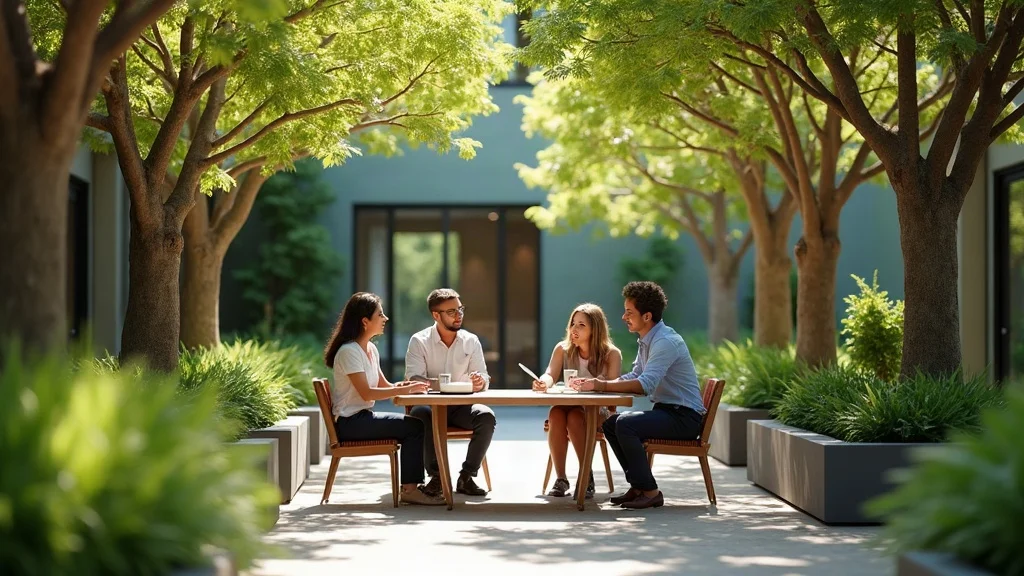
For companies eager to lead in sustainability, Smith recommends “promoting flexible working hours syncing with sunrise and sunset,” citing this as one of the simplest yet most impactful interventions available to modern employers. By aligning work patterns with circadian rhythms, businesses see improvements not just in wellbeing but in creative problem-solving and absenteeism rates. Leading eco-friendly brands in Australia are already experimenting with green rooftops, outdoor meeting hubs, and even sunrise yoga sessions to “incorporate nature spaces and green initiatives into corporate culture. ”
Smith argues that the role of marketing isn’t just external. “Launch educational campaigns around sustainable lifestyle rhythms,” he says, urging leaders to nurture curiosity and empowerment inside and out. Workplace green teams, light therapy corners, and community nature walks all reinforce that sustainability is a lived value—not a box ticked on an annual plan. Done well, these actions radiate outward, inspiring consumers and stakeholders to bridge the gap from merely knowing sustainability to feeling well, all while strengthening brand loyalty and reputation.
Key Takeaways for Marketing Directors and HR Leaders on Eco-Friendly Brands Australia
- Sustainability is enhanced by aligning brand messaging with natural health rhythms
- Consumer trends favor not only products but authentic lifestyle support
- Engaging community stories around circadian health elevate brand trust

For leaders navigating Australia’s eco-market, the cost of ignoring lifestyle rhythms is too great to overlook. Smith’s expertise crystallizes a simple truth: “Sustainability is enhanced by aligning brand messaging with natural health rhythms. ” Authentic brands are outpacing their competition by supporting not only sustainable products but also daily wellness and community integration. Whether it’s through workplace design or campaign storytelling, uplifting the tales of real people finding balance with nature positions a brand as both credible and inspiring.
“Consumer trends favor not only products but authentic lifestyle support,” Smith explains, highlighting the surging demand for content and experiences that help Australians thrive. HR leaders and marketing directors should see every team walk in a park or community sunrise event as an opportunity to cement trust and forge deeper emotional bonds with employees and consumers alike. “Engaging community stories around circadian health elevate brand trust,” he adds, urging decision-makers to make space for lived experiences, cultural histories, and curiosity-driven discovery in every touchpoint.
Summary: Harnessing Nature’s Cycle to Elevate Australian Eco-Friendly Brands
“It’s about awareness—the more people tune into their natural body rhythms, the stronger the connection to truly sustainable living becomes.” – Simon Smith, Everwell Media
The journey toward truly impactful eco-friendly brands in Australia is not paved by products alone but by awareness. Simon Smith’s insights from Everwell Media make it abundantly clear: human wellbeing and environmental sustainability share a common root in how deeply we listen to and live by nature’s cycles. Recalibrating marketing, HR programs, and community engagement around circadian health does more than reduce carbon footprints—it cultivates workplaces and consumers who are energized, resilient, and genuinely curious.
Every sunrise offers a reminder that sustainable change is most powerful when it starts at home, in the ways we wake, work, and wind down. As brand leaders, the invitation is to become stewards of this alignment, championing curiosity about our bodies and the beautiful Australian environments around us. In doing so, you’ll not only elevate your impact as an eco-friendly brand but foster deeper, more restorative connections—for your workforce, your consumers, and your community.
Next Steps
Ready to integrate circadian awareness, nature-centered storytelling, and community-driven wellness into your brand’s journey? Begin by auditing your internal culture for natural alignment and experiment with small pilot projects—one sunrise walk, one flexible schedule week, or one staff story shared. To fuel your organization’s transformation, stay informed and inspired with industry-leading insights from Everwell Media—your independent guide to meaningful, actionable sustainability in Australia.
If you’re inspired to take your sustainability journey even further, consider how your brand or organization can contribute to broader environmental health initiatives. Exploring the intersection of eco-friendly branding and community action, such as supporting campaigns that tackle problem waste and protect local communities, can amplify your impact and foster lasting change. For a deeper dive into how collective efforts are shaping healthier environments across Australia, discover the strategies and outcomes highlighted in the EPA’s campaign to reduce problem waste and protect communities. By connecting your brand’s mission with these larger movements, you’ll unlock new opportunities for leadership, collaboration, and authentic engagement in the evolving landscape of sustainability.






Write A Comment