

Simon Smith’s Urgent Call to Action: Why Australian Families Must Embrace Plastic-Free Living Solutions Now
When it comes to plastic-free living solutions, the stakes are far higher than many realize. As Australians become more aware of the invisible threat posed by microplastics, the imperative to act is no longer just about environmental stewardship—it's increasingly a matter of personal and collective health. Simon Smith, of Everwell Media, delivers an urgent warning rooted in both scientific realities and lived Australian experience: our adoption of plastic-free habits isn’t just the right environmental choice, it’s a health imperative.
According to Simon Smith, Australians face a unique crossroads. There is mounting evidence that microplastics, now ubiquitous in our environment, are quietly accumulating in our bodies with severe long-term consequences. This is why Smith advocates for immediate, practical changes—not just for eco credibility, but to protect the well-being of our families and communities. He stresses that even incremental efforts yield outsized impacts, sending a persistent signal to industries that consumer demand is shifting. For proactive Australian families, now is the time to become both the change-makers and the beneficiaries of a plastic-free future.
"If families don’t start mitigating plastic exposure, they’re facing serious health risks, including accelerated aging and chronic issues—microplastics accumulate in the body and there's no way to eliminate them." — Simon Smith, Everwell Media
The Microplastic Menace: How Ubiquitous Plastics Threaten Health and Ecosystems
Microplastics have rapidly shifted from a distant environmental concern to a direct household hazard for Australian families. As Simon Smith points out, “microplastics are everywhere now—from the food we eat to the water we drink, and that demands a practical, immediate response. ” The gravity of this reality often catches families off guard: the invisible fragments pervade drinking water, seafood, everyday packaged goods, and even the air inside our homes. Smith’s expert perspective is clear—no matter how rigorous our individual routines, the persistent infiltration of plastics calls for systemic lifestyle changes that start within the family unit and ripple outward into communities and industries.
The science is sobering. Microplastics can disrupt hormonal functions, carry toxic chemicals, and compromise immune responses when accumulated in the human body. But the threat does not end there. Plastic waste leaches into waterways, damages marine biodiversity, and finds its way back into the food chain—affecting everything from fish on our plates to the water we pour into our glasses. By emphasizing these profound risks, Smith pushes for an urgent awakening among Australian families, inviting them to take action not just for immediate benefit, but for the health of future generations.
"Microplastics are everywhere now—from the food we eat to the water we drink, and that demands a practical, immediate response." — Simon Smith, Everwell Media
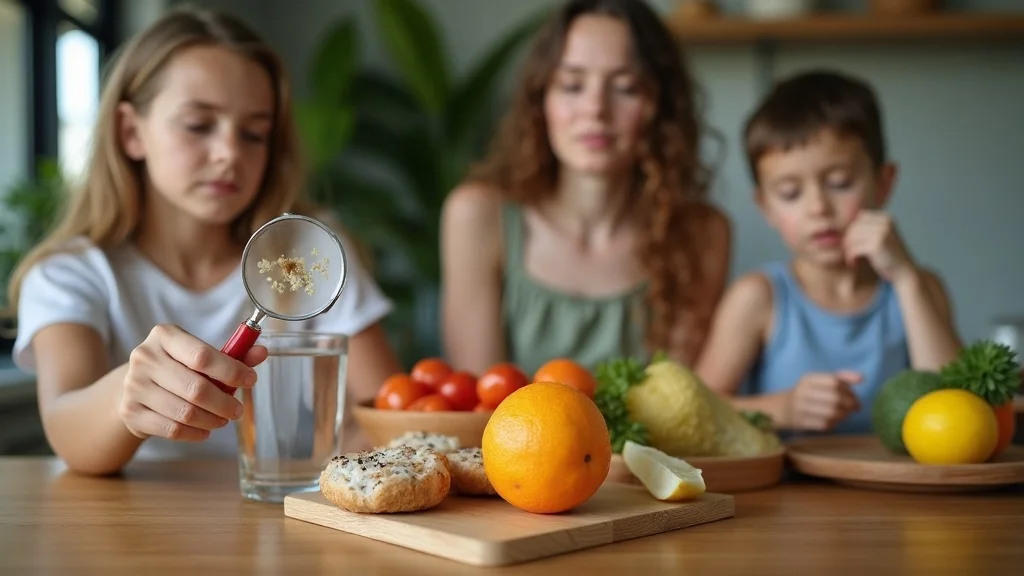
- Microplastics disrupt bodily functions and accumulate over time
- They contaminate marine life and infiltrate food chains
- Plastic waste leads to environmental degradation and health crises
Practical Plastic-Free Living Solutions for Australian Families
For families ready to turn concern into action, Smith’s insights offer clear, actionable pathways. Practical plastic-free living solutions mean small but impactful choices that prioritize safe materials, sustainability, and community momentum. By foregrounding trusted alternatives like ceramic, glass, and community advocacy, Australian households can drive real-world change both at home and on a broader societal scale. Smith’s guidance rejects greenwashing in favor of authentic commitment—living proof that healthier habits are within reach and entirely compatible with busy modern lives.
The transition need not be overwhelming. Smith encourages families to seek inspiration from tried-and-true wisdom—before plastics, our grandparents relied on sturdy, reusable materials without sacrificing convenience or comfort. Today, that wisdom finds renewed relevance as we revisit glass food storage, ceramic cups, and mindful purchasing habits endorsed by health experts and wellness advocates alike. Every small, repeatable step compounds personal benefit and forges a cultural shift towards sustainable, resilient living.
Choosing Safe Materials: Why Ceramic and Glass Outperform Stainless Steel and Plastic
When it comes to everyday swaps, Smith is clear: not all “eco-friendly” alternatives are created equal. His advice? “Switching to ceramic coffee cups over stainless steel prevents harmful nickel exposure caused by acidic foods—a simple swap that protects your family’s health. ” While stainless steel enjoys a reputation for durability, it may actually leach nickel, especially in contact with citrus or acidic substances. Over time, this can spell health risks for adults and children alike. Ceramic remains inert, unaffected by food acidity, ensuring a safe vessel for hot drinks and everyday use.
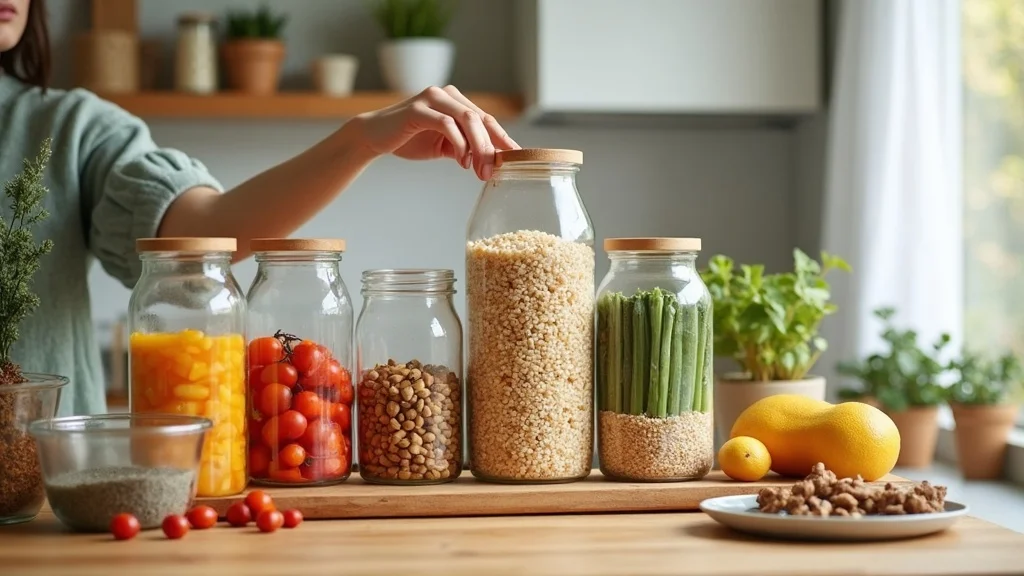
Similarly, Smith recommends bringing glass containers back to the forefront of kitchen organization. “Glass is what used to be used in the old days,” he affirms, highlighting the durability, safety, and easy cleaning that glass provides. Unlike plastics, glass does not degrade or contaminate food, making it ideal for batch cooking, meal prep, and leftover storage. As families increasingly question the “convenience” myth touted by plastics, these back-to-basics solutions offer superior health protection and reinforce a lasting eco ethos in Australian homes.
"Switching to ceramic coffee cups over stainless steel prevents harmful nickel exposure caused by acidic foods—a simple swap that protects your family’s health." — Simon Smith, Everwell Media
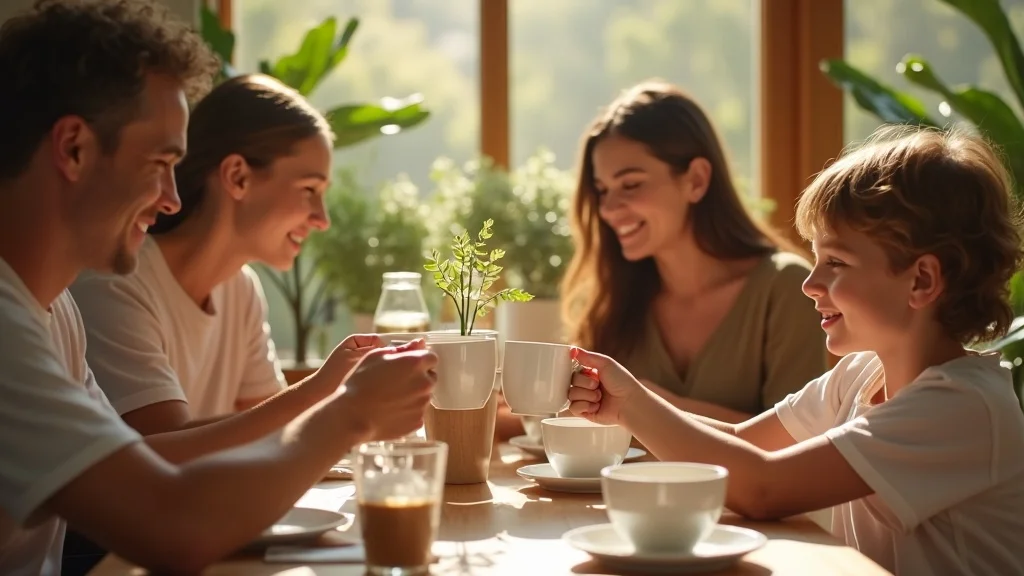
- Use ceramic coffee cups to avoid chemical leaching
- Adopt glass containers for food storage to ensure durability and safety
- Avoid plastic packaging and single-use items at every opportunity
Incremental Changes: How Small Steps Amplify Corporate Responsibility
One of Smith’s most empowering insights is the ripple effect set in motion by individual choices. According to him, every decision to replace a plastic item, no matter how minor, “sends a message to corporations that customers demand change. ” It’s not about instant perfection—it’s about building momentum. Families making conscious replacements contribute not only to their own wellbeing, but amplify a groundswell of demand that gradually compels businesses, brands, and suppliers to innovate and minimize plastic packaging.
Smith emphasizes that these small steps, when taken consistently, gain exponential traction. Replacing one plastic container at a time, sharing tips with friends, and participating in local eco-initiatives invite broader communal engagement. The result is a virtuous cycle: as consumers assert their values, suppliers adapt, creating a feedback loop of positive environmental and social outcomes. Through unified incrementalism, families become advocates, pushing for deeper corporate transparency and accountability in every product choice.
"Every plastic-free choice sends a message to corporations that customers demand change. Even little actions compound to powerful societal shifts." — Simon Smith, Everwell Media
- Start with one plastic item replacement at a time
- Engage communities and networks to share plastic-free tips
- Demand transparency and reduced plastic usage from suppliers

Overcoming Challenges in Plastic-Free Living: Common Misconceptions and Expert Tips
For many Australians, the transition to plastic-free living can appear intimidating, often tangled in misconceptions about convenience, cost, or practicality. Smith addresses these barriers head-on, revealing that “the little things” truly are the big things when accumulated over time. Rather than trying to overhaul every habit overnight, he advocates for gradual, confident experimentation with trusted alternatives. For example, initial investment in glass jars or ceramic ware may cost more upfront but proves more economical—and healthier—over time, as their durability far outpaces single-use alternatives.
Smith also invites families to reclaim traditional practices in a way that fits modern routines. “Glass is what used to be used in the old days. It’s a pretty good idea. ” Embracing these methods, such as frequenting farmers’ markets and seeking unpackaged produce, does not mean sacrificing comfort or efficiency. Instead, it’s about mixing inherited wisdom with contemporary science to achieve convenient, sustainable, and effective living. By dispelling myths and shining a spotlight on everyday practicality, Smith empowers Australian families to lead by example within their circles and communities.
- Dispelling myths about convenience of plastic versus eco alternatives
- Navigating cost concerns through sustainable purchasing choices
- Incorporating traditional practices fitted for modern lifestyles
Expert Takeaways: How Adopting Plastic-Free Habits Ensures a Healthier Future
Smith’s overarching message is one of hope and empowerment. By “mitigating plastic exposure today,” families set a precedent that not only alters their immediate environment but also safeguards the health and prospects of future generations. The compounding action of small, consistent changes is how societies begin to heal. Families, especially those already attuned to wellness, leadership, and public influence, can set enduring examples within workplaces and social networks—catalyzing a movement that grows from the ground up.
For marketing directors, communications managers, SME owners, or program leaders, these lessons extend further still: every organizational choice—be it corporate wellness policies or the adoption of reusable kitchenware in offices—reverberates through professional and personal spheres. The roadmap to healthier futures is clear: recognize the risk, make informed swaps, and encourage others to do the same. As Smith puts it, these simple steps form the bedrock of resilient, thriving communities capable of weathering more than just environmental storms.
"Mitigating plastic exposure today means securing a healthier tomorrow—not just for individuals but for all future generations." — Simon Smith, Everwell Media
- Recognize microplastic dangers and commit to reduction
- Adopt safer materials like ceramic and glass progressively
- Encourage corporate and community action through your choices
Conclusion: Join the Movement Toward Sustainable Plastic-Free Living Solutions
Plastic-free living is more than an environmental responsibility; it is a profound health imperative resonating across Australian society. As Simon Smith and Everwell Media illuminate, even small, practical actions—swapping out one container, choosing ceramic, refusing single-use plastics—accumulate to yield a formidable collective impact. Every choice matters: empowered families and organizations hold the key to driving corporate accountability and meaningful societal shifts.
The path forward is refreshingly accessible. Start today with a single change in your home, inspire your workplace or community, and help tip the balance toward a safer, healthier, and more sustainable Australia. The micro-decisions we make now will echo for generations, forging a legacy of resilience for all.
Ready to lead your family or organization toward a healthier, toxin-free future? Connect with Everwell Media’s resources and join the movement for practical plastic-free living solutions in Australia—your actions today are the catalyst for a cleaner tomorrow.
- Plastic-free living is not just environmentalism but health imperative
- Small, practical actions yield collective impact
- Empowered families drive corporate accountability and societal change






Write A Comment