

Simon Smith Unveils the Biggest Misconception About Sustainable Living Tips in Urban Australia
"The biggest misconception is that people think they need a bigger house to live sustainably, when in reality, efficient use of space and reducing transportation matter much more." – Simon Smith, Everwell Media
Debunking Space Myths: Living Small, Living Smart to Boost Sustainable Living Tips
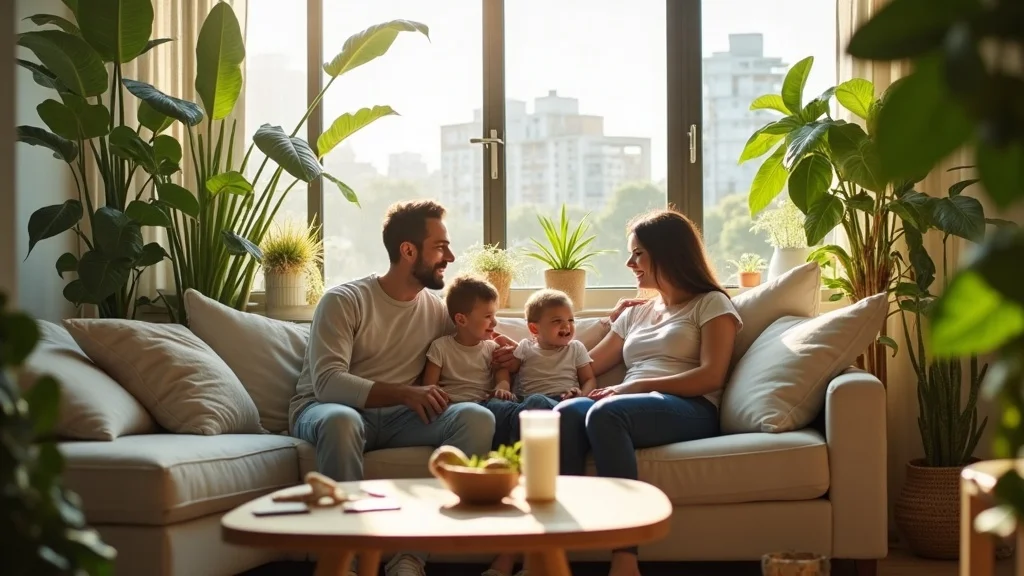
In the heart of fast-evolving Australian cities, many still believe that sustainable living requires expansive homes and increased resources. Simon Smith, founder of Everwell Media and leading voice in conscious urban living, calls this belief one of the largest barriers for meaningful ecological change. He observes that most urban dwellers inhabit only a fraction of their homes—kitchens, living areas, bedrooms—while the rest remains underutilized. According to Smith, this reveals a critical flaw in common perceptions: "Home size doesn't dictate sustainability; how you use every square metre does. " As cities densify and space becomes a premium commodity, the imperative to live smarter, not larger, becomes increasingly clear. Smith frames this as an “aha moment” crucial for anyone serious about shifting consumption patterns and reducing urban environmental impacts.
Simon Smith emphasizes that efficiency and mindful design in our daily environments drive genuine sustainable change, far more than acquiring a larger footprint. He highlights how individuals who reimagine their routines—like choosing locations closer to work or embracing modular furnishings and multifunctional spaces—can dramatically slash their carbon footprints. External research echoes this, showing Australians spend the overwhelming majority of their at-home time in only two or three rooms, underscoring the potential for smarter spatial planning. Sustainable living tips thus begin with a reassessment of needs versus habits, shifting the focus from “bigger” to “considered”—a subtle but paradigm-shifting step.

Practical Urban Adaptations: Community Gardens and Creative Space Use for Sustainable Living Tips
"Transforming a simple verge in front of your home into a garden can connect you with nature, foster community, and reduce reliance on store-bought goods." – Simon Smith, Everwell Media
How Community Engagement Enhances Sustainable Living in Urban Australian Lifestyles
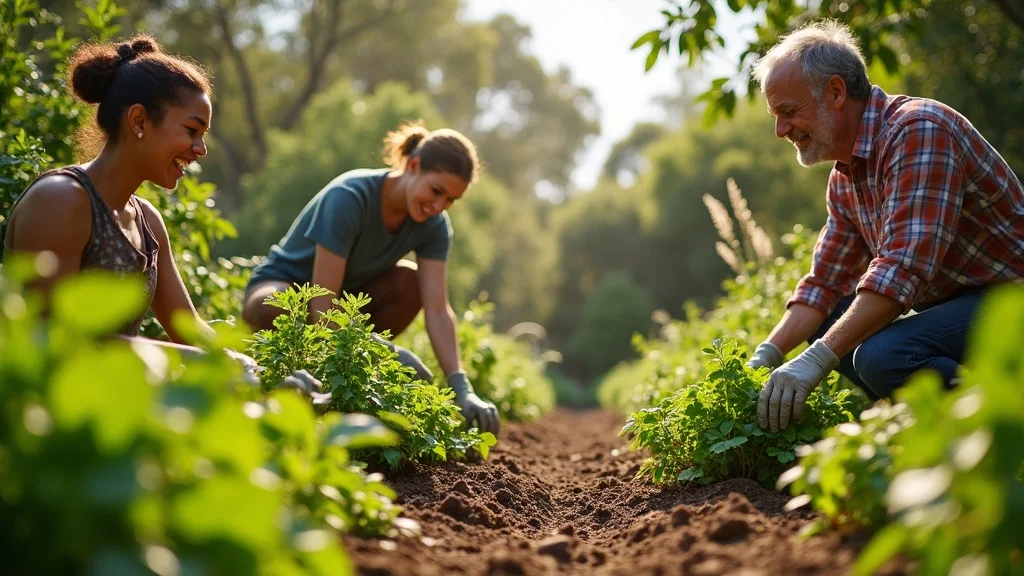
According to Simon Smith, urban sustainability is not just an individual pursuit, but a community effort. He highlights the overlooked power of shared urban spaces—verges, rooftops, community allotments—as sites for local food production, social connection, and ecological learning. Smith advocates engaging in community gardens or converting the grass verge outside one's residence to edible gardens with native species: "Simply replacing turf with productive greenery fosters self-reliance, strengthens ties, and anchors wellbeing in place. " This practical approach aligns seamlessly with sustainable living tips for those aiming to re-root city life in nature, one patch at a time.
The advantages are both tangible and transformative. Integrating edible or native plants into underused urban pockets not only yields fresh produce, but also actively supports local biodiversity and microclimates. As Simon Smith points out, such actions reduce the demand for store-bought goods, cut packaging waste, and minimize food miles—results that ripple throughout urban supply chains. Further, community gardening initiatives combat social isolation, providing both environmental and mental health benefits. Smith’s perspective compels us to see these small shifts as “scalable, community-driven answers to modern sustainability challenges”—reminding urban Australians of their collective power to redefine green city living.
- Replace grass verges with edible or native plants
- Participate actively in community gardens
- Leverage shared urban spaces for social and environmental benefit
Mindful Community Selection: A Core Sustainable Living Tip from Simon Smith
"Choosing a community that aligns with your values affects your stress and well-being, making sustainable living more achievable." – Simon Smith, Everwell Media
Why Community Fit Matters for Health, Comfort, and Sustainable Urban Living
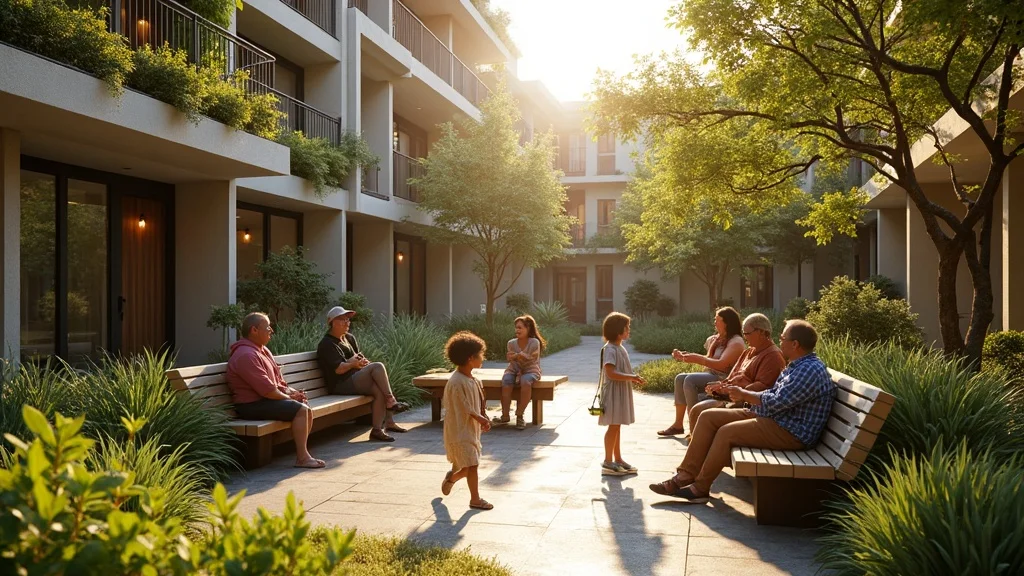
At the foundation of truly sustainable living tips is the idea that where you live—and who you surround yourself with—profoundly influences your ecological and psychological outcomes. Simon Smith stresses that the right community fit is not just about facilities or location, but alignment of values. He shares, “When your neighborhood reflects your environmental and social aspirations, stress levels decrease, sleep quality improves, and daily life becomes more harmonious. ” This is no trivial insight; urban Australians often underestimate the effect of misaligned environments on their nervous system and long-term wellness.
According to Smith, evaluating neighborhoods for their culture, shared priorities, and general vibe is as critical as assessing housing features. “Comfort, compatibility, and connection are non-negotiables if sustainable habits are to become second nature,” he explains. Peer-reviewed research corroborates this, linking strong communal ties to measurable improvements in mental health, active lifestyles, and resilience in times of change. For those seeking to transform their city experience in 2025, Smith’s advice underscores that the journey begins not with a compost bin or solar panel, but with a mindful choice of what—and who—constitutes your daily backdrop.
- Identify communities aligned with your lifestyle and values
- Prioritize comfort and well-being to reduce stress
- Recognize the impact of community on nervous system and health
Key Takeaways and Actionable Sustainable Living Tips for Urban Australians in 2025
- Maximize efficient use of existing home spaces
- Engage in local community gardening initiatives
- Choose neighborhoods that support mental health and sustainability
Expert Summary: Simon Smith’s Sustainable Living Tips for Meaningful Urban Change
Simon Smith’s approach to sustainable living tips is refreshingly pragmatic: start with what’s within your immediate reach—efficiently use your living space, connect with your neighborhood, and invest in relationships that foster collective resilience. Drawing on his unique lens as founder of Everwell Media, Smith reiterates that lasting environmental change is possible when Australians recognize that sustainability is less about possessions, and more about participation and place. Urban transformation in 2025 depends on the choices made in daily routines, shared gardens, and the communities we empower. By planting innovation quite literally at our own doorsteps and nurturing connection over consumption, city dwellers can profoundly redefine what it means to thrive sustainably.
According to Simon Smith, adopting these principles doesn’t just contribute to a greener future—it’s a blueprint for happier, healthier, and more resilient urban lives. Now is the moment for marketing leaders, communications experts, and business owners to champion these insights, driving both organizational and societal impact. The invitation is clear: reimagine, reconnect, and be the sustainable difference your city urgently needs.

Start Your Sustainable Journey: Transform Urban Australian Lifestyles Today
The path to meaningful urban sustainability in Australia is neither distant nor complex—it begins at your doorstep and grows with every mindful choice. Simon Smith’s actionable sustainable living tips offer urban Australians a clear framework: optimize your immediate environment, collaborate with your neighbors, and choose settings that nurture your wellbeing. Embrace the opportunity to reshape your life and your community’s future—one space, seed, and connection at a time.
Ready to transform your impact? Discover more innovative ideas and real-life stories to fuel your journey toward a greener, healthier Australia at Everwell Media. Let these strategies inspire meaningful change for your organization and your city—starting today.






Write A Comment