Everwell Media Logo

Everwell Media Logo
  • Home
  • Categories
    • Lifestyle and Culture
    • Business and Innovation
    • Health and Wellness
    • Community and People
    • Environment and Future
    • Opinion and Voices
    • Whole-food Living
  • Decisions that Define
November 06.2026
3 Minutes Read

NSW Government's Bold Move to Cut Red Tape for Businesses and Housing

NSW government pledges reforms to cut red tape

The NSW Government Takes Action

The New South Wales (NSW) government is setting the stage for significant reforms aimed at streamlining processes for housing developments and small businesses. With commitments to simplify planning approvals and reduce upfront costs, the government is responding to pressing concerns expressed by the Business Council of Australia (BCA) regarding the regulatory burdens that hinder investment and growth.

Reducing Costs for Housing Developers

One of the most promising initiatives involves deferring local infrastructure contributions for housing developers. This delay from the Construction Certificate stage to the Occupation Certificate stage is expected to significantly lower initial costs. With over $900 million in contributions from previously repealed plans now available for councils, these funds can be redirected towards enhancing local infrastructure such as roads and community facilities. Currently, councils across NSW hold more than $4.6 billion in infrastructure contributions, highlighting both the opportunity and responsibility that comes with these funds.

Fostering Small Business Growth

For small businesses, the reforms promise to alleviate the stress of onerous development application processes. With the current average processing time reaching up to 130 days at a cost of approximately $30,000, the proposed measures are essential for empowering entrepreneurs. Expanding eligibility for exempt and complying development pathways means fewer full applications are necessary for minor renovations and adaptations. These changes cater to the growing demand for flexibility in small business operations, allowing owners to focus on growth rather than be burdened by paperwork.

Immediate Benefits and Future Growth

The results of these reforms could be significant. In the 2025–26 period, almost 50,000 new homes were completed, marking a 16% increase from the previous year while housing commencements surged to a four-year high with a gain of over 10%. These statistics underscore the potential impact of effective regulatory reform in the housing sector and its overarching benefits for the economy.

Broader Implications for Investment and Job Creation

BCA CEO Bran Black has emphasized that reducing regulatory costs by 25% is crucial for fostering business investments and stimulating job creation across the state. The NSW government’s pledge is a step in this direction, aimed at creating an environment where investment can flourish. The response from the BCA highlights the collective agreement that when both state and local governments collaborate effectively, they can yield positive outcomes for businesses and communities alike.

A Transparent Path Forward

As reforms are rolled out, transparency will be key. The government plans to publish consolidated information on regulatory requirements across various business types, streamlining the process for compliance and reporting. This move is designed to enhance the clarity for business owners, ensuring they understand their obligations and thus facilitating smoother operations.

Conclusion: A Future of Opportunities

For small business owners and potential housing developers, understanding these reforms is critical as they navigate the shifting landscape of NSW’s regulatory environment. With tangible steps towards reducing red tape, the NSW government is setting a blueprint for a more conducive atmosphere for entrepreneurship and development. Staying informed and engaged with local regulations will empower business owners to take advantage of these reforms effectively.

Now is the time to consider how these measures can affect your business decisions moving forward. Stay tuned for further updates on the impact of these reforms on the local economy and construction industry.

Business and Innovation

0 Views

0 Comments

Write A Comment

*
*
Please complete the captcha to submit your comment.
Related Posts All Posts
11.05.2026

What 17,000 Legal Matters Reveal About the Challenges Facing Australian SMEs

Update Understanding the Legal Landscape for Australian SMEs In recent years, small and medium-sized enterprises (SMEs) in Australia have increasingly found themselves ensnared in legal matters that shape their operations and sustainability. The latest findings from Sprintlaw's Small Business Legal Report 2026, which analyzes over 17,000 de-identified legal cases, offer a revealing look into the legal issues these businesses face. The report highlights significant trends that not only affect individual businesses but also present a wider picture of the challenges within the sector. The Most Common Legal Issues Facing SMEs The report indicates that almost 30 percent of legal matters for small business clients in 2025–26 involved contracts and customer-related issues. Payment disputes have emerged as one of the most pressing concerns, contributing to 31 percent of the disputes recorded by the Australian Small Business and Family Enterprise Ombudsman (ASBFEO). In the bustling world of SMEs, where cash flow is vital to survival, such disputes can lead to severe ramifications. Moreover, digital platforms have been implicated in 40 percent of disputes that required formal case management, emphasizing the need for SMEs to navigate this terrain carefully. Notable Trends in Employment Claims The landscape of employment law is also shifting. Claims related to general protection dismissals surged by 47 percent in the second half of 2025, compared to the same period the year prior. Unfair dismissal claims also saw an 18 percent increase. As small businesses grapple with recruitment and retention in a competitive labor market, these figures highlight the critical need for compliance with workplace laws and the management of personnel issues. Regional Insights: Company Insolvencies Differ by Location Geographically, the report reveals disparities in company insolvencies across Australia. The Australian Capital Territory (ACT) topped the charts for the highest number of company insolvencies per 10,000 businesses, contrasting starkly with Western Australia and Tasmania, where the numbers were notably lower. Understanding these regional variations can inform strategic choices for business owners and operators looking to mitigate their risks. Prioritizing Legal Compliance: A Key Takeaway Given the various legal intricacies documented, SMEs must prioritize understanding and addressing legal compliance. A separate Sprintlaw survey found that contracts were the leading legal concern for 65 percent of business respondents. Other significant priorities included compliance, privacy, intellectual property, and governance. This stress on compliance underscores not just the importance of being on solid legal ground but also the need for continuous education on evolving laws and regulations. Impacts of Legal Obligations on Operations Businesses are reminded of the necessity of accurate advertising and transparency in pricing. A notable case involved Bloomex, which faced severe penalties after misleading representations about advertised prices. As consumers become more empowered and aware, transparency is paramount. Similarly, the heavy civil penalty levied against Australian Clinical Labs underscores the significant financial fallout from failing to protect customer data – a reality that every business must prepare for in the age of digital commerce. Actionable Insights for Small Business Owners Small business owners can take substantial steps to shield themselves from potential legal disputes. First, documenting all contracts and agreements accurately and ensuring clarity about their terms is essential. Additionally, keeping abreast of employment law changes and ensuring widespread understanding within the business can prevent many disputes before they arise. Monitoring overdue accounts and evaluating the financial health of clients before extending credit is another wise practice. Conclusion: Proactive Measures for Future Resilience In the dynamic landscape of small business operation, understanding legal risks and prioritizing compliance can prove essential to sustained success. As highlighted by Sprintlaw's findings, businesses may find that being proactive not only shields them from immediate threats but also fosters long-term stability and growth within their operations. Small business owners should consider taking charge of their legal landscape, acquiring knowledge, and seeking proper counsel as part of their strategic planning. With the right information and tools at hand, they can navigate the complexities of business law effectively.

11.04.2026

Unlock Business Innovation Australia for Growth Now

Simon Smith on Business Innovation Australia’s Shift to Sustainable Practices In today’s Australian corporate sphere, rapid transformation is not just a buzzword, but an imperative guiding businesses to rethink their foundations. For Marketing Directors, Business Analysts, HR Leaders, Community Managers, Event Planners, and Corporate Communications Officers, the question isn’t whether business innovation Australia is necessary—it’s how to implement it in a way that truly matters. Simon Smith, of Everwell Media, stands at the forefront of this exploration, championing sustainable practices that reach well beyond ordinary compliance. Smith’s journey is rooted in Everwell Media's mission to deliver meaningful, fiercely independent journalism that uncovers the intersections of business, lifestyle, community, and environment. As Australian companies navigate the complex crossroads of growth and responsibility, Simon’s work offers both a challenge and a blueprint: How can we reimagine our operations to foster not just profitability, but genuine wellbeing throughout the entire ecosystem we touch? The answer, it turns out, begins with a deep curiosity about what it really means to be “well”—as a business, a workforce, and as a community. As Simon Smith, of Everwell Media, explains: "Removing pesticides and looking at ways that they can mitigate EMS... anything that's gonna touch the skin and gets absorbed, anything that's breathed in... it affects your microbiome and a lot of other areas of your body." How Eliminating Harmful Chemicals Enhances Corporate Social Responsibility One of the most telling shifts in business innovation Australia is the movement away from toxic workplace environments, both literally and figuratively. According to Simon Smith, there’s a growing recognition that everyday exposures—from cleaning products to residual smells—aren’t just operational footnotes. “Businesses are starting to focus more on creating healthier environments for their employees by eliminating harmful chemicals like pesticides and cleaning products that impact health,” Smith notes. This isn’t just about going green for the sake of appearances. Simon emphasizes that removing unnecessary toxins from the work setting can revolutionize workplace wellbeing, directly supporting sustainable corporate social responsibility (CSR). Employees spend thousands of hours within their office environments. If these spaces carry a load of chemicals, the cumulative effect can disrupt everything from their microbiome to immune response—issues that remain largely invisible until they crash headlong into lost productivity and higher absenteeism. In Smith’s view, true innovation demands an open-minded audit of every aspect of workplace health. As Simon Smith, of Everwell Media, shares: "Businesses are starting to focus more on creating healthier environments for their employees by eliminating harmful chemicals like pesticides and cleaning products that impact health." Connecting Sustainable Workplace Initiatives to Long-Term Business Benefits Smith is adamant that the “health-first” approach isn’t just an ethical mandate—it’s fundamentally good business. Healthy spaces, he argues, reduce exposure to toxins, ensure employees are in top condition, and build a culture of trust and care. Business innovation Australia is no longer confined to adopting new tech or launching flashy products; it’s about optimizing the foundation for people to thrive. Businesses that step up to remove hazardous substances position themselves on the leading edge of both productivity and employee loyalty. It’s a ripple effect: as Simon points out, minimized health risks mean employees fall sick less often, strengthening the company's competitive capacity. Organizations that make wellbeing their North Star see tangible returns—not only in operational metrics but also in reputational capital. By actively eliminating sources of workplace illness, companies actually invest in their own resilience. The expert’s perspective is that fostering a physically safe, toxin-minimized environment enables businesses to boost both morale and their bottom line. For organizations seeking actionable ways to reduce environmental hazards and protect their workforce, examining successful public health campaigns—such as the EPA’s initiative to reduce problem waste and safeguard communities—can provide valuable tactical insights that complement internal sustainability efforts. Healthier work environments reduce employee exposure to toxins Improved employee wellbeing leads to increased productivity Lower absenteeism and reduced downtime benefit business growth Positive corporate reputation from sustainable practices Community Engagement and Education: Sustainability Beyond the Workplace If the workplace is the engine of change, community and education are the amplifiers. Smith draws attention to a powerful example: schools across Australia integrating gardening and composting initiatives. These programs not only create safer environments by eschewing pesticides, but also nurture eco-literacy among the next generation. “In schools, integrating gardening and composting teaches kids eco-friendly practices, which creates a ripple effect benefiting both the environment and community,” Smith states. According to Smith, this approach puts community back at the heart of business innovation. By engaging with schools and local organizations, businesses don’t just tick a CSR box; they ignite a genuine shift in mindset. Children exposed to practical, plant-based traditions are more likely to carry those lessons into adulthood, leading to long-term gains for both the environment and the social contract between corporations and society. For Simon, such community partnerships root innovation in curiosity, exploration, and lived experience—moving the focus from mere compliance to genuine transformation. As Simon Smith, of Everwell Media, notes: "In schools, integrating gardening and composting teaches kids eco-friendly practices, which creates a ripple effect benefiting both the environment and community." How Business Innovation Australia Supports Education and Community Sustainability Diving deeper, Simon Smith lays out a framework for broader societal impact. Business innovation Australia is most powerful when it influences not only the company, but everyone in its orbit. Initiatives like eliminating pesticides in both schools and offices create safer communal spaces. School gardening programs foster not just environmental stewardship, but collaborative problem-solving and curiosity—all vital traits for the workforce of tomorrow. Everwell Media’s reporting often highlights how these collaborative efforts can multiply, from boosting local biodiversity through tree planting to promoting responsible food waste practices in cafeterias. The ripple is real: one small shift in a local school or community space can inspire broader sustainability efforts that circle back to augment business reputation and community trust. As Smith suggests, the most lasting innovation springs from these grassroots movements, fundamentally aligning societal health, sustainability, and business growth. Promoting pesticide-free environments in schools and workplaces Implementing school gardening programs that teach composting Fostering community tree planting initiatives Encouraging eco-conscious food practices in cafeterias Addressing Productivity and Workforce Health Through Sustainable Innovation There’s a direct—if often underappreciated—link between workforce health and business performance. Smith’s insights, informed by years at the intersection of media and health reportage, shed light on the unseen costs of chemical exposure and environmental stressors in the workplace. Employees subjected to long-term, low-level toxins are more likely to experience a gradual decline in health, leading to chronic issues, lost sleep, and increased reliance on medication—all factors that quietly erode organizational resilience. “All of these things add up—long-term exposure leads to illness, impacting productivity with employees losing sleep and ending up on medication,” Simon observes. As ever, what might seem like a distant concern is in fact an urgent business risk. For Smith, prioritizing employee health is neither soft nor optional—it is a critical innovation lever for organizations determined to control costs, retain top talent, and maintain an edge in the dynamic Australian economy. This is where sustainable practices shift from environmental concern to core operational strategy. As Simon Smith, of Everwell Media, affirms: "All of these things add up—long-term exposure leads to illness, impacting productivity with employees losing sleep and ending up on medication." The Business Case for Health-Centered Sustainable Practices It’s not only about avoiding pitfalls—it’s about gaining advantages. As organizational leaders embrace business innovation Australia, health-centered sustainability yields quantifiable benefits. A healthier workforce means more consistent attendance, increased creative output, and a reputation for genuinely caring for employee welfare. Simon underscores that this isn’t an abstract ideal: investing in toxin-free, healthy environments produces measurable performance improvements. What once was seen as a “nice to have” is now an undeniable differentiator. The broader implication is clear: while traditional approaches often treat health as an afterthought, sustainable innovation places it firmly at the core of corporate strategy. Preventing problems before they escalate cuts costs—and builds brand equity among eco-conscious investors and consumers. For Smith, the future of business innovation in Australia belongs to those visionary leaders who align profitability, wellbeing, and community impact, ensuring sustainable growth that lasts beyond the next quarter. Factor Traditional Practices Sustainable Innovation Employee Health Impact High exposure to toxins Reduced chemical exposure Productivity Lower due to health-related absences Higher with healthier workforce Corporate Reputation Limited community engagement Strong sustainability commitment Long-Term Costs Potential high with sick leave Lower with preventative health focus Key Takeaways: Driving Growth with Business Innovation Australia’s Sustainable Practices In synthesizing Simon Smith’s perspective, several transformative themes emerge—each positioned to help leaders create workplaces that are not only innovative, but genuinely sustainable. These practical steps can be a roadmap for organizations determined to thrive in the evolving Australian business landscape. Implement pesticide removal to foster safer workplaces Support community and education programs for lasting impact Prioritize employee health to boost productivity and reduce absenteeism Leverage sustainable innovation as a competitive advantage in the Australian market Final Thoughts: Empower Your Business with Sustainable Innovation Bringing together his investigative background and visionary outlook, Simon Smith of Everwell Media offers a compelling call to action: “Happy workforce, more productivity, less downtime for the business—this is the future of business innovation in Australia. ” The momentum behind business innovation Australia is no accident; it is the product of courageous curiosity, a willingness to challenge old routines, and the humility to listen to unseen signals in our working environments. As Australian companies set their sights on a sustainable future, those who act now—fostering toxin-free workplaces, investing in eco-friendly education, and connecting CSR with daily operations—will not only weather disruption but shape it. For every leader who’s ever wondered how to bridge the gap between knowing and truly feeling well, the time for exploration is now. Lead with impact, empower your workforce, and discover just how far business innovation Australia can take you. As Simon Smith, of Everwell Media, concludes: "Happy workforce, more productivity, less downtime for the business—this is the future of business innovation in Australia." Take the Next Step with Everwell Media Ready to future-proof your business with sustainable, health-driven innovation? Connect with Everwell Media to access in-depth insights, expert guides, and a community driven toward new standards of wellbeing in Australian business. Start your journey toward smarter, healthier, and more responsible growth—because the next breakthrough begins with curiosity. For those interested in exploring the broader landscape of environmental responsibility and community health, our coverage of the EPA’s campaign to reduce problem waste offers strategic perspectives on how collective action can amplify your sustainability impact.


11.04.2026

Why Understanding the Commercialisation Process is Key for Entrepreneurs

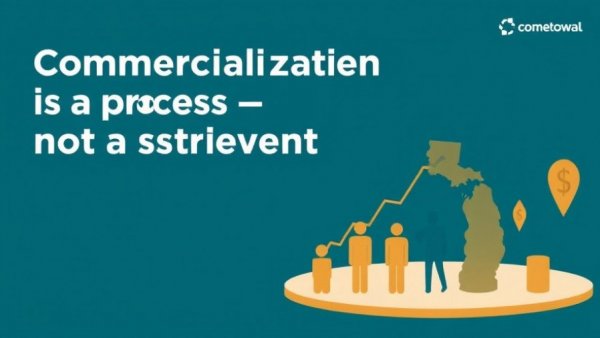
Update Understanding Commercialisation: A Multi-Step Journey Many entrepreneurs begin their ventures with the notion that commercialisation occurs in a singular climactic moment—a product launch or an investor handshake. However, Richard Milne, CEO of INNOVIC, stresses that this perception is fundamentally flawed. Successful commercialisation is not merely about achieving key milestones; it is a systematic and structured process that begins long before the public sees a product, and it goes far beyond the initial launch. Investigating the Opportunity: The First Step The journey to commercialisation begins with a thorough investigation of the opportunity. Founders must ask essential questions to determine the viability of their idea. What specific problem does the idea address? Who is feeling the pain of this problem? Current market research must also identify existing solutions and understand whether potential customers are dissatisfied with those alternatives. Most importantly, founders need to explore whether these customers would be willing to invest in a better solution. Comprehensive early research can include competitor analysis and customer interviews, designed to inform rather than validate the original concept, setting the stage for a thoughtful process ahead. Development Beyond Prototyping: A Holistic Approach Once an opportunity appears to have potential, the next phase is development. This stage presents a multitude of interconnected considerations that go far beyond simply creating a prototype. Founders need to assess technical elements such as design, engineering, prototyping, and minimum viable products. Concurrently, intellectual property protection, branding, market pricing, manufacturing costs, regulatory compliance, and distribution channels all come into play. As Milne states, each decision made in this stage could significantly impact another aspect of the project, making it imperative for founders to continually adjust their strategies based on the evolving landscape of knowledge gleaned from ongoing feedback and research. Embracing Change: Flexibility in the Process Being rigidly attached to original concepts can hinder commercialisation efforts. Founders must understand that successful commercialisation doesn't preserve every single element of an initial idea; instead, it involves adapting to better respond to market needs. Feedback from testing and customer engagement can reveal critical insights. An early change in a design or feature can be minor and inexpensive, but late changes—post-manufacturing or large-scale production—can become disastrous and costly. Therefore, adaptability is key, and founders must be willing to evolve their ideas to create a viable, market-ready product. Market Launch: Not the End, but a New Beginning Finally, while many associate commercialisation with the market launch, Milne points out that this is merely another step in an ongoing process. True commercialisation includes continuous learning and adjustment even after a product hits the shelves. Entrepreneurs should monitor market response, customer feedback, and competitive dynamics closely, using this data to refine product offerings and marketing strategies long after the initial launch. Take Action: Start Your Commercialisation Journey For small business owners and entrepreneurs eager to translate their ideas into commercially viable products, understanding the commercialisation process is crucial. By following a structured path that includes careful investigation, flexible development, and active engagement with the market, you can increase your chances of launching not only a product but a successful business. Take the vital first step today: start gathering insights, test assumptions, and prepare for a rewarding journey of making your idea a reality.

Everwell Media Logo

Independent stories people actually talk about

  • Everwell Media Facebook Community
  • Everwell Media Youtube Channel
  • Instagram Community

COMPANY

  • Privacy Policy
  • Terms of Use
  • Advertise
  • Contact Us
  • Menu 5
  • Menu 6


ABOUT US

Everwell Media is an independent news site covering business, lifestyle, health, and community stories across Australia. Our mission is to share smart, shareable stories that spark conversations and connect people with ideas that matter.

© 2026 Everwell Media All Rights Reserved. Mariners Cove, Mandurah, WA 6210 . Contact Us . Terms of Service . Privacy Policy

eyJjb21wYW55IjoiRXZlcndlbGwgTWVkaWEiLCJhZGRyZXNzIjoiTWFyaW5lcnMgQ292ZSIsImNpdHkiOiJNYW5kdXJhaCIsInN0YXRlIjoiV0EiLCJ6aXAiOiI2MjEwIiwiZW1haWwiOiJzaW1vbkBhYnNvbHV0ZWxvY2FsLmNvbS5hdSIsInRvcyI6IlBIQStQSE4wY205dVp6NDhaVzArVjJobGJpQjViM1VnYzJsbmJpMXBiaUIzYVhSb0lIVnpMQ0I1YjNVZ1lYSmxJR2RwZG1sdVp5WnVZbk53T3lCNWIzVnlJSEJsY20xcGMzTnBiMjRnWVc1a0lHTnZibk5sYm5RZ2RHOGdjMlZ1WkNCNWIzVWdaVzFoYVd3Z1lXNWtMMjl5SUZOTlV5QjBaWGgwSUcxbGMzTmhaMlZ6TGlCQ2VTQmphR1ZqYTJsdVp5QjBhR1VnVkdWeWJYTWdZVzVrSUVOdmJtUnBkR2x2Ym5NZ1ltOTRJR0Z1WkNCaWVTQnphV2R1YVc1bklHbHVJSGx2ZFNCaGRYUnZiV0YwYVdOaGJHeDVJR052Ym1acGNtMGdkR2hoZENCNWIzVWdZV05qWlhCMElHRnNiQ0IwWlhKdGN5QnBiaUIwYUdseklHRm5jbVZsYldWdWRDNDhMMlZ0UGp3dmMzUnliMjVuUGp3dmNENEtDanh3UGp4aElHaHlaV1k5SW1oMGRIQTZMeTkzZDNjdVoyOXZaMnhsTG1OdmJTSSthSFIwY0RvdkwzZDNkeTVuYjI5bmJHVXVZMjl0UEM5aFBqd3ZjRDRLQ2p4d1BpWnVZbk53T3p3dmNENEtDanh3UGp4emRISnZibWMrVTBWU1ZrbERSVHd2YzNSeWIyNW5Qand2Y0Q0S0NqeHdQbGRsSUhCeWIzWnBaR1VnWVNCelpYSjJhV05sSUhSb1lYUWdZM1Z5Y21WdWRHeDVJR0ZzYkc5M2N5QjViM1VnZEc4Z2NtVmpaV2wyWlNCeVpYRjFaWE4wY3lCbWIzSWdabVZsWkdKaFkyc3NJR052YlhCaGJua2dhVzVtYjNKdFlYUnBiMjRzSUhCeWIyMXZkR2x2Ym1Gc0lHbHVabTl5YldGMGFXOXVMQ0JqYjIxd1lXNTVJR0ZzWlhKMGN5d2dZMjkxY0c5dWN5d2daR2x6WTI5MWJuUnpJR0Z1WkNCdmRHaGxjaUJ1YjNScFptbGpZWFJwYjI1eklIUnZJSGx2ZFhJZ1pXMWhhV3dnWVdSa2NtVnpjeUJoYm1RdmIzSWdZMlZzYkhWc1lYSWdjR2h2Ym1VZ2IzSWdaR1YyYVdObExpQlpiM1VnZFc1a1pYSnpkR0Z1WkNCaGJtUWdZV2R5WldVZ2RHaGhkQ0IwYUdVZ1UyVnlkbWxqWlNCcGN5QndjbTkyYVdSbFpDQW1jWFZ2ZER0QlV5MUpVeVp4ZFc5ME95QmhibVFnZEdoaGRDQjNaU0JoYzNOMWJXVWdibThnY21WemNHOXVjMmxpYVd4cGRIa2dabTl5SUhSb1pTQjBhVzFsYkdsdVpYTnpMQ0JrWld4bGRHbHZiaXdnYldsekxXUmxiR2wyWlhKNUlHOXlJR1poYVd4MWNtVWdkRzhnYzNSdmNtVWdZVzU1SUhWelpYSWdZMjl0YlhWdWFXTmhkR2x2Ym5NZ2IzSWdjR1Z5YzI5dVlXeHBlbUYwYVc5dUlITmxkSFJwYm1kekxqd3ZjRDRLQ2p4d1BsbHZkU0JoY21VZ2NtVnpjRzl1YzJsaWJHVWdabTl5SUc5aWRHRnBibWx1WnlCaFkyTmxjM01nZEc4Z2RHaGxJRk5sY25acFkyVWdZVzVrSUhSb1lYUWdZV05qWlhOeklHMWhlU0JwYm5admJIWmxJSFJvYVhKa0lIQmhjblI1SUdabFpYTWdLSE4xWTJnZ1lYTWdVMDFUSUhSbGVIUWdiV1Z6YzJGblpYTXNJRWx1ZEdWeWJtVjBJSE5sY25acFkyVWdjSEp2ZG1sa1pYSWdiM0lnWTJWc2JIVnNZWElnWVdseWRHbHRaU0JqYUdGeVoyVnpLUzRnV1c5MUlHRnlaU0J5WlhOd2IyNXphV0pzWlNCbWIzSWdkR2h2YzJVZ1ptVmxjeXdnYVc1amJIVmthVzVuSUhSb2IzTmxJR1psWlhNZ1lYTnpiMk5wWVhSbFpDQjNhWFJvSUhSb1pTQmthWE53YkdGNUlHOXlJR1JsYkdsMlpYSjVJRzltSUdWaFkyZ2dVMDFUSUhSbGVIUWdiV1Z6YzJGblpTQnpaVzUwSUhSdklIbHZkU0JpZVNCMWN5NGdTVzRnWVdSa2FYUnBiMjRzSUhsdmRTQnRkWE4wSUhCeWIzWnBaR1VnWVc1a0lHRnlaU0J5WlhOd2IyNXphV0pzWlNCbWIzSWdZV3hzSUdWeGRXbHdiV1Z1ZENCdVpXTmxjM05oY25rZ2RHOGdZV05qWlhOeklIUm9aU0JUWlhKMmFXTmxJR0Z1WkNCeVpXTmxhWFpsSUhSb1pTQlRUVk1nZEdWNGRDQnRaWE56WVdkbGN5NGdWMlVnWkc4Z2JtOTBJR05vWVhKblpTQmhibmtnWm1WbGN5Qm1iM0lnWkdWc2FYWmxjbmtnYjJZZ1pXMWhhV3dnYjNJZ1UwMVRMaUJVYUdseklHbHpJR0VnWm5KbFpTQnpaWEoyYVdObElIQnliM1pwWkdWa0lHSjVJSFZ6TGlCSWIzZGxkbVZ5TENCd2JHVmhjMlVnWTJobFkyc2dkMmwwYUNCNWIzVnlJR2x1ZEdWeWJtVjBJSE5sY25acFkyVWdjSEp2ZG1sa1pYSWdZVzVrSUdObGJHeDFiR0Z5SUdOaGNuSnBaWElnWm05eUlHRnVlU0JqYUdGeVoyVnpJSFJvWVhRZ2JXRjVJR2x1WTNWeUlHRnpJR0VnY21WemRXeDBJR1p5YjIwZ2NtVmpaV2wyYVc1bklHVnRZV2xzSUdGdVpDQlRUVk1nZEdWNGRDQnRaWE56WVdkbGN5QjBhR0YwSUhkbElHUmxiR2wyWlhJZ2RYQnZiaUI1YjNWeUlHOXdkQzFwYmlCaGJtUWdjbVZuYVhOMGNtRjBhVzl1SUhkcGRHZ2diM1Z5SUdWdFlXbHNJR0Z1WkNCVFRWTWdjMlZ5ZG1salpYTXVJRmx2ZFNCallXNGdZMkZ1WTJWc0lHRjBJR0Z1ZVNCMGFXMWxMaUJLZFhOMElIUmxlSFFnSm5GMWIzUTdVMVJQVUNaeGRXOTBPeUIwYnladVluTndPenhvYVdkb2JHbG5hSFFnWTJ4aGMzTTlJbU52YlhCaGJubFRUVk5RYUc5dVpWVndaR0YwWlNJK2JuVnNiRHd2YUdsbmFHeHBaMmgwUGk0Z1FXWjBaWElnZVc5MUlITmxibVFnZEdobElGTk5VeUJ0WlhOellXZGxJQ1p4ZFc5ME8xTlVUMUFtY1hWdmREc2dkRzhnZFhNc0lIZGxJSGRwYkd3Z2MyVnVaQ0I1YjNVZ1lXNGdVMDFUSUcxbGMzTmhaMlVnZEc4Z1kyOXVabWx5YlNCMGFHRjBJSGx2ZFNCb1lYWmxJR0psWlc0Z2RXNXpkV0p6WTNKcFltVmtMaUJCWm5SbGNpQjBhR2x6TENCNWIzVWdkMmxzYkNCdWJ5QnNiMjVuWlhJZ2NtVmpaV2wyWlNCVFRWTWdiV1Z6YzJGblpYTWdabkp2YlNCMWN5NDhMM0ErQ2dvOGNENDhjM1J5YjI1blBsbFBWVklnVWtWSFNWTlVVa0ZVU1U5T0lFOUNURWxIUVZSSlQwNVRQQzl6ZEhKdmJtYytQQzl3UGdvS1BIQStTVzRnWTI5dWMybGtaWEpoZEdsdmJpQnZaaUI1YjNWeUlIVnpaU0J2WmlCMGFHVWdVMlZ5ZG1salpTd2dlVzkxSUdGbmNtVmxJSFJ2T2p3dmNENEtDanh2YkQ0S0NUeHNhVDV3Y205MmFXUmxJSFJ5ZFdVc0lHRmpZM1Z5WVhSbExDQmpkWEp5Wlc1MElHRnVaQ0JqYjIxd2JHVjBaU0JwYm1admNtMWhkR2x2YmlCaFltOTFkQ0I1YjNWeWMyVnNaaUJoY3lCd2NtOXRjSFJsWkNCaWVTQjBhR1VnVTJWeWRtbGpaU1lqTXprN2N5QnlaV2RwYzNSeVlYUnBiMjRnWm05eWJTQW9jM1ZqYUNCcGJtWnZjbTFoZEdsdmJpQmlaV2x1WnlCMGFHVWdKbkYxYjNRN1VtVm5hWE4wY21GMGFXOXVJRVJoZEdFbWNYVnZkRHNwSUdGdVpEd3ZiR2srQ2drOGJHaytiV0ZwYm5SaGFXNGdZVzVrSUhCeWIyMXdkR3g1SUhWd1pHRjBaU0IwYUdVZ1VtVm5hWE4wY21GMGFXOXVJRVJoZEdFZ2RHOGdhMlZsY0NCcGRDQjBjblZsTENCaFkyTjFjbUYwWlN3Z1kzVnljbVZ1ZENCaGJtUWdZMjl0Y0d4bGRHVXVJRWxtSUhsdmRTQndjbTkyYVdSbElHRnVlU0JwYm1admNtMWhkR2x2YmlCMGFHRjBJR2x6SUhWdWRISjFaU3dnYVc1aFkyTjFjbUYwWlN3Z2JtOTBJR04xY25KbGJuUWdiM0lnYVc1amIyMXdiR1YwWlN3Z2IzSWdkMlVnYUdGMlpTQnlaV0Z6YjI1aFlteGxJR2R5YjNWdVpITWdkRzhnYzNWemNHVmpkQ0IwYUdGMElITjFZMmdnYVc1bWIzSnRZWFJwYjI0Z2FYTWdkVzUwY25WbExDQnBibUZqWTNWeVlYUmxMQ0J1YjNRZ1kzVnljbVZ1ZENCdmNpQnBibU52YlhCc1pYUmxMQ0IzWlNCb1lYWmxJSFJvWlNCeWFXZG9kQ0IwYnlCemRYTndaVzVrSUc5eUlEeHpkSEp2Ym1jK1BITndZVzRnYzNSNWJHVTlJbU52Ykc5eU9pTkdSakF3TURBN0lqNTBaWEp0YVc1aGRHVWdlVzkxY2lCaFkyTnZkVzUwTDNCeWIyWnBiR1VnWVc1a0lISmxablZ6WlNCaGJua2dZVzVrSUdGc2JDQmpkWEp5Wlc1MElHOXlJR1oxZEhWeVpTQjFjMlVnYjJZZ2RHaGxJRk5sY25acFkyVWdLRzl5SUdGdWVTQndiM0owYVc5dUlIUm9aWEpsYjJZcExqd3ZjM0JoYmo0OEwzTjBjbTl1Wno0OEwyeHBQZ284TDI5c1Bnb0tQSEErSm01aWMzQTdQQzl3UGdvOGFHbG5hR3hwWjJoMElHTnNZWE56UFNKamIyMXdZVzU1VG1GdFpWVndaR0YwWlNJK1JYWmxjbmRsYkd3Z1RXVmthV0U4TDJocFoyaHNhV2RvZEQ0OFluSWdMejRLUEdocFoyaHNhV2RvZENCamJHRnpjejBpWTI5dGNHRnVlVUZrWkhKbGMzTlZjR1JoZEdVaVBrMWhjbWx1WlhKeklFTnZkbVVzSUUxaGJtUjFjbUZvTENCWFFTQTJNakV3UEM5b2FXZG9iR2xuYUhRK1BHSnlJQzgrQ2p4b2FXZG9iR2xuYUhRZ1kyeGhjM005SW1OdmJYQmhibmxRYUc5dVpWVndaR0YwWlNJK0t6WXhOREE0T1RRMU1EUTRQQzlvYVdkb2JHbG5hSFErUEdKeUlDOCtDanhvYVdkb2JHbG5hSFFnWTJ4aGMzTTlJbU52YlhCaGJubEZiV0ZwYkZWd1pHRjBaU0krYzJsdGIyNUFZV0p6YjJ4MWRHVnNiMk5oYkM1amIyMHVZWFU4TDJocFoyaHNhV2RvZEQ0PSIsInByaXZhY3kiOiJQSEErUEhOMGNtOXVaejVRVWtsV1FVTlpQQzl6ZEhKdmJtYytQQzl3UGdvS1BIQStQSE4wY205dVp6NVVhR1VnYVc1bWIzSnRZWFJwYjI0Z2NISnZkbWxrWldRZ1pIVnlhVzVuSUhSb2FYTWdjbVZuYVhOMGNtRjBhVzl1SUdseklHdGxjSFFnY0hKcGRtRjBaU0JoYm1RZ1kyOXVabWxrWlc1MGFXRnNMQ0JoYm1RZ2QybHNiQ0J1WlhabGNpQmlaU0JrYVhOMGNtbGlkWFJsWkN3Z1kyOXdhV1ZrTENCemIyeGtMQ0IwY21Ga1pXUWdiM0lnY0c5emRHVmtJR2x1SUdGdWVTQjNZWGtzSUhOb1lYQmxJRzl5SUdadmNtMHVJRlJvYVhNZ2FYTWdiM1Z5SUdkMVlYSmhiblJsWlM0OEwzTjBjbTl1Wno0OEwzQStDZ284Y0Q0OGMzUnliMjVuUGtsT1JFVk5Ua2xVV1R3dmMzUnliMjVuUGp3dmNENEtDanh3UGp4bGJUNVpiM1VnWVdkeVpXVWdkRzhnYVc1a1pXMXVhV1o1SUdGdVpDQm9iMnhrSUhWekxDQmhibVFnYVhSeklITjFZbk5wWkdsaGNtbGxjeXdnWVdabWFXeHBZWFJsY3l3Z2IyWm1hV05sY25Nc0lHRm5aVzUwY3l3Z1kyOHRZbkpoYm1SbGNuTWdiM0lnYjNSb1pYSWdjR0Z5ZEc1bGNuTXNJR0Z1WkNCbGJYQnNiM2xsWlhNc0lHaGhjbTFzWlhOeklHWnliMjBnWVc1NUlHTnNZV2x0SUc5eUlHUmxiV0Z1WkN3Z2FXNWpiSFZrYVc1bklISmxZWE52Ym1GaWJHVWdZWFIwYjNKdVpYbHpKaU16T1RzZ1ptVmxjeXdnYldGa1pTQmllU0JoYm5rZ2RHaHBjbVFnY0dGeWRIa2daSFZsSUhSdklHOXlJR0Z5YVhOcGJtY2diM1YwSUc5bUlFTnZiblJsYm5RZ2VXOTFJSEpsWTJWcGRtVXNJSE4xWW0xcGRDd2djbVZ3Ykhrc0lIQnZjM1FzSUhSeVlXNXpiV2wwSUc5eUlHMWhhMlVnWVhaaGFXeGhZbXhsSUhSb2NtOTFaMmdnZEdobElGTmxjblpwWTJVc0lIbHZkWElnZFhObElHOW1JSFJvWlNCVFpYSjJhV05sTENCNWIzVnlJR052Ym01bFkzUnBiMjRnZEc4Z2RHaGxJRk5sY25acFkyVXNJSGx2ZFhJZ2RtbHZiR0YwYVc5dUlHOW1JSFJvWlNCVVQxTXNJRzl5SUhsdmRYSWdkbWx2YkdGMGFXOXVJRzltSUdGdWVTQnlhV2RvZEhNZ2IyWWdZVzV2ZEdobGNpNDhMMlZ0UGp3dmNENEtDanh3UGp4emRISnZibWMrUkVsVFEweEJTVTFGVWlCUFJpQlhRVkpTUVU1VVNVVlRQQzl6ZEhKdmJtYytQQzl3UGdvS1BIQStQSE4wY205dVp6NVpUMVVnUlZoUVVrVlRVMHhaSUZWT1JFVlNVMVJCVGtRZ1FVNUVJRUZIVWtWRklGUklRVlE2UEM5emRISnZibWMrUEM5d1Bnb0tQRzlzUGdvSlBHeHBQbGxQVlZJZ1ZWTkZJRTlHSUZSSVJTQlRSVkpXU1VORklFbFRJRUZVSUZsUFZWSWdVMDlNUlNCU1NWTkxMaUJVU0VVZ1UwVlNWa2xEUlNCSlV5QlFVazlXU1VSRlJDQlBUaUJCVGlBbWNYVnZkRHRCVXlCSlV5WnhkVzkwT3lCQlRrUWdKbkYxYjNRN1FWTWdRVlpCU1V4QlFreEZKbkYxYjNRN0lFSkJVMGxUTGlBc0xpQkJUa1FnVlZNc0lFbFVKaU16T1R0VElFTlZVMVJQVFVWU1V5d2dSVmhRVWtWVFUweFpJRVJKVTBOTVFVbE5VeUJCVEV3Z1YwRlNVa0ZPVkVsRlV5QlBSaUJCVGxrZ1MwbE9SQ3dnVjBoRlZFaEZVaUJGV0ZCU1JWTlRJRTlTSUVsTlVFeEpSVVFzSUVsT1EweFZSRWxPUnl3Z1FsVlVJRTVQVkNCTVNVMUpWRVZFSUZSUElGUklSU0JKVFZCTVNVVkVJRmRCVWxKQlRsUkpSVk1nVDBZZ1RVVlNRMGhCVGxSQlFrbE1TVlJaTENCR1NWUk9SVk5USUVaUFVpQkJJRkJCVWxSSlExVk1RVklnVUZWU1VFOVRSU0JCVGtRZ1RrOU9MVWxPUmxKSlRrZEZUVVZPVkM0OEwyeHBQZ29KUEd4cFBrMUJTMFZUSUU1UElGZEJVbEpCVGxSWklGUklRVlFnS0drcElGUklSU0JUUlZKV1NVTkZJRmRKVEV3Z1RVVkZWQ0JaVDFWU0lGSkZVVlZKVWtWTlJVNVVVeXdnS0dscEtTQlVTRVVnVTBWU1ZrbERSU0JYU1V4TUlFSkZJRlZPU1U1VVJWSlNWVkJVUlVRc0lGUkpUVVZNV1N3Z1UwVkRWVkpGTENCUFVpQkZVbEpQVWkxR1VrVkZMQ0FvYVdscEtTQlVTRVVnVWtWVFZVeFVVeUJVU0VGVUlFMUJXU0JDUlNCUFFsUkJTVTVGUkNCR1VrOU5JRlJJUlNCVlUwVWdUMFlnVkVoRklGTkZVbFpKUTBVZ1YwbE1UQ0JDUlNCQlEwTlZVa0ZVUlNCUFVpQlNSVXhKUVVKTVJTd2dRVTVFSUNocGRpa2dRVTVaSUVWU1VrOVNVeUJKVGlCVVNFVWdVMDlHVkZkQlVrVWdWMGxNVENCQ1JTQkRUMUpTUlVOVVJVUXVQQzlzYVQ0S0NUeHNhVDVCVGxrZ1RVRlVSVkpKUVV3Z1JFOVhUa3hQUVVSRlJDQlBVaUJQVkVoRlVsZEpVMFVnVDBKVVFVbE9SVVFnVkVoU1QxVkhTQ0JVU0VVZ1ZWTkZJRTlHSUZSSVJTQlRSVkpXU1VORklFbFRJRVJQVGtVZ1FWUWdXVTlWVWlCUFYwNGdSRWxUUTFKRlZFbFBUaUJCVGtRZ1VrbFRTeUJCVGtRZ1ZFaEJWQ0JaVDFVZ1YwbE1UQ0JDUlNCVFQweEZURmtnVWtWVFVFOU9VMGxDVEVVZ1JrOVNJRUZPV1NCRVFVMUJSMFVnVkU4Z1dVOVZVaUJEVDAxUVZWUkZVaUJUV1ZOVVJVMGdUMUlnVEU5VFV5QlBSaUJFUVZSQklGUklRVlFnVWtWVFZVeFVVeUJHVWs5TklGUklSU0JFVDFkT1RFOUJSQ0JQUmlCQlRsa2dVMVZEU0NCTlFWUkZVa2xCVEM0OEwyeHBQZ29KUEd4cFBrNVBJRUZFVmtsRFJTQlBVaUJKVGtaUFVrMUJWRWxQVGl3Z1YwaEZWRWhGVWlCUFVrRk1JRTlTSUZkU1NWUlVSVTRzSUU5Q1ZFRkpUa1ZFSUVKWklGbFBWU0JHVWs5TklFOVNJRlJJVWs5VlIwZ2dUMUlnUmxKUFRTQlVTRVVnVTBWU1ZrbERSU0JUU0VGTVRDQkRVa1ZCVkVVZ1FVNVpJRmRCVWxKQlRsUlpJRTVQVkNCRldGQlNSVk5UVEZrZ1UxUkJWRVZFSUVsT0lGUklSU0JVVDFNdVBDOXNhVDRLUEM5dmJENEtDanh3UGp4emRISnZibWMrVEVsTlNWUkJWRWxQVGlCUFJpQk1TVUZDU1V4SlZGazhMM04wY205dVp6NDhMM0ErQ2dvOGNENVpUMVVnUlZoUVVrVlRVMHhaSUZWT1JFVlNVMVJCVGtRZ1FVNUVJRUZIVWtWRklGUklRVlFnUVU1RUlGTklRVXhNSUU1UFZDQkNSU0JNU1VGQ1RFVWdSazlTSUVGT1dTQkVTVkpGUTFRc0lFbE9SRWxTUlVOVUxDQkpUa05KUkVWT1ZFRk1MQ0JUVUVWRFNVRk1MQ0JEVDA1VFJWRlZSVTVVU1VGTUlFOVNJRVZZUlUxUVRFRlNXU0JFUVUxQlIwVlRMQ0JKVGtOTVZVUkpUa2NnUWxWVUlFNVBWQ0JNU1UxSlZFVkVJRlJQTENCRVFVMUJSMFZUSUVaUFVpQk1UMU5USUU5R0lGQlNUMFpKVkZNc0lFZFBUMFJYU1V4TUxDQlZVMFVzSUVSQlZFRWdUMUlnVDFSSVJWSWdTVTVVUVU1SFNVSk1SU0JNVDFOVFJWTWdLRVZXUlU0Z1NVWWdTRUZUSUVKRlJVNGdRVVJXU1ZORlJDQlBSaUJVU0VVZ1VFOVRVMGxDU1V4SlZGa2dUMFlnVTFWRFNDQkVRVTFCUjBWVEtTd2dVa1ZUVlV4VVNVNUhJRVpTVDAwNlBDOXdQZ29LUEc5c1Bnb0pQR3hwUGxSSVJTQlZVMFVnVDFJZ1ZFaEZJRWxPUVVKSlRFbFVXU0JVVHlCVlUwVWdWRWhGSUZORlVsWkpRMFU3UEM5c2FUNEtDVHhzYVQ1VVNFVWdRMDlUVkNCUFJpQlFVazlEVlZKRlRVVk9WQ0JQUmlCVFZVSlRWRWxVVlZSRklFZFBUMFJUSUVGT1JDQlRSVkpXU1VORlV5QlNSVk5WVEZSSlRrY2dSbEpQVFNCQlRsa2dSMDlQUkZNc0lFUkJWRUVzSUVsT1JrOVNUVUZVU1U5T0lFOVNJRk5GVWxaSlEwVlRJRkJWVWtOSVFWTkZSQ0JQVWlCUFFsUkJTVTVGUkNCUFVpQk5SVk5UUVVkRlV5QlNSVU5GU1ZaRlJDQlBVaUJVVWtGT1UwRkRWRWxQVGxNZ1JVNVVSVkpGUkNCSlRsUlBJRlJJVWs5VlIwZ2dUMUlnUmxKUFRTQlVTRVVnVTBWU1ZrbERSVHM4TDJ4cFBnb0pQR3hwUGxWT1FWVlVTRTlTU1ZwRlJDQkJRME5GVTFNZ1ZFOGdUMUlnUVV4VVJWSkJWRWxQVGlCUFJpQlpUMVZTSUZSU1FVNVRUVWxUVTBsUFRsTWdUMUlnUkVGVVFUczhMMnhwUGdvSlBHeHBQbE5VUVZSRlRVVk9WRk1nVDFJZ1EwOU9SRlZEVkNCUFJpQkJUbGtnVkVoSlVrUWdVRUZTVkZrZ1QwNGdWRWhGSUZORlVsWkpRMFU3SUU5U1BDOXNhVDRLQ1R4c2FUNUJUbGtnVDFSSVJWSWdUVUZVVkVWU0lGSkZURUZVU1U1SElGUlBJRlJJUlNCVFJWSldTVU5GTGp3dmJHaytDand2YjJ3K0NnbzhjRDQ4ZFQ1Q2VTQnlaV2RwYzNSbGNtbHVaeUJoYm1RZ2MzVmljMk55YVdKcGJtY2dkRzhnYjNWeUlHVnRZV2xzSUdGdVpDQlRUVk1nYzJWeWRtbGpaU3dnWW5rZ2IzQjBMV2x1TENCdmJteHBibVVnY21WbmFYTjBjbUYwYVc5dUlHOXlJR0o1SUdacGJHeHBibWNnYjNWMElHRWdZMkZ5WkN3Z0puRjFiM1E3ZVc5MUlHRm5jbVZsSUhSdklIUm9aWE5sSUZSRlVrMVRJRTlHSUZORlVsWkpRMFVtY1hWdmREc2dZVzVrSUhsdmRTQmhZMnR1YjNkc1pXUm5aU0JoYm1RZ2RXNWtaWEp6ZEdGdVpDQjBhR1VnWVdKdmRtVWdkR1Z5YlhNZ2IyWWdjMlZ5ZG1salpTQnZkWFJzYVc1bFpDQmhibVFnWkdWMFlXbHNaV1FnWm05eUlIbHZkU0IwYjJSaGVTNDhMM1UrUEM5d1Bnb0tQSEErSm01aWMzQTdQQzl3UGdvOGFHbG5hR3hwWjJoMElHTnNZWE56UFNKamIyMXdZVzU1VG1GdFpWVndaR0YwWlNJK1JYWmxjbmRsYkd3Z1RXVmthV0U4TDJocFoyaHNhV2RvZEQ0OFluSWdMejRLUEdocFoyaHNhV2RvZENCamJHRnpjejBpWTI5dGNHRnVlVUZrWkhKbGMzTlZjR1JoZEdVaVBrMWhjbWx1WlhKeklFTnZkbVVzSUUxaGJtUjFjbUZvTENCWFFTQTJNakV3UEM5b2FXZG9iR2xuYUhRK1BHSnlJQzgrQ2p4b2FXZG9iR2xuYUhRZ1kyeGhjM005SW1OdmJYQmhibmxRYUc5dVpWVndaR0YwWlNJK0t6WXhOREE0T1RRMU1EUTRQQzlvYVdkb2JHbG5hSFErUEdKeUlDOCtDanhvYVdkb2JHbG5hSFFnWTJ4aGMzTTlJbU52YlhCaGJubEZiV0ZwYkZWd1pHRjBaU0krYzJsdGIyNUFZV0p6YjJ4MWRHVnNiMk5oYkM1amIyMHVZWFU4TDJocFoyaHNhV2RvZEQ0PSJ9

Terms of Service

Privacy Policy

Core Modal Title

Sorry, no results found

You Might Find These Articles Interesting

T
Please Check Your Email
We Will Be Following Up Shortly
*
*
*