Everwell Media Logo

Everwell Media Logo
  • Home
  • Categories
    • Lifestyle and Culture
    • Business and Innovation
    • Health and Wellness
    • Community and People
    • Environment and Future
    • Opinion and Voices
    • Whole-food Living
  • Decisions that Define
October 29.2026
1 Minute Read

Unlock the Magic of sustainable living australia—Start Today

In a rapidly evolving world, the true magic of sustainable living australia isn't just found in our personal choices—it takes root in the very places we spend most of our daytime hours: our workplaces. For today’s Marketing Directors, HR Leaders, Business Analysts, and forward-thinking Community Managers, the new frontier of sustainability is no longer just a household buzzword. It’s a strategic imperative reshaping Australian corporate culture and business resilience. Who better to illuminate this vital transformation than Simon Smith, respected industry voice and founder of Everwell Media? Through decades of shaping Australia’s wellness conversation and emphasizing deep curiosity over instruction, Simon offers a bridge between knowledge and the genuine “feeling well” that organizations—and their people—crave.

Simon Smith's Vision: Sustainable Living Australia Begins at Workplaces

According to Simon Smith, the journey toward sustainable living australia is intricately connected to the conditions people encounter in their daily work. Having engaged with countless leaders through Everwell Media’s explorative, story-led approach, Simon sees workplaces as both the challenge and opportunity for sustainable wellbeing. Modern Australian offices are dynamic spaces, evolving from sterile, transactional environments into hubs of creativity, belonging, and physical vitality. Yet, as Smith observes, “it’s not about ticking green boxes—it’s about crafting environments that invite people to thrive, connect, and bring their most energized selves to work. ” When businesses embrace sustainability as a lived daily practice, it permeates far beyond operational checklists, sparking genuine cultural transformation. This is why the conversation must go deeper than lightbulbs and recycling bins, reaching into the air employees breathe and the comfort they feel—from their desks to collaborative meeting spaces.

"Creating a healthy and comfortable work environment can lead to increased product and reduced absenteeism. This is a win-win for both employees and businesses."
– Simon Smith, Everwell Media

Modern Australian office environment with collaborative, eco-friendly workspace embodying sustainable living australia

Addressing Air Quality: The Hidden Health Hazard in Australian Offices

One of the most overlooked yet critical dimensions of sustainable living australia lies in workplace air quality. As Simon Smith notes, mold in air conditioning systems is a silent saboteur—its presence often undetected until it begins to gnaw away at employee health and engagement. Airborne contaminants, poor filtration, and inconsistent airflow are not just maintenance issues; they are cultural red flags that signal how much—or how little—an organization values its people. Simon reveals, “Poor air quality, especially due to mold in air conditioning systems, can significantly affect employee health and productivity. ” Productivity losses, chronic absenteeism, and disengagement all too often trace back to the invisible hazards swirling through office environments. For leaders, this isn't a matter to be delegated or delayed—it’s a call to curiosity and courage, a chance to close the gap between ‘knowing’ about health and actually ‘feeling well’ at work. When sunlight glare forces employees to squint at their screens and one side of the office shivers while the other sweats, workplace wellness morphs from catchphrase to crisis.

"Poor air quality, especially due to mold in air conditioning systems, can significantly affect employee health and productivity."
– Simon Smith, Everwell Media
  • Mold in air conditioners causes respiratory problems and worsens employee wellbeing
  • Inconsistent temperature control leads to discomfort and productivity loss
  • Sunlight glare impacts visual comfort and adds to indoor heat stress

Concerned office worker experiencing poor air quality and sunlight glare in Australian office, representing keys to sustainable living australia

Balancing Climate Control: Strategies for a Sustainable Workplace Environment

Simon Smith is passionate about demystifying the complexities behind climate control in modern offices. The expert’s perspective is that sustainable living in Australia means learning to balance building technology, environmental realities, and authentic wellness for all employees. While air conditioning can transform a stifling afternoon into a haven of focus, it can also become a liability if left unchecked—inviting mold growth, energy waste, or uneven temperature distribution. “Balancing indoor climate control to ensure comfort and health for all employees is indeed a challenge but essential for sustainable business practices. ,” Smith asserts. He encourages businesses to treat these facets not as isolated technical issues but as interconnected levers for sustainable workplace wellness. The future of sustainable living australia requires viewing every HVAC inspection, window treatment, and temperature zone as an investment in both productivity and long-term wellbeing. Each intervention is a conversation starter around corporate values and an invitation for everyone—from facilities staff to C-level leaders—to engage in honest, solution-driven dialogue.

For organizations seeking practical ways to enhance their sustainability efforts, exploring how community-wide initiatives address environmental hazards can offer valuable insights. The EPA’s campaign to reduce problem waste and protect communities highlights the importance of proactive measures in creating healthier environments, both inside and outside the workplace.

"Balancing indoor climate control to ensure comfort and health for all employees is indeed a challenge but essential for sustainable business practices."
– Simon Smith, Everwell Media
  1. Regular HVAC maintenance to prevent mold build-up
  2. Window treatments or strategic shading to reduce glare and solar heat gain
  3. Zoning temperature controls to accommodate varied comfort needs
  4. Educating staff on sustainable practices and wellness benefits

Technician inspecting HVAC system for mold prevention and climate balance in Australian office, key to sustainable living australia

Why Sustainable Living Australia Depends on Workplace Wellness Strategies

Looking beyond the physical, Simon Smith reminds us that sustainable living australia flourishes in organizations where wellness is seen as a shared value—woven into daily culture rather than relegated to annual wellness days. Addressing air quality, optimizing temperature regulation, and mitigating glare isn’t just about physical comfort; it’s a reflection of leadership’s holistic view of health, productivity, and human engagement. According to Simon, improved employee health directly translates into fewer sick days and significant cost savings—a fact often underappreciated in P&L reviews but profoundly felt on project deadlines and client satisfaction scores. As workplaces adapt to a climate-conscious era, their commitment to staff wellness also serves as a litmus test for ethical leadership and social responsibility.

  • Improved employee health reduces sick leave and associated costs
  • Enhanced comfort boosts focus and overall productivity
  • Demonstrates corporate commitment to environmental responsibility
  • Fosters a workplace culture aligned with sustainable and ethical values
"If businesses get it right, they’ll attract more workers and experience fewer sick days, protecting productivity and minimizing expenses."
– Simon Smith, Everwell Media

Closing Thoughts: Bringing the Sustainable Living Australia Ethos to Your Office

Transformation doesn’t start with grand statements—it starts with a gentle shift in curiosity and daily exploration. Simon Smith encourages Australian leaders to weave air quality monitoring, sustainable furniture choices, and natural daylight into the very fabric of their offices, so that every employee truly ‘feels’ the benefit of wellness, not just hears about it. Australian businesses at the leading edge know that healthy, green-certified spaces cultivate not only a clear conscience but also team trust and resilience. Simon challenges us: are we integrating wellness strategies as a mere afterthought, or making employee wellbeing a defining business value? By normalizing regular check-ins, investing in clean materials, and tuning in to employee feedback, organizations become part of a living, breathing movement—one that uplifts every single stakeholder on the journey to sustainable living.

Happy, relaxed diverse team in a certified sustainable Australian office, illustrating the benefits of sustainable living australia
  • Integrate air quality monitoring into building management
  • Invest in sustainable building materials and energy-efficient systems
  • Prioritize employee wellbeing as a core business value
  • Continuously explore and adapt wellness strategies tailored to workplace needs

Next Steps for Marketing Directors, HR Leaders, and Business Analysts

Simon Smith believes that the call to create a healthier, more sustainable office belongs to every business discipline. From Marketing Directors eager to showcase organizational leadership, to HR Leaders shaping policy, and Business Analysts quantifying impact—this is a collective, ongoing exploration. “Sustainability in living doesn’t stop at home—it’s a workplace imperative that drives culture, health, and business longevity. ” The challenge is not to wait for crisis, but to proactively initiate cross-departmental collaborations, set clear sustainability goals, and make every metric count—as much for the bottom line as for the wellbeing of every person in the building. Real progress comes from careful audit, transparent communication, and a willingness to learn from feedback loops, ensuring that wellness is both measurable and meaningful.

"Sustainability in living doesn’t stop at home—it’s a workplace imperative that drives culture, health, and business longevity."
– Simon Smith, Everwell Media
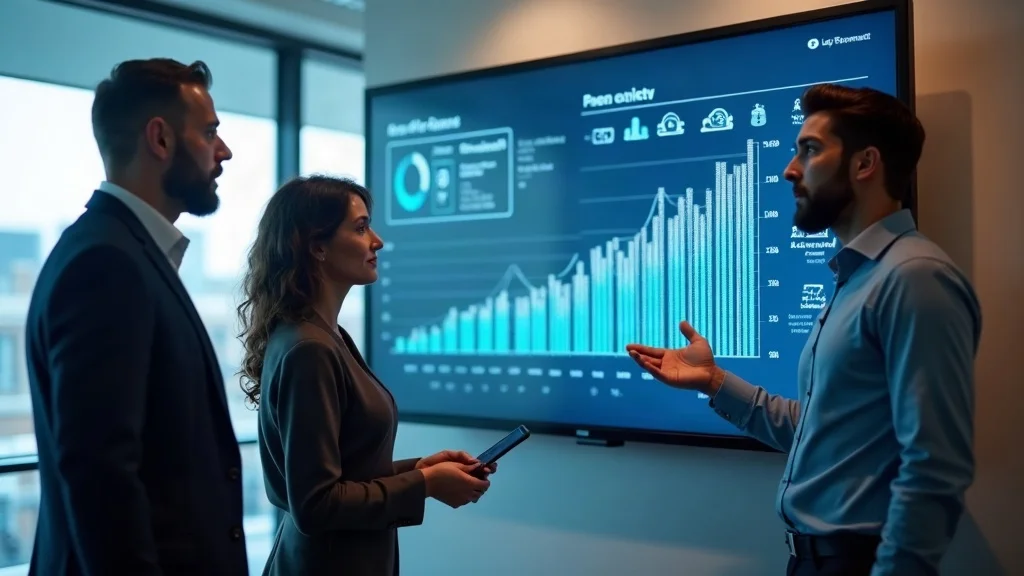
Team of professionals analyzing air quality data in Australian office, advancing sustainable living australia strategies
  • Conduct a workplace air quality audit with sustainability in mind
  • Collaborate across departments to implement wellness-centric policies
  • Communicate sustainability goals clearly to all team members
  • Measure impact through employee feedback and productivity metrics

Call to Action

Download Everwell Media's Sustainable Workplace Wellness Guide Today

The next leap in sustainable living australia lies just ahead. Simon Smith and Everwell Media invite you to ignite your organization’s wellness journey—one actionable step at a time. Equip your workplace with the insights, tools, and fresh perspectives that will help your business excel in both wellbeing and social responsibility. Download Everwell Media’s Sustainable Workplace Wellness Guide today and join the movement that is redefining Australian business success for 2026 and beyond.

Australian professional downloading Everwell Media

If you’re inspired to take your sustainability journey even further, consider how broader environmental initiatives can amplify your workplace efforts. Delving into campaigns like the EPA’s drive to reduce problem waste and protect communities can provide a strategic perspective on how collective action and responsible practices contribute to healthier, more resilient environments for everyone. Exploring these wider movements not only strengthens your organization’s impact but also positions your team at the forefront of Australia’s sustainable future.


Environment and Future

0 Views

0 Comments

Write A Comment

*
*
Please complete the captcha to submit your comment.
Related Posts All Posts
10.29.2026

Unlocking the Truth: How to Identify Natural Skincare Products

Update Decoding 'Natural' in Skincare: Your Ultimate GuideIn today's marketplace, skincare products proudly flaunt the terms "natural" and "clean". However, true transparency can seem elusive, often leading to consumer confusion. To navigate this landscape, the key lies in scrutinizing ingredient lists—an endeavor best articulated by Clean Nectarine founder Irene Falcone. In Australia, where ingredients aren’t regulated to guarantee their classification as 'natural', understanding what truly qualifies as such is crucial.Understanding Ingredient Lists: It’s All in the DetailsDo not be swayed by glossy labels or marketing jargon; the full ingredient list is your best friend. Ingredients are listed in descending order, with those present in the highest concentration at the top. For instance, common culprits lurking in supposedly 'natural' skincare are synthetic preservatives like phenoxyethanol and silicones like dimethicone. Falcone emphasizes this point, noting that many consumers overlook the importance of this detail. "Only by familiarizing yourself with these ingredients can you make truly informed decisions about what you apply to your skin," she recommends.Navigating the NO List: A Trusted ApproachAt Clean Nectarine, every product is rigorously checked against a stricter NO List, built upon Falcone's original vision from her first business, Nourished Life. This is crucial in ensuring that even one product containing a synthetic ingredient won't undermine the promise of purity that consumers seek. This hands-on approach allows consumers to choose products that truly align with their values of sustainability and health. It's worth highlighting that consumers interested in natural skincare should follow brands that maintain similar standards.The Role of Certifications: What Consumers Should KnowWhile certifications like "organic" may sound reassuring, Falcone points out that these labels can still permit certain undesirable ingredients. Her firm stance against talc in any form illustrates her commitment to stricter regulations. The recent review by the ACCC (Australian Competition and Consumer Commission) also found that many Australian beauty brands make questionable environmental claims. Thus, while certifications are valuable, they are not infallible. Consumers are encouraged to do their own research on brands, and not rely solely on certification logos.Future Trends in Natural Skincare: What Lies Ahead?As consumer demand for transparent ingredients rises, brands must adapt by emphasizing authenticity. The clean beauty movement is more than a trend; it's a shift towards sustainability in various industries. Expect more companies to implement rigorous ingredient checks and clearly state their sourcing practices, ensuring that consumers can easily identify products truly deserving of the "natural" label. Moreover, with advancements in biotechnology, new methods for sourcing and creating natural ingredients are likely to emerge, further enhancing product transparency.Common Misconceptions: Clearing the AirMany believe that using products labeled as "natural" means they are inherently safe. However, this isn’t the case, as the term is not universally regulated. Awareness campaigns highlighting this issue may well be the future of skincare education, aiming to empower consumers with knowledge. As consumers, it is increasingly important to not take marketing at face value. Engaging with brands on social media platforms can also provide insight into their practices.Conclusion: Take Control of Your Skincare ChoicesThe journey towards natural skincare can seem daunting, but it doesn't have to be. Keep your eyes peeled for ingredients that resonate with your values, and don't hesitate to ask questions. As you scrutinize labels more effectively, you can shop smarter, ensuring that your choices not only benefit your skin but also align with your commitment to sustainable living. Remember, informed consumers drive demand for better practices in the beauty industry, making your voice a powerful tool for change.Join the sustainable skincare movement and make informed choices for a healthier tomorrow.

10.25.2026

Sustainable Living in Australia: How Businesses Can Lead on Environmental Impact Reduction

Sustainable living Australia has moved well beyond eco-labels and paperless memos—it is now a movement that reshapes how businesses operate, attract talent, and nurture workforce health. In the rapidly evolving landscape of workplace wellness, the indoor environment has emerged as a crucial—but often overlooked—lever for both competitive advantage and responsible environmental impact reduction. For today's marketing directors, HR leaders, business analysts, and community managers, the office space itself can be either a source of hidden risk or a catalyst for productivity and brand integrity. Guiding us through this complex terrain is Simon Smith of Everwell Media, an independent voice in Australian media known for empowering business and community leaders with insights that transform good intentions into meaningful action. Simon’s mission—rooted in a commitment to Australian-centric problems and solutions—places the health, well-being, and lived experience of the employee at the centre of the sustainable business conversation. As Simon puts it simply, "If businesses can get the air quality and temperature balance right at work, they’ll see more engaged employees and fewer sick days — it’s a clear win-win. " Simon Smith on Sustainable Living Australia: The Imperative of Healthy Indoor Environments "If businesses can get the air quality and temperature balance right at work, they’ll see more engaged employees and fewer sick days — it’s a clear win-win." – Simon Smith, Everwell Media According to Simon Smith, addressing workplace wellness is no longer merely about ticking compliance boxes or boasting “green credentials. ” It’s about creating spaces where sustainable living Australia intersects with genuine human well-being. Smith emphasizes that modern workspaces—especially those in Australia’s urban centres—face unique challenges: “Many businesses overlook how sunlight through windows or the subtle problems in HVAC systems can directly influence focus, engagement, and long-term health. ” His experience with policy-makers, wellness experts, and front-line staff has given him a panoramic perspective: meaningful sustainability initiatives must go deeper, connecting everyday comfort with bioavailable wellness. For Simon, the reverse pyramid of modern wellness means starting with curiosity: encouraging business leaders to ask how physical environments affect biological signals—think air quality, light exposure, even humidity or seasonal temperature swings. The goal is not to instruct, but to explore how employees truly experience their workspace, closing the gap between “knowing” about indoor health and actually feeling well on a daily basis. The Hidden Cost of Poor Workplace Air Quality: Mold, Climate, and Employee Health Mold in Air Conditioning Systems: A Silent Threat to Sustainable Workspaces "A lot of commercial air conditioners get found with mold, and that can impact people’s health considerably." – Simon Smith, Everwell Media Simon Smith highlights a critical yet underestimated issue in Australian workplaces: the insidious presence of mold in air conditioning systems. “It’s not uncommon for maintenance crews to discover mold thriving in hidden HVAC ducts,” he observes. Left unchecked, this silent threat can undermine sustainable living Australia efforts by contributing to respiratory illnesses, chronic allergies, and unexplained absenteeism among staff. Importantly, Smith notes, “it’s not about scaring business owners—it’s about understanding that these invisible factors have a tangible impact on bottom-line productivity and worker morale. ” While energy-efficient cooling is a hallmark of eco-friendly buildings, the unintended side effect—if not regularly inspected—is the proliferation of air-borne pathogens. As Smith explains, sustainable business practice must include proactive management of indoor air, not just energy bills or carbon output. The path to truly “green” offices starts inside, with regular inspections, employee awareness, and a willingness to invest in cleaner, safer environments that pay dividends through improved well-being and engagement. Addressing these hidden environmental risks aligns closely with broader community health initiatives. For example, the EPA’s campaign to reduce problem waste highlights how proactive environmental management in workplaces can contribute to healthier communities and set a standard for responsible business practices across Australia. Balancing Indoor Climate: Overcoming Sunlight Glare and Uneven Temperatures "Employees next to sunny windows suffer from glare and overheating, pushing up air con use and creating discomfort elsewhere in the building." – Simon Smith, Everwell Media Smith’s experience with office planning in Australia’s sun-drenched cities brings attention to another recurring challenge: balancing temperature and sunlight. “Desk workers facing western windows often squint at screens and overheat, while those on the shady side freeze from cranked-up air conditioning,” he explains. Rather than a technical afterthought, this daily reality shapes everything from productivity to team morale. The latest studies confirm: physical discomfort from uneven climate is a leading driver of disengagement, even when wellness programs are technically available. According to Simon Smith, smart companies see this as more than HVAC maintenance. Addressing glare and temperature is just as much about sustainability as reducing waste or switching to LED lighting. Thoughtful interventions—like zoned temperature controls, smart glass, or strategic landscaping—do more than ease complaints. They make sustainable living Australia a lived, felt experience, and demonstrate to staff that leadership values both future-facing stewardship and everyday comfort. Why Sustainable Living Australia Means Investing in Employee Wellness Reducing Absenteeism and Boosting Productivity Through Environmental Care Improved air quality reduces respiratory issues Balanced temperature control minimizes employee discomfort A healthier workspace fosters stronger employee engagement Lower sick leave reduces business costs Enhanced brand reputation through sustainable business practices Smith underscores how sustainable living Australia is not only a matter of climate action—it’s a direct driver of core business metrics. According to Simon Smith, companies that address environmental factors experience “less sick leave and more worker engagement—both of which directly correlate to profitability and a reputation as an employer of choice. ” Improvements such as cleaner air, reduced glare, and ergonomic temperature controls result in fewer days lost to illness and stronger workplace communities, directly impacting an organisation’s bottom line. A healthier environment also serves as a market differentiator, especially for sought-after talent and partners who increasingly scrutinise a brand's real commitment to sustainability and staff well-being. “Australian businesses have an opportunity to lead by example,” says Smith, “not just for the benefit of their people, but for future generations who will inherit these workplaces and the standards they set. ” Expert Tips: Small Changes with Big Sustainable Impact Regular inspection and cleaning of air conditioning systems to prevent mold growth Implementing window treatments or smart glass to reduce glare and heat Creating zones for temperature control to suit different workspace needs Educating employees on signs of poor air quality and wellness connections Integrating plant-based and natural lifestyle inputs in workplace wellness programs According to Simon Smith, “big change starts small. ” He recommends that leaders begin with pragmatic steps: schedule air con maintenance; swap standard blinds for advanced window film; empower employees to signal discomfort before minor issues become chronic problems. Even subtle shifts—like introducing more indoor plants, natural materials, or encouraging movement breaks—can foster what Smith calls “biological connection,” helping staff notice when something in their environment feels off. Simon Smith encourages exploring plant-based traditions and their roles in everyday wellness—from indoor greenery that improves air quality to food programs supporting energy and mood. He highlights that these shifts aren’t simply “add-ons”: they’re powerful tools for rebuilding the lost connections between people and their working environments—connections that are too often eroded by modern workloads and digital distractions. Context: The Australian Sustainability Landscape and Workplace Wellness Trends The backdrop to these changes is a transforming Australian sustainability landscape. With green building standards on the rise and legislative pressure mounting, businesses are expected to do more than just report on emissions—they are charged with continually innovating the lived experience of their workforce. As Simon Smith frequently points out, sustainable living Australia is as much about cultural momentum as it is about regulatory compliance; it calls for strategies that honour Australian conditions, from climate to community values. Emerging workplace wellness trends increasingly favour bioinformed and culturally relevant approaches: “It’s not enough to offer generic wellness perks or reactive sick leave policies,” Smith explains. The new paradigm is about proactive environmental care—enabling each employee to thrive by tuning into their biological signals and encouraging curiosity, rather than passively receiving instructions. Bridging the Gap Between Knowing and Feeling Well in Modern Workplaces Traditional Workplace Wellness Sustainable Living Australia Approach Focus on physical health only Incorporates air quality, light exposure, and stress reduction Reactive health measures Proactive environmental impact reduction Generic wellness programs Culturally relevant and biologically informed strategies Limited employee engagement Encourages curiosity and personal exploration of wellness This shift from “knowing” to “feeling well” lies at the heart of the sustainable living Australia movement. Simon Smith says, “when businesses bridge that gap, they don’t just comply—they lead. ” The implication for business leaders is clear: sustainable strategies should be living, breathing systems that adapt to feedback—not rote checklists imposed from above. In Simon’s view, fostering curiosity helps employees reconnect with what their bodies are telling them—enabling earlier interventions, greater engagement, and ultimately, stronger environmental performance. Smith believes that this conversation is about more than just health—it’s about nurturing a responsive corporate culture. “If employees are invited to notice and share their well-being signals, the organisation benefits from a continuous cycle of improvement, deeply rooted in real human experience and environmental care. ” Why Curiosity and Exploration are Essential in Sustainable Wellness Conversations For Smith, the missing ingredient in most wellness strategies is curiosity. He stresses that knowledge alone doesn’t drive change—“People need permission and space to explore how the workplace really makes them feel. ” By replacing rigid instructions with questions and opportunities for discovery, forward-thinking businesses can nurture more meaningful relationships between teams and their environments. Plant-based lifestyle inputs, such as nutrition talks or hands-on wellbeing workshops, become effective only when employees are curious about their own responses, not merely consuming information. This isn’t just theory; Simon Smith has observed firsthand how wellness outcomes improve when companies cultivate a culture of curiosity. “When you encourage staff to notice discomfort or offer suggestions, you unlock a level of engagement that can’t be matched through top-down mandates,” he explains. In 2026, where adaptability and staff retention rule, this approach shapes a resilient, sustainable organisation—one where climate action and employee wellness progress hand in hand. Key Takeaway: Sustainable living in Australian workplaces thrives when businesses embrace exploration over instruction, nurturing curiosity to reconnect employees with their well-being signals. Closing Thoughts: How Business Leaders Can Pioneer Sustainable Workplace Wellness Simon Smith's Final Take "The businesses that lead sustainable living are those that prioritize environment and wellness as intertwined — creating spaces employees love while cutting environmental impact." – Simon Smith, Everwell Media As Simon Smith of Everwell Media makes clear, the future of sustainable living Australia rests on our willingness to break with convention and lead with empathy. “The workplaces of tomorrow will be measured by how well they harmonise people’s biological needs with environmental responsibility,” he shares. Australian leaders who foster dynamic exploration—rather than static instruction—will not only cement their organisations as green innovators, but as communities where employees flourish. Next Steps for Marketing Directors, HR Leaders, and Corporate Communications Officers For those at the helm—marketing directors, HR professionals, community, and event leaders—the time for incremental change is now. Start by listening: survey staff, audit physical environments, and invite co-creation in wellness initiatives. Encourage discussion of discomfort, and above all, prioritise environmental strategies that resonate with your team’s lived experience. Next, invest in both the obvious and the overlooked: from top-tier air filtration to thoughtful day-lighting, plant integration, and bioinformed wellness activities. Make “sustainable living Australia” not just a brand claim, but a palpable reality employees feel empowered to shape and share. In the end, pioneering sustainable workplace wellness is a journey—not a checklist. As Simon Smith advises, choose exploration, nurture curiosity, and let well-being be a shared, evolving story at the heart of your organisation’s future. If you’re inspired to take your sustainability efforts even further, consider how your workplace initiatives can ripple out to benefit the wider community. Exploring campaigns like the EPA’s drive to reduce problem waste and protect community health can offer valuable perspective on the interconnectedness of business practices and societal well-being. By aligning your internal wellness strategies with broader environmental action, your organisation can become a true leader in both workplace transformation and community impact. The next step is to see your office not just as a place of work, but as a catalyst for positive change across Australia.

08.28.2026

Discover How Sustainable Living Australia Transforms Your Life

A vibrant Australian cityscape reflecting the essence of sustainable living—lush green rooftops, solar panels, and a thriving community in an eco-friendly business district. In an era when environmental consciousness is no longer optional, sustainable living Australia emerges not just as a trend but as a transformational force in business and community leadership. At the forefront of this change is Simon Smith of Everwell Media, a pioneering voice championing Australian stories that blend innovation, cultural tradition, and real-world impact. For marketing directors, business analysts, HR leaders, community managers, event planners, and corporate communications officers, the question is not simply how to stay compliant, but how to lead authentically in sustainability and spark a movement that endures. In this exploration, guided by Simon’s insights and Everwell Media’s values, we’ll uncover practical ways to weave sustainable living into your organisation and community—turning knowledge into lived, lasting transformation. Simon Smith’s Core Thesis: Why Sustainable Living Australia is a Game-Changer for Business and Community Leaders "Sustainable living in Australia isn’t just about the environment; it’s a transformative approach that reshapes how businesses and communities coexist and thrive." — Simon Smith, Everwell Media According to Simon Smith, sustainable living in Australia is fundamentally about more than energy efficiency or recycling. It is a lived philosophy that renews how businesses and communities interact, fostering deeper connections and genuine engagement at every level. By embracing this approach, business leaders are no longer simply reacting to regulatory pressures, but are actively shaping their organisational cultures into models of inclusivity, well-being, and resilience. This shift isn’t merely theoretical—it’s visible in organisations that thrive by prioritising sustainability as a core value, where the benefits ripple far beyond environmental impact to touch employee engagement, community trust, and long-term brand health. Smith frequently highlights that Australia’s unique blend of cultural heritage and ecological diversity offers an unparalleled opportunity for reinvention. When sustainable living Australia becomes a shared ethos, it catalyses fresh collaborations between businesses and community groups—transforming neighbourhoods into intelligent, adaptive eco-systems. These alliances are not only good for the planet; they give rise to a sense of purpose that fuels innovation and positions businesses as authentic leaders in the eyes of both consumers and employees. Integrating Sustainable Living Australia Into Corporate Strategy: Insights for Marketing Directors and HR Leaders "Embedding sustainability into business culture leads not only to greener practices but also to more engaged teams and authentic communications." — Simon Smith, Everwell Media For decision-makers in marketing and human resources, weaving sustainable living Australia into corporate DNA is no longer ancillary—it’s central to future-proofing your brand. As Simon Smith points out, companies that move beyond superficial 'greenwashing' and genuinely integrate sustainability into their operations see profound shifts in workforce morale and public perception. Initiatives might include employee-led sustainability councils, transparent reporting on environmental goals, and campaigns that invite authentic employee storytelling around environmental initiatives. This approach not only inspires trust with external audiences, but also engages teams internally, instilling a lasting sense of shared ownership and pride. In the competitive Australian market, where consumers and job-seekers alike are seeking meaning and ethics in organisational behaviour, such transformations deliver measurable returns. According to Smith, when businesses authentically embody sustainable living principles, they naturally foster a culture of transparency and curiosity—key ingredients for creative problem-solving and robust risk management. The result? A workforce not just motivated to perform, but inspired to innovate for a sustainable future, amplifying both brand loyalty and operational agility. As organisations look to deepen their environmental impact, it’s valuable to consider how targeted campaigns can drive community-wide change. For example, the EPA’s recent initiative to reduce problem waste across Australia offers practical lessons in mobilising collective action and protecting public health—discover more about this approach in the EPA campaign to reduce problem waste and protect communities. Plant-Based Traditions and their Role in Modern Sustainable Lifestyles Plant-based traditions in Australia: a modern communal meal that honors heritage, health, and environmental stewardship. Delving into Australia’s rich tapestry of plant-based traditions, Smith underscores how these historical dietary patterns inform contemporary sustainability. From Indigenous bush foods to multicultural influences, Australia’s culinary evolution offers a living toolkit for sustainable practices. Modern community gatherings and workplace events that feature plant-based options don’t just reduce environmental impact—they also bring people together, bridging generational and cultural divides over wholesome, locally sourced food. This collective exploration, as Smith emphasizes, is less about prescribing strict menus and more about rediscovering a shared curiosity in food and its origins, setting the stage for deeper cultural engagement and mutual thriving. Business leaders and community managers who ground their initiatives in plant-based traditions create authentic narratives that resonate with both employees and the broader community. According to Smith, these stories become vehicles for cultural pride and environmental stewardship, signaling genuine commitment far beyond the superficial. By making sustainability about discovery and celebration rather than sacrifice, organisations foster lasting behaviour change and inspire continued participation, shaping what it truly means to embrace sustainable living Australia. Lifestyle Inputs: How Food Quality, Light Exposure, Movement, and Stress Influence Sustainability Choices Smith is quick to point out that the landscape of sustainable living stretches far beyond food choices alone. The quality of our food, the attention we pay to natural light, our movement patterns, and our response to stress—each is a critical lifestyle input that shapes not just wellness, but environmental impact. Leaders attuned to these factors offer teams and communities a more holistic path forward. For example, encouraging flexible workspaces with abundant natural light, promoting mindful movement breaks during events, and normalising dialogue around stress management are actionable steps that reverberate in both individual and organisational sustainability metrics. By paying attention to these core wellness drivers, businesses and communities do more than tick boxes—they nurture environments where sustainable choices are intuitive rather than forced. As Simon Smith notes, empowering individuals to connect with these basic human needs returns us to what truly sustains well-being, making sustainability a lived experience, not a checklist. This approach grounds your organisation as forward-thinking and genuinely human-centric in its commitment to sustainable living Australia. Closing the Gap: From Knowing to Feeling Well Through Sustainable Living Practices Sustainable living in practice: a sunlit Australian home interior creating space for genuine well-being and connection. "Modern life often disconnects us from our biological signals, and sustainable living reconnects us through curiosity and exploration rather than rigid instruction." — Simon Smith, Everwell Media One of Simon Smith’s most provocative insights is that, for many Australians, the real challenge isn’t a lack of information about sustainability—it’s the disconnect between knowing and feeling well. Fast-paced, modern life tunes us out from signals like hunger, satisfaction, tiredness, or the need for sunlight, leaving us adrift in routines guided by convenience rather than care. Smith’s perspective is that true sustainable living is not about following more rules, but about rediscovering curiosity: what would it feel like to reconnect daily habits with our biological needs and rhythms? This paradigm invites leaders to craft interventions rooted in exploration—not instruction—where individuals are encouraged to notice, experiment, and reflect alongside their peers. According to Smith, closing this gap demands that community managers and event planners create environments that nurture reflection and curiosity. For instance, event settings that prioritize natural light and mindful food choices invite participants to engage their senses, building collective curiosity and enhancing well-being. In this way, sustainable living becomes an ongoing community conversation—one that draws people in through shared experiences, rather than pushing them away with rigid do’s and don’ts. The Critical Difference Between Bioavailability and Consumption in Sustainable Practices Every bite counts: bioavailability of nutrients in Australian produce underpins both personal wellness and environmental sustainability. Smith makes a powerful distinction between consumption and bioavailability—the real measure of what our bodies absorb from food and the environment. According to Smith, it’s not enough to merely consume high-quality, local produce; what matters most is how well our bodies can actually access and use those nutrients. For sustainability leaders, this insight translates into education campaigns and wellness initiatives that focus on absorptive health rather than just ‘eating well. ’ Grounding these efforts in Australia’s farm-to-table heritage, and respecting the nuanced needs of different communities, makes actions genuinely impactful. This mindset shift—away from consumption alone and toward deeper awareness of bioavailability—challenges leaders to think more broadly about what it means to nurture both individual and planetary health. Empowering employees and community members with these understandings places sustainable living front and centre as a shared, evolving practice, rather than a box-ticking exercise. Smith’s view is that this kind of thoughtful curiosity is what drives real transformation in the Australian context. Why Curiosity Needs to Drive Conversations about Health and Environment Perhaps one of Simon Smith’s most resonant messages is the need to replace prescriptive sustainability conversations with those rooted in curiosity. Smith notes that when leaders create space for honest exploration—inviting questions, stories, and experimentation—both businesses and communities flourish. This shift away from ‘telling’ and toward ‘discovering’ not only empowers individuals, but cultivates environmental stewardship that feels personal and authentic. Especially for younger generations demanding greater agency and meaning in their lives and work, curiosity-driven sustainability engagement sparks a culture of co-creation and shared progress. As Simon Smith articulates, “Curiosity is ultimately the bridge between knowing and transforming. When we invite exploration, people feel respected, involved, and inspired. ” For every leader, making curiosity a pillar of wellbeing and environmental strategy opens the door to lasting cultural change—ensuring that sustainability in Australia remains both relevant and resilient for generations to come. Practical Strategies for Community Managers and Event Planners to Amplify Environmental Impact Reduction Leverage local plant-based traditions to enhance cultural engagement Incorporate participating activities that focus on lifestyle wellness inputs Promote awareness through storytelling that fosters a connection with biological rhythms Facilitate events and campaigns grounded in exploration and shared experiences Australian communities in action: eco-friendly events that spark engagement and reduce environmental impact. Moving from vision to action, Simon Smith offers tangible strategies for event planners and community managers eager to embed sustainable living Australia into their programming. Initiatives anchored in local plant-based traditions not only shape environmentally mindful habits, but also celebrate cultural identities and spark organic participation. By weaving wellness practices—like mindful eating, movement, and stress reduction—into the fabric of community gatherings, leaders facilitate richer collective experiences that reinforce sustainability. Storytelling plays a vital role in these strategies: events that share narratives around reconnecting with biological rhythms and traditions generate memorable impact. Smith regularly reminds leaders that engagement flourishes when individuals are invited to co-create, experiment, and explore together. This shared journey not only drives meaningful environmental impact reduction but also forges lasting community bonds, ensuring Australia’s sustainability movement is both inclusive and enduring. Key Takeaways: How Sustainable Living Australia Creates Lasting Change Across Sectors Sustainable living fosters stronger corporate culture and community bonds Environmental impact reduction is achievable through integrating ancient wisdom and modern science Curiosity-driven exploration is essential to bridging knowledge and well-being Practical application tailored to Australian cultural contexts maximizes relevance and impact These takeaways underline the undeniable value sustainable living Australia brings to every sector—from energizing corporate culture to knitting resilient communities. As Smith’s approach illustrates, lasting transformation happens when we root our strategies in both tradition and innovation, championing curiosity and exploration at every turn. According to Simon Smith, integrating these elements within Australia’s diverse landscape empowers leaders to operate at the intersection of cultural relevance, operational success, and environmental stewardship. This synthesis builds adaptive organisations and communities ready to thrive in a future defined by meaningful change. Why Everwell Media Champions a Thoughtful, Exploration-First Approach to Sustainability "At Everwell Media, our mission is to empower Australians to explore sustainable living thoughtfully — not be told what to do — unlocking deeper connection and meaningful change." — Simon Smith, Everwell Media Central to Everwell Media’s philosophy, as voiced by Simon Smith, is the conviction that genuine progress in sustainable living Australia is unlocked through exploration—not authority. Encouraging individuals and organisations to seek, question, and try new practices cultivates a culture of agency, inclusion, and resilience. This approach inspires not just compliance, but genuine excitement and commitment—fostering breakthroughs that reach far beyond the environmental sector. In championing an exploration-first mindset, Everwell Media ensures that its readers—and all Australians—have the tools, stories, and confidence to make sustainability a personal, collective, and continually evolving journey. For leaders hoping to spark real transformation, this ethos offers a blueprint for lasting, meaningful impact. Transform Your Approach to Sustainable Living Australia Today Sustainable living Australia is more than a checklist; it is an unfolding movement powered by tradition, curiosity, and connected leadership. As Simon Smith has shown, the path to authentic change lies not in strict adherence, but in open-minded exploration—where each step forward is an invitation to learn, share, and grow in community. For Australian business and community leaders, transformation begins with one question: How might today’s actions unlock tomorrow’s well-being for both people and planet? Ready to amplify your impact? Visit Everwell Media to access more expert insights and practical tools, and begin your journey toward a more sustainable—and truly empowered—future. If you’re inspired to take your sustainability journey even further, consider exploring how coordinated campaigns and policy-driven initiatives can accelerate positive change across entire communities. The EPA’s campaign to reduce problem waste is a compelling example of how strategic action can protect public health and foster environmental stewardship on a larger scale. By learning from these broader efforts, you can uncover new ways to amplify your own impact—whether as a business leader, community organiser, or engaged citizen. Dive deeper into the intersection of sustainability and community health by reading about the EPA’s approach to reducing problem waste and safeguarding Australian communities, and discover actionable insights to elevate your leadership in sustainability.

Everwell Media Logo

Independent stories people actually talk about

  • Everwell Media Facebook Community
  • Everwell Media Youtube Channel
  • Instagram Community

COMPANY

  • Privacy Policy
  • Terms of Use
  • Advertise
  • Contact Us
  • Menu 5
  • Menu 6


ABOUT US

Everwell Media is an independent news site covering business, lifestyle, health, and community stories across Australia. Our mission is to share smart, shareable stories that spark conversations and connect people with ideas that matter.

© 2026 Everwell Media All Rights Reserved. Mariners Cove, Mandurah, WA 6210 . Contact Us . Terms of Service . Privacy Policy

eyJjb21wYW55IjoiRXZlcndlbGwgTWVkaWEiLCJhZGRyZXNzIjoiTWFyaW5lcnMgQ292ZSIsImNpdHkiOiJNYW5kdXJhaCIsInN0YXRlIjoiV0EiLCJ6aXAiOiI2MjEwIiwiZW1haWwiOiJzaW1vbkBhYnNvbHV0ZWxvY2FsLmNvbS5hdSIsInRvcyI6IlBIQStQSE4wY205dVp6NDhaVzArVjJobGJpQjViM1VnYzJsbmJpMXBiaUIzYVhSb0lIVnpMQ0I1YjNVZ1lYSmxJR2RwZG1sdVp5WnVZbk53T3lCNWIzVnlJSEJsY20xcGMzTnBiMjRnWVc1a0lHTnZibk5sYm5RZ2RHOGdjMlZ1WkNCNWIzVWdaVzFoYVd3Z1lXNWtMMjl5SUZOTlV5QjBaWGgwSUcxbGMzTmhaMlZ6TGlCQ2VTQmphR1ZqYTJsdVp5QjBhR1VnVkdWeWJYTWdZVzVrSUVOdmJtUnBkR2x2Ym5NZ1ltOTRJR0Z1WkNCaWVTQnphV2R1YVc1bklHbHVJSGx2ZFNCaGRYUnZiV0YwYVdOaGJHeDVJR052Ym1acGNtMGdkR2hoZENCNWIzVWdZV05qWlhCMElHRnNiQ0IwWlhKdGN5QnBiaUIwYUdseklHRm5jbVZsYldWdWRDNDhMMlZ0UGp3dmMzUnliMjVuUGp3dmNENEtDanh3UGp4aElHaHlaV1k5SW1oMGRIQTZMeTkzZDNjdVoyOXZaMnhsTG1OdmJTSSthSFIwY0RvdkwzZDNkeTVuYjI5bmJHVXVZMjl0UEM5aFBqd3ZjRDRLQ2p4d1BpWnVZbk53T3p3dmNENEtDanh3UGp4emRISnZibWMrVTBWU1ZrbERSVHd2YzNSeWIyNW5Qand2Y0Q0S0NqeHdQbGRsSUhCeWIzWnBaR1VnWVNCelpYSjJhV05sSUhSb1lYUWdZM1Z5Y21WdWRHeDVJR0ZzYkc5M2N5QjViM1VnZEc4Z2NtVmpaV2wyWlNCeVpYRjFaWE4wY3lCbWIzSWdabVZsWkdKaFkyc3NJR052YlhCaGJua2dhVzVtYjNKdFlYUnBiMjRzSUhCeWIyMXZkR2x2Ym1Gc0lHbHVabTl5YldGMGFXOXVMQ0JqYjIxd1lXNTVJR0ZzWlhKMGN5d2dZMjkxY0c5dWN5d2daR2x6WTI5MWJuUnpJR0Z1WkNCdmRHaGxjaUJ1YjNScFptbGpZWFJwYjI1eklIUnZJSGx2ZFhJZ1pXMWhhV3dnWVdSa2NtVnpjeUJoYm1RdmIzSWdZMlZzYkhWc1lYSWdjR2h2Ym1VZ2IzSWdaR1YyYVdObExpQlpiM1VnZFc1a1pYSnpkR0Z1WkNCaGJtUWdZV2R5WldVZ2RHaGhkQ0IwYUdVZ1UyVnlkbWxqWlNCcGN5QndjbTkyYVdSbFpDQW1jWFZ2ZER0QlV5MUpVeVp4ZFc5ME95QmhibVFnZEdoaGRDQjNaU0JoYzNOMWJXVWdibThnY21WemNHOXVjMmxpYVd4cGRIa2dabTl5SUhSb1pTQjBhVzFsYkdsdVpYTnpMQ0JrWld4bGRHbHZiaXdnYldsekxXUmxiR2wyWlhKNUlHOXlJR1poYVd4MWNtVWdkRzhnYzNSdmNtVWdZVzU1SUhWelpYSWdZMjl0YlhWdWFXTmhkR2x2Ym5NZ2IzSWdjR1Z5YzI5dVlXeHBlbUYwYVc5dUlITmxkSFJwYm1kekxqd3ZjRDRLQ2p4d1BsbHZkU0JoY21VZ2NtVnpjRzl1YzJsaWJHVWdabTl5SUc5aWRHRnBibWx1WnlCaFkyTmxjM01nZEc4Z2RHaGxJRk5sY25acFkyVWdZVzVrSUhSb1lYUWdZV05qWlhOeklHMWhlU0JwYm5admJIWmxJSFJvYVhKa0lIQmhjblI1SUdabFpYTWdLSE4xWTJnZ1lYTWdVMDFUSUhSbGVIUWdiV1Z6YzJGblpYTXNJRWx1ZEdWeWJtVjBJSE5sY25acFkyVWdjSEp2ZG1sa1pYSWdiM0lnWTJWc2JIVnNZWElnWVdseWRHbHRaU0JqYUdGeVoyVnpLUzRnV1c5MUlHRnlaU0J5WlhOd2IyNXphV0pzWlNCbWIzSWdkR2h2YzJVZ1ptVmxjeXdnYVc1amJIVmthVzVuSUhSb2IzTmxJR1psWlhNZ1lYTnpiMk5wWVhSbFpDQjNhWFJvSUhSb1pTQmthWE53YkdGNUlHOXlJR1JsYkdsMlpYSjVJRzltSUdWaFkyZ2dVMDFUSUhSbGVIUWdiV1Z6YzJGblpTQnpaVzUwSUhSdklIbHZkU0JpZVNCMWN5NGdTVzRnWVdSa2FYUnBiMjRzSUhsdmRTQnRkWE4wSUhCeWIzWnBaR1VnWVc1a0lHRnlaU0J5WlhOd2IyNXphV0pzWlNCbWIzSWdZV3hzSUdWeGRXbHdiV1Z1ZENCdVpXTmxjM05oY25rZ2RHOGdZV05qWlhOeklIUm9aU0JUWlhKMmFXTmxJR0Z1WkNCeVpXTmxhWFpsSUhSb1pTQlRUVk1nZEdWNGRDQnRaWE56WVdkbGN5NGdWMlVnWkc4Z2JtOTBJR05vWVhKblpTQmhibmtnWm1WbGN5Qm1iM0lnWkdWc2FYWmxjbmtnYjJZZ1pXMWhhV3dnYjNJZ1UwMVRMaUJVYUdseklHbHpJR0VnWm5KbFpTQnpaWEoyYVdObElIQnliM1pwWkdWa0lHSjVJSFZ6TGlCSWIzZGxkbVZ5TENCd2JHVmhjMlVnWTJobFkyc2dkMmwwYUNCNWIzVnlJR2x1ZEdWeWJtVjBJSE5sY25acFkyVWdjSEp2ZG1sa1pYSWdZVzVrSUdObGJHeDFiR0Z5SUdOaGNuSnBaWElnWm05eUlHRnVlU0JqYUdGeVoyVnpJSFJvWVhRZ2JXRjVJR2x1WTNWeUlHRnpJR0VnY21WemRXeDBJR1p5YjIwZ2NtVmpaV2wyYVc1bklHVnRZV2xzSUdGdVpDQlRUVk1nZEdWNGRDQnRaWE56WVdkbGN5QjBhR0YwSUhkbElHUmxiR2wyWlhJZ2RYQnZiaUI1YjNWeUlHOXdkQzFwYmlCaGJtUWdjbVZuYVhOMGNtRjBhVzl1SUhkcGRHZ2diM1Z5SUdWdFlXbHNJR0Z1WkNCVFRWTWdjMlZ5ZG1salpYTXVJRmx2ZFNCallXNGdZMkZ1WTJWc0lHRjBJR0Z1ZVNCMGFXMWxMaUJLZFhOMElIUmxlSFFnSm5GMWIzUTdVMVJQVUNaeGRXOTBPeUIwYnladVluTndPenhvYVdkb2JHbG5hSFFnWTJ4aGMzTTlJbU52YlhCaGJubFRUVk5RYUc5dVpWVndaR0YwWlNJK2JuVnNiRHd2YUdsbmFHeHBaMmgwUGk0Z1FXWjBaWElnZVc5MUlITmxibVFnZEdobElGTk5VeUJ0WlhOellXZGxJQ1p4ZFc5ME8xTlVUMUFtY1hWdmREc2dkRzhnZFhNc0lIZGxJSGRwYkd3Z2MyVnVaQ0I1YjNVZ1lXNGdVMDFUSUcxbGMzTmhaMlVnZEc4Z1kyOXVabWx5YlNCMGFHRjBJSGx2ZFNCb1lYWmxJR0psWlc0Z2RXNXpkV0p6WTNKcFltVmtMaUJCWm5SbGNpQjBhR2x6TENCNWIzVWdkMmxzYkNCdWJ5QnNiMjVuWlhJZ2NtVmpaV2wyWlNCVFRWTWdiV1Z6YzJGblpYTWdabkp2YlNCMWN5NDhMM0ErQ2dvOGNENDhjM1J5YjI1blBsbFBWVklnVWtWSFNWTlVVa0ZVU1U5T0lFOUNURWxIUVZSSlQwNVRQQzl6ZEhKdmJtYytQQzl3UGdvS1BIQStTVzRnWTI5dWMybGtaWEpoZEdsdmJpQnZaaUI1YjNWeUlIVnpaU0J2WmlCMGFHVWdVMlZ5ZG1salpTd2dlVzkxSUdGbmNtVmxJSFJ2T2p3dmNENEtDanh2YkQ0S0NUeHNhVDV3Y205MmFXUmxJSFJ5ZFdVc0lHRmpZM1Z5WVhSbExDQmpkWEp5Wlc1MElHRnVaQ0JqYjIxd2JHVjBaU0JwYm1admNtMWhkR2x2YmlCaFltOTFkQ0I1YjNWeWMyVnNaaUJoY3lCd2NtOXRjSFJsWkNCaWVTQjBhR1VnVTJWeWRtbGpaU1lqTXprN2N5QnlaV2RwYzNSeVlYUnBiMjRnWm05eWJTQW9jM1ZqYUNCcGJtWnZjbTFoZEdsdmJpQmlaV2x1WnlCMGFHVWdKbkYxYjNRN1VtVm5hWE4wY21GMGFXOXVJRVJoZEdFbWNYVnZkRHNwSUdGdVpEd3ZiR2srQ2drOGJHaytiV0ZwYm5SaGFXNGdZVzVrSUhCeWIyMXdkR3g1SUhWd1pHRjBaU0IwYUdVZ1VtVm5hWE4wY21GMGFXOXVJRVJoZEdFZ2RHOGdhMlZsY0NCcGRDQjBjblZsTENCaFkyTjFjbUYwWlN3Z1kzVnljbVZ1ZENCaGJtUWdZMjl0Y0d4bGRHVXVJRWxtSUhsdmRTQndjbTkyYVdSbElHRnVlU0JwYm1admNtMWhkR2x2YmlCMGFHRjBJR2x6SUhWdWRISjFaU3dnYVc1aFkyTjFjbUYwWlN3Z2JtOTBJR04xY25KbGJuUWdiM0lnYVc1amIyMXdiR1YwWlN3Z2IzSWdkMlVnYUdGMlpTQnlaV0Z6YjI1aFlteGxJR2R5YjNWdVpITWdkRzhnYzNWemNHVmpkQ0IwYUdGMElITjFZMmdnYVc1bWIzSnRZWFJwYjI0Z2FYTWdkVzUwY25WbExDQnBibUZqWTNWeVlYUmxMQ0J1YjNRZ1kzVnljbVZ1ZENCdmNpQnBibU52YlhCc1pYUmxMQ0IzWlNCb1lYWmxJSFJvWlNCeWFXZG9kQ0IwYnlCemRYTndaVzVrSUc5eUlEeHpkSEp2Ym1jK1BITndZVzRnYzNSNWJHVTlJbU52Ykc5eU9pTkdSakF3TURBN0lqNTBaWEp0YVc1aGRHVWdlVzkxY2lCaFkyTnZkVzUwTDNCeWIyWnBiR1VnWVc1a0lISmxablZ6WlNCaGJua2dZVzVrSUdGc2JDQmpkWEp5Wlc1MElHOXlJR1oxZEhWeVpTQjFjMlVnYjJZZ2RHaGxJRk5sY25acFkyVWdLRzl5SUdGdWVTQndiM0owYVc5dUlIUm9aWEpsYjJZcExqd3ZjM0JoYmo0OEwzTjBjbTl1Wno0OEwyeHBQZ284TDI5c1Bnb0tQSEErSm01aWMzQTdQQzl3UGdvOGFHbG5hR3hwWjJoMElHTnNZWE56UFNKamIyMXdZVzU1VG1GdFpWVndaR0YwWlNJK1JYWmxjbmRsYkd3Z1RXVmthV0U4TDJocFoyaHNhV2RvZEQ0OFluSWdMejRLUEdocFoyaHNhV2RvZENCamJHRnpjejBpWTI5dGNHRnVlVUZrWkhKbGMzTlZjR1JoZEdVaVBrMWhjbWx1WlhKeklFTnZkbVVzSUUxaGJtUjFjbUZvTENCWFFTQTJNakV3UEM5b2FXZG9iR2xuYUhRK1BHSnlJQzgrQ2p4b2FXZG9iR2xuYUhRZ1kyeGhjM005SW1OdmJYQmhibmxRYUc5dVpWVndaR0YwWlNJK0t6WXhOREE0T1RRMU1EUTRQQzlvYVdkb2JHbG5hSFErUEdKeUlDOCtDanhvYVdkb2JHbG5hSFFnWTJ4aGMzTTlJbU52YlhCaGJubEZiV0ZwYkZWd1pHRjBaU0krYzJsdGIyNUFZV0p6YjJ4MWRHVnNiMk5oYkM1amIyMHVZWFU4TDJocFoyaHNhV2RvZEQ0PSIsInByaXZhY3kiOiJQSEErUEhOMGNtOXVaejVRVWtsV1FVTlpQQzl6ZEhKdmJtYytQQzl3UGdvS1BIQStQSE4wY205dVp6NVVhR1VnYVc1bWIzSnRZWFJwYjI0Z2NISnZkbWxrWldRZ1pIVnlhVzVuSUhSb2FYTWdjbVZuYVhOMGNtRjBhVzl1SUdseklHdGxjSFFnY0hKcGRtRjBaU0JoYm1RZ1kyOXVabWxrWlc1MGFXRnNMQ0JoYm1RZ2QybHNiQ0J1WlhabGNpQmlaU0JrYVhOMGNtbGlkWFJsWkN3Z1kyOXdhV1ZrTENCemIyeGtMQ0IwY21Ga1pXUWdiM0lnY0c5emRHVmtJR2x1SUdGdWVTQjNZWGtzSUhOb1lYQmxJRzl5SUdadmNtMHVJRlJvYVhNZ2FYTWdiM1Z5SUdkMVlYSmhiblJsWlM0OEwzTjBjbTl1Wno0OEwzQStDZ284Y0Q0OGMzUnliMjVuUGtsT1JFVk5Ua2xVV1R3dmMzUnliMjVuUGp3dmNENEtDanh3UGp4bGJUNVpiM1VnWVdkeVpXVWdkRzhnYVc1a1pXMXVhV1o1SUdGdVpDQm9iMnhrSUhWekxDQmhibVFnYVhSeklITjFZbk5wWkdsaGNtbGxjeXdnWVdabWFXeHBZWFJsY3l3Z2IyWm1hV05sY25Nc0lHRm5aVzUwY3l3Z1kyOHRZbkpoYm1SbGNuTWdiM0lnYjNSb1pYSWdjR0Z5ZEc1bGNuTXNJR0Z1WkNCbGJYQnNiM2xsWlhNc0lHaGhjbTFzWlhOeklHWnliMjBnWVc1NUlHTnNZV2x0SUc5eUlHUmxiV0Z1WkN3Z2FXNWpiSFZrYVc1bklISmxZWE52Ym1GaWJHVWdZWFIwYjNKdVpYbHpKaU16T1RzZ1ptVmxjeXdnYldGa1pTQmllU0JoYm5rZ2RHaHBjbVFnY0dGeWRIa2daSFZsSUhSdklHOXlJR0Z5YVhOcGJtY2diM1YwSUc5bUlFTnZiblJsYm5RZ2VXOTFJSEpsWTJWcGRtVXNJSE4xWW0xcGRDd2djbVZ3Ykhrc0lIQnZjM1FzSUhSeVlXNXpiV2wwSUc5eUlHMWhhMlVnWVhaaGFXeGhZbXhsSUhSb2NtOTFaMmdnZEdobElGTmxjblpwWTJVc0lIbHZkWElnZFhObElHOW1JSFJvWlNCVFpYSjJhV05sTENCNWIzVnlJR052Ym01bFkzUnBiMjRnZEc4Z2RHaGxJRk5sY25acFkyVXNJSGx2ZFhJZ2RtbHZiR0YwYVc5dUlHOW1JSFJvWlNCVVQxTXNJRzl5SUhsdmRYSWdkbWx2YkdGMGFXOXVJRzltSUdGdWVTQnlhV2RvZEhNZ2IyWWdZVzV2ZEdobGNpNDhMMlZ0UGp3dmNENEtDanh3UGp4emRISnZibWMrUkVsVFEweEJTVTFGVWlCUFJpQlhRVkpTUVU1VVNVVlRQQzl6ZEhKdmJtYytQQzl3UGdvS1BIQStQSE4wY205dVp6NVpUMVVnUlZoUVVrVlRVMHhaSUZWT1JFVlNVMVJCVGtRZ1FVNUVJRUZIVWtWRklGUklRVlE2UEM5emRISnZibWMrUEM5d1Bnb0tQRzlzUGdvSlBHeHBQbGxQVlZJZ1ZWTkZJRTlHSUZSSVJTQlRSVkpXU1VORklFbFRJRUZVSUZsUFZWSWdVMDlNUlNCU1NWTkxMaUJVU0VVZ1UwVlNWa2xEUlNCSlV5QlFVazlXU1VSRlJDQlBUaUJCVGlBbWNYVnZkRHRCVXlCSlV5WnhkVzkwT3lCQlRrUWdKbkYxYjNRN1FWTWdRVlpCU1V4QlFreEZKbkYxYjNRN0lFSkJVMGxUTGlBc0xpQkJUa1FnVlZNc0lFbFVKaU16T1R0VElFTlZVMVJQVFVWU1V5d2dSVmhRVWtWVFUweFpJRVJKVTBOTVFVbE5VeUJCVEV3Z1YwRlNVa0ZPVkVsRlV5QlBSaUJCVGxrZ1MwbE9SQ3dnVjBoRlZFaEZVaUJGV0ZCU1JWTlRJRTlTSUVsTlVFeEpSVVFzSUVsT1EweFZSRWxPUnl3Z1FsVlVJRTVQVkNCTVNVMUpWRVZFSUZSUElGUklSU0JKVFZCTVNVVkVJRmRCVWxKQlRsUkpSVk1nVDBZZ1RVVlNRMGhCVGxSQlFrbE1TVlJaTENCR1NWUk9SVk5USUVaUFVpQkJJRkJCVWxSSlExVk1RVklnVUZWU1VFOVRSU0JCVGtRZ1RrOU9MVWxPUmxKSlRrZEZUVVZPVkM0OEwyeHBQZ29KUEd4cFBrMUJTMFZUSUU1UElGZEJVbEpCVGxSWklGUklRVlFnS0drcElGUklSU0JUUlZKV1NVTkZJRmRKVEV3Z1RVVkZWQ0JaVDFWU0lGSkZVVlZKVWtWTlJVNVVVeXdnS0dscEtTQlVTRVVnVTBWU1ZrbERSU0JYU1V4TUlFSkZJRlZPU1U1VVJWSlNWVkJVUlVRc0lGUkpUVVZNV1N3Z1UwVkRWVkpGTENCUFVpQkZVbEpQVWkxR1VrVkZMQ0FvYVdscEtTQlVTRVVnVWtWVFZVeFVVeUJVU0VGVUlFMUJXU0JDUlNCUFFsUkJTVTVGUkNCR1VrOU5JRlJJUlNCVlUwVWdUMFlnVkVoRklGTkZVbFpKUTBVZ1YwbE1UQ0JDUlNCQlEwTlZVa0ZVUlNCUFVpQlNSVXhKUVVKTVJTd2dRVTVFSUNocGRpa2dRVTVaSUVWU1VrOVNVeUJKVGlCVVNFVWdVMDlHVkZkQlVrVWdWMGxNVENCQ1JTQkRUMUpTUlVOVVJVUXVQQzlzYVQ0S0NUeHNhVDVCVGxrZ1RVRlVSVkpKUVV3Z1JFOVhUa3hQUVVSRlJDQlBVaUJQVkVoRlVsZEpVMFVnVDBKVVFVbE9SVVFnVkVoU1QxVkhTQ0JVU0VVZ1ZWTkZJRTlHSUZSSVJTQlRSVkpXU1VORklFbFRJRVJQVGtVZ1FWUWdXVTlWVWlCUFYwNGdSRWxUUTFKRlZFbFBUaUJCVGtRZ1VrbFRTeUJCVGtRZ1ZFaEJWQ0JaVDFVZ1YwbE1UQ0JDUlNCVFQweEZURmtnVWtWVFVFOU9VMGxDVEVVZ1JrOVNJRUZPV1NCRVFVMUJSMFVnVkU4Z1dVOVZVaUJEVDAxUVZWUkZVaUJUV1ZOVVJVMGdUMUlnVEU5VFV5QlBSaUJFUVZSQklGUklRVlFnVWtWVFZVeFVVeUJHVWs5TklGUklSU0JFVDFkT1RFOUJSQ0JQUmlCQlRsa2dVMVZEU0NCTlFWUkZVa2xCVEM0OEwyeHBQZ29KUEd4cFBrNVBJRUZFVmtsRFJTQlBVaUJKVGtaUFVrMUJWRWxQVGl3Z1YwaEZWRWhGVWlCUFVrRk1JRTlTSUZkU1NWUlVSVTRzSUU5Q1ZFRkpUa1ZFSUVKWklGbFBWU0JHVWs5TklFOVNJRlJJVWs5VlIwZ2dUMUlnUmxKUFRTQlVTRVVnVTBWU1ZrbERSU0JUU0VGTVRDQkRVa1ZCVkVVZ1FVNVpJRmRCVWxKQlRsUlpJRTVQVkNCRldGQlNSVk5UVEZrZ1UxUkJWRVZFSUVsT0lGUklSU0JVVDFNdVBDOXNhVDRLUEM5dmJENEtDanh3UGp4emRISnZibWMrVEVsTlNWUkJWRWxQVGlCUFJpQk1TVUZDU1V4SlZGazhMM04wY205dVp6NDhMM0ErQ2dvOGNENVpUMVVnUlZoUVVrVlRVMHhaSUZWT1JFVlNVMVJCVGtRZ1FVNUVJRUZIVWtWRklGUklRVlFnUVU1RUlGTklRVXhNSUU1UFZDQkNSU0JNU1VGQ1RFVWdSazlTSUVGT1dTQkVTVkpGUTFRc0lFbE9SRWxTUlVOVUxDQkpUa05KUkVWT1ZFRk1MQ0JUVUVWRFNVRk1MQ0JEVDA1VFJWRlZSVTVVU1VGTUlFOVNJRVZZUlUxUVRFRlNXU0JFUVUxQlIwVlRMQ0JKVGtOTVZVUkpUa2NnUWxWVUlFNVBWQ0JNU1UxSlZFVkVJRlJQTENCRVFVMUJSMFZUSUVaUFVpQk1UMU5USUU5R0lGQlNUMFpKVkZNc0lFZFBUMFJYU1V4TUxDQlZVMFVzSUVSQlZFRWdUMUlnVDFSSVJWSWdTVTVVUVU1SFNVSk1SU0JNVDFOVFJWTWdLRVZXUlU0Z1NVWWdTRUZUSUVKRlJVNGdRVVJXU1ZORlJDQlBSaUJVU0VVZ1VFOVRVMGxDU1V4SlZGa2dUMFlnVTFWRFNDQkVRVTFCUjBWVEtTd2dVa1ZUVlV4VVNVNUhJRVpTVDAwNlBDOXdQZ29LUEc5c1Bnb0pQR3hwUGxSSVJTQlZVMFVnVDFJZ1ZFaEZJRWxPUVVKSlRFbFVXU0JVVHlCVlUwVWdWRWhGSUZORlVsWkpRMFU3UEM5c2FUNEtDVHhzYVQ1VVNFVWdRMDlUVkNCUFJpQlFVazlEVlZKRlRVVk9WQ0JQUmlCVFZVSlRWRWxVVlZSRklFZFBUMFJUSUVGT1JDQlRSVkpXU1VORlV5QlNSVk5WVEZSSlRrY2dSbEpQVFNCQlRsa2dSMDlQUkZNc0lFUkJWRUVzSUVsT1JrOVNUVUZVU1U5T0lFOVNJRk5GVWxaSlEwVlRJRkJWVWtOSVFWTkZSQ0JQVWlCUFFsUkJTVTVGUkNCUFVpQk5SVk5UUVVkRlV5QlNSVU5GU1ZaRlJDQlBVaUJVVWtGT1UwRkRWRWxQVGxNZ1JVNVVSVkpGUkNCSlRsUlBJRlJJVWs5VlIwZ2dUMUlnUmxKUFRTQlVTRVVnVTBWU1ZrbERSVHM4TDJ4cFBnb0pQR3hwUGxWT1FWVlVTRTlTU1ZwRlJDQkJRME5GVTFNZ1ZFOGdUMUlnUVV4VVJWSkJWRWxQVGlCUFJpQlpUMVZTSUZSU1FVNVRUVWxUVTBsUFRsTWdUMUlnUkVGVVFUczhMMnhwUGdvSlBHeHBQbE5VUVZSRlRVVk9WRk1nVDFJZ1EwOU9SRlZEVkNCUFJpQkJUbGtnVkVoSlVrUWdVRUZTVkZrZ1QwNGdWRWhGSUZORlVsWkpRMFU3SUU5U1BDOXNhVDRLQ1R4c2FUNUJUbGtnVDFSSVJWSWdUVUZVVkVWU0lGSkZURUZVU1U1SElGUlBJRlJJUlNCVFJWSldTVU5GTGp3dmJHaytDand2YjJ3K0NnbzhjRDQ4ZFQ1Q2VTQnlaV2RwYzNSbGNtbHVaeUJoYm1RZ2MzVmljMk55YVdKcGJtY2dkRzhnYjNWeUlHVnRZV2xzSUdGdVpDQlRUVk1nYzJWeWRtbGpaU3dnWW5rZ2IzQjBMV2x1TENCdmJteHBibVVnY21WbmFYTjBjbUYwYVc5dUlHOXlJR0o1SUdacGJHeHBibWNnYjNWMElHRWdZMkZ5WkN3Z0puRjFiM1E3ZVc5MUlHRm5jbVZsSUhSdklIUm9aWE5sSUZSRlVrMVRJRTlHSUZORlVsWkpRMFVtY1hWdmREc2dZVzVrSUhsdmRTQmhZMnR1YjNkc1pXUm5aU0JoYm1RZ2RXNWtaWEp6ZEdGdVpDQjBhR1VnWVdKdmRtVWdkR1Z5YlhNZ2IyWWdjMlZ5ZG1salpTQnZkWFJzYVc1bFpDQmhibVFnWkdWMFlXbHNaV1FnWm05eUlIbHZkU0IwYjJSaGVTNDhMM1UrUEM5d1Bnb0tQSEErSm01aWMzQTdQQzl3UGdvOGFHbG5hR3hwWjJoMElHTnNZWE56UFNKamIyMXdZVzU1VG1GdFpWVndaR0YwWlNJK1JYWmxjbmRsYkd3Z1RXVmthV0U4TDJocFoyaHNhV2RvZEQ0OFluSWdMejRLUEdocFoyaHNhV2RvZENCamJHRnpjejBpWTI5dGNHRnVlVUZrWkhKbGMzTlZjR1JoZEdVaVBrMWhjbWx1WlhKeklFTnZkbVVzSUUxaGJtUjFjbUZvTENCWFFTQTJNakV3UEM5b2FXZG9iR2xuYUhRK1BHSnlJQzgrQ2p4b2FXZG9iR2xuYUhRZ1kyeGhjM005SW1OdmJYQmhibmxRYUc5dVpWVndaR0YwWlNJK0t6WXhOREE0T1RRMU1EUTRQQzlvYVdkb2JHbG5hSFErUEdKeUlDOCtDanhvYVdkb2JHbG5hSFFnWTJ4aGMzTTlJbU52YlhCaGJubEZiV0ZwYkZWd1pHRjBaU0krYzJsdGIyNUFZV0p6YjJ4MWRHVnNiMk5oYkM1amIyMHVZWFU4TDJocFoyaHNhV2RvZEQ0PSJ9

Terms of Service

Privacy Policy

Core Modal Title

Sorry, no results found

You Might Find These Articles Interesting

T
Please Check Your Email
We Will Be Following Up Shortly
*
*
*