


Everwell Media Logo

Everwell Media Logo
  • Home
  • Categories
    • Lifestyle and Culture
    • Business and Innovation
    • Health and Wellness
    • Community and People
    • Environment and Future
    • Opinion and Voices
    • Whole-food Living
  • Decisions that Define
November 19.2026
3 Minutes Read

Discover the Best Supplements for Endometriosis Relief That Work

These Supplements Actually Have Evidence For Helping Endometriosis

The Quest for Effective Endometriosis Relief

Endometriosis is a chronic condition affecting approximately 10% of women of reproductive age, presenting not just physical challenges but often emotional and psychological burdens as well. For many, traditional medical treatments may not provide full relief, leading them to explore dietary supplements as complementary options. Recent research has led to a critical review of various supplements, shedding light on which ones genuinely offer hope and which fall into the category of hype.

Pain Relief: Vitamins C and E Steal the Show

Among the findings, the combination of vitamins C and E emerged as the standout heroes, with all four randomized controlled trials confirming their effectiveness in alleviating endometriosis-related pain. Both vitamins serve as potent antioxidants, combating oxidative stress created by free radicals that can exacerbate inflammation—a core issue in endometriosis. By reducing cellular damage, this vitamin duo not only soothes pain but may also slow the progression of the condition itself.

Understanding the Role of Omega-3s and Alpha-Lipoic Acid

Omega-3 fatty acids were another contender, showing promising results in two out of three trials. Since these fats are known for their anti-inflammatory properties, it’s no surprise they could help lessen the chronic inflammation associated with endometriosis. Meanwhile, alpha-lipoic acid, while demonstrating some pain-relieving potential, has yet to undergo comprehensive testing specific to endometriosis, indicating that although it shows promise, more rigorous research is needed.

Vitamin D, Curcumin, and N-Acetylcysteine: Mixed Outcomes

Then there's vitamin D—a nutrient found to correlate with endometriosis risk. While lower vitamin D levels were linked to increased risks of the disease, trials produced mixed outcomes regarding the benefits of supplementation. Understanding varying factors like dosage and duration of intake could be key for those considering vitamin D. Similarly, curcumin has garnered attention for its potential, with some supportive findings, but overall, the research remains inconclusive. N-Acetylcysteine (NAC) has exhibited beneficial effects on related conditions but lacks significant data targeted specifically at endometriosis.

A Cautionary Note on Supplement Choices

It's important to note that several popular supplements, such as resveratrol and DIM, have not been thoroughly vetted through human trials concerning endometriosis. Thus, while they may have potential, relying on these without concrete evidence could lead to disappointment. For an informed approach, consider having your nutritional levels checked before embarking on any supplement regimen.

Supplement Considerations: The Individual Matters

When thinking about supplements for endometriosis, start with what's evidenced-backed—like vitamins C, E, and omega-3s—as they present reliable options based on clinical trials. However, remember that supplements should complement, not replace, traditional medical treatments. Always consult a healthcare professional before introducing new supplements into your routine, especially if you're currently undergoing treatment or dealing with severe symptoms.

The Takeaway: Informed Choices for Better Well-being

Living with endometriosis can be challenging, influencing various aspects of daily life. However, understanding which supplements are supported by research can empower you to take proactive steps toward managing symptoms. By prioritizing proven options like vitamins C and E and omega-3s, while staying cautious about others with limited evidence, you can navigate your health journey with a more informed perspective.

Consider sharing your insights with others dealing with endometriosis or start a discussion in communities dedicated to well-being. The path to managing endometriosis can be complex, but every bit of knowledge contributes to creating a supportive environment for all affected.

Health and Wellness

1 Views

0 Comments

Write A Comment

*
*
Please complete the captcha to submit your comment.
Related Posts All Posts
11.20.2026

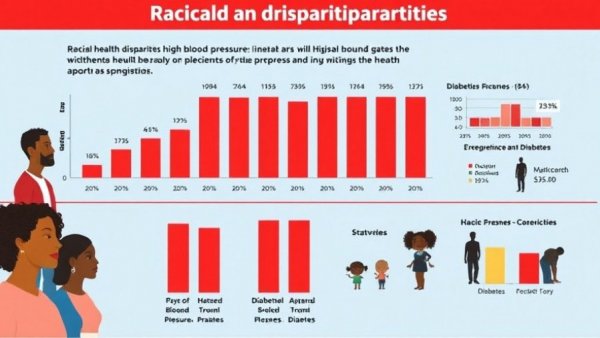
Plant-Based Diets: A Solution to Racial Health Disparities

Update Understanding Health Disparities: A Pressing Issue Why are Black Americans experiencing higher rates of sickness and earlier deaths compared to their white counterparts? This alarming question has gained significant attention, especially during the COVID-19 pandemic, which highlighted alarming disparities in healthcare outcomes. The death rate for African Americans during this period was as much as six times higher than that of white Americans. Unfortunately, this trend predates the pandemic, with many African Americans suffering from a range of health inequalities that lead to lower life expectancy. The Origins of Racial Health Disparities Research indicates that several social determinants contribute to these disparities. The data reveals that the Black-white death gap for women stands at around three years, while for men, it is closer to five. African Americans are statistically more likely to suffer from chronic illnesses such as hypertension, obesity, and diabetes—conditions that are compounded by socioeconomic factors. About twice as many African Americans live in poverty compared to whites, affecting education, employment, and healthcare access. The Impact of Lifestyle Choices Furthermore, lifestyle behaviors play a crucial role in this narrative. Only about 5% of African American adults meet the recommended physical activity guidelines, and smoking rates are comparable to their white peers, yet exposure to second-hand smoke is more prevalent among African Americans. This is largely due to targeted marketing by tobacco companies, particularly in relation to menthol cigarettes, which have addictive qualities that heavily impact their choice of products. Food Environment: A Double-Edged Sword Dietary habits further complicate the health landscape. Black neighborhoods often face a shortage of supermarkets, with four times fewer options available compared to white neighborhoods. Instead, they are inundated with fast food outlets—60% more per square mile. Advertisements for unhealthy foods, particularly those aimed at African American audiences, exacerbate this issue, leading to poorer dietary choices and further health complications. The Solution: Embracing Plant-Based Diets Despite the complexity of these interconnected issues, one proposed solution stands out: adopting a plant-based diet. Evidence suggests that moving toward a plant-based lifestyle could significantly alleviate health disparities among racial groups. Studies show that individuals consuming strictly plant-based diets have much lower odds of developing diabetes—57% lower for non-Blacks and a striking 70% lower among Black vegans, even when accounting for variables like BMI. Taking Action: What Can We Do? Addressing racial health disparities requires holistic action, including improving access to nutritious foods and increasing education on healthful eating practices. Advocacy for policies that support food equity and promoting community-based programs can create avenues for change. Reducing dependency on fast food and integrating more plant-based foods into diets can profoundly impact health outcomes. In doing so, we can take critical steps toward closing the gap in health outcomes among races. A Call for Community Change As individuals and communities, we can embrace these dietary changes and advocate for systemic changes that prioritize health equity. Local governments and organizations should work together to ensure access to affordable, healthy foods and create educational initiatives that empower communities to make informed dietarychoices. Together, we can foster a healthier, more equitable society for all.

11.20.2026

Is Grass-Fed Beef the Healthy Option You Need for Your Diet?

Update Unpacking the Grass-Fed Beef Debate: Is It Worth the Hype?Grass-fed beef has become a popular choice among consumers seeking healthier and more sustainable options in their diet. As individuals become more conscious of their eating habits and the environmental impact of their choices, grass-fed beef emerges as an appealing alternative. But is this beef truly superior to its conventionally raised counterpart? Let's explore the health benefits, environmental impacts, and the market growth surrounding grass-fed beef.Health Benefits of Grass-Fed Beef: Fact or Fiction?Proponents of grass-fed beef often tout its nutritional advantages over grain-fed beef. Indeed, some studies suggest that grass-fed meat contains higher levels of omega-3 fatty acids, antioxidants, and vitamins, including vitamin E and several B vitamins. These nutrients are thought to contribute to heart health and immune support, raising the profile of grass-fed beef among health-conscious consumers.However, it’s important to note that while these benefits exist, they may not be as substantial as they appear at first glance. The American Heart Association emphasizes that the overall health impact of red meat is nuanced and cautions against excessive consumption, regardless of whether the meat is grass-fed or grain-fed. Finding balance in your diet, including plenty of plant-based proteins, is critical for optimal health. Importantly, moderation remains key, as the potential benefits must be considered in the context of an overall healthy lifestyle.Grass-Fed vs. Grain-Fed: Understanding the DifferencesThe primary distinction between grass-fed and grain-fed beef lies in the cattle's diets. Grass-fed cattle graze on pasture, consuming grass and other forage, while grain-fed cattle typically consume corn and soy in feedlots. This dietary difference affects not just the nutritional profile of the meat but also has broader implications for animal welfare and environmental sustainability.Grass-fed beef advocates argue that this method allows cows to live in more natural environments and contributes to better soil health through grazing practices that can enhance carbon sequestration. Some researchers suggest that regenerative grazing techniques might even play a role in combating climate change by enriching the soil and supporting biodiversity. These realities paint grass-fed beef in a more favorable light, challenging the conventional beef industry.The Environmental Debate: Examining the Carbon FootprintWhile it's tempting to view grass-fed beef as a panacea for environmental issues, the reality is much more complex. While pasture-raised systems generally reduce reliance on grain and the associated environmental costs of feed production, significant land and resources are still required for grazing and maintaining cattle.According to the United Nations, the livestock sector contributes heavily to greenhouse gas emissions, and they highlight that reducing meat consumption is crucial for comprehensive climate strategies. Thus, while grass-fed systems can be part of a more sustainable food network, they cannot completely absolve the environmental impact of livestock farming. An integrated approach that increases plant-based eating alongside sustainable animal husbandry may prove to be more beneficial. This comprehensive perspective encourages a blend of dietary choices rather than an all-or-nothing approach.Consumer Awareness: Are We Being Greenwashed?With an influx of information and marketing strategies, consumers are becoming more educated about their food choices. However, this also leads to an increasing concern about greenwashing—when companies exaggerate their eco-friendly claims to attract conscientious shoppers. With the grass-fed beef market projected to reach over $21 billion by 2035, the delineation between genuinely sustainable practices and mere marketing gimmicks becomes crucial.Farmers and producers who genuinely prioritize animal welfare and ecological sustainability deserve recognition for their efforts. However, consumers should remain vigilant and educated about where their beef comes from and whether producers adhere to ethical practices. Investigating certifications, understanding sourcing, and being aware of production methods can help lead to informed choices that reflect your values.Actionable Tips for Making Conscious ChoicesIn light of this nuanced information, how can consumers make informed decisions about grass-fed beef? Here are a few practical tips:Research Brands: Look for reputable certifications, endorsements, and transparency regarding practices that indicate humane and sustainable farming.Consider Alternatives: Explore plant-based protein sources during meals to reduce your overall meat consumption. Integrating legumes, nuts, seeds, and tofu into your diet can satisfy nutritional needs without contributing to meat consumption, a practice championed by health organizations.Support Local: Purchase from local farmers' markets or community-supported agriculture (CSA) programs where you can ask questions directly about how the cattle are raised, empowering yourself with knowledge about the food you consume.Cook Mindfully: Experiment with different cooking methods and flavors that showcase plant-based ingredients, thus creating meals that celebrate the nutritious and flavorful profiles of those foods.By prioritizing transparency, sustainability, and health in your purchasing decisions, you can align your food choices with your personal values and health goals.Cultivating a Healthier FutureUltimately, the story of grass-fed beef dovetails into a larger conversation about how we produce and consume food. Consumers play a critical role in shaping market demand that favors sustainability and ethical practices. Choosing grass-fed beef can be a part of a broader journey toward whole-body health, integrating more plant-based foods, and nurturing the environment.If we embrace a holistic view of our food choices, including their health and environmental impacts, we can foster an integral shift toward a healthier, more sustainable future. So next time you're at the store, consider your options with consciousness and intention. Every purchase you make is a vote for what kind of food system and agricultural practices you want to support. With each choice, you can contribute to a more sustainable and health-conscious future.

11.20.2026

Why You Should Be Concerned About Olive and Avocado Oil Quality

Update What’s Really in Your Kitchen: The Truth About Olive and Avocado Oil When you reach for that bottle of olive or avocado oil, do you pause to consider what you’re actually buying? Many of us trust the labels like “extra virgin” or “all-natural,” assuming we are purchasing high-quality products. However, recent research reveals a concerning reality—oil fraud is rampant, and the bottles we trust may not contain what we think. Unpacking the Oil Fraud Scandal Olive oil, beloved for its rich flavor and health benefits, is a prime target for fraud. It must meet rigorous standards to qualify as “extra virgin.” Surprisingly, studies have shown that over 60% of the imported olive oils in the U.S. were either of a lower grade than labeled or blended with cheaper oils. For example, a UC Davis analysis in 2017 indicated that more than half of the tested extra virgin olive oils did not fulfill the authenticity claims made on their labels. Furthermore, the confusion doesn’t end with olive oil. If you think switching to avocado oil is a safer choice, think again. A study conducted in 2020 found that a staggering 82% of name-brand avocado oils showed problems, including rancidity or being mixed with inferior oils, sometimes containing nearly no actual avocado oil. Such discrepancies mean that those well-advertised health benefits may not be applicable after all, prompting many health-conscious individuals to reconsider their cooking and dressing choices. The Health Risks of Rancid Oils So what’s the implication of consuming rancid or adulterated oils? Rancid oils can produce harmful compounds that not only taste bad but can also lead to inflammation and oxidative stress, potentially affecting your heart, liver, and overall health. Health-conscious consumers looking to incorporate healthy fats in their diet could be unknowingly sabotaging their wellness efforts. Incorporating rancid oils can lead to negative health outcomes, including digestive issues and increased risk factors for chronic diseases, which is the opposite of what many are intending to achieve. Why Is There So Much Fraud? The allure of high margins makes oil fraud a tempting business for producers. The Italian farmers’ association noted that profit margins on olive oil fraud could be as high as 700%. These financial incentives can lead to unethical practices that mislead consumers. Compounded by the absence of strict federal regulations in the U.S. regarding the definition of terms like “extra virgin,” this space has become a breeding ground for deception. Particularly troubling is the lack of governmental oversight—a challenge further exacerbated by the limited resources allocated to food safety and standards enforcement. The Global Context Oil fraud not only tarnishes consumer trust but also impacts farmers, especially those who prioritize craftsmanship and quality. Many local producers strive to maintain high standards and grow their businesses responsibly. However, when the market is flooded with fraudulent oils, it dents their profitability and undermines their reputations, making it essential for consumers to support ethical sourcing practices. What Can You Do About It? As a consumer, there are several steps you can take to ensure the oils you use are of high quality: Choose Local: Opt for local or California-made oils, as they are often subject to stricter regulations and can give you more insight into the source of your oil. Look For Certifications: Seek oils certified by reputable organizations that guarantee authenticity, ensuring that you're getting what you pay for. Check for Freshness: Be mindful of the bottle’s expiration date. Avoid oils that have already gone rancid, as it can affect both taste and health. Use Dark Bottles: Purchase oils in dark bottles to protect them from light exposure, which can lead to spoilage and rancidity over time. Research Brands: Don’t hesitate to investigate brand transparency. Read reviews, check their websites, and find out if they share information about their sourcing practices. Finding Trustworthy Oils for Your Wellness Journey As you explore healthier eating options, the integrity of fats in your diet is crucial for your overall well-being. Understanding the importance of choosing the right oils plays an essential role in supporting holistic health solutions and establishing foundational health practices. By being proactive in your choices, you can be more confident that the oils you bring into your kitchen truly contribute positively to your health. Conclusion: A Call to Action In a world where information about our food sources can be murky, taking charge of your health starts with knowledge. Educate yourself and ensure you’re making informed decisions about the oils you’re using. Start by prioritizing transparency and authenticity in your cooking oils to align with your goals for natural healing remedies and a self-healing lifestyle. Your wellness journey depends on it—choose wisely, and remember that the small decisions you make in the kitchen can have significant impacts on your long-term health. Becoming an informed consumer not only benefits you but encourages ethical practices across the industry.

Everwell Media Logo

Independent stories people actually talk about

  • Everwell Media Facebook Community
  • Everwell Media Youtube Channel
  • Instagram Community

COMPANY

  • Privacy Policy
  • Terms of Use
  • Advertise
  • Contact Us
  • Menu 5
  • Menu 6


ABOUT US

Everwell Media is an independent news site covering business, lifestyle, health, and community stories across Australia. Our mission is to share smart, shareable stories that spark conversations and connect people with ideas that matter.

© 2026 Everwell Media All Rights Reserved. Mariners Cove, Mandurah, WA 6210 . Contact Us . Terms of Service . Privacy Policy

eyJjb21wYW55IjoiRXZlcndlbGwgTWVkaWEiLCJhZGRyZXNzIjoiTWFyaW5lcnMgQ292ZSIsImNpdHkiOiJNYW5kdXJhaCIsInN0YXRlIjoiV0EiLCJ6aXAiOiI2MjEwIiwiZW1haWwiOiJzaW1vbkBhYnNvbHV0ZWxvY2FsLmNvbS5hdSIsInRvcyI6IlBIQStQSE4wY205dVp6NDhaVzArVjJobGJpQjViM1VnYzJsbmJpMXBiaUIzYVhSb0lIVnpMQ0I1YjNVZ1lYSmxJR2RwZG1sdVp5WnVZbk53T3lCNWIzVnlJSEJsY20xcGMzTnBiMjRnWVc1a0lHTnZibk5sYm5RZ2RHOGdjMlZ1WkNCNWIzVWdaVzFoYVd3Z1lXNWtMMjl5SUZOTlV5QjBaWGgwSUcxbGMzTmhaMlZ6TGlCQ2VTQmphR1ZqYTJsdVp5QjBhR1VnVkdWeWJYTWdZVzVrSUVOdmJtUnBkR2x2Ym5NZ1ltOTRJR0Z1WkNCaWVTQnphV2R1YVc1bklHbHVJSGx2ZFNCaGRYUnZiV0YwYVdOaGJHeDVJR052Ym1acGNtMGdkR2hoZENCNWIzVWdZV05qWlhCMElHRnNiQ0IwWlhKdGN5QnBiaUIwYUdseklHRm5jbVZsYldWdWRDNDhMMlZ0UGp3dmMzUnliMjVuUGp3dmNENEtDanh3UGp4aElHaHlaV1k5SW1oMGRIQTZMeTkzZDNjdVoyOXZaMnhsTG1OdmJTSSthSFIwY0RvdkwzZDNkeTVuYjI5bmJHVXVZMjl0UEM5aFBqd3ZjRDRLQ2p4d1BpWnVZbk53T3p3dmNENEtDanh3UGp4emRISnZibWMrVTBWU1ZrbERSVHd2YzNSeWIyNW5Qand2Y0Q0S0NqeHdQbGRsSUhCeWIzWnBaR1VnWVNCelpYSjJhV05sSUhSb1lYUWdZM1Z5Y21WdWRHeDVJR0ZzYkc5M2N5QjViM1VnZEc4Z2NtVmpaV2wyWlNCeVpYRjFaWE4wY3lCbWIzSWdabVZsWkdKaFkyc3NJR052YlhCaGJua2dhVzVtYjNKdFlYUnBiMjRzSUhCeWIyMXZkR2x2Ym1Gc0lHbHVabTl5YldGMGFXOXVMQ0JqYjIxd1lXNTVJR0ZzWlhKMGN5d2dZMjkxY0c5dWN5d2daR2x6WTI5MWJuUnpJR0Z1WkNCdmRHaGxjaUJ1YjNScFptbGpZWFJwYjI1eklIUnZJSGx2ZFhJZ1pXMWhhV3dnWVdSa2NtVnpjeUJoYm1RdmIzSWdZMlZzYkhWc1lYSWdjR2h2Ym1VZ2IzSWdaR1YyYVdObExpQlpiM1VnZFc1a1pYSnpkR0Z1WkNCaGJtUWdZV2R5WldVZ2RHaGhkQ0IwYUdVZ1UyVnlkbWxqWlNCcGN5QndjbTkyYVdSbFpDQW1jWFZ2ZER0QlV5MUpVeVp4ZFc5ME95QmhibVFnZEdoaGRDQjNaU0JoYzNOMWJXVWdibThnY21WemNHOXVjMmxpYVd4cGRIa2dabTl5SUhSb1pTQjBhVzFsYkdsdVpYTnpMQ0JrWld4bGRHbHZiaXdnYldsekxXUmxiR2wyWlhKNUlHOXlJR1poYVd4MWNtVWdkRzhnYzNSdmNtVWdZVzU1SUhWelpYSWdZMjl0YlhWdWFXTmhkR2x2Ym5NZ2IzSWdjR1Z5YzI5dVlXeHBlbUYwYVc5dUlITmxkSFJwYm1kekxqd3ZjRDRLQ2p4d1BsbHZkU0JoY21VZ2NtVnpjRzl1YzJsaWJHVWdabTl5SUc5aWRHRnBibWx1WnlCaFkyTmxjM01nZEc4Z2RHaGxJRk5sY25acFkyVWdZVzVrSUhSb1lYUWdZV05qWlhOeklHMWhlU0JwYm5admJIWmxJSFJvYVhKa0lIQmhjblI1SUdabFpYTWdLSE4xWTJnZ1lYTWdVMDFUSUhSbGVIUWdiV1Z6YzJGblpYTXNJRWx1ZEdWeWJtVjBJSE5sY25acFkyVWdjSEp2ZG1sa1pYSWdiM0lnWTJWc2JIVnNZWElnWVdseWRHbHRaU0JqYUdGeVoyVnpLUzRnV1c5MUlHRnlaU0J5WlhOd2IyNXphV0pzWlNCbWIzSWdkR2h2YzJVZ1ptVmxjeXdnYVc1amJIVmthVzVuSUhSb2IzTmxJR1psWlhNZ1lYTnpiMk5wWVhSbFpDQjNhWFJvSUhSb1pTQmthWE53YkdGNUlHOXlJR1JsYkdsMlpYSjVJRzltSUdWaFkyZ2dVMDFUSUhSbGVIUWdiV1Z6YzJGblpTQnpaVzUwSUhSdklIbHZkU0JpZVNCMWN5NGdTVzRnWVdSa2FYUnBiMjRzSUhsdmRTQnRkWE4wSUhCeWIzWnBaR1VnWVc1a0lHRnlaU0J5WlhOd2IyNXphV0pzWlNCbWIzSWdZV3hzSUdWeGRXbHdiV1Z1ZENCdVpXTmxjM05oY25rZ2RHOGdZV05qWlhOeklIUm9aU0JUWlhKMmFXTmxJR0Z1WkNCeVpXTmxhWFpsSUhSb1pTQlRUVk1nZEdWNGRDQnRaWE56WVdkbGN5NGdWMlVnWkc4Z2JtOTBJR05vWVhKblpTQmhibmtnWm1WbGN5Qm1iM0lnWkdWc2FYWmxjbmtnYjJZZ1pXMWhhV3dnYjNJZ1UwMVRMaUJVYUdseklHbHpJR0VnWm5KbFpTQnpaWEoyYVdObElIQnliM1pwWkdWa0lHSjVJSFZ6TGlCSWIzZGxkbVZ5TENCd2JHVmhjMlVnWTJobFkyc2dkMmwwYUNCNWIzVnlJR2x1ZEdWeWJtVjBJSE5sY25acFkyVWdjSEp2ZG1sa1pYSWdZVzVrSUdObGJHeDFiR0Z5SUdOaGNuSnBaWElnWm05eUlHRnVlU0JqYUdGeVoyVnpJSFJvWVhRZ2JXRjVJR2x1WTNWeUlHRnpJR0VnY21WemRXeDBJR1p5YjIwZ2NtVmpaV2wyYVc1bklHVnRZV2xzSUdGdVpDQlRUVk1nZEdWNGRDQnRaWE56WVdkbGN5QjBhR0YwSUhkbElHUmxiR2wyWlhJZ2RYQnZiaUI1YjNWeUlHOXdkQzFwYmlCaGJtUWdjbVZuYVhOMGNtRjBhVzl1SUhkcGRHZ2diM1Z5SUdWdFlXbHNJR0Z1WkNCVFRWTWdjMlZ5ZG1salpYTXVJRmx2ZFNCallXNGdZMkZ1WTJWc0lHRjBJR0Z1ZVNCMGFXMWxMaUJLZFhOMElIUmxlSFFnSm5GMWIzUTdVMVJQVUNaeGRXOTBPeUIwYnladVluTndPenhvYVdkb2JHbG5hSFFnWTJ4aGMzTTlJbU52YlhCaGJubFRUVk5RYUc5dVpWVndaR0YwWlNJK2JuVnNiRHd2YUdsbmFHeHBaMmgwUGk0Z1FXWjBaWElnZVc5MUlITmxibVFnZEdobElGTk5VeUJ0WlhOellXZGxJQ1p4ZFc5ME8xTlVUMUFtY1hWdmREc2dkRzhnZFhNc0lIZGxJSGRwYkd3Z2MyVnVaQ0I1YjNVZ1lXNGdVMDFUSUcxbGMzTmhaMlVnZEc4Z1kyOXVabWx5YlNCMGFHRjBJSGx2ZFNCb1lYWmxJR0psWlc0Z2RXNXpkV0p6WTNKcFltVmtMaUJCWm5SbGNpQjBhR2x6TENCNWIzVWdkMmxzYkNCdWJ5QnNiMjVuWlhJZ2NtVmpaV2wyWlNCVFRWTWdiV1Z6YzJGblpYTWdabkp2YlNCMWN5NDhMM0ErQ2dvOGNENDhjM1J5YjI1blBsbFBWVklnVWtWSFNWTlVVa0ZVU1U5T0lFOUNURWxIUVZSSlQwNVRQQzl6ZEhKdmJtYytQQzl3UGdvS1BIQStTVzRnWTI5dWMybGtaWEpoZEdsdmJpQnZaaUI1YjNWeUlIVnpaU0J2WmlCMGFHVWdVMlZ5ZG1salpTd2dlVzkxSUdGbmNtVmxJSFJ2T2p3dmNENEtDanh2YkQ0S0NUeHNhVDV3Y205MmFXUmxJSFJ5ZFdVc0lHRmpZM1Z5WVhSbExDQmpkWEp5Wlc1MElHRnVaQ0JqYjIxd2JHVjBaU0JwYm1admNtMWhkR2x2YmlCaFltOTFkQ0I1YjNWeWMyVnNaaUJoY3lCd2NtOXRjSFJsWkNCaWVTQjBhR1VnVTJWeWRtbGpaU1lqTXprN2N5QnlaV2RwYzNSeVlYUnBiMjRnWm05eWJTQW9jM1ZqYUNCcGJtWnZjbTFoZEdsdmJpQmlaV2x1WnlCMGFHVWdKbkYxYjNRN1VtVm5hWE4wY21GMGFXOXVJRVJoZEdFbWNYVnZkRHNwSUdGdVpEd3ZiR2srQ2drOGJHaytiV0ZwYm5SaGFXNGdZVzVrSUhCeWIyMXdkR3g1SUhWd1pHRjBaU0IwYUdVZ1VtVm5hWE4wY21GMGFXOXVJRVJoZEdFZ2RHOGdhMlZsY0NCcGRDQjBjblZsTENCaFkyTjFjbUYwWlN3Z1kzVnljbVZ1ZENCaGJtUWdZMjl0Y0d4bGRHVXVJRWxtSUhsdmRTQndjbTkyYVdSbElHRnVlU0JwYm1admNtMWhkR2x2YmlCMGFHRjBJR2x6SUhWdWRISjFaU3dnYVc1aFkyTjFjbUYwWlN3Z2JtOTBJR04xY25KbGJuUWdiM0lnYVc1amIyMXdiR1YwWlN3Z2IzSWdkMlVnYUdGMlpTQnlaV0Z6YjI1aFlteGxJR2R5YjNWdVpITWdkRzhnYzNWemNHVmpkQ0IwYUdGMElITjFZMmdnYVc1bWIzSnRZWFJwYjI0Z2FYTWdkVzUwY25WbExDQnBibUZqWTNWeVlYUmxMQ0J1YjNRZ1kzVnljbVZ1ZENCdmNpQnBibU52YlhCc1pYUmxMQ0IzWlNCb1lYWmxJSFJvWlNCeWFXZG9kQ0IwYnlCemRYTndaVzVrSUc5eUlEeHpkSEp2Ym1jK1BITndZVzRnYzNSNWJHVTlJbU52Ykc5eU9pTkdSakF3TURBN0lqNTBaWEp0YVc1aGRHVWdlVzkxY2lCaFkyTnZkVzUwTDNCeWIyWnBiR1VnWVc1a0lISmxablZ6WlNCaGJua2dZVzVrSUdGc2JDQmpkWEp5Wlc1MElHOXlJR1oxZEhWeVpTQjFjMlVnYjJZZ2RHaGxJRk5sY25acFkyVWdLRzl5SUdGdWVTQndiM0owYVc5dUlIUm9aWEpsYjJZcExqd3ZjM0JoYmo0OEwzTjBjbTl1Wno0OEwyeHBQZ284TDI5c1Bnb0tQSEErSm01aWMzQTdQQzl3UGdvOGFHbG5hR3hwWjJoMElHTnNZWE56UFNKamIyMXdZVzU1VG1GdFpWVndaR0YwWlNJK1JYWmxjbmRsYkd3Z1RXVmthV0U4TDJocFoyaHNhV2RvZEQ0OFluSWdMejRLUEdocFoyaHNhV2RvZENCamJHRnpjejBpWTI5dGNHRnVlVUZrWkhKbGMzTlZjR1JoZEdVaVBrMWhjbWx1WlhKeklFTnZkbVVzSUUxaGJtUjFjbUZvTENCWFFTQTJNakV3UEM5b2FXZG9iR2xuYUhRK1BHSnlJQzgrQ2p4b2FXZG9iR2xuYUhRZ1kyeGhjM005SW1OdmJYQmhibmxRYUc5dVpWVndaR0YwWlNJK0t6WXhOREE0T1RRMU1EUTRQQzlvYVdkb2JHbG5hSFErUEdKeUlDOCtDanhvYVdkb2JHbG5hSFFnWTJ4aGMzTTlJbU52YlhCaGJubEZiV0ZwYkZWd1pHRjBaU0krYzJsdGIyNUFZV0p6YjJ4MWRHVnNiMk5oYkM1amIyMHVZWFU4TDJocFoyaHNhV2RvZEQ0PSIsInByaXZhY3kiOiJQSEErUEhOMGNtOXVaejVRVWtsV1FVTlpQQzl6ZEhKdmJtYytQQzl3UGdvS1BIQStQSE4wY205dVp6NVVhR1VnYVc1bWIzSnRZWFJwYjI0Z2NISnZkbWxrWldRZ1pIVnlhVzVuSUhSb2FYTWdjbVZuYVhOMGNtRjBhVzl1SUdseklHdGxjSFFnY0hKcGRtRjBaU0JoYm1RZ1kyOXVabWxrWlc1MGFXRnNMQ0JoYm1RZ2QybHNiQ0J1WlhabGNpQmlaU0JrYVhOMGNtbGlkWFJsWkN3Z1kyOXdhV1ZrTENCemIyeGtMQ0IwY21Ga1pXUWdiM0lnY0c5emRHVmtJR2x1SUdGdWVTQjNZWGtzSUhOb1lYQmxJRzl5SUdadmNtMHVJRlJvYVhNZ2FYTWdiM1Z5SUdkMVlYSmhiblJsWlM0OEwzTjBjbTl1Wno0OEwzQStDZ284Y0Q0OGMzUnliMjVuUGtsT1JFVk5Ua2xVV1R3dmMzUnliMjVuUGp3dmNENEtDanh3UGp4bGJUNVpiM1VnWVdkeVpXVWdkRzhnYVc1a1pXMXVhV1o1SUdGdVpDQm9iMnhrSUhWekxDQmhibVFnYVhSeklITjFZbk5wWkdsaGNtbGxjeXdnWVdabWFXeHBZWFJsY3l3Z2IyWm1hV05sY25Nc0lHRm5aVzUwY3l3Z1kyOHRZbkpoYm1SbGNuTWdiM0lnYjNSb1pYSWdjR0Z5ZEc1bGNuTXNJR0Z1WkNCbGJYQnNiM2xsWlhNc0lHaGhjbTFzWlhOeklHWnliMjBnWVc1NUlHTnNZV2x0SUc5eUlHUmxiV0Z1WkN3Z2FXNWpiSFZrYVc1bklISmxZWE52Ym1GaWJHVWdZWFIwYjNKdVpYbHpKaU16T1RzZ1ptVmxjeXdnYldGa1pTQmllU0JoYm5rZ2RHaHBjbVFnY0dGeWRIa2daSFZsSUhSdklHOXlJR0Z5YVhOcGJtY2diM1YwSUc5bUlFTnZiblJsYm5RZ2VXOTFJSEpsWTJWcGRtVXNJSE4xWW0xcGRDd2djbVZ3Ykhrc0lIQnZjM1FzSUhSeVlXNXpiV2wwSUc5eUlHMWhhMlVnWVhaaGFXeGhZbXhsSUhSb2NtOTFaMmdnZEdobElGTmxjblpwWTJVc0lIbHZkWElnZFhObElHOW1JSFJvWlNCVFpYSjJhV05sTENCNWIzVnlJR052Ym01bFkzUnBiMjRnZEc4Z2RHaGxJRk5sY25acFkyVXNJSGx2ZFhJZ2RtbHZiR0YwYVc5dUlHOW1JSFJvWlNCVVQxTXNJRzl5SUhsdmRYSWdkbWx2YkdGMGFXOXVJRzltSUdGdWVTQnlhV2RvZEhNZ2IyWWdZVzV2ZEdobGNpNDhMMlZ0UGp3dmNENEtDanh3UGp4emRISnZibWMrUkVsVFEweEJTVTFGVWlCUFJpQlhRVkpTUVU1VVNVVlRQQzl6ZEhKdmJtYytQQzl3UGdvS1BIQStQSE4wY205dVp6NVpUMVVnUlZoUVVrVlRVMHhaSUZWT1JFVlNVMVJCVGtRZ1FVNUVJRUZIVWtWRklGUklRVlE2UEM5emRISnZibWMrUEM5d1Bnb0tQRzlzUGdvSlBHeHBQbGxQVlZJZ1ZWTkZJRTlHSUZSSVJTQlRSVkpXU1VORklFbFRJRUZVSUZsUFZWSWdVMDlNUlNCU1NWTkxMaUJVU0VVZ1UwVlNWa2xEUlNCSlV5QlFVazlXU1VSRlJDQlBUaUJCVGlBbWNYVnZkRHRCVXlCSlV5WnhkVzkwT3lCQlRrUWdKbkYxYjNRN1FWTWdRVlpCU1V4QlFreEZKbkYxYjNRN0lFSkJVMGxUTGlBc0xpQkJUa1FnVlZNc0lFbFVKaU16T1R0VElFTlZVMVJQVFVWU1V5d2dSVmhRVWtWVFUweFpJRVJKVTBOTVFVbE5VeUJCVEV3Z1YwRlNVa0ZPVkVsRlV5QlBSaUJCVGxrZ1MwbE9SQ3dnVjBoRlZFaEZVaUJGV0ZCU1JWTlRJRTlTSUVsTlVFeEpSVVFzSUVsT1EweFZSRWxPUnl3Z1FsVlVJRTVQVkNCTVNVMUpWRVZFSUZSUElGUklSU0JKVFZCTVNVVkVJRmRCVWxKQlRsUkpSVk1nVDBZZ1RVVlNRMGhCVGxSQlFrbE1TVlJaTENCR1NWUk9SVk5USUVaUFVpQkJJRkJCVWxSSlExVk1RVklnVUZWU1VFOVRSU0JCVGtRZ1RrOU9MVWxPUmxKSlRrZEZUVVZPVkM0OEwyeHBQZ29KUEd4cFBrMUJTMFZUSUU1UElGZEJVbEpCVGxSWklGUklRVlFnS0drcElGUklSU0JUUlZKV1NVTkZJRmRKVEV3Z1RVVkZWQ0JaVDFWU0lGSkZVVlZKVWtWTlJVNVVVeXdnS0dscEtTQlVTRVVnVTBWU1ZrbERSU0JYU1V4TUlFSkZJRlZPU1U1VVJWSlNWVkJVUlVRc0lGUkpUVVZNV1N3Z1UwVkRWVkpGTENCUFVpQkZVbEpQVWkxR1VrVkZMQ0FvYVdscEtTQlVTRVVnVWtWVFZVeFVVeUJVU0VGVUlFMUJXU0JDUlNCUFFsUkJTVTVGUkNCR1VrOU5JRlJJUlNCVlUwVWdUMFlnVkVoRklGTkZVbFpKUTBVZ1YwbE1UQ0JDUlNCQlEwTlZVa0ZVUlNCUFVpQlNSVXhKUVVKTVJTd2dRVTVFSUNocGRpa2dRVTVaSUVWU1VrOVNVeUJKVGlCVVNFVWdVMDlHVkZkQlVrVWdWMGxNVENCQ1JTQkRUMUpTUlVOVVJVUXVQQzlzYVQ0S0NUeHNhVDVCVGxrZ1RVRlVSVkpKUVV3Z1JFOVhUa3hQUVVSRlJDQlBVaUJQVkVoRlVsZEpVMFVnVDBKVVFVbE9SVVFnVkVoU1QxVkhTQ0JVU0VVZ1ZWTkZJRTlHSUZSSVJTQlRSVkpXU1VORklFbFRJRVJQVGtVZ1FWUWdXVTlWVWlCUFYwNGdSRWxUUTFKRlZFbFBUaUJCVGtRZ1VrbFRTeUJCVGtRZ1ZFaEJWQ0JaVDFVZ1YwbE1UQ0JDUlNCVFQweEZURmtnVWtWVFVFOU9VMGxDVEVVZ1JrOVNJRUZPV1NCRVFVMUJSMFVnVkU4Z1dVOVZVaUJEVDAxUVZWUkZVaUJUV1ZOVVJVMGdUMUlnVEU5VFV5QlBSaUJFUVZSQklGUklRVlFnVWtWVFZVeFVVeUJHVWs5TklGUklSU0JFVDFkT1RFOUJSQ0JQUmlCQlRsa2dVMVZEU0NCTlFWUkZVa2xCVEM0OEwyeHBQZ29KUEd4cFBrNVBJRUZFVmtsRFJTQlBVaUJKVGtaUFVrMUJWRWxQVGl3Z1YwaEZWRWhGVWlCUFVrRk1JRTlTSUZkU1NWUlVSVTRzSUU5Q1ZFRkpUa1ZFSUVKWklGbFBWU0JHVWs5TklFOVNJRlJJVWs5VlIwZ2dUMUlnUmxKUFRTQlVTRVVnVTBWU1ZrbERSU0JUU0VGTVRDQkRVa1ZCVkVVZ1FVNVpJRmRCVWxKQlRsUlpJRTVQVkNCRldGQlNSVk5UVEZrZ1UxUkJWRVZFSUVsT0lGUklSU0JVVDFNdVBDOXNhVDRLUEM5dmJENEtDanh3UGp4emRISnZibWMrVEVsTlNWUkJWRWxQVGlCUFJpQk1TVUZDU1V4SlZGazhMM04wY205dVp6NDhMM0ErQ2dvOGNENVpUMVVnUlZoUVVrVlRVMHhaSUZWT1JFVlNVMVJCVGtRZ1FVNUVJRUZIVWtWRklGUklRVlFnUVU1RUlGTklRVXhNSUU1UFZDQkNSU0JNU1VGQ1RFVWdSazlTSUVGT1dTQkVTVkpGUTFRc0lFbE9SRWxTUlVOVUxDQkpUa05KUkVWT1ZFRk1MQ0JUVUVWRFNVRk1MQ0JEVDA1VFJWRlZSVTVVU1VGTUlFOVNJRVZZUlUxUVRFRlNXU0JFUVUxQlIwVlRMQ0JKVGtOTVZVUkpUa2NnUWxWVUlFNVBWQ0JNU1UxSlZFVkVJRlJQTENCRVFVMUJSMFZUSUVaUFVpQk1UMU5USUU5R0lGQlNUMFpKVkZNc0lFZFBUMFJYU1V4TUxDQlZVMFVzSUVSQlZFRWdUMUlnVDFSSVJWSWdTVTVVUVU1SFNVSk1SU0JNVDFOVFJWTWdLRVZXUlU0Z1NVWWdTRUZUSUVKRlJVNGdRVVJXU1ZORlJDQlBSaUJVU0VVZ1VFOVRVMGxDU1V4SlZGa2dUMFlnVTFWRFNDQkVRVTFCUjBWVEtTd2dVa1ZUVlV4VVNVNUhJRVpTVDAwNlBDOXdQZ29LUEc5c1Bnb0pQR3hwUGxSSVJTQlZVMFVnVDFJZ1ZFaEZJRWxPUVVKSlRFbFVXU0JVVHlCVlUwVWdWRWhGSUZORlVsWkpRMFU3UEM5c2FUNEtDVHhzYVQ1VVNFVWdRMDlUVkNCUFJpQlFVazlEVlZKRlRVVk9WQ0JQUmlCVFZVSlRWRWxVVlZSRklFZFBUMFJUSUVGT1JDQlRSVkpXU1VORlV5QlNSVk5WVEZSSlRrY2dSbEpQVFNCQlRsa2dSMDlQUkZNc0lFUkJWRUVzSUVsT1JrOVNUVUZVU1U5T0lFOVNJRk5GVWxaSlEwVlRJRkJWVWtOSVFWTkZSQ0JQVWlCUFFsUkJTVTVGUkNCUFVpQk5SVk5UUVVkRlV5QlNSVU5GU1ZaRlJDQlBVaUJVVWtGT1UwRkRWRWxQVGxNZ1JVNVVSVkpGUkNCSlRsUlBJRlJJVWs5VlIwZ2dUMUlnUmxKUFRTQlVTRVVnVTBWU1ZrbERSVHM4TDJ4cFBnb0pQR3hwUGxWT1FWVlVTRTlTU1ZwRlJDQkJRME5GVTFNZ1ZFOGdUMUlnUVV4VVJWSkJWRWxQVGlCUFJpQlpUMVZTSUZSU1FVNVRUVWxUVTBsUFRsTWdUMUlnUkVGVVFUczhMMnhwUGdvSlBHeHBQbE5VUVZSRlRVVk9WRk1nVDFJZ1EwOU9SRlZEVkNCUFJpQkJUbGtnVkVoSlVrUWdVRUZTVkZrZ1QwNGdWRWhGSUZORlVsWkpRMFU3SUU5U1BDOXNhVDRLQ1R4c2FUNUJUbGtnVDFSSVJWSWdUVUZVVkVWU0lGSkZURUZVU1U1SElGUlBJRlJJUlNCVFJWSldTVU5GTGp3dmJHaytDand2YjJ3K0NnbzhjRDQ4ZFQ1Q2VTQnlaV2RwYzNSbGNtbHVaeUJoYm1RZ2MzVmljMk55YVdKcGJtY2dkRzhnYjNWeUlHVnRZV2xzSUdGdVpDQlRUVk1nYzJWeWRtbGpaU3dnWW5rZ2IzQjBMV2x1TENCdmJteHBibVVnY21WbmFYTjBjbUYwYVc5dUlHOXlJR0o1SUdacGJHeHBibWNnYjNWMElHRWdZMkZ5WkN3Z0puRjFiM1E3ZVc5MUlHRm5jbVZsSUhSdklIUm9aWE5sSUZSRlVrMVRJRTlHSUZORlVsWkpRMFVtY1hWdmREc2dZVzVrSUhsdmRTQmhZMnR1YjNkc1pXUm5aU0JoYm1RZ2RXNWtaWEp6ZEdGdVpDQjBhR1VnWVdKdmRtVWdkR1Z5YlhNZ2IyWWdjMlZ5ZG1salpTQnZkWFJzYVc1bFpDQmhibVFnWkdWMFlXbHNaV1FnWm05eUlIbHZkU0IwYjJSaGVTNDhMM1UrUEM5d1Bnb0tQSEErSm01aWMzQTdQQzl3UGdvOGFHbG5hR3hwWjJoMElHTnNZWE56UFNKamIyMXdZVzU1VG1GdFpWVndaR0YwWlNJK1JYWmxjbmRsYkd3Z1RXVmthV0U4TDJocFoyaHNhV2RvZEQ0OFluSWdMejRLUEdocFoyaHNhV2RvZENCamJHRnpjejBpWTI5dGNHRnVlVUZrWkhKbGMzTlZjR1JoZEdVaVBrMWhjbWx1WlhKeklFTnZkbVVzSUUxaGJtUjFjbUZvTENCWFFTQTJNakV3UEM5b2FXZG9iR2xuYUhRK1BHSnlJQzgrQ2p4b2FXZG9iR2xuYUhRZ1kyeGhjM005SW1OdmJYQmhibmxRYUc5dVpWVndaR0YwWlNJK0t6WXhOREE0T1RRMU1EUTRQQzlvYVdkb2JHbG5hSFErUEdKeUlDOCtDanhvYVdkb2JHbG5hSFFnWTJ4aGMzTTlJbU52YlhCaGJubEZiV0ZwYkZWd1pHRjBaU0krYzJsdGIyNUFZV0p6YjJ4MWRHVnNiMk5oYkM1amIyMHVZWFU4TDJocFoyaHNhV2RvZEQ0PSJ9

Terms of Service

Privacy Policy

Core Modal Title

Sorry, no results found

You Might Find These Articles Interesting

T
Please Check Your Email
We Will Be Following Up Shortly
*
*
*