

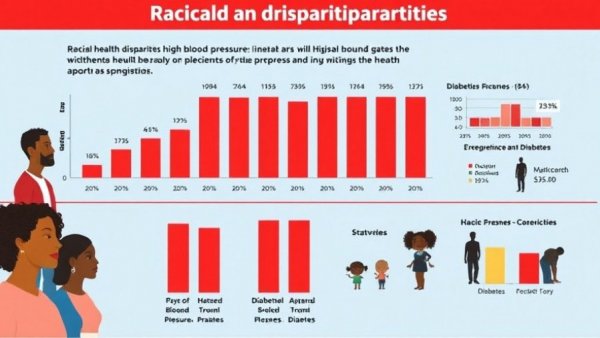
Understanding Health Disparities: A Pressing Issue
Why are Black Americans experiencing higher rates of sickness and earlier deaths compared to their white counterparts? This alarming question has gained significant attention, especially during the COVID-19 pandemic, which highlighted alarming disparities in healthcare outcomes. The death rate for African Americans during this period was as much as six times higher than that of white Americans. Unfortunately, this trend predates the pandemic, with many African Americans suffering from a range of health inequalities that lead to lower life expectancy.
The Origins of Racial Health Disparities
Research indicates that several social determinants contribute to these disparities. The data reveals that the Black-white death gap for women stands at around three years, while for men, it is closer to five. African Americans are statistically more likely to suffer from chronic illnesses such as hypertension, obesity, and diabetes—conditions that are compounded by socioeconomic factors. About twice as many African Americans live in poverty compared to whites, affecting education, employment, and healthcare access.
The Impact of Lifestyle Choices
Furthermore, lifestyle behaviors play a crucial role in this narrative. Only about 5% of African American adults meet the recommended physical activity guidelines, and smoking rates are comparable to their white peers, yet exposure to second-hand smoke is more prevalent among African Americans. This is largely due to targeted marketing by tobacco companies, particularly in relation to menthol cigarettes, which have addictive qualities that heavily impact their choice of products.
Food Environment: A Double-Edged Sword
Dietary habits further complicate the health landscape. Black neighborhoods often face a shortage of supermarkets, with four times fewer options available compared to white neighborhoods. Instead, they are inundated with fast food outlets—60% more per square mile. Advertisements for unhealthy foods, particularly those aimed at African American audiences, exacerbate this issue, leading to poorer dietary choices and further health complications.
The Solution: Embracing Plant-Based Diets
Despite the complexity of these interconnected issues, one proposed solution stands out: adopting a plant-based diet. Evidence suggests that moving toward a plant-based lifestyle could significantly alleviate health disparities among racial groups. Studies show that individuals consuming strictly plant-based diets have much lower odds of developing diabetes—57% lower for non-Blacks and a striking 70% lower among Black vegans, even when accounting for variables like BMI.
Taking Action: What Can We Do?
Addressing racial health disparities requires holistic action, including improving access to nutritious foods and increasing education on healthful eating practices. Advocacy for policies that support food equity and promoting community-based programs can create avenues for change. Reducing dependency on fast food and integrating more plant-based foods into diets can profoundly impact health outcomes. In doing so, we can take critical steps toward closing the gap in health outcomes among races.
A Call for Community Change
As individuals and communities, we can embrace these dietary changes and advocate for systemic changes that prioritize health equity. Local governments and organizations should work together to ensure access to affordable, healthy foods and create educational initiatives that empower communities to make informed dietarychoices. Together, we can foster a healthier, more equitable society for all.






Write A Comment