 Add Row
  Add
Add 


Did you know? A single olive contains more phenolic compounds than many commonly-eaten fruits and vegetables, making it a powerhouse of plant-based bioactives. While many recognize the value of “antioxidants” in their diet, few realize that phenolic compounds in plants are the key substances powering these benefits—and that olives stand above the rest. Unveiling the science behind these plant phenolics unlocks remarkable insights into both plant biology and human health, particularly when it comes to fighting disease, supporting circulation, and bolstering defenses—both for plants and people. In this guide, you’ll discover the overlooked secrets of phenolic compounds, why olives are uniquely rich in them, and how to prioritize phenolic-rich foods for optimal wellness.
Unlocking the Secrets of Phenolic Compounds in Plants: Surprising Benefits and Hidden Roles
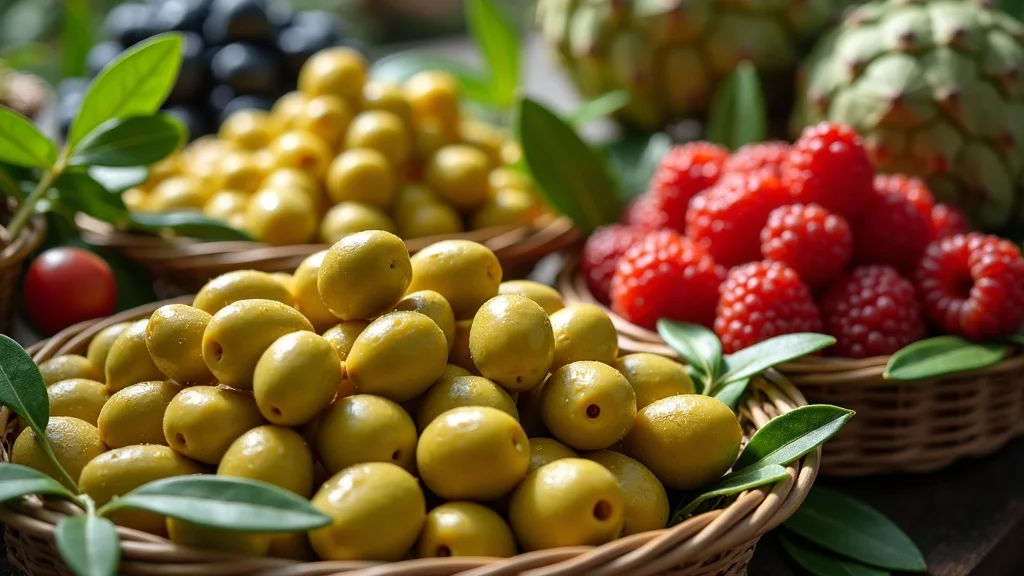
"A single olive contains more phenolic compounds than many commonly-eaten fruits and vegetables, making it a powerhouse of plant-based bioactives."
- Startling statistic: Olives can contain up to 15 times more total phenolic than apples or tomatoes, placing them among the most phenolic-rich foods globally.
- Quick overview: Phenolic compounds in plants serve as powerful antioxidants, help them resist disease, and can play an important role in human health by reducing oxidative stress.
- Immediate relevance: Plant phenolics like those in olives neutralize reactive oxygen, contribute to cardiovascular health, and are increasingly spotlighted for their disease-fighting advantages in both plants and people.
What You'll Learn About Phenolic Compounds in Plants
- The definition, classes, and natural occurrence of phenolic compounds in plants.
- Which fruits and vegetables are the most concentrated sources of plant phenolic.
- How plant phenolics function as antioxidants and why they matter for your health.
- The role of phenolic substances in plant defense systems and growth.
- Why olives’ high phenolic content is significant for circulation support.
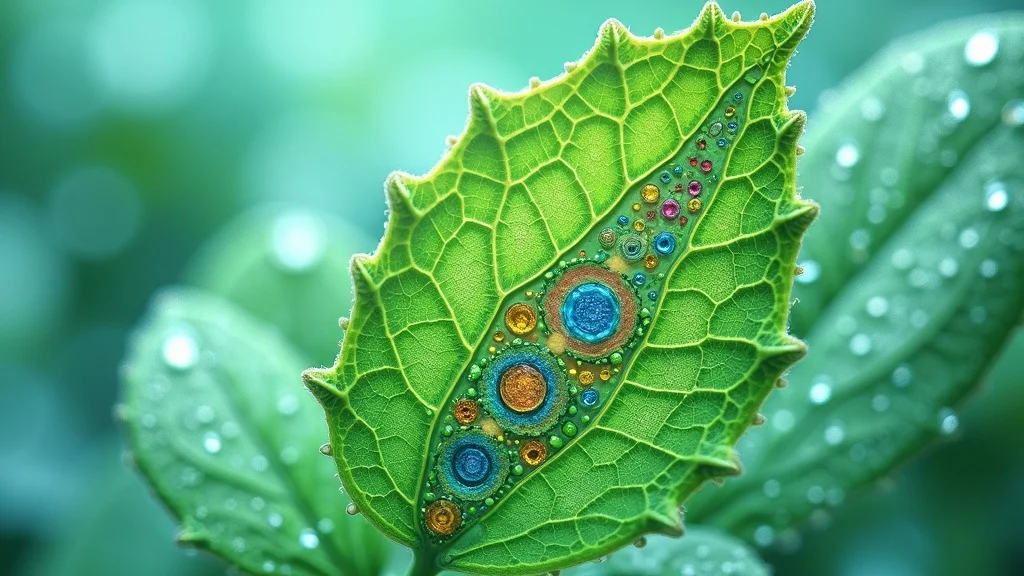
- The chemistry behind antioxidant capacity and the contribution to human wellness.
- The importance of phenolic compounds in boosting plant immunity and their strategic value in high-phenolic plants like olives.
Introducing Phenolic Compounds in Plants: A Scientific Overview
Defining Phenolic Compounds in Plant Biology
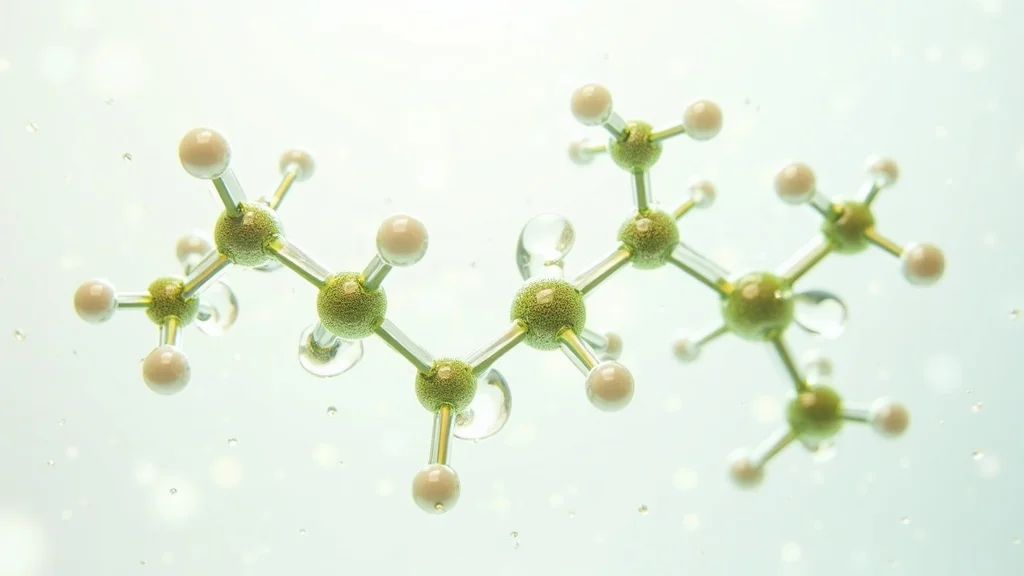
Phenolic compounds in plants form one of the largest and most diverse families of secondary metabolites. Defined by the presence of at least one aromatic ring with attached hydroxyl groups, these natural substances have evolved as a core part of plant structure and survival. As secondary metabolites, plant phenolics do not directly participate in basic growth but play an important role in protecting the plant against pathogens, pests, and environmental stressors. Many of these substances—such as flavonoids, phenolic acids, tannins, and lignans—are responsible for the color, aroma, and flavor of fruits and vegetables. Studies show that the total phenolic content aligns with a plant's ability to withstand oxidative damage—making these compounds essential not only for plant health, but also for delivering significant benefits when consumed by humans.
In recent decades, scientific research has confirmed that phenolic compounds in plants are also vital bioactives that link plant thriveability with human wellness. Their unique chemical structures, particularly the reactive hydroxyl group, empower them to scavenge and neutralize harmful reactive oxygen species (ROS) — reducing both cell damage and the risk of chronic diseases. Because of their wide-ranging biochemical roles, plant phenolic compounds attract global attention from both agricultural scientists and nutritionists, especially for their strong antioxidant activity and disease-preventing potential.
The Structure and Diversity of Phenolic Compound Classes
The structure of phenolic compounds in plants is both simple and complex. All phenolics share a basic phenol unit: a benzene ring with at least one hydroxyl group. However, their natural diversity arises from different modifications of this backbone—like sugar attachments, methylations, or polymerizations. Some, such as phenolic acids (including hydroxybenzoic acid, caffeic acid, and ferulic acid) are small and soluble, while others, like lignans or condensed tannins, form larger polymers. This striking variation allows phenolic compounds to perform multiple roles within plant cells: serving as antioxidants, UV protectants, signal agents, and direct defenses against herbivores and microbes.
Plant phenolic structural diversity is also reflected in their solubility, reactivity, and biological activity. For instance, the presence and number of hydroxyl groups impact their antioxidant capacity, while the polymerization of phenolic units contributes to the formation of lignin—a fundamental part of plant cell wall strength and rigidity. As secondary metabolites, these compounds are synthesized via complex biochemical pathways, responding dynamically to environmental cues, injury, or disease. This adaptability ensures that plants can survive, thrive, and pass on these health benefits to those who consume them.
Common Types: Phenolic Acids, Polyphenols, Flavonoids, and Lignans
| Type | Structure | Main Sources | Example Compounds |
|---|---|---|---|
| Phenolic Acids | Single benzene ring with carboxylic acid | Coffee, olives, apples, artichoke | Caffeic acid, chlorogenic acid, ferulic acid |
| Flavonoids (Polyphenols) | Two aromatic rings with a 3-carbon bridge | Berries, grapes, onions, olives | Quercetin, catechin, anthocyanins |
| Lignans | Dimers of phenylpropanoid units | Flaxseed, olives, whole grains | Secoisolariciresinol, matairesinol |
This table underscores the breadth of phenolic compound classes found across fruits and vegetables—even though olives remain unique for their especially wide spectrum and dense concentration.
Why Olives Stand Out for High Phenolic Content
Olives are widely recognized as the plant world’s phenolic superstars. Thanks to centuries of breeding and their adaptation to Mediterranean climates, olives have evolved to pack their fruits with a remarkable array of phenolic compounds—including oleuropein, hydroxytyrosol, tyrosol, and verbascoside. Studies consistently show that the total phenolic content of olives can be up to 15–20 times higher than other fruits and vegetables, especially when compared to apples, tomatoes, or cucumbers. This high phenolic content not only preserves the olive itself from pest and disease, but also boosts its health value for humans—providing potent antioxidant activity, anti-inflammatory effects, and protection against oxidative damage that’s central to healthy circulation.
When processed into high-quality extra virgin olive oil, olives retain many of these beneficial compounds, setting olive oil apart from other plant oils. The diversity and concentration of plant phenolics in olives also contributes to their distinct flavor, aroma, and bioactivity—making them a nutritional standout and a cornerstone of the famous Mediterranean diet.
Distribution of Phenolic Compounds in Plants: Where They’re Found
Major Plant Sources: From Fruits and Vegetables to Olives
- Olives (both fruit and oil)
- Berries (blueberry, raspberry, blackberry)
- Grapes (red, black, green)
- Apples (with peel)
- Artichokes
- Cocoa beans
- Cherries and plums
"Olives contain a broad spectrum of phenolic compounds, including hydroxytyrosol and oleuropein, which contribute to their unique health benefits."
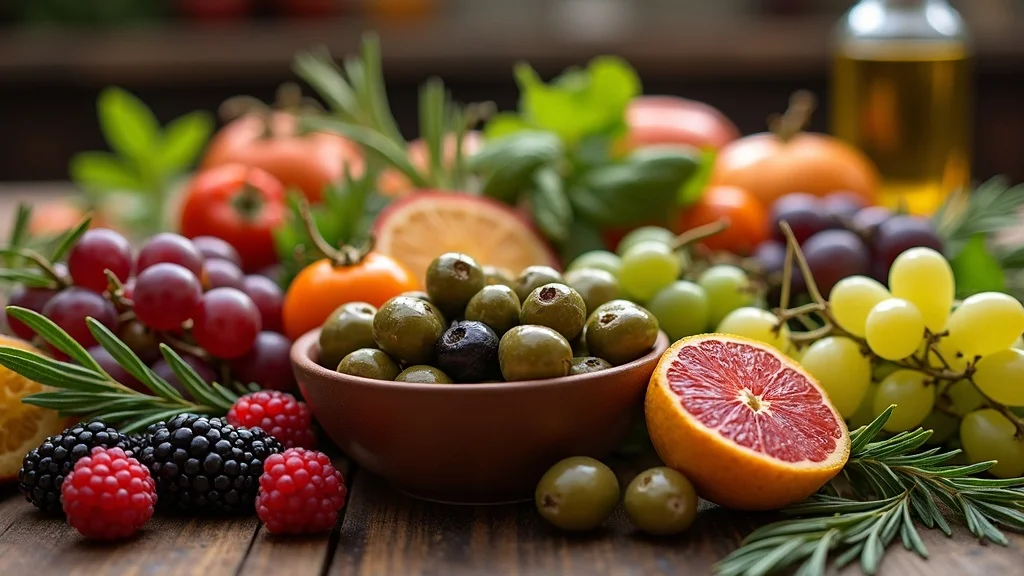
Fruits and vegetables generally provide a wealth of plant phenolic compounds, but their concentrations and composition vary widely. Olives, in particular, contain not only a high quantity of total phenolics, but also a unique variety, such as oleuropein, that are rare or absent in other commonly-consumed plants. Berries and grapes are also celebrated for their polyphenol content, while apples and artichokes contribute significant quantities of important phenolic acids—such as chlorogenic acid and caffeic acid—that help drive their antioxidant activity. Choosing a variety of fruits and vegetables ensures a spectrum of healthful phenolics, but prioritizing olives can dramatically increase intake of some of the most potent bioactives in the plant kingdom.
Overall, consuming a diverse range of these foods promotes improved antioxidant status and contributes to disease prevention, with the Mediterranean diet standing out as a model of high-phenolic food intake thanks, in part, to its love of olives and olive oil.
Understanding the distribution and diversity of phenolic compounds in plants is essential for maximizing their health benefits. For those interested in the practical aspects of how these compounds are measured and extracted from plant sources, exploring advanced techniques for analyzing phenolic content can provide valuable insights into food quality and nutritional science.
Factors Influencing Phenolic Compound Distribution in Plants

Several factors determine the quantity and composition of phenolic compounds in plants. Genetics play an important role—certain species, varieties, and cultivars naturally accumulate higher or lower phenolic contents. For example, wild olives generally have even more plant phenolic than cultivated varieties, while differences among apple types can influence phenolic acid content by up to 100%. Additionally, soil quality, altitude, and available nutrients can impact secondary metabolite synthesis—often boosting defensive compounds, like phenolics, under more stressful conditions.
Environmental factors are equally significant. Sun exposure increases flavonoid content in plant skins, while drought and pest presence can trigger a surge in both phenolic acids and other bioactive compounds. Fruit ripeness usually affects phenolic profiles: polyphenol concentrations can drop as fruits mature or are overripe. This dynamic interaction between plant genetics, climate, stress, and growing practices shapes both the flavor and health potential of fruits and vegetables on our table.
Seasonal and Environmental Influences on Phenolic Compounds in Plants
| Plant Source | Key Phenolic Compounds | Average Total Phenolic (mg/100g) |
|---|---|---|
| Olives (raw) | Oleuropein, hydroxytyrosol | 650–900 |
| Blueberries | Anthocyanins, chlorogenic acid | 250–350 |
| Apples | Quercetin, phloridzin | 60–120 |
| Grapes | Resveratrol, catechin | 120–220 |
| Tomatoes | Caffeic acid, ferulic acid | 10–30 |
This comparison highlights that olives reliably deliver higher phenolic content and a broader spectrum—especially hydroxytyrosol and oleuropein—than comparable plant foods.
How Phenolic Compounds in Plants Deliver Antioxidant Activity
Mechanisms of Antioxidant Activity in Plant Phenolics
The antioxidant activity of phenolic compounds in plants is a major reason they’ve become nutrition science’s darlings. By donating electrons or hydrogen atoms from their hydroxyl groups, these compounds neutralize free radicals—highly reactive molecules that damage cells and contribute to chronic disease. This inhibitory effect on reactive oxygen species shields plant cells from oxidative damage during stress, and when eaten, offers humans a defense system against aging and inflammatory conditions. Phenolic acids like caffeic acid, ferulic acid, and chlorogenic acid are especially potent in their ability to slow down oxidative processes both inside plants and in the human body.
Importantly, the degree of antioxidant capacity depends on both the number and position of hydroxyl groups on the phenol ring, and the molecule’s ability to interface with cell membranes. These qualities are magnified in high-phenolic foods such as olives, which contain unique compounds with especially high radical-scavenging activity, making their antioxidant activity particularly effective at supporting cardiovascular health, brain function, and immunity.
Role of Phenolic Compound Structure in Antioxidant Capacity
- Hydroxyl-rich phenolic acids (e.g., caffeic and ferulic acid) scavenge free radicals efficiently.
- Polyphenols (like flavonoids and lignans) stabilize cell membranes and prolong antioxidant effects.
- Larger, polymeric phenolic substances remove persistent oxidative stress triggers.
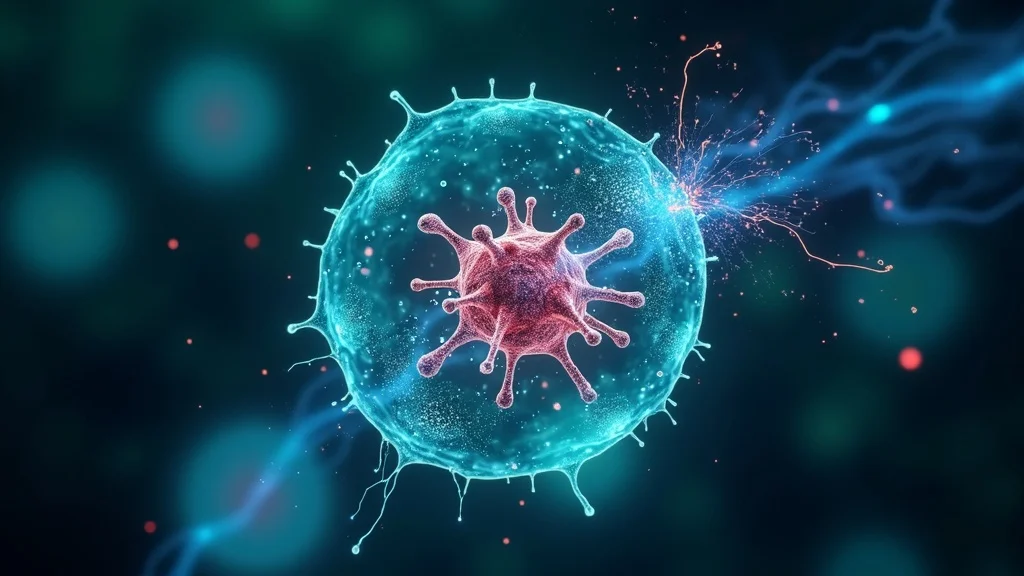
"Antioxidant activity of phenolic compounds in plants is a primary reason for their reputation as health-promoting nutrients."
Beyond merely mopping up free radicals, many phenolic substances interact with signaling pathways to activate the body’s own antioxidant defenses. Certain compounds like hydroxytyrosol (found abundantly in olives) show inhibitory effects on enzymes that generate ROS in human cells—amplifying their health impact at relatively small dietary doses.
Chemistry Behind Phenolic Acid and Antioxidant Capacity
The chemistry underlying antioxidant capacity is rooted in the phenol ring’s ability to stabilize unpaired electrons—a task made possible by the conjugated double-bond system of the aromatic ring and the donating actions of multiple hydroxyl groups. Phenolic acids, including benzoic acid and cinnamic acid derivatives, are among the most active, especially when substituted with additional groups (as in chlorogenic and ferulic acid). This reactivity provides crucial protection not only for plant cells, but also helps prevent oxidative stress and the progression of chronic diseases—such as atherosclerosis, diabetes, and neurodegeneration—when they are present in the human diet.
Watch animation: How phenolic compounds in plants neutralize free radicalsPhenolic Compounds in Plant Defense Mechanisms
Plant Phenolic as a Tool for Pest and Disease Resistance

Plant phenolic compounds serve as a main line of defense against an array of pathogens, herbivores, and environmental stressors. When a plant detects invasions by fungi, bacteria, or insect pests, it dramatically ramps up the biosynthesis of specific phenolic acids and polyphenols, which then accumulate at the site of injury. These active compounds create physical and chemical barriers—thickening cell walls, obstructing microbial enzymes, and emitting bitter flavors or toxins to deter would-be attackers. By boosting total phenolic production after attacks, plants improve their survival odds, making these substances essential for agricultural resilience and sustainable food systems.
The inhibitory effect of certain plant phenolic on digestive enzymes curbs the feeding efficiency of many ant species and insect herbivores, providing natural pest control. This is especially evident in olives, whose high phenolic content not only reduces disease but also extends shelf life and quality—offering a unique advantage in both agriculture and human nutrition.
How Plants Leverage Phenolic Compounds When Damaged
- Rapid phenolic synthesis at wound sites (secondary metabolites).
- Production of anti-microbial and anti-fungal agents (e.g., hydroxytyrosol, ferulic acid).
- Strengthening cell walls with lignins and tannins to prevent further incursion.
This emergency response showcases the double benefit of phenolic compounds in plants: defense for the plant, and greater antioxidant activity for those who consume the resulting fruits and vegetables.
| Stressor | Typical Response | Key Phenolic Compounds Produced |
|---|---|---|
| Insect Attack | Rapid phenolic synthesis at damage site, increased bitterness | Oleuropein, hydroxytyrosol, tannins, lignans |
| Microbial Infection | Accumulation of phenolic acids, antimicrobial activity | Ferulic acid, benzoic acid, caffeic acid |
| UV Exposure | Enhanced flavonoid and anthocyanin synthesis, surface protection | Quercetin, anthocyanins |
Different types of stress elicit the production of specific categories of phenolic compounds in plants, helping fortify them against a wide spectrum of challenges.
The Strategic Importance of Phenolic Compounds for Olives
Olives’ high phenolic content is no evolutionary accident. Endemic to Mediterranean regions prone to drought, disease, and insect pressure, olives synthesize large quantities of both unique and conventional plant phenolic, ensuring not just survival, but robust yields and extraordinary nutritional value. The spectrum of phenolics—especially oleuropein and hydroxytyrosol—confers both pest and disease resistance and also translates directly to superior antioxidant activity and health benefits for those embracing olives in their diet. This makes olives a strategic plant for both nature and nutrition science alike.
Absorption and Metabolic Pathways: Phenolic Compounds in Human Health
How Humans Metabolize Phenolic Compounds from Fruits and Vegetables
Once ingested, phenolic compounds in plants face a metabolic journey in the human body. Most plant phenolic enter the digestive tract either in a free form or as glycosides (sugar-attached forms). In the small intestine, some are absorbed directly, but many travel to the colon, where gut bacteria transform them into active metabolites. These smaller derivatives—often with increased bioactivity—are then absorbed into circulation, offering systemic effects ranging from reduced oxidative stress to improved endothelial (blood vessel) health. The bioavailability of these compounds can vary widely depending on food source, preparation, and the individual's unique gut microbiome, but regularly consuming high-phenolic fruits and vegetables like olives, berries, and apples delivers consistent benefits for heart, brain, and immune system health.
Bioavailability of Plant Phenolic and Role of Phenolic Extract Supplementation
The body’s ability to absorb and utilize phenolic compounds is influenced by factors like molecular size, degree of polymerization, and food matrix. For example, phenolic extract supplements may enhance bioavailability by delivering highly concentrated, standardized doses of known actives (such as olive polyphenols or chlorogenic acid). However, natural food sources often provide more sustained delivery and synergistic effects with other secondary metabolites. Research suggests that combining plant phenolic from varied foods can optimize their health impact, while extracts may be useful for targeting specific conditions—such as supporting antioxidant activity in vulnerable populations. Olives and extra virgin olive oil remain unique for their concentration and diversity of easily absorbed phenolic substances, many of which are linked to reduced oxidative stress and improved cardiovascular function.
- Heart health (reduced blood pressure, improved vessel elasticity)
- Lowered risk of chronic diseases (diabetes, neurodegeneration)
- Support for immune function
- Plausible cancer-preventive effects via inhibition of cell proliferation

The Unique Human Health Benefits of Olive-Derived Phenolic Compounds
Olives are singular in their ability to deliver not only a high total phenolic concentration but also very unique compounds (like oleuropein and hydroxytyrosol) with outsized biological activity. Clinical and population studies increasingly connect regular olive consumption with lower rates of cardiovascular disease, better cholesterol profiles, and protection against blood vessel aging. Hydroxytyrosol and other olive phenolics exhibit strong inhibitory effects on inflammation and oxidative stress, helping to prevent the progression of atherosclerosis and supporting healthy circulation. Notably, metabolites from olive polyphenols cross the blood-brain barrier, providing neuroprotective effects against degenerative conditions and cognitive decline. Whether enjoyed as whole olives, olive oil, or phenolic extract supplements, these foods fortify your body from the inside out.
Potential Interactions and Safety of Consuming Plant Phenolics
In general, plant-derived phenolic compounds are considered very safe for human consumption, even in high-phenolic diets such as the Mediterranean pattern. Toxicity or negative interactions are rare, usually limited to isolated, highly concentrated extracts consumed in excess. The broad safety of phenolic acids, polyphenols, and lignans is backed by centuries of traditional diets and contemporary research. In rare cases, individuals sensitive to specific plant compounds or on medications influenced by polyphenol metabolism may require medical advice, but for most people, increasing intake of high-phenolic plants offers health protection rather than harm.
Comparing Phenolic Compounds in Different Fruits and Vegetables
Top Sources of Plant Phenolic: Olives, Berries, Grapes, Apples, and More
| Plant | Main Phenolic Compounds | Total Phenolic (mg/100g) |
|---|---|---|
| Olives | Oleuropein, hydroxytyrosol | 650–900 |
| Blackberries | Anthocyanins, ellagitannins | 260–320 |
| Grapes (red) | Resveratrol, quercetin | 120–240 |
| Apples (with peel) | Phloridzin, quercetin | 80–120 |
| Cocoa beans | Catechin, procyanidins | 550–750 |
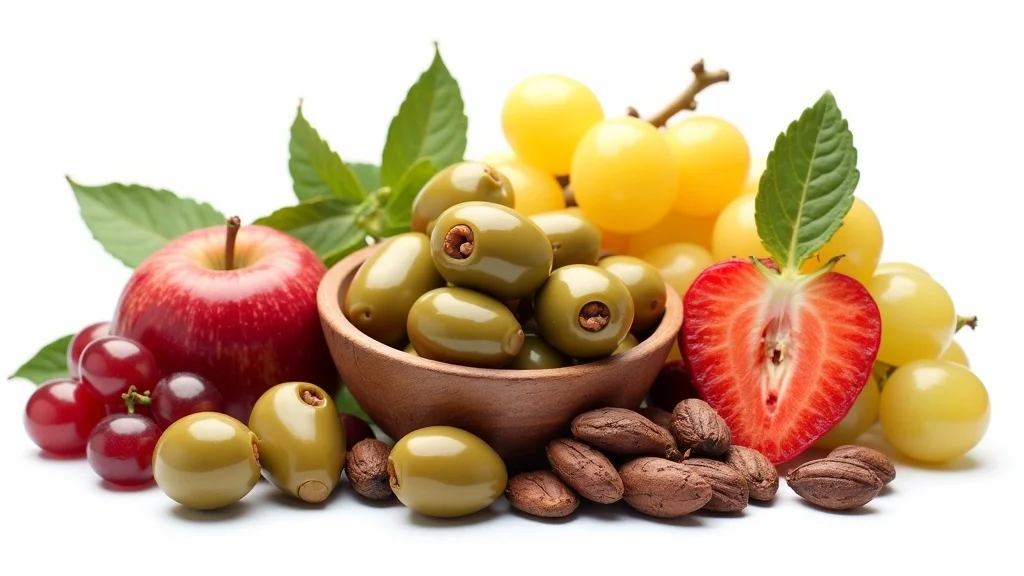
As illustrated, olives consistently outperform other commonly consumed fruits and vegetables, both in concentration and breadth of plant phenolics—justifying their reputation as a superior staple for nutrition and antioxidant activity.
How Preparation and Processing Affects Phenolic Compounds
- Minimal processing (raw or lightly cooked) preserves the highest phenolic content.
- Steam or microwave to reduce phenolic loss during cooking.
- Avoid soaking or discarding peels—many phenolics are present in skins.
- Choose unrefined extra virgin olive oil; refined oils lose most phenolic compounds.
"The processing of olives into extra virgin olive oil preserves unique phenolic compounds absent from most other plant foods."
Food preparation methods can make or break the health impact of plant phenolics. While cooking, soaking, or high-temperature processing may reduce phenolic acid and polyphenol content, simple practices like steaming or consuming raw olives, apples (with peel), and berries preserves most of their nutritional value. Notably, extra virgin olive oil is produced using cold extraction to maintain its full spectrum of polyphenols, unlike refined olive oils—making it an ideal source for supporting antioxidant and cardiovascular health.
The Role of Phenolic Compounds in Circulation and Vascular Health
Exploring Antioxidant Activity and Vascular Protection
Phenolic compounds in plants, especially those in olives, are uniquely capable of supporting circulation by protecting blood vessels from oxidative stress and inflammation. The potent antioxidant activity of olive polyphenols like hydroxytyrosol and oleuropein helps maintain arterial flexibility, decreases oxidative damage to cholesterol, and suppresses pathways that lead to blood clotting and vascular dysfunction. This vascular-protective action is at the core of olives’ reputation for supporting heart health and may explain the lower rates of cardiovascular disease observed in populations that consume a phenolic-rich Mediterranean diet.
Clinical Findings: Plant Phenolic and Blood Circulation
- Regular olive oil consumption lowers blood pressure and improves endothelial function.
- Hydroxytyrosol-rich diets reduce arterial plaque formation in clinical trials.
- Intake of high-phenolic extra virgin olive oil correlates with lower heart attack and stroke risk.
- Polyphenols from berries and grapes improve microcirculation and decrease inflammation.
| Study | Plant Source | Main Finding |
|---|---|---|
| Predimed (Spain, 2013) | Olive oil (high-phenolic) | 30% reduction in cardiovascular events |
| Polyphenol Blood Pressure Study (2018) | Olives, berries | Significant drop in systolic BP |
| Meta-analysis (2022) | Various fruits/veg | Higher polyphenol diet associated with lower risk of vascular calcification |
Optimal Ways to Incorporate High-Phenolic Olives and Oils Into Diet
- Enjoy whole olives as snacks, salads, or tapenades.
- Replace other oils with extra virgin olive oil for cooking and dressings.
- Combine olives and olive oil with other phenolic-rich foods like tomatoes and leafy greens for synergistic benefits.
- Consider olive phenolic extract supplements if advised by a healthcare professional.
Extraction, Analysis, and Measurement of Phenolic Compounds in Plants
Techniques for Measuring Phenolic Compounds in Plant Samples
Modern science employs highly advanced analytical techniques for quantifying the content and diversity of phenolic compounds in plants. Among the most common methods are spectrophotometry (Folin–Ciocalteu assay for total phenolic), high-performance liquid chromatography (HPLC), and mass spectrometry. These methods allow for accurate measurement of phenolic acids, flavonoids, and other subgroups in fruits and vegetables, ensuring that both growers and consumers receive products with the highest bioactive value. Open access databases and creative common scientific resources now make such data widely available, supporting both consumer choice and agricultural innovation.
Advances in Phenolic Extract Production and Application
Breakthroughs in food technology have made it possible to isolate highly concentrated phenolic extracts from foods like olives, grapes, and apples. The extraction process typically leverages solvents like ethanol or advanced filtration techniques to yield high-purity phenolic substances, which can be used in supplements or nutraceuticals. Applications now range from heart-health supplements to natural food preservatives. Ongoing research supports their efficacy and safety, though whole-food sources are preferable for broad nutritional support.
"Cutting-edge analytical methods have revolutionized the detection and quantification of phenolic compounds in modern plant science."
Challenges in Standardizing Plant Phenolic Content
Despite advances, a significant challenge remains in standardizing the phenolic content of foods and supplements. Factors such as plant variety, growing region, harvest time, and processing all affect measured concentrations, leading to variability in health claims. Ongoing research aims to develop better standards, including reference materials and global guidelines, so consumers can trust label claims and maximize their intake of beneficial plant phenolic. Meanwhile, opting for high-phenolic staples like olives and extra virgin olive oil remains the best strategy for consistent, daily benefits.
Watch lab walkthrough: How phenolic compounds are tested in olivesPeople Also Ask About Phenolic Compounds in Plants
What plants are rich in phenolic compounds?
- Olives
- Berries (blueberries, raspberries)
- Cocoa
- Grapes
- Apples
- Artichokes
Detailed answer:
Many fruits and vegetables contain phenolic compounds, but olives are among the richest sources due to their variety of phenolic acids and unique compounds such as oleuropein. Berries (blueberries, raspberries), cocoa, artichokes, and grapes also have high concentrations and offer valuable antioxidant activity.
What happens to phenolic compounds when plants are damaged?
- Increased synthesis of plant phenolic compounds at injury site
- Ramp-up of defense enzymes and antimicrobial activity
- Altered phenolic profiles and enhanced antioxidant activity
Detailed answer:
When plant tissues are damaged, the synthesis of phenolic compounds often increases as a defense response, enhancing resistance to pathogens and pests. This process also leads to changes in antioxidant activity within plant tissue, resulting in stronger protection for both plant health and nutritional quality.
What is the role of phenolic compounds in plant defense mechanisms?
- Act as antioxidants and antimicrobials
- Inhibit pest digestive enzymes
- Form compounds that deter herbivores
- Strengthen cell walls and slow disease spread
Detailed answer:
Phenolic compounds serve as protective agents against herbivores and microbes. They act as antioxidants, antimicrobial agents, and inhibitors of digestive enzymes, fortifying plant tissue under threat and preserving the overall health of the organism.
Is phenolic harmful to humans?
- The majority of plant phenolic compounds are very safe
- Health benefits at normal dietary levels are well established
- Toxicity is rare and only seen at unnaturally high doses from supplements
Detailed answer:
The majority of plant-derived phenolic compounds are safe for human consumption and provide health benefits. Toxicity is rare and usually associated with very high, non-dietary concentrations. For most people, increasing phenolic intake supports wellness, especially for antioxidant activity and circulation.
Frequently Asked Questions About Phenolic Compounds in Plants
- Are all phenolic compounds antioxidants?
- How much phenolic acid is typically present in olives?
- Do phenolic compounds in fruits and vegetables degrade during cooking?
- What are the main differences between phenolic acids and flavonoids in plants?
- Can phenolic extracts be used as dietary supplements?
Key Takeaways on Phenolic Compounds in Plants
- Phenolic compounds in plants, especially in olives, contribute significantly to antioxidant activity and vascular health.
- Olives outrank many fruits and vegetables in both diversity and concentration of phenolic compounds.
- Dietary intake of plant phenolic, particularly from olives, offers proven benefits for circulation and overall health.
Start Optimizing Your Circulation: Harness the Power of Plant Phenols
- Discover how plant phenols support circulation naturally.
Conclusion: Embracing the Health Power of Phenolic Compounds in Plants
- Encouragement to prioritize olives and other rich sources of phenolic compounds in a balanced diet.
"A diet high in plant phenolics, especially from olives, is a natural strategy for supporting long-term vascular health and antioxidant defense."
As you continue to explore the remarkable world of plant-based bioactives, consider how the benefits of phenolic compounds extend beyond personal health to broader community and environmental well-being. Initiatives that promote sustainable agriculture and responsible waste management, such as the EPA’s campaign to reduce problem waste and protect communities, highlight the interconnectedness of plant science, nutrition, and public health. By making informed choices about the foods you consume and supporting efforts that safeguard our environment, you contribute to a healthier future for both people and the planet. Dive deeper into these topics to discover how your dietary habits and advocacy can make a meaningful impact on community wellness and ecological sustainability.


Write A Comment