 Add Row
  Add
Add 


Did you know? A recent analysis found that individuals with diets high in lycopene-rich foods had nearly a 30% lower risk of certain chronic diseases compared to those with low lycopene intake

A Surprising Fact About Lycopene: Why You Can't Ignore This Powerful Antioxidant
Lycopene has quietly transformed from a simple plant pigment into one of the most researched and celebrated antioxidants in modern nutrition. This vibrant compound is behind the red hues of tomatoes and watermelons, but its value goes far beyond color. Studies suggest that a higher intake of lycopene through tomato products and other sources can significantly reduce oxidative stress and even lower cancer risk, especially when it comes to prostate cancer. Despite its ubiquity in everyday foods, lycopene remains underappreciated for its profound health benefits, making it all the more important to understand just what this antioxidant does for your body.
Whether you're interested in disease prevention, better heart health, or simply want to know which fruits and vegetables best support your wellbeing, learning about lycopene and its biological effects is a must. With increased attention to whole food nutrition, the story of lycopene offers practical insights for anyone aiming to enhance their diet naturally without resorting to complex supplements. Let's dive into why nutritionists urge us not to overlook this potent carotenoid, and how embracing lycopene-rich choices can set you on the path toward lifelong wellness.
The Rise of Lycopene in Modern Nutrition
Over the past decade, lycopene has emerged as a nutrition superstar, making appearances in everything from scientific journals to wellness magazines. Its reputation isn't just a trend; the evidence is extensive. As research has explored diet-disease relationships, lycopene’s role in reducing oxidative stress and slowing disease progression has gained prominence. Due to increased interest in plant-based diets and natural antioxidant sources, health experts now recommend regular consumption of tomato products and other lycopene-rich foods. This surge is not only a result of its disease-fighting capabilities but also its accessibility—ripe tomatoes, watermelon, and pink grapefruit are everyday staples available to almost everyone.
Modern nutrition science continues to unfold new ways that lycopene contributes to biological effects in the body, including support for skin, heart, and even mental health. As a result, lycopene has become a focal point in dietary guidelines and functional food conversations, positioning itself as a key compound for proactive health management. Its rise in popularity offers a new perspective on how strategic, mindful eating can directly influence individual and public health outcomes in the United States and beyond.
For those interested in how dietary choices can further impact community health and environmental well-being, exploring initiatives like the EPA’s campaign to reduce problem waste offers valuable perspective on the broader benefits of mindful consumption and sustainable habits.
What You'll Learn About Lycopene and Its Health Benefits
How lycopene supports vital body functions
The science behind lycopene's effects on health
Practical tips for increasing lycopene dietary intake
Insights on lycopene supplementation and safety
Lycopene 101: Understanding the Powerful Carotenoid

What Is Lycopene? Structure, Sources, and Physiology
Lycopene is a naturally occurring carotenoid—a long-chain hydrocarbon made exclusively of carbon and hydrogen atoms. This structure accounts for its brilliant red color and powerful antioxidant activity. Unlike some carotenoids that our bodies can convert into vitamin A, lycopene does not serve this function. Instead, it stands out for its ability to quench singlet oxygen and neutralize free radicals, making it a crucial player in the fight against oxidative stress. The majority of lycopene in the human diet comes from tomato products, though it is also abundant in watermelon, pink grapefruit, and guava.
Physiologically, lycopene is fat-soluble. This means that its absorption of lycopene is enhanced when eaten with dietary fats, such as olive oil. The more bioavailable form of lycopene—trans-lycopene—can be found in processed tomato products like tomato sauce and tomato paste, which undergo heat treatment to transform lycopene into a form easier for our bodies to use. Understanding lycopene at the molecular level is the first step to harnessing its health benefits for disease prevention and general wellness.
How Does Lycopene Work in the Body? (Biological Effects of Lycopene)

Once consumed, lycopene is absorbed in the intestines, transported via lipoproteins, and stored primarily in the liver, adrenal glands, and prostate tissue. Lycopene’s unique molecular structure allows it to efficiently scavenge free radicals—unstable molecules that can damage cells and DNA—thereby reducing the overall oxidative stress level in tissues. These biological effects have been linked to a lower risk of several chronic diseases, most notably cardiovascular disease and various forms of cancer.
What makes lycopene especially effective is its ability to target specific organs, such as the prostate and skin, offering targeted protection. Its antioxidant action not only helps control cell damage, but may also reduce inflammation and modulate signals that affect cell growth. This is why increasing one’s intake of lycopene is increasingly recognized by dietitians and health professionals as a simple yet powerful preventive measure.
Absorption of Lycopene: Factors That Influence Bioavailability
The effectiveness of lycopene is dependent not just on how much you consume, but on how well your body absorbs it. Several factors influence the absorption of lycopene: food matrix, presence of dietary fats, and whether the food is cooked or raw. Research consistently demonstrates that processed tomato products—like tomato paste and tomato sauce—offer higher lycopene bioavailability than raw tomatoes, due to the breakdown of plant cell walls during cooking. This makes it easier for lycopene to integrate into micelles (tiny droplets required for fat-soluble nutrient absorption in the intestine) and thus be utilized by the body.
Pairing lycopene-rich foods with healthy fats—think extra virgin olive oil or avocado—further promotes absorption. Age, digestive health, and other dietary components (like fiber intake) can also play roles in how efficiently lycopene is taken up by the body. By making minor tweaks in how you prepare and combine your foods, you can significantly improve your body’s utilization of this antioxidant powerhouse for optimal health benefits.
Key Dietary Sources: Where to Find Lycopene in Your Diet
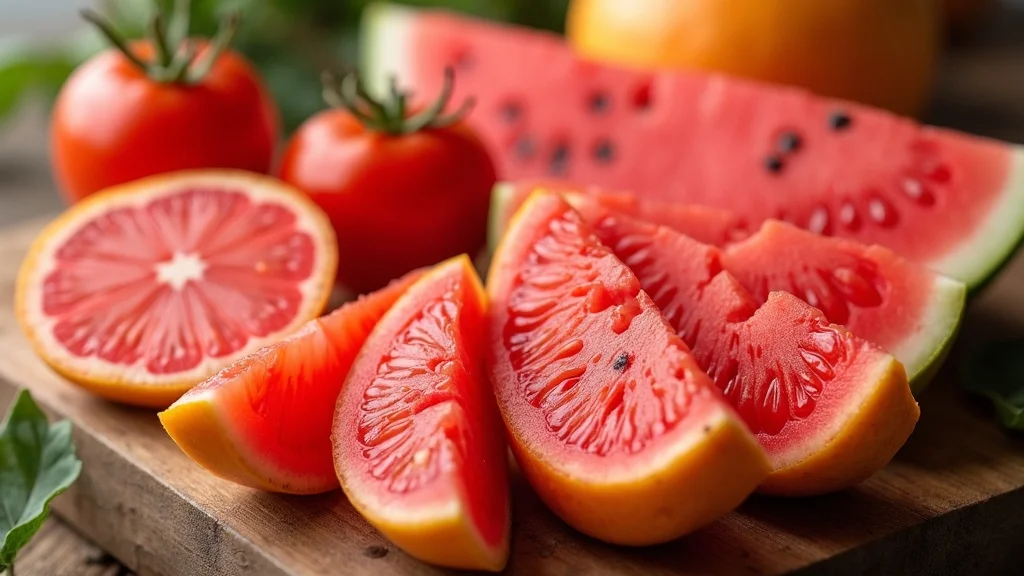
Fruits and Vegetables Rich in Lycopene
The richest natural sources of lycopene include not only tomato products, but also bright red and pink produce such as watermelon, pink grapefruit, guava, and papaya. Among fruits and vegetables, ripe tomatoes (particularly the skin) provide the highest raw lycopene concentration. Watermelon rivals tomatoes in lycopene content and boasts the added benefit of being a hydrating, summer-friendly snack. Pink grapefruit and guava offer unique flavors and add diversity to your lycopene intake, while also supplying vitamin C, fiber, and other phytonutrients. Peppers and red cabbage supply small amounts but are excellent for variety in your diet.
Building a plate rich in lycopene-packed food products isn't just beneficial for antioxidant support—it's delicious, too. A varied approach, incorporating both raw and cooked options, maximizes your daily intake and ensures that you’re supporting your body with a host of vital micronutrients along with this potent carotenoid.
Tomato Products and Lycopene Content

Tomato products are by far the most popular and concentrated dietary source of lycopene. The process of cooking tomatoes to make products such as tomato paste, tomato sauce, or tomato juice alters the lycopene molecule structure, creating a form that is significantly more bioavailable than that found in raw tomatoes. A tablespoon of tomato paste contains several times the lycopene of a whole raw tomato, making it an efficient addition to your daily meals.
Other versatile products include diced tomatoes, canned tomatoes, and even ketchup (though watch for added sugars). By incorporating these products into soups, sauces, or casseroles, you can effortlessly elevate your lycopene intake while enjoying classic comfort foods. When you shop for tomato products, look for “whole peeled” or “organic” options for maximum nutrient retention and minimal additives.
Tomato Sauce, Tomato Paste, and Tomato Product Comparisons
While all tomato-based products are excellent lycopene sources, their actual lycopene content varies based on preparation, processing, and serving size. Tomato paste tends to have the highest concentration, followed by tomato sauce, and then whole or diced tomatoes. The heat used during cooking helps break down cell walls in tomatoes, which increases the lycopene level that your body can absorb. If you're aiming for maximum antioxidant benefits, incorporating a combination of these foods throughout the week is your best strategy. Below is a table comparing typical lycopene concentrations found in common foods:
Lycopene Content in Common Foods (per serving) | ||
Food |
Serving Size |
Lycopene Content (mg) |
|---|---|---|
Raw Tomatoes |
1 medium (123g) |
3–4 |
Tomato Sauce |
1/2 cup |
17 |
Tomato Paste |
2 tbsp |
13–16 |
Watermelon |
1 cup (154g) |
6–7 |
Pink Grapefruit |
1 medium (230g) |
1.7–3 |
Guava |
1 medium (165g) |
5.2 |
Dietary Intake of Lycopene: Typical Patterns in the United States
United States Consumption Trends and Intake of Lycopene
In the United States, average dietary intake of lycopene remains well below optimal levels. Most Americans consume lycopene inadvertently through common foods—primarily in the form of tomato sauce on pizza or pasta. Despite being part of the typical American diet, the lycopene concentration in daily intake often falls short of ideal targets for reducing major risk factors related to cancer risk and cardiovascular disease. Studies suggest that, while adults average about 6–10 mg lycopene daily, research supports higher intakes—15 mg or more—for measurable health benefits.
There’s a noticeable gap between current consumption patterns and what’s suggested for optimal wellness. This makes it crucial to intentionally seek out lycopene-rich foods instead of relying solely on processed food products. With knowledge of the top sources and preparation methods, it becomes easier to bridge this gap and make powerful dietary changes for long-term health improvement.
Tips to Boost Your Dietary Intake of Lycopene Every Day
Easy recipe ideas with tomato products
Pairing lycopene with healthy fats (like olive oil)
Recommended portion sizes of fruits and vegetables

If you want to increase your lycopene intake, try these strategies for nourishing both body and taste buds:
Quick Pasta Sauce: Simmer canned tomatoes, tomato paste, or tomato sauce with garlic and basil, then toss with whole-wheat pasta and a drizzle of high-quality olive oil.
Fresh Salsa: Mix diced raw tomatoes, watermelon, and pink grapefruit for a summertime salad or salsa—pair with avocado to boost lycopene absorption.
Morning Smoothie: Add a chunk of watermelon or pink grapefruit to your favorite smoothie, or blend with low-fat yogurt for an energizing, antioxidant-rich breakfast.
Portion Guidance: Aim for at least 5–9 servings daily of colorful fruits and vegetables. A half-cup of tomato products provides a meaningful boost!
The Effects of Lycopene on the Body: Antioxidant Power and More
Effects of Lycopene: How It Fights Oxidative Stress

The primary benefit of lycopene is its remarkable ability to counteract oxidative stress—an imbalance between harmful free radicals and your body's antioxidant defenses. Free radicals can damage proteins, fats, and DNA, contributing to premature aging and a range of chronic diseases, including cancer risk and cardiovascular conditions. Lycopene is uniquely structured to neutralize these unstable molecules, especially in tissues with high lycopene concentration such as the prostate and skin.
Compared with other carotenoids, lycopene is highly effective at quenching singlet oxygen, a particularly destructive form of reactive oxygen species. This makes daily dietary lycopene intake critical for healthy aging and cellular protection, with a bonus effect of supporting immune resilience. By maintaining internal balance and reducing cellular damage, lycopene fulfills its role as one of nature's most powerful dietary antioxidants.
Lycopene and Its Beneficial Effects on Biological Systems
“Lycopene is one of the most potent antioxidants found in nature, capable of neutralizing free radicals at a rate far greater than other dietary carotenoids.”
Lycopene’s beneficial effects go beyond just neutralizing reactive molecules. Emerging research links lycopene consumption to improved cholesterol profiles, stabilization of blood vessel function, and modulation of immune responses—all critical to preventing chronic diseases. Its presence in biological membranes helps reinforce cellular integrity, while its anti-inflammatory effects may provide additional protection against oxidative damage and age-related degeneration.
These diverse health benefits are a testament to lycopene's significance in overall wellness, reinforcing the idea that regular dietary intake from fruits and vegetables and tomato products is foundational to preventative health strategies recommended by leading nutritionists and public health agencies alike.
Lycopene and Disease Prevention: The Science Explained

Lycopene and Prostate Cancer: What Does Research Show?
The link between lycopene intake and prostate cancer prevention is among the most studied in nutritional science. A growing body of evidence suggests that regular consumption of lycopene-rich foods, particularly tomato products, is associated with a decreased risk of developing prostate cancer. The selective concentration of lycopene in prostate tissue hints at its special protective role against oxidative DNA damage—a key risk factor for cancer initiation and progression.
Recent meta-analyses of epidemiological studies show that men with the highest dietary lycopene levels experience up to a 20–30% reduced risk of prostate cancer compared to those with the lowest. This benefit appears strongest in those who consume cooked tomato products, as the enhanced bioavailability allows for greater protective effects. While lycopene is no magic bullet, its synergistic action as part of a balanced diet makes it a critical component of male wellness plans, especially for those at increased cancer risk.
Lycopene Supplementation and Its Impact on Cancer Risk
Interest in lycopene supplementation has grown as people look for convenient ways to meet their antioxidant needs, particularly for cancer risk reduction. While many observational studies support the use of whole food sources, some clinical trials suggest that lycopene supplements may also lower markers of oxidative DNA damage and improve cellular resilience. However, the protective effects seen in population studies are generally stronger when lycopene is consumed as part of a diverse, plant-rich diet rather than in isolated supplements.
Experts caution that while supplementing may help close the gap for those who struggle to meet dietary targets, there is no substitute for the complex nutrient interplay found in whole foods. The best cancer-prevention strategies pair high lycopene intake from whole fruits and vegetables with an overall healthy lifestyle, minimizing reliance on supplements for long-term wellbeing.
Lycopene’s Role in Cardiovascular Disease Prevention
Lycopene’s contributions to heart health are equally compelling. Numerous studies reveal an inverse relationship between lycopene levels and risk factors for cardiovascular disease. Lycopene works by reducing the oxidation of LDL cholesterol—a primary initiator of arterial plaque buildup—and by supporting blood vessel elasticity. Research indicates that individuals with high lycopene dietary intake have lower rates of heart attacks and strokes, making it a valuable ally in lowering overall cardiovascular risk profiles.
These effects are amplified by the synergy between lycopene and other key dietary antioxidants, such as vitamin C and vitamin E, especially when sourced from colorful produce. Including regular servings of tomato products, watermelon, and pink grapefruit in your meal plan is a simple and enjoyable way to support a healthy heart.
Additional Beneficial Effects: Beyond Cancer and Heart Health
Support for skin health
Potential for neuroprotection
Anti-inflammatory actions
Beyond its well-established roles in cancer and heart disease prevention, lycopene has been studied for its positive effects on skin health, neuroprotection, and inflammation management. Regular lycopene consumption can improve skin’s resistance to UV-induced damage and may promote a radiant complexion. Early studies suggest neuroprotective benefits, potentially reducing the risk of cognitive decline as we age. Its anti-inflammatory properties add another dimension, supporting joint health and overall immune function.
With such a broad spectrum of beneficial effects, lycopene is one antioxidant that deserves a permanent place in your health regimen.
Watch: Short explainer – The journey of lycopene from food to cells (animation)
Lycopene Supplementation: Advantages, Dosage, and Safety
Lycopene Supplements vs. Whole Food Sources

Lycopene is available as a dietary supplement, often in softgel or capsule form. While these options offer standardized dosing and can help meet daily intake goals, research repeatedly favors lycopene from whole food sources for maximum effectiveness. Tomato products, watermelon, and pink grapefruit provide not only lycopene but also a spectrum of other phytochemicals, fiber, and nutrients that work in harmony for better biological effects.
The absorption and metabolism of lycopene in supplement form may not fully replicate the complex matrix found in natural foods. For most people, starting with fruits and vegetables and adding supplements only when needed (e.g., for those with dietary restrictions or higher risk factors) is the best approach.
Guidelines for Lycopene Supplementation: Dosage and Timing
If you’re considering a lycopene supplement, current recommendations range from 10 to 30 mg per day, matching the amount found in 1–2 cups of cooked tomato products. Lycopene is best absorbed when taken with meals that include healthy fats. Over-supplementation offers no additional benefit and could, in rare cases, interfere with the absorption of other important carotenoids.
Before starting any supplement regimen, it’s best to consult a healthcare professional, particularly if you’re on medication or managing a chronic condition. A food-first approach remains the gold standard, but supplements can fill gaps when dietary intake is insufficient or for those with increased nutrient needs.
Who Should Consider Lycopene Supplements?
Lycopene supplementation is most appropriate for individuals who have trouble consuming enough fruits and vegetables (such as those with allergies or intolerances), people with higher antioxidant needs, or for those at elevated risk for prostate cancer and other diet-related conditions. Additionally, vegetarians and older adults—who may need more oxgyen radical defense—could consider discussing lycopene supplements with their healthcare providers.
That said, experts consistently recommend whole food sources as the safest, most effective option for the general population. Balance and regularity, rather than megadoses, are key to realizing lycopene’s full health potential.
Are There Side Effects or Risks to Lycopene Supplementation?
Lycopene is considered safe for most individuals, especially when obtained through the diet. Side effects from food sources are extremely rare; excessive supplement use can, in isolated cases, cause gastrointestinal discomfort or skin discoloration (lycopenodermia). Pregnant or breastfeeding women and those with specific allergies should consult their healthcare provider before starting supplementation.
As with any nutrient, moderation is key—more is not always better. By relying on a diverse, colorful diet, you can safely achieve the right lycopene level for health promotion without the risk of adverse effects.
Comparison of Lycopene Supplement Brands | ||||
Brand |
Dosage (mg) |
Form |
Price (USD/Month) |
Source |
|---|---|---|---|---|
Lycopure |
15 |
Softgel |
$12 |
Tomato extract |
UltraLycopene |
25 |
Capsule |
$18 |
Natural |
Nature's Best |
10 |
Softgel |
$10 |
Tomato blend |
“For most people, a balanced diet remains the best source of lycopene, but supplementation can fill gaps for those with unique dietary needs.”
Watch: Expert interview – Nutritionist discusses strategies to incorporate lycopene-rich foods into daily routines.
People Also Ask About Lycopene
What is lycopene good for?
Lycopene is primarily known for its antioxidant properties, supporting cardiovascular health, reducing cancer risk, and protecting the skin from UV damage.
What food is highest in lycopene?
Tomatoes and processed tomato products (tomato sauce, tomato paste) are among the highest sources, followed by watermelon, pink grapefruit, and guava.
Who should avoid lycopene?
Individuals with known allergies to lycopene or tomato-based products, pregnant or breastfeeding women (due to insufficient data on supplements), and those on certain medications should consult a doctor before supplementing.
Why do men need lycopene?
Men may especially benefit because lycopene is linked to reduced prostate cancer risk and improved reproductive health.
Frequently Asked Questions About Lycopene
Does cooking affect lycopene levels?
Is lycopene safe to consume daily?
What's the best time to take lycopene supplements?
Does cooking affect lycopene levels? Yes
Is lycopene safe to consume daily? For most people, daily intake of lycopene through a balanced diet is considered safe and beneficial
What's the best time to take lycopene supplements? Lycopene supplements should be taken with meals that include healthy fats for optimal absorption, preferably at the same time each day
Key Takeaways on Lycopene for Better Health
Lycopene is a powerful antioxidant found in tomato products, fruits, and vegetables
Higher lycopene intake may reduce oxidative stress and cancer risk, especially prostate cancer
Dietary intake of lycopene is generally considered safest

Start Supporting Your Health Naturally
Conclusion: Harnessing the Benefits of Lycopene for Lifelong Wellbeing
Embrace a colorful, tomato-rich diet to unlock the protective power of lycopene—supporting your heart, reducing disease risk, and promoting vibrant health for years to come.
If you’re inspired to take your wellness journey a step further, consider how your personal health choices can ripple out to benefit your community and environment. Initiatives like the EPA’s campaign to reduce problem waste highlight the powerful connection between individual habits and collective well-being. By making mindful decisions—whether it’s choosing nutrient-rich foods or supporting sustainability efforts—you’re not only investing in your own vitality but also contributing to a healthier, more resilient world. Explore how small, intentional actions can create lasting positive change for both you and your community.


Write A Comment