 Add Row
  Add
Add 


Did you know? A single serving of olives can deliver more antioxidant activity than an equivalent amount of blueberries or red wine—proving that this humble fruit is a powerhouse of phenolic antioxidants, quietly defending your body from damage every day. Let’s uncover how these essential plant compounds, especially from olives, can help you live longer and healthier.
A Startling Insight: Olives as a Powerhouse of Phenolic Antioxidants
When you think of the world's healthiest foods, olives may not be the first that come to mind. However, research on the antioxidant properties of phenolics has revealed that olives stand out as a leading source of protective plant compounds—surpassing many fruits and vegetables traditionally touted for their health benefits. What sets olives apart is their uniquely rich and diverse blend of phenolic acids and other polyphenolic compounds, which grant them remarkable antioxidant capacity. These molecules, found concentrated in both the olive fruit and oil, can scavenge free radicals and neutralize reactive oxygen species (ROS) far more efficiently than many commonly consumed foods.
The abundance and variety of phenolic compounds in olives—such as hydroxytyrosol, oleuropein, and tyrosol—make them especially effective at curbing oxidative stress. As a result, olives not only protect the fruit itself from environmental damage but also impart these defenses to you when included in your diet. The significance of this phenolic richness cannot be overstated: consuming olives and extra virgin olive oil delivers a concentrated dose of nature's most effective antioxidants, helping you combat inflammation, slow cellular aging, and reduce the risk of chronic diseases. Let’s break down the science and show you why olives are the modern-day hero in antioxidant nutrition.
The Antioxidant Properties of Phenolics: Why They Matter
So, why should you care about phenolic antioxidants? In the modern world, our bodies are constantly under attack from free radicals—unstable molecules that result from environmental toxins, stress, and even normal metabolism. The antioxidant properties of phenolics allow these plant compounds to donate subtle hydrogen atoms, stabilizing free radicals and halting damaging chain reactions linked to aging and disease. Compared to other antioxidants, phenolic compounds have a unique structural advantage—a blend of hydroxyl groups attached to aromatic rings—that makes them highly reactive towards a broad spectrum of oxidative threats.
As science has shown, diets rich in phenolic acids and polyphenolic compounds offer robust protection against conditions ranging from heart disease to neurodegenerative disorders. This is thanks in part to their superior radical scavenging power and their ability to modulate key signaling pathways within the body. The best part? Olives provide these antioxidant benefits in a form that is easily absorbed and utilized, reinforcing why the Mediterranean diet—so rich in olive-derived phenolics—has long been associated with longevity. These unparalleled health perks continue to draw the attention of food chemists and nutritional researchers alike.
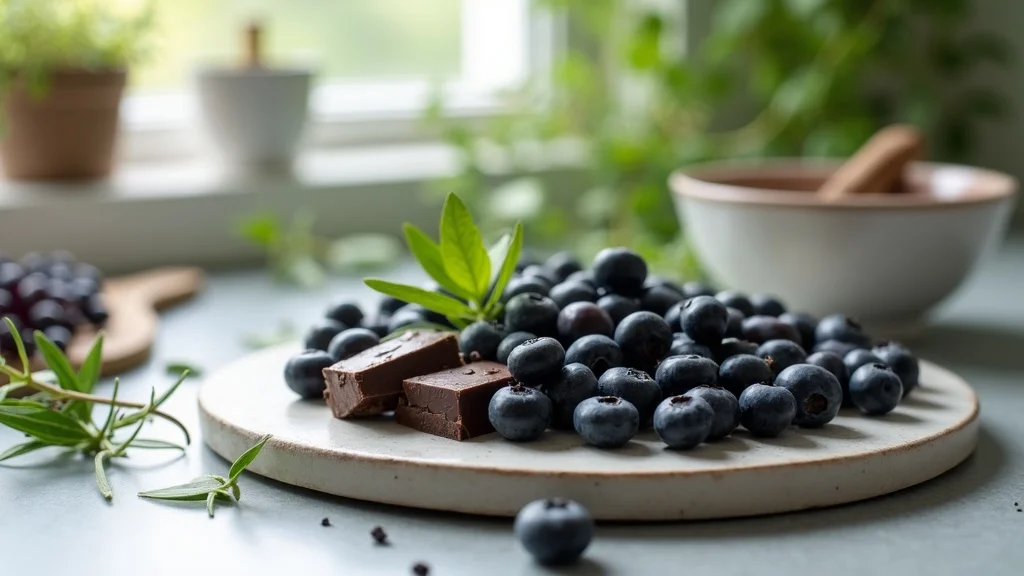
Phenolic Compounds in Olives—An Overview
Olives are not just about healthy fats—they’re also a treasure trove of polyphenolic compounds, particularly phenolic acids. The family of phenolics found in olives includes some of the most potent radical scavengers known in food chemistry. Hydroxytyrosol and oleuropein, for example, are recognized for their remarkable ability to neutralize both reactive oxygen and nitrogen species. These compounds, along with caffeic acid and gallic acid, give olives their pungent, slightly bitter taste while boosting their role as dietary defenders.
But it’s not just the type of phenolic compound that matters—it’s also their quantity and how easily the body can absorb them. Studies consistently show that the total phenolic content in olives and olive oil is higher and more bioavailable than what is present in other fruits or vegetables. This exposes the unrivaled value olives contribute to any balanced, high-antioxidant diet. From an evolutionary perspective, these phenolic compounds help the olive plant resist pathogens and survive under harsh Mediterranean sun—and they fortify our own health in strikingly similar ways when consumed.
Understanding the science behind phenolic antioxidants is just one part of the equation; practical steps for incorporating these compounds into your daily meals can make a significant difference. For a closer look at how to optimize your diet with high-phenolic foods and maximize their health benefits, explore our guide on effective strategies for integrating antioxidant-rich choices into your lifestyle.
What You’ll Learn About Antioxidant Properties of Phenolics
- Understand the role of phenolic compounds in human health
- Compare the antioxidant properties of phenolics with other antioxidants
- Learn why olives are a leading source of phenolic antioxidants
- Explore radical scavenging and its importance
- Identify foods rich in phenolic acids and antioxidants
Defining the Antioxidant Properties of Phenolics
What Are Phenolic Compounds?
Phenolic compounds are a wide class of plant-based chemicals that feature one or more aromatic rings with attached hydroxyl groups. These molecules are produced as a natural defense in plants, offering protection against ultraviolet light, pests, and pathogens. When humans consume these compounds—primarily through foods like olives, berries, and tea—they absorb similar benefits, namely enhanced antioxidant activity.
Structurally, it is the location and number of hydroxyl groups on the aromatic ring that give each phenolic compound its unique power. For example, hydroxytyrosol from olives features a simple ring but with abundant hydroxyl groups, resulting in potent free radical neutralization. Whether in the form of simple molecules like caffeic acid and gallic acid or more complex forms like flavonoids and tannins, all phenolic compounds reinforce the body's ability to neutralize oxidative threats.
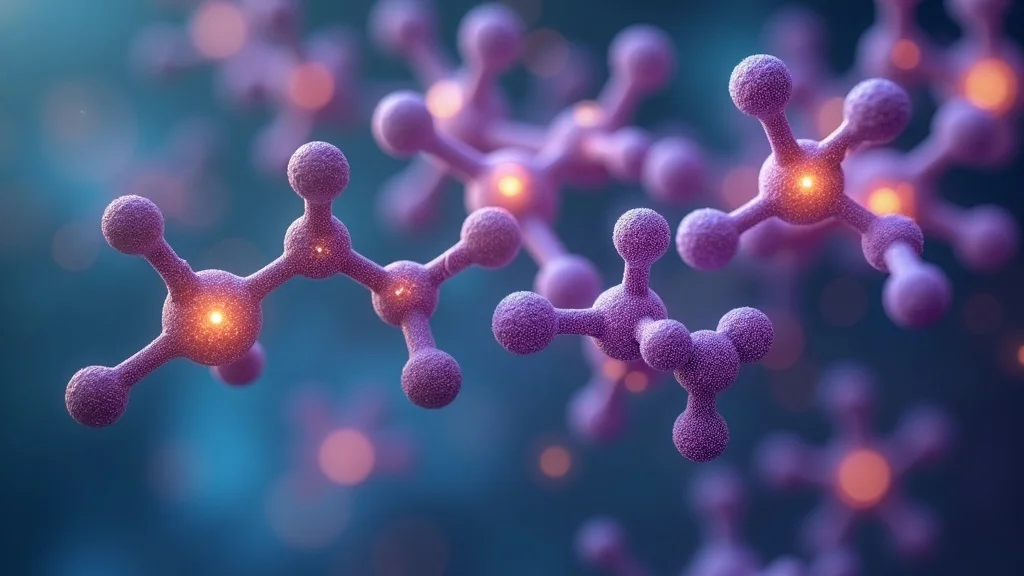
Chemical Structure and Role in Plants
In the plant world, the chemical structure of each phenolic compound serves a dual purpose: providing defense and supporting growth. The aromatic ring structure gives these molecules their stability and interactions with environmental stressors. The addition of hydroxyl groups enhances their ability to scavenge free radicals and absorb UV radiation, safeguarding the plant. For example, olive trees thrive under harsh sun due in great part to these natural protectors in their leaves and fruits.
From a nutritional perspective, this unique chemical architecture translates to effective radical scavenging in our bodies. Not all phenolic acids are created equal; small changes in the molecule can mean big differences in antioxidant capacity. This molecular diversity is part of why olives—containing a range of simple and complex phenolics—are so powerful. When you consume olives or olive oil, you inherit an evolutionary legacy of health-promoting defense mechanisms built by the plant.
Phenolic Acids: Subcategories and Their Benefits
Phenolic acids are a subclass of phenolic compounds distinguished by their carboxylic acid group attached to an aromatic ring. Major subcategories include hydroxybenzoic acids—like gallic acid—and hydroxycinnamic acids—like caffeic acid. Each subcategory brings its own health benefits. For example, gallic acid is celebrated for its anti-inflammatory properties, while caffeic acid is renowned for both its antioxidant and antimicrobial effects.
Both types are highly effective at scavenging reactive oxygen species due to their electron-donating hydrogen atoms and versatile aromatic structures. Incorporating foods rich in multiple types of phenolic acids maximizes your overall antioxidant activity—one of the reasons Mediterranean diets centered around olives deliver such profound health benefits. Understanding these differences can help guide your dietary choices for optimal resilience.
Antioxidant Activity: The Science Behind Phenolic Antioxidant Power
How Phenolic Antioxidants Scavenge Free Radicals
Free radicals are produced naturally in the body but increase dramatically with stress, pollution, and processed foods. The danger lies in their instability—they seek electrons, often stealing them from healthy cells in a harmful chain reaction. Phenolic antioxidants intercept these free radicals by donating a hydrogen atom from their hydroxyl group, stabilizing the unpaired electron and neutralizing the threat.
Unlike synthetic antioxidants, plant phenolics can transform into stable, non-toxic forms after neutralizing radicals. This capacity for repeated cycles of protection is what distinguishes the antioxidant properties of phenolics. The process, known as radical scavenging, is among the most effective biological defenses against oxidative stress. Olive-derived phenolics, renowned for their electron-donating prowess, outperform many other compounds in head-to-head food chemistry studies.
Radical Scavenging: An In-Depth Look
The concept of radical scavenging revolves around interrupting the destructive chain reactions initiated by free radicals. When a phenolic compound meets a peroxyl radical or other reactive oxygen species, it donates a hydrogen atom, halting damage to cell membranes, DNA, and proteins. The efficiency of this atom transfer is influenced by the number and placement of hydroxyl groups on the phenol’s aromatic ring—directly explaining why olive phenolics are so protective.
Because they neutralize a broad spectrum of threats—from peroxyl radicals to superoxide ions—phenolic antioxidants complement the body’s own enzymes and defenses. While you may get some radical scavenging protection from vitamins like C and E, the synergy created by phenolic antioxidants is unmatched in the plant world, further highlighted by olive’s exceptional profile.
Reactive Oxygen Species and Their Neutralization
Reactive oxygen species (ROS) are oxygen-containing molecules that can inflict considerable damage at the cellular level, especially when their numbers outstrip the body’s defenses. Phenolic compounds, especially those from olives, excel at neutralizing ROS before they can unleash oxidative stress.
When phenolic antioxidants encounter ROS—including peroxyl radicals and hydroxyl radicals—they act quickly to quench them, often before other antioxidants can respond. This unique spectrum of activity is why diets high in olive-based phenolic acids demonstrate so much promise for combating age-related ailments, decreasing inflammation, and maintaining the integrity of your body’s cells.
Antioxidant Capacity in Phenolic Compounds—What Sets Olives Apart
While many plants contain phenolic acids, olives stand in a league of their own both for concentration and diversity. Their total phenolic content routinely tests higher than most fruits and vegetables, providing a reliable and potent dose of antioxidants with each serving.
Olive oil, in particular, preserves this antioxidant capacity if extracted with care. As shown in comparative food chemistry, olive-derived phenols not only persist through cold-press methods but often increase in bioavailability due to accompanying fatty acids. This combination delivers both exceptional antioxidant activity and unparalleled nutritional value.
| Food Source | Total Phenolic Content (mg/100g) | Main Phenolic Acids | Antioxidant Activity (Relative Score) |
|---|---|---|---|
| Olives (fresh) | 700–1000 | Hydroxytyrosol, Oleuropein, Tyrosol | High |
| Blueberries | 300–560 | Gallic Acid, Caffeic Acid | Medium-High |
| Red Wine | 300–500 | Resveratrol, Gallic Acid | Medium |
| Dark Chocolate | 500–700 | Catechins, Ferulic Acid | Medium |
| Tea | 200–400 | Epigallocatechin Gallate (EGCG) | Medium |
Phenolic Acids and Their Antioxidant Activity in Human Health
How Phenolic Antioxidants Protect the Body
The antioxidant properties of phenolics find their true value in the way they shield human tissues from harm. Their primary role is intercepting free radicals before these reactive species can wreck cell membranes, DNA, or proteins. The result is a measurable drop in cellular damage markers and lower inflammation throughout the body—critical factors for staying healthy as we age.
As evidence mounts from clinical and population studies, high dietary levels of olive-derived phenolics correlate with improved cardiovascular health, better metabolic profiles, and protection against neurodegenerative diseases. These protective effects are attributed to both direct radical scavenging and indirect modulation of the body’s own antioxidant defense systems. By decreasing oxidative stress at the root, phenolic antioxidants help ensure the resilience and vitality of all bodily systems.
Phenolic Compounds in Disease Prevention
Scientific evidence supports that the phenolic compounds in olives have a hand in disease prevention, particularly for chronic conditions where oxidative stress is a key driver—think heart disease, diabetes, and cancer. For instance, hydroxytyrosol and oleuropein can suppress inflammation at a molecular level, reducing the risk of arterial plaque buildup and slowing the progression of neurodegeneration.
This is because phenolic acids not only neutralize free radicals and reactive oxygen species, but also regulate cellular signaling and bolster immune defense. Populations with diets traditionally high in olives and olive oil—such as those in the Mediterranean—regularly show lower incidences of these chronic conditions compared to populations consuming fewer phenolic-rich foods.
Antioxidant Properties of Phenolics in Cardiovascular Health
Of all their benefits, perhaps the most studied aspect of phenolic antioxidant activity is its impact on cardiovascular health. By mopping up reactive oxygen species and halting the oxidation of LDL cholesterol, phenolic acids from olives directly lower the risk of plaque formation, hypertension, and heart attacks.
The presence of both monounsaturated fats and high concentrations of powerful phenolic compounds in olive oil creates a synergistic effect for arterial health. Regular consumption supports flexible, clean arteries, improves blood flow, and regulates blood pressure—outcomes that have made olives the heart of many heart-healthy dietary recommendations.

Influence on Free Radicals and Reactive Oxygen Species
By attacking free radicals at their root, phenolic antioxidants dramatically reduce the cumulative cellular damage linked to aging, vascular decline, and disease. More than just supporting cholesterol balance or inflammation, these plant phenols restructure the internal redox environment, tipping the scales away from oxidative harm.
In this way, a steady intake of olive-based phenolic acids functions as both a personal defense mechanism and a gentle preventive medicine—helping to slow the march of cellular aging, optimize immune response, and enhance overall wellness at every stage of life.
Why Olives Are an Exceptional Source of Phenolic Antioxidants
Unique Phenolic Profile of Olive Plants
Olives have a unique phytochemical fingerprint that positions them atop the list of phenolic-rich plants. Unlike berries or tea, which contain just a few dominant phenolic acids, olives deliver a wide spectrum—hydroxytyrosol, oleuropein, verbascoside, tyrosol, and more. Each of these compounds interacts with different types of free radicals, providing broad-spectrum antioxidant protection.
Additionally, the form in which phenolic compounds are found in olives makes them easier for the body to use. Their water and fat solubility facilitate deeper absorption, while the blend of monounsaturated fatty acids in olive oil boosts overall nutritional uptake. This uniqueness is what helps olives outperform even “superfood” rivals in food chemistry assays for antioxidant capacity and effectiveness.
Olive Oil: Extraction Methods and Preservation of Phenolic Antioxidant Activity
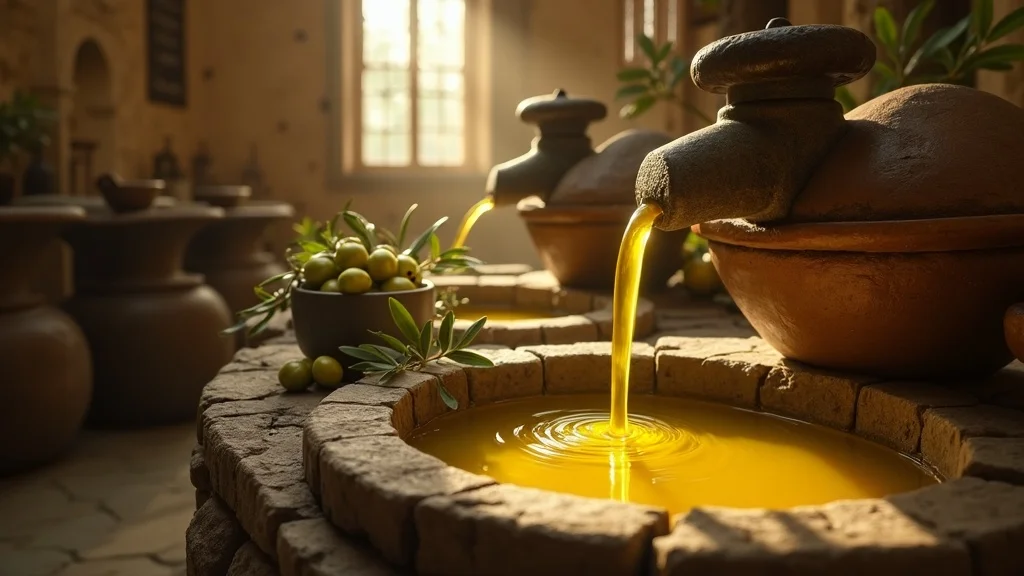
The way olive oil is extracted plays a pivotal role in preserving its antioxidant properties. Cold-pressed or mechanically extracted extra virgin olive oil retains higher levels of sensitive phenolic antioxidants compared to refined or heat-treated oils. Choosing properly extracted olive oil ensures a potent daily dose of health-promoting phenolics.
Food chemists continue to explore new methods to maximize phenolic content during processing and storage. The best olive oils can contain phenolic levels that rival or surpass those found in fresh olives themselves, particularly when handled minimally and packaged to protect against oxygen and light degradation.
Food Chemistry: How Processing Affects Phenolic Content
Processing can either preserve or destroy the antioxidant value of phenolic compounds. High temperatures, prolonged exposure to light, and excessive filtration degrade the sensitive hydroxyl groups that give phenolics their radical scavenging power. To protect the antioxidant potential of olives and olive oil, experts recommend minimal processing and storage in dark, airtight containers.
Innovations in food technology, such as vacuum extraction and inert-gas blanketing, further safeguard the phenolic acids in premium olive oils. As consumer awareness grows, so does the demand for products that prioritize high phenolic content—and rightfully so, since these oils deliver the full health benefits associated with traditional Mediterranean diets.
Dietary Supplements: Harnessing Phenolic Compounds From Olives
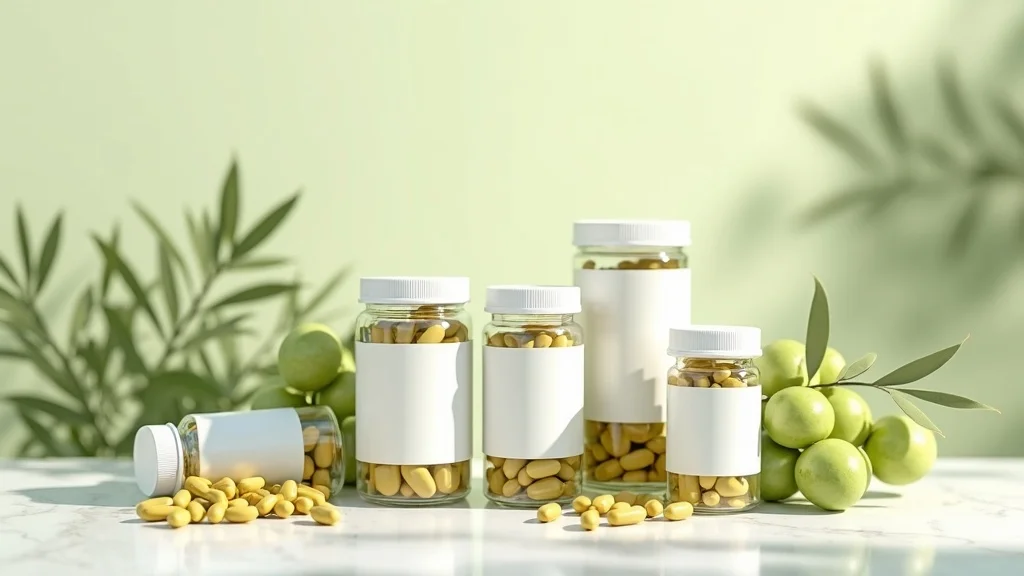
For those who wish to maximize their intake of olive phenolics, dietary supplements offer a concentrated source—often in the form of olive leaf extracts or encapsulated hydroxytyrosol. These supplements provide a measured and reliable dose, particularly for individuals seeking specific health outcomes like improved circulation or cholestrol balance.
However, supplementing does not fully replace the synergistic effects of whole olives and olive oil, which deliver phenolic compounds in their most bioavailable and effective forms. The trend in modern nutrition is clear: combine quality whole foods with evidence-backed supplements for optimal phenolic antioxidant activity.
"Olives stand unrivaled among high-phenolic plants, offering broad-spectrum antioxidant activity essential for modern health." – Renowned Nutrition Expert
The Role of Antioxidant Properties of Phenolics in Healthy Aging
Cellular Damage and Oxidative Stress
Oxidative stress is the slow, silent force that drives cellular aging and degeneration. Excess free radicals, generated by metabolism and environmental influences, damage proteins, lipids, and DNA in our cells. This cellular wear and tear leads to early wrinkles, decreased vitality, and heightened disease risk—the universal symptoms of aging.
The antioxidant properties of phenolics, especially in olives, act as a frontline defense, neutralizing oxidative threats before they take root. By minimizing chronic oxidative stress, phenolic antioxidants help preserve cell function and slow the visible and invisible signs of aging, making them an invaluable tool in lifelong wellness strategies.

Phenolic Compounds and Brain Health
The brain is uniquely vulnerable to oxidative stress, due to its high oxygen use and concentration of easily oxidized fats. Studies demonstrate that olive-based phenolic compounds can cross the blood-brain barrier and protect neuronal cells from free radical–induced damage. The result is a potential reduction in cognitive decline, enhanced memory, and lower risk of neurodegenerative conditions such as Alzheimer’s.
These brain health benefits are particularly pronounced in populations with lifelong adherence to olive-rich diets, as seen throughout the Mediterranean. The radical scavenging properties of olive phenolics make them key players in supporting both mental sharpness and emotional well-being as we age.
Antioxidant Activity and Longevity
The link between antioxidant-rich diets and greater lifespan is consistently reflected in large-scale population studies. Phenolic antioxidants safeguard the body’s cells, enabling tissue repair and renewal at every age. By limiting systemic inflammation and maintaining metabolic health, these compounds help you add not just years to life, but quality to those years.
Whether through olives, olive oil, or a diet rich in phenolic acids, these natural compounds have proven ability to support longevity. Their protective effects extend from skin to heart, brain to circulation—a testament to the broad reach of plant-based radical scavenging.
Phenolic Antioxidant Synergy: Interactions With Vitamins and Minerals
The Antioxidant Capacity of Combined Nutrients
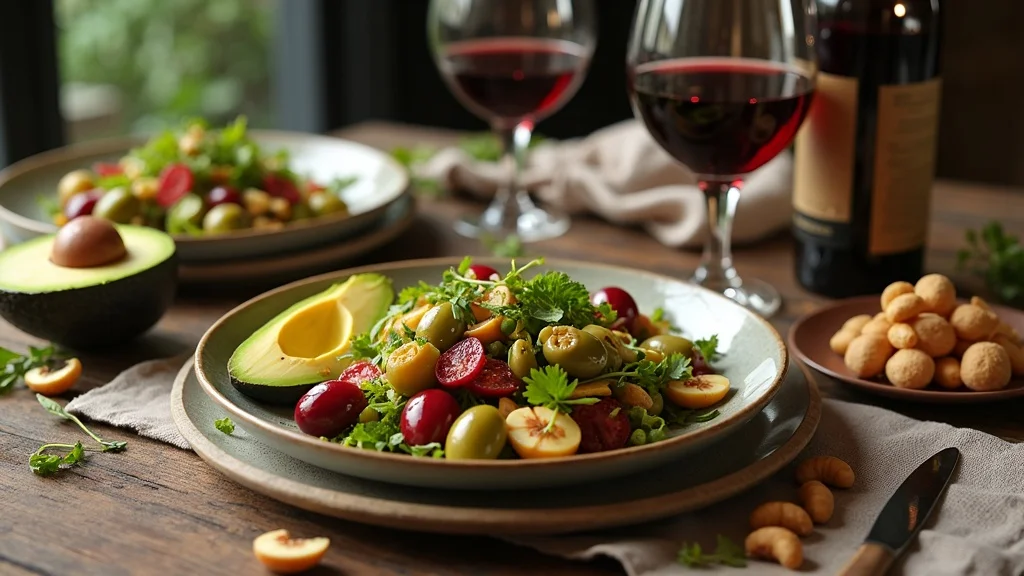
While phenolics on their own possess powerful antioxidant activity, their effects are amplified when combined with other dietary antioxidants like vitamins C, E, and minerals such as selenium. This synergy boosts the overall antioxidant capacity of a meal, providing multidimensional defense against oxidative stress. For example, a salad made with olives, leafy greens, and nuts contains a diverse array of phenolic acids and supporting micronutrients that reinforce each other’s effects.
The Mediterranean diet illustrates this principle perfectly, blending olives, herbs, vegetables, and healthy fats for maximum health outcomes—a concept food chemistry refers to as “antioxidant networking.” Eating for synergy is a highly effective way to maximize the value of every bite.
Fatty Acids and Phenolic Acids—A Powerful Duo
Interestingly, the beneficial fats found in olives—primarily oleic acid—enhance the bioavailability and stability of phenolic acids. This makes olive oil a perfect delivery system, transporting phenolics efficiently throughout the body, especially to the cardiovascular and nervous systems.
This lipid-phenol partnership is unique among foods: while berries and tea can offer phenolic antioxidants, they lack the healthy fat content required for optimal absorption. The result is that olive-based dishes offer unparalleled antioxidant potential and long-lasting systemic protection.
Food Chemistry Behind Enhanced Antioxidant Activity
Food chemists attribute the exceptional effects of olives to both their phenolic diversity and their matrix of synergistic nutrients. The chemical interactions between phenolic compounds, monounsaturated fats, and vitamins result in superior radical scavenging, improved cell repair, and reduced oxidative damage.
This is why the best evidence for healthy aging and disease prevention continues to come from diets not just high in antioxidants, but rich in olives and olive oil. The science is clear: these foods offer a potent mix of plant defense mechanisms that humans can co-opt for their own health.
| Food | Key Phenolic Compounds | Antioxidant Potential |
|---|---|---|
| Olives (fresh and oil) | Hydroxytyrosol, Oleuropein, Tyrosol | Exceptional |
| Berries (blueberries, strawberries) | Gallic Acid, Caffeic Acid, Anthocyanins | Very High |
| Dark chocolate | Catechins, Proanthocyanidins | High |
| Red wine | Resveratrol, Gallic Acid | High |
| Tea | EGCG, Catechins | High |
| Nuts and seeds | Ferulic Acid, P-coumaric Acid | Moderate-High |
Real-world Evidence: Dietary Impact of Phenolic Compounds
Case Studies: Health Outcomes With High-Phenolic Diets
Actual dietary interventions and real-world case studies continue to confirm the importance of phenolic antioxidants. For example, patients who followed a Mediterranean-style diet rich in olives and olive oil consistently experienced improved vascular function, lower markers of inflammation, and better cognitive scores in aging.
These results are not just confined to clinical trials—large population studies show that regions with a cultural focus on phenolic-rich foods enjoy notable longevity and reduced risk of chronic disease, reinforcing the message that diet does matter when it comes to harnessing antioxidant properties of phenolics.

Phenolic Compounds in the Mediterranean Diet
The Mediterranean diet, centered on olives, olive oil, vegetables, and modest amounts of wine, is repeatedly cited for its health-promoting properties. Scientists attribute much of its success to the sheer diversity and abundance of phenolic compounds present in this traditional eating pattern.
Whether eaten at meals or used in cooking, the phenolic antioxidants from olives support cardiovascular health, improve cognitive resilience, and lower the risk of metabolic disorders—a model the world increasingly seeks to follow.
Population Studies Linking Phenolic Antioxidant Intake to Wellness
Longitudinal population studies reveal that individuals with the highest intake of phenolic-rich foods, especially olives, show lower rates of heart disease, certain cancers, and dementia. These findings remain strong after accounting for other lifestyle factors, further cementing the real-world importance of the antioxidant properties of phenolics.
It’s worth emphasizing that these health gains come from regular, moderate consumption of olives and their products—not extremes or imbalanced approaches. Daily habits, crafted around nature’s richest sources, unlock lifelong health.
Lists: High-Phenolic Foods for Maximum Antioxidant Properties
- Olives (fresh and oil)
- Berries (blueberries, strawberries)
- Dark chocolate
- Red wine
- Tea
- Nuts and seeds
"The radical scavenging power of olive-derived phenolic compounds is unmatched in the plant world." – Leading Food Chemist
Phenolic Compounds in Modern Nutrition and Supplementation
Dietary Supplements: Safe Sources of Phenolic Antioxidants
The advent of dietary supplements has made it easier than ever for people to access the antioxidant properties of phenolics. Olive leaf extracts, standardized hydroxytyrosol capsules, and mixed-phenol formulas now feature in the routines of health-conscious consumers and those with specific therapeutic needs.
Still, nutrition experts caution that supplements should complement, not replace, a balanced diet. Whole foods offer complex phytochemical interactions and supporting nutrients you cannot pack into a single pill—making natural sources the gold standard where possible.
Best Practices for Incorporating Phenolic Acids into Your Diet
Maximizing the health effects of phenolic antioxidants begins with adopting dietary practices rooted in tradition and science: use extra virgin olive oil as a primary fat, eat olives as snacks or condiments, and combine these with complementary phenolic sources like berries, dark chocolate, and nuts.
Preparing foods gently, storing olive oil properly, and opting for unprocessed, raw forms where possible are best practices recommended by food chemists and dietitians alike.
Risks and Considerations: Interactions with Medications
While phenolic-rich foods are overwhelmingly safe, concentrated supplements can sometimes interact with medications including blood thinners, diabetes drugs, and anti-inflammatory agents. It’s always advisable to discuss new supplements with a healthcare provider, especially for people managing chronic conditions or complex medication regimens.
Responsible use ensures you enjoy the best of both modern science and traditional diets, harnessing the full antioxidant capacity of plant phenols—safely and effectively.
People Also Ask: Phenolic Antioxidant Queries Answered
What are the main benefits of antioxidant properties of phenolics in humans?
Antioxidant properties of phenolics have been linked to reduced inflammation, cellular protection from oxidative stress, lower risk of chronic diseases, and improved cardiovascular health due to their ability to neutralize free radicals.
How do phenolic compounds act as radical scavengers?
Phenolic compounds act as radical scavengers by donating hydrogen atoms to unstable free radicals, stabilizing them and preventing cellular damage associated with oxidative stress.
Are olives a better source of phenolic antioxidants than other plants?
Olives are recognized as a superior source due to their diverse and highly bioavailable phenolic compounds, which contribute significantly to antioxidant activity in the diet compared to many other plant sources.
Can dietary supplements of phenolic acids provide the same benefits as whole foods?
While supplements can boost intake, whole foods offer synergistic nutrients and compounds, making them generally more effective for delivering comprehensive antioxidant benefits.
FAQs: Antioxidant Properties of Phenolics
- Which foods are highest in phenolic antioxidants? Olives, berries, dark chocolate, red wine, and tea are among the top sources, each containing diverse phenolic acids and related compounds.
- How does antioxidant activity relate to disease prevention? By suppressing oxidative stress and inflammation, antioxidant-rich foods reduce the risk of cardiovascular disease, neurodegeneration, and cancer.
- What is the role of phenolic acids versus other antioxidants? Phenolic acids excel at radical scavenging and offer unique biological effects not found in vitamin-based antioxidants alone.
- Are there any adverse effects of consuming high-phenolic supplements? High doses in supplement form can occasionally interact with medications or cause digestive discomfort; moderation and medical advice are key.
Key Takeaways
- Olives provide one of the richest dietary sources of the antioxidant properties of phenolics
- Phenolic antioxidants scavenge free radicals and limit oxidative damage
- Adopting a high-phenolic diet enhances disease prevention and promotes longevity
- Whole olives and extra virgin olive oil are recommended for optimal antioxidant activity
Summary: Reimagining Your Diet With the Antioxidant Properties of Phenolics
Why Phenolic Compounds—Especially from Olives—Deserve a Place in Your Daily Nutrition Plan
The evidence is overwhelming: few foods can rival olives for their combined phenolic richness, antioxidant activity, and health rewards. Shifting your diet to include more olive-based dishes provides a daily, natural boost to lifelong wellness and resilience.
Final Thoughts and Call to Discover How Plant Phenols Support Circulation Naturally
Choose olives and their antioxidant properties of phenolics for heart, brain, and healthy aging—discover how plant phenols support circulation naturally and join the growing movement for vibrant, proactive health. If you’re interested in expanding your knowledge on how environmental and dietary choices intersect to protect community well-being, don’t miss our in-depth feature on the EPA’s campaign to reduce problem waste and promote healthier living for all. This broader perspective can inspire you to make choices that benefit both your personal health and the world around you.


Write A Comment