Everwell Media Logo

Everwell Media Logo
  • Home
  • Categories
    • Lifestyle and Culture
    • Business and Innovation
    • Health and Wellness
    • Community and People
    • Environment and Future
    • Opinion and Voices
    • Whole-food Living
  • Decisions that Define
November 12.2026
3 Minutes Read

Unlock Natural Energy and Pain Relief with These Healthy Spices

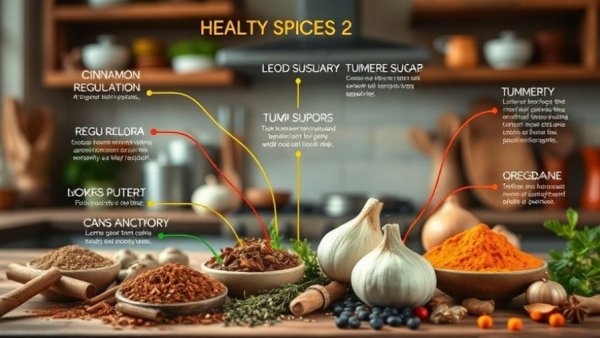
Infographic of healthy spices highlighting their benefits in a kitchen.

Rediscover the Power of Everyday Spices

In our fast-paced lives, we often overlook the simplest solutions to boost our health and wellness. Spices, which have been used for centuries in various cultures, not only add flavor to our meals but also offer numerous health benefits. Incorporating these healthy spices into our daily diets can be a game-changer for those seeking natural energy support, pain relief, and overall improved well-being.

In 'Healthy Spices You Should Use More Often', the discussion dives into the benefits these spices offer, exploring key insights that sparked deeper analysis on our end.

Unlocking Natural Energy with Spices

Many adults today are searching for natural ways to boost energy without relying on caffeine. Luckily, certain spices can enhance your energy levels naturally. For example, turmeric, often touted for its potent anti-inflammatory properties, has also been found to improve circulation, which can result in better energy levels. Ginger, another powerhouse, supports digestion and may help in reducing fatigue. By opting for these spices, you can enjoy a caffeine-free way to feel more vibrant.

Spices for Reducing Everyday Pain

The quest for holistic pain relief often leads us to explore what we eat. Spices like cayenne pepper and garlic are not just zesty additions to dishes—they are also known for their pain-relieving properties. Cayenne contains capsaicin, a compound that has been shown to reduce discomfort from exercises and chronic pain while garlic aids in fighting inflammation, making both ideal for anyone looking to improve mobility naturally.

Understanding Inflammation and Recovery

Understanding the link between what we consume and how we feel is crucial. Chronic inflammation can lead to many health issues, including joint pain and fatigue. The best foods to reduce inflammation and joint pain naturally include spices such as black pepper and cinnamon, which are rich in beneficial compounds. By integrating these spices into your meals, you are not just seasoning your food but actively supporting your body’s recovery processes.

Enhance Your Nutrient Absorption

Many people don’t realize how important absorption and bioavailability are for our energy levels. No matter how nutritious your diet may be, if your body cannot absorb the vital nutrients, you won’t reap the intended benefits. Spices such as black pepper, which increases the bioavailability of certain nutrients, can be the missing link in a healthy lifestyle for energy. Including such spices in your meals may significantly enhance how your body utilizes the nutrients you consume.

Simple Lifestyle Habits for Energy

Adopting simple lifestyle habits can amplify the benefits of these spices. Start by incorporating a variety of spices in your meals—perhaps a dash of turmeric in your morning smoothie or some ginger in your latest dish. Additionally, understanding how to choose supplements that absorb properly can further support your health journey, especially when combined with your newly discovered love for spices. This multifaceted approach—combined with a focus on plant-based remedies for everyday aches and stiffness—can offer you a sustainable path to better health.

The Takeaway: Embrace the Spice of Life

Incorporating healthy spices into your daily routine is not just about flavor; it’s a commitment to fostering a healthier lifestyle. Whether you're looking to boost daily vitality, reduce everyday pain, or recover more effectively, these spices can be powerful allies. Embrace this simple yet effective method to enhance your well-being.

Now that you're equipped with the knowledge of how to spice up your health journey, why not start experimenting with new recipes? Share your experiences and favorite spice combinations with us!

Health and Wellness

1 Views

0 Comments

Write A Comment

*
*
Please complete the captcha to submit your comment.
Related Posts All Posts
11.12.2026

Unlock Brain Health Benefits of Resistant Starch in Your Diet

Update The Surprising Power of Resistant Starch for Brain Health When we think about boosting brain health, we often focus on antioxidants or omega-3 fatty acids. But, what if the secret lies not in complex supplements but in simple foods like beans, oats, and potatoes? Recent research is uncovering the fascinating role of resistant starch—a type of fiber that passes through your small intestine undigested and is fermented by gut bacteria, producing beneficial compounds that may help regulate inflammation and support brain function. Connecting Gut Health with Cognitive Function As our understanding of the relationship between gut health and cognitive function deepens, researchers are probing whether resistant starch can play a role in combating diabetes-related cognitive dysfunction (DACD). This condition refers to changes in memory, focus, and processing speed that can stem from fluctuations in blood sugar and inflammation. A recent review combined findings from numerous studies, including human trials and animal research, to analyze how resistant starch affects brain health in those with diabetes. Gut Bacteria: The Unsung Heroes of Our Health The journey of resistant starch is intriguing. While other starch types are metabolized in the small intestine, resistant starch travels to the colon, where it's a feast for beneficial gut bacteria. These bacteria ferment the resistant starch, producing short-chain fatty acids (SCFAs)—compounds that not only nourish gut health but may also play a pivotal role in brain health. SCFAs aid in regulating inflammation and support the gut-brain connection, leading to the intriguing question of whether fostering gut flora can enhance cognitive abilities. What Types of Foods Are Rich in Resistant Starch? You may be wondering how to incorporate more resistant starch into your diet. Some everyday sources include: Cooked and cooled potatoes (think potato salad) Oats, especially when prepared as overnight oats Legumes such as lentils and beans Green bananas and plantains Whole grains like barley and brown rice Integrating these foods into your meals not only supports gut health but may also provide stabilizing effects on blood sugar levels, a significant consideration for those managing diabetes. The Need for Further Research While the evidence linking resistant starch to cognitive benefits is compelling, a note of caution is warranted. Much of the current understanding is based on animal studies and preliminary human data, so we must await larger-scale human trials to definitively establish whether resistant starch has the power to stave off cognitive decline or enhance memory in people with diabetes. Until further insights emerge, it’s wise to enjoy your fiber-rich foods as part of a balanced diet, rather than as a sole strategy for dietary intervention. Enjoying the Journey to Better Health The exploration of resistant starch is not just a scientific curiosity—it represents a potential shift in how we view nutrition and brain health. As we learn more about the gut-brain connection, the imperative to prioritize dietary choices that support our gut flora becomes clearer. While the benefits of resistant starch are still being unraveled, practicing mindful eating with foods that promote digestion and cognitive health is a proactive approach to take. Your gut bacteria have an essential job that significantly impacts your health, and resistant starch deserves a place on your plate. Embrace the delicious versatility of foods like beans, oats, and potatoes while savoring the journey of scientific discovery in the realm of gut health and beyond. Remember, healthy living is within everyone’s reach; small steps can lead to significant changes!

11.11.2026

Discover the Healthiest Foods Australia Swears By Today

Simon Smith’s Expert Take: Cutting Through Misconceptions on Healthy Foods in Australian Workplaces Step into any bustling Australian office and you’ll sense the increased focus on wellbeing and nutrition—an energy reflected in the growing presence of so-called “healthy” foods. Yet, as Simon Smith of Everwell Media warns, the gap between marketing and true wellness is wider than many professionals realise. In our relentless pursuit of vitality, titles and claims often overshadow rigorous ingredient scrutiny. For marketing directors, business analysts, HR leaders, and anyone tasked with elevating employee wellbeing, understanding what truly constitutes the healthiest foods Australia has to offer demands more than just accepting labels at face value. Smith’s experience reporting on health and lifestyle across Australia reveals a striking disconnect: “Healthy” branding often masks hidden pitfalls, and even the most trustworthy-seeming products can fall short under closer inspection. This is especially true in high-stakes corporate environments, where employee energy, satisfaction, and productivity are tightly linked to food choices. According to Smith, addressing this misconception isn’t about creating new dogmas—it’s about empowering curiosity and nurturing ingredient literacy, setting a firmer foundation for corporate wellness strategies that work. "The biggest misconception people have is believing labels tell the truth — you really have to read the ingredients to know what’s inside." – Simon Smith, Everwell Media Why Transparency in Ingredients Is Crucial for Employee Well-being Modern products seduce us with eco badges, buzzwords, and vibrant packaging, yet ingredient transparency is the linchpin of workplace wellness. Simon Smith’s investigative approach at Everwell Media exposes how this goes far beyond diet: many seemingly healthy or sustainable options—like bamboo clothing, which is often promoted as natural and antibacterial—may involve chemical processing that undermines these claims. For business leaders, HR, and event planners, this insight should trigger a deeper exploration of both food and non-food wellness investments. As Smith highlights, in a time where staff wellbeing directly influences productivity and corporate reputation, exposing employees to misleading claims doesn’t just erode physical health—it diminishes trust within the organisation. Prioritising transparent communication about product ingredients sets a culture of openness, driving employee engagement and nurturing a proactive, wellness-focused mindset across teams. "So many products claim to be healthy or eco-friendly, like bamboo clothing, but when you dig deeper, harmful chemicals might be involved." – Simon Smith, Everwell Media Unlocking the Potential of Anti-Inflammatory Foods: Insights on Extra Virgin Olive Oil and Employee Vitality According to Simon Smith, workplace vitality hinges on more than ticking off dietary boxes or falling for passing fads. He points to the profound evidence supporting anti-inflammatory foods—especially those rich in polyphenols—as a transformative addition to corporate nutrition. Smith’s expert analysis dives deeper into extra virgin olive oil, cautioning that not all are created equal; its efficacy as a vitality booster depends on provenance, age of olive trees, and extraction methods, with certain polyphenols such as oleocanthal making a significant difference. For HR leaders and workplace wellness advocates, the takeaway is clear: the healthiest foods Australia should prioritise scientific validation and sourcing integrity over geographic proximity or marketing trends. As Smith reveals, Australian olive oils, usually produced from younger trees, may lack the crucial compounds that confer truly potent health benefits. This paradigm shift challenges decision-makers to move beyond “local” as the sole badge of quality, instead focusing on bioactive ingredient content and efficacy. This focus on ingredient transparency and authentic sourcing aligns with broader efforts to protect community health and reduce hidden risks in everyday products. For a deeper look at how Australian initiatives are tackling problem waste and promoting safer choices, explore the EPA’s campaign to reduce problem waste and safeguard community wellbeing. The Science Behind Polyphenols and Oleocanthal: Nature’s Inflammation Fighters The fascination with extra virgin olive oil isn’t simply a culinary trend. As Smith explains, it’s the polyphenols—particularly oleocanthal—that make certain oils stand out. Extensive research supports their role in reducing systemic inflammation, a core factor influencing daily vitality, immune defence, mental clarity, and even resilience against chronic illness. Smith’s emphasis on anti-inflammatory nutrition stems from growing scientific consensus: workplaces that incorporate such ingredients consistently report enhanced employee focus and energy. Yet, Smith underscores, not every olive oil delivers these benefits. He links the highest concentrations of oleocanthal to oils pressed from older, mature olive trees—a rarity in Australia’s newer groves—and advocates for sourcing strategies informed by bioactive content rather than marketing lingo. This insight reframes the wellness conversation: product authenticity, ingredient processes, and food’s journey from farm to table must be interrogated to secure genuine anti-inflammatory outcomes for teams. "The best anti-inflammatory compounds come from older olive trees and a unique extraction process — not the usual Australian olive oils." – Simon Smith, Everwell Media Incorporating Anti-Inflammatory Foods into Corporate Wellness Programs Translating science into actionable workplace change, Smith recommends a layered approach. Begin by prioritising ingredient transparency education for employees—empowering them to analyse labels, question marketing, and understand what goes into their bodies. Sourcing premium extra virgin olive oil varieties known for their anti-inflammatory polyphenols, even if not domestically grown, enhances the efficacy of office catering and kitchen staples. Similarly, a renewed focus on offering plant-based foods and bioavailability-boosting options cements the foundation for authentic wellbeing improvements. Smith urges corporate wellness strategists to shift from top-down directives to a culture that fosters curiosity: offer tasting sessions, workshops, or wellness discovery programs that bridge the gulf between knowing what’s best and actually feeling the difference. By making authenticity, quality, and education the pillars of your wellness initiatives, you not only uplift employee health, but also create a resilient organisational culture ready for the demands of modern business. Prioritize education about ingredient transparency for employees Source premium extra virgin olive oil varieties with proven health properties Encourage plant-based food options that promote vitality Focus on foods that improve bioavailability rather than just consumption Foster curiosity around food choices to bridge the knowing-feeling wellness gap Understanding the Broader Context: Plant-Based Traditions, Modern Lifestyle, and the Vitality Gap The journey to integrating the healthiest foods Australia must reckon with a broader lifestyle context. Smith observes that Australia’s evolving plant-based traditions can offer valuable lessons, but only if we move past surface-level adoption. Unscrutinised plant-based labels don’t automatically guarantee a wellbeing revolution. By drawing from both historical food wisdom and current nutritional science, corporate initiatives can build a bridge between tradition and today’s fast-paced realities. Smith’s editorial work repeatedly highlights how our digital, urban lifestyles pull us away from biological cues—like hunger, fullness, and physical satisfaction—leaving us reliant on external triggers (marketing, packaging, or digital reminders) over genuine internal signals. In his view, modern employees must relearn how to connect with their body’s needs, rather than simply absorb new lists of “approved” foods. How Modern Life Disconnects Us from Biological Signals About Food Smith argues that our “always-on,” screen-centric work environments set the stage for mindless eating, blocking awareness of true hunger or satiety and undermining nourishment. Healthy food left untouched on a desk is more common than it should be—evidence that wellness is less about supply and more about engagement. According to Smith, organisations keen on boosting energy and creativity need to move away from rigid checklists and towards a model that sparks genuine curiosity, transforming health conversations into dynamic explorations rather than instructions. In this context, the healthiest foods Australia can offer are not prescribed but discovered—unlocked by employees learning the difference between clever branding and real benefits, and understanding the deeper interactions between environment, stress, movement, light, and food quality. Corporate programs that embrace this philosophy see marked improvements in morale, trust, and—most critically—how good people actually feel, not just what they know. The Importance of Exploring, Not Instructing, in Health Conversations Smith’s philosophy resounds with a single theme: exploration over instruction. When employees are drawn into conversations about quality, authenticity, and sourcing, they begin to challenge their assumptions and make sustainable changes. Rather than dictating a fixed list of the healthiest foods Australia should provide, corporations achieve more by inviting staff to investigate, taste, and experience, thus cultivating lasting wellness habits. Tabletop workshops contrasting common misconceptions—like assuming any olive oil is equally beneficial, or any eco-labeled product is safe—foster collective discovery and uncover the subtleties that matter. According to Smith, supporting curiosity and open conversation not only empowers better choices but also builds engagement, loyalty, and a shared sense of purpose within teams, setting the stage for resilient, high-energy companies in the Australian market. Food Type Common Misconceptions True Benefits Recommended Usage Extra Virgin Olive Oil All are equally anti-inflammatory Only oils from mature trees with oleocanthal-rich extraction provide optimal benefits Educate employees and prioritize authenticity Bamboo Clothing (Food Analog) Eco-friendly and naturally antibacterial Processed with chemicals dulling benefits and potentially harmful Select verified natural products carefully Plant-Based Foods All plant-based diets promote vitality identically Bioavailability and food quality vary, impacting true wellness Focus on sourcing and quality over labels Key Takeaways: Empowering Workplace Wellness with Australia’s Healthiest Foods Labels can be misleading — prioritize ingredient literacy Scientific-backed anti-inflammatory foods like high-quality extra virgin olive oil enhance vitality Plant-based and natural products must be vetted beyond surface claims Supporting employee curiosity leads to deeper wellness engagement Corporate wellness strategies benefit from integrating these nuanced insights Next Steps: Elevate Your Corporate Wellness Programs Today The evidence is clear: true vitality in the modern Australian workplace cannot be won by blindly following trends or succumbing to marketing hype. Instead, as Simon Smith of Everwell Media persuasively argues, businesses must foster an environment where employees learn to decode ingredient lists, interrogate wellness claims, and prioritise scientifically proven anti-inflammatory foods—like polyphenol-rich, mature-tree extra virgin olive oil—for real impact. Smith encourages decision-makers to embed wellness exploration within their company culture: invest in ongoing education, facilitate authentic dialogue, and shift from top-down mandates to collaborative health journeys. As you refine your food offerings and wellness initiatives, let ingredient transparency and bioavailability become your guiding beacons. In the words of Simon Smith: "Anything that improves employee well-being is something to definitely consider implementing." – Simon Smith, Everwell Media By embracing this attitude, your organisation doesn’t just follow the healthiest foods Australia trend—it leads, igniting productivity, trust, and lasting wellbeing. Start today: review your workplace food programs, challenge assumptions, and empower your teams to explore wellness like never before. If you’re inspired to take your workplace wellness journey even further, consider how broader environmental and community health initiatives can amplify your impact. Integrating sustainable practices and supporting campaigns that address problem waste not only benefits your employees but also strengthens your organisation’s reputation as a leader in corporate responsibility. For a strategic perspective on how collective action can protect both people and the planet, discover the insights behind the EPA’s campaign to reduce problem waste and protect communities. By aligning your wellness programs with these forward-thinking efforts, you’ll unlock new opportunities for engagement, innovation, and long-term vitality.


11.11.2026

Uncovering the 7 “Healthy” Foods That Destroy Your Metabolism

Update The Hidden Truth Behind ‘Healthy’ Foods In today’s pursuit of wellness, we often align ourselves with the healthiest options available. However, as highlighted in the informative video titled 7 “Healthy” Foods That Destroy Your Metabolism, not all foods marketed as healthy truly support our metabolic needs. This analysis dives deeper into the paradox of seemingly nutritious foods that can hinder your energy levels and overall well-being.In 7 “Healthy” Foods That Destroy Your Metabolism, the discussion dives into the paradox of health foods, highlighting crucial insights that lead us to an exploration of their true effects on our bodies. Why Our Choice of Foods Matters Nutrition plays a crucial role in determining how our bodies function on a daily basis. Many adults seek natural energy support to boost their everyday vitality. Yet, when we consume foods that ultimately slow down our metabolism, we risk feeling fatigued and sluggish. Understanding which foods contribute negatively is vital in our journey towards better health and vitality. The Perils of Eating ‘Health’ Foods Despite their healthy reputation, certain foods can wreak havoc on our metabolism. For instance, processed snacks often labeled as healthy could contain refined sugars and unhealthy fats that interfere with nutrient absorption and bioavailability. This is particularly concerning for individuals trying to reduce everyday pain and enhance their overall wellness. Foods to Avoid for Maximum Energy The video outlines several foods that can sabotage our metabolic efforts. Sugary granola bars, for example, might seem like the perfect energy booster but can provoke spikes in insulin, leading to energy crashes. Similarly, low-fat yogurt products may replace natural fats with sugars, sabotaging your body's ability to absorb nutrients optimally. The Importance of Ingredient Labels It’s essential to read through ingredient lists when choosing foods. Many healthy snacks can still lead to inflammation and recovery issues if they are laden with additives or preservatives. When selecting foods for a healthy lifestyle for energy, prioritize whole and minimally processed options. Natural Remedies for Everyday Aches Instead of relying on processed items for quick energy fixes, consider plant-based remedies for everyday aches and stiffness. Foods rich in omega-3 fatty acids, like chia seeds or flaxseeds, can help reduce inflammation without the side effects often associated with medications. Moreover, incorporating herbs such as turmeric and ginger in your diet can also be beneficial for promoting holistic pain relief. Simple Lifestyle Changes for Improved Wellness Beyond checking food labels, adopting simple lifestyle habits can significantly increase energy levels naturally. Regular physical activity, even in short bursts, encourages mobility and enhances overall vitality. Additionally, staying hydrated improves nutrient absorption and bioavailability, allowing your body to function more effectively. Subtle Changes for Lasting Effects Making conscious choices about what we eat will profoundly affect how we feel daily. By avoiding the pitfall of “health” foods that can undermine our goals, we can focus on truly beneficial options. Consider integrating more fruits, vegetables, and whole grains that help encourage energy production while supporting your body’s natural anti-inflammatory options. These changes won’t force an overnight transformation but will lay the groundwork for lasting wellness. As we navigate our health journeys, knowledge remains power. Staying informed about the best foods to reduce inflammation and joint pain naturally while considering how to improve nutrient absorption for better energy can rejuvenate not only our physical selves but also our approach to a healthy lifestyle. If you want to learn more about how to integrate these principles into your daily life, seek additional resources or consult with health professionals for personalized guidance.

Everwell Media Logo

Independent stories people actually talk about

  • Everwell Media Facebook Community
  • Everwell Media Youtube Channel
  • Instagram Community

COMPANY

  • Privacy Policy
  • Terms of Use
  • Advertise
  • Contact Us
  • Menu 5
  • Menu 6


ABOUT US

Everwell Media is an independent news site covering business, lifestyle, health, and community stories across Australia. Our mission is to share smart, shareable stories that spark conversations and connect people with ideas that matter.

© 2026 Everwell Media All Rights Reserved. Mariners Cove, Mandurah, WA 6210 . Contact Us . Terms of Service . Privacy Policy

eyJjb21wYW55IjoiRXZlcndlbGwgTWVkaWEiLCJhZGRyZXNzIjoiTWFyaW5lcnMgQ292ZSIsImNpdHkiOiJNYW5kdXJhaCIsInN0YXRlIjoiV0EiLCJ6aXAiOiI2MjEwIiwiZW1haWwiOiJzaW1vbkBhYnNvbHV0ZWxvY2FsLmNvbS5hdSIsInRvcyI6IlBIQStQSE4wY205dVp6NDhaVzArVjJobGJpQjViM1VnYzJsbmJpMXBiaUIzYVhSb0lIVnpMQ0I1YjNVZ1lYSmxJR2RwZG1sdVp5WnVZbk53T3lCNWIzVnlJSEJsY20xcGMzTnBiMjRnWVc1a0lHTnZibk5sYm5RZ2RHOGdjMlZ1WkNCNWIzVWdaVzFoYVd3Z1lXNWtMMjl5SUZOTlV5QjBaWGgwSUcxbGMzTmhaMlZ6TGlCQ2VTQmphR1ZqYTJsdVp5QjBhR1VnVkdWeWJYTWdZVzVrSUVOdmJtUnBkR2x2Ym5NZ1ltOTRJR0Z1WkNCaWVTQnphV2R1YVc1bklHbHVJSGx2ZFNCaGRYUnZiV0YwYVdOaGJHeDVJR052Ym1acGNtMGdkR2hoZENCNWIzVWdZV05qWlhCMElHRnNiQ0IwWlhKdGN5QnBiaUIwYUdseklHRm5jbVZsYldWdWRDNDhMMlZ0UGp3dmMzUnliMjVuUGp3dmNENEtDanh3UGp4aElHaHlaV1k5SW1oMGRIQTZMeTkzZDNjdVoyOXZaMnhsTG1OdmJTSSthSFIwY0RvdkwzZDNkeTVuYjI5bmJHVXVZMjl0UEM5aFBqd3ZjRDRLQ2p4d1BpWnVZbk53T3p3dmNENEtDanh3UGp4emRISnZibWMrVTBWU1ZrbERSVHd2YzNSeWIyNW5Qand2Y0Q0S0NqeHdQbGRsSUhCeWIzWnBaR1VnWVNCelpYSjJhV05sSUhSb1lYUWdZM1Z5Y21WdWRHeDVJR0ZzYkc5M2N5QjViM1VnZEc4Z2NtVmpaV2wyWlNCeVpYRjFaWE4wY3lCbWIzSWdabVZsWkdKaFkyc3NJR052YlhCaGJua2dhVzVtYjNKdFlYUnBiMjRzSUhCeWIyMXZkR2x2Ym1Gc0lHbHVabTl5YldGMGFXOXVMQ0JqYjIxd1lXNTVJR0ZzWlhKMGN5d2dZMjkxY0c5dWN5d2daR2x6WTI5MWJuUnpJR0Z1WkNCdmRHaGxjaUJ1YjNScFptbGpZWFJwYjI1eklIUnZJSGx2ZFhJZ1pXMWhhV3dnWVdSa2NtVnpjeUJoYm1RdmIzSWdZMlZzYkhWc1lYSWdjR2h2Ym1VZ2IzSWdaR1YyYVdObExpQlpiM1VnZFc1a1pYSnpkR0Z1WkNCaGJtUWdZV2R5WldVZ2RHaGhkQ0IwYUdVZ1UyVnlkbWxqWlNCcGN5QndjbTkyYVdSbFpDQW1jWFZ2ZER0QlV5MUpVeVp4ZFc5ME95QmhibVFnZEdoaGRDQjNaU0JoYzNOMWJXVWdibThnY21WemNHOXVjMmxpYVd4cGRIa2dabTl5SUhSb1pTQjBhVzFsYkdsdVpYTnpMQ0JrWld4bGRHbHZiaXdnYldsekxXUmxiR2wyWlhKNUlHOXlJR1poYVd4MWNtVWdkRzhnYzNSdmNtVWdZVzU1SUhWelpYSWdZMjl0YlhWdWFXTmhkR2x2Ym5NZ2IzSWdjR1Z5YzI5dVlXeHBlbUYwYVc5dUlITmxkSFJwYm1kekxqd3ZjRDRLQ2p4d1BsbHZkU0JoY21VZ2NtVnpjRzl1YzJsaWJHVWdabTl5SUc5aWRHRnBibWx1WnlCaFkyTmxjM01nZEc4Z2RHaGxJRk5sY25acFkyVWdZVzVrSUhSb1lYUWdZV05qWlhOeklHMWhlU0JwYm5admJIWmxJSFJvYVhKa0lIQmhjblI1SUdabFpYTWdLSE4xWTJnZ1lYTWdVMDFUSUhSbGVIUWdiV1Z6YzJGblpYTXNJRWx1ZEdWeWJtVjBJSE5sY25acFkyVWdjSEp2ZG1sa1pYSWdiM0lnWTJWc2JIVnNZWElnWVdseWRHbHRaU0JqYUdGeVoyVnpLUzRnV1c5MUlHRnlaU0J5WlhOd2IyNXphV0pzWlNCbWIzSWdkR2h2YzJVZ1ptVmxjeXdnYVc1amJIVmthVzVuSUhSb2IzTmxJR1psWlhNZ1lYTnpiMk5wWVhSbFpDQjNhWFJvSUhSb1pTQmthWE53YkdGNUlHOXlJR1JsYkdsMlpYSjVJRzltSUdWaFkyZ2dVMDFUSUhSbGVIUWdiV1Z6YzJGblpTQnpaVzUwSUhSdklIbHZkU0JpZVNCMWN5NGdTVzRnWVdSa2FYUnBiMjRzSUhsdmRTQnRkWE4wSUhCeWIzWnBaR1VnWVc1a0lHRnlaU0J5WlhOd2IyNXphV0pzWlNCbWIzSWdZV3hzSUdWeGRXbHdiV1Z1ZENCdVpXTmxjM05oY25rZ2RHOGdZV05qWlhOeklIUm9aU0JUWlhKMmFXTmxJR0Z1WkNCeVpXTmxhWFpsSUhSb1pTQlRUVk1nZEdWNGRDQnRaWE56WVdkbGN5NGdWMlVnWkc4Z2JtOTBJR05vWVhKblpTQmhibmtnWm1WbGN5Qm1iM0lnWkdWc2FYWmxjbmtnYjJZZ1pXMWhhV3dnYjNJZ1UwMVRMaUJVYUdseklHbHpJR0VnWm5KbFpTQnpaWEoyYVdObElIQnliM1pwWkdWa0lHSjVJSFZ6TGlCSWIzZGxkbVZ5TENCd2JHVmhjMlVnWTJobFkyc2dkMmwwYUNCNWIzVnlJR2x1ZEdWeWJtVjBJSE5sY25acFkyVWdjSEp2ZG1sa1pYSWdZVzVrSUdObGJHeDFiR0Z5SUdOaGNuSnBaWElnWm05eUlHRnVlU0JqYUdGeVoyVnpJSFJvWVhRZ2JXRjVJR2x1WTNWeUlHRnpJR0VnY21WemRXeDBJR1p5YjIwZ2NtVmpaV2wyYVc1bklHVnRZV2xzSUdGdVpDQlRUVk1nZEdWNGRDQnRaWE56WVdkbGN5QjBhR0YwSUhkbElHUmxiR2wyWlhJZ2RYQnZiaUI1YjNWeUlHOXdkQzFwYmlCaGJtUWdjbVZuYVhOMGNtRjBhVzl1SUhkcGRHZ2diM1Z5SUdWdFlXbHNJR0Z1WkNCVFRWTWdjMlZ5ZG1salpYTXVJRmx2ZFNCallXNGdZMkZ1WTJWc0lHRjBJR0Z1ZVNCMGFXMWxMaUJLZFhOMElIUmxlSFFnSm5GMWIzUTdVMVJQVUNaeGRXOTBPeUIwYnladVluTndPenhvYVdkb2JHbG5hSFFnWTJ4aGMzTTlJbU52YlhCaGJubFRUVk5RYUc5dVpWVndaR0YwWlNJK2JuVnNiRHd2YUdsbmFHeHBaMmgwUGk0Z1FXWjBaWElnZVc5MUlITmxibVFnZEdobElGTk5VeUJ0WlhOellXZGxJQ1p4ZFc5ME8xTlVUMUFtY1hWdmREc2dkRzhnZFhNc0lIZGxJSGRwYkd3Z2MyVnVaQ0I1YjNVZ1lXNGdVMDFUSUcxbGMzTmhaMlVnZEc4Z1kyOXVabWx5YlNCMGFHRjBJSGx2ZFNCb1lYWmxJR0psWlc0Z2RXNXpkV0p6WTNKcFltVmtMaUJCWm5SbGNpQjBhR2x6TENCNWIzVWdkMmxzYkNCdWJ5QnNiMjVuWlhJZ2NtVmpaV2wyWlNCVFRWTWdiV1Z6YzJGblpYTWdabkp2YlNCMWN5NDhMM0ErQ2dvOGNENDhjM1J5YjI1blBsbFBWVklnVWtWSFNWTlVVa0ZVU1U5T0lFOUNURWxIUVZSSlQwNVRQQzl6ZEhKdmJtYytQQzl3UGdvS1BIQStTVzRnWTI5dWMybGtaWEpoZEdsdmJpQnZaaUI1YjNWeUlIVnpaU0J2WmlCMGFHVWdVMlZ5ZG1salpTd2dlVzkxSUdGbmNtVmxJSFJ2T2p3dmNENEtDanh2YkQ0S0NUeHNhVDV3Y205MmFXUmxJSFJ5ZFdVc0lHRmpZM1Z5WVhSbExDQmpkWEp5Wlc1MElHRnVaQ0JqYjIxd2JHVjBaU0JwYm1admNtMWhkR2x2YmlCaFltOTFkQ0I1YjNWeWMyVnNaaUJoY3lCd2NtOXRjSFJsWkNCaWVTQjBhR1VnVTJWeWRtbGpaU1lqTXprN2N5QnlaV2RwYzNSeVlYUnBiMjRnWm05eWJTQW9jM1ZqYUNCcGJtWnZjbTFoZEdsdmJpQmlaV2x1WnlCMGFHVWdKbkYxYjNRN1VtVm5hWE4wY21GMGFXOXVJRVJoZEdFbWNYVnZkRHNwSUdGdVpEd3ZiR2srQ2drOGJHaytiV0ZwYm5SaGFXNGdZVzVrSUhCeWIyMXdkR3g1SUhWd1pHRjBaU0IwYUdVZ1VtVm5hWE4wY21GMGFXOXVJRVJoZEdFZ2RHOGdhMlZsY0NCcGRDQjBjblZsTENCaFkyTjFjbUYwWlN3Z1kzVnljbVZ1ZENCaGJtUWdZMjl0Y0d4bGRHVXVJRWxtSUhsdmRTQndjbTkyYVdSbElHRnVlU0JwYm1admNtMWhkR2x2YmlCMGFHRjBJR2x6SUhWdWRISjFaU3dnYVc1aFkyTjFjbUYwWlN3Z2JtOTBJR04xY25KbGJuUWdiM0lnYVc1amIyMXdiR1YwWlN3Z2IzSWdkMlVnYUdGMlpTQnlaV0Z6YjI1aFlteGxJR2R5YjNWdVpITWdkRzhnYzNWemNHVmpkQ0IwYUdGMElITjFZMmdnYVc1bWIzSnRZWFJwYjI0Z2FYTWdkVzUwY25WbExDQnBibUZqWTNWeVlYUmxMQ0J1YjNRZ1kzVnljbVZ1ZENCdmNpQnBibU52YlhCc1pYUmxMQ0IzWlNCb1lYWmxJSFJvWlNCeWFXZG9kQ0IwYnlCemRYTndaVzVrSUc5eUlEeHpkSEp2Ym1jK1BITndZVzRnYzNSNWJHVTlJbU52Ykc5eU9pTkdSakF3TURBN0lqNTBaWEp0YVc1aGRHVWdlVzkxY2lCaFkyTnZkVzUwTDNCeWIyWnBiR1VnWVc1a0lISmxablZ6WlNCaGJua2dZVzVrSUdGc2JDQmpkWEp5Wlc1MElHOXlJR1oxZEhWeVpTQjFjMlVnYjJZZ2RHaGxJRk5sY25acFkyVWdLRzl5SUdGdWVTQndiM0owYVc5dUlIUm9aWEpsYjJZcExqd3ZjM0JoYmo0OEwzTjBjbTl1Wno0OEwyeHBQZ284TDI5c1Bnb0tQSEErSm01aWMzQTdQQzl3UGdvOGFHbG5hR3hwWjJoMElHTnNZWE56UFNKamIyMXdZVzU1VG1GdFpWVndaR0YwWlNJK1JYWmxjbmRsYkd3Z1RXVmthV0U4TDJocFoyaHNhV2RvZEQ0OFluSWdMejRLUEdocFoyaHNhV2RvZENCamJHRnpjejBpWTI5dGNHRnVlVUZrWkhKbGMzTlZjR1JoZEdVaVBrMWhjbWx1WlhKeklFTnZkbVVzSUUxaGJtUjFjbUZvTENCWFFTQTJNakV3UEM5b2FXZG9iR2xuYUhRK1BHSnlJQzgrQ2p4b2FXZG9iR2xuYUhRZ1kyeGhjM005SW1OdmJYQmhibmxRYUc5dVpWVndaR0YwWlNJK0t6WXhOREE0T1RRMU1EUTRQQzlvYVdkb2JHbG5hSFErUEdKeUlDOCtDanhvYVdkb2JHbG5hSFFnWTJ4aGMzTTlJbU52YlhCaGJubEZiV0ZwYkZWd1pHRjBaU0krYzJsdGIyNUFZV0p6YjJ4MWRHVnNiMk5oYkM1amIyMHVZWFU4TDJocFoyaHNhV2RvZEQ0PSIsInByaXZhY3kiOiJQSEErUEhOMGNtOXVaejVRVWtsV1FVTlpQQzl6ZEhKdmJtYytQQzl3UGdvS1BIQStQSE4wY205dVp6NVVhR1VnYVc1bWIzSnRZWFJwYjI0Z2NISnZkbWxrWldRZ1pIVnlhVzVuSUhSb2FYTWdjbVZuYVhOMGNtRjBhVzl1SUdseklHdGxjSFFnY0hKcGRtRjBaU0JoYm1RZ1kyOXVabWxrWlc1MGFXRnNMQ0JoYm1RZ2QybHNiQ0J1WlhabGNpQmlaU0JrYVhOMGNtbGlkWFJsWkN3Z1kyOXdhV1ZrTENCemIyeGtMQ0IwY21Ga1pXUWdiM0lnY0c5emRHVmtJR2x1SUdGdWVTQjNZWGtzSUhOb1lYQmxJRzl5SUdadmNtMHVJRlJvYVhNZ2FYTWdiM1Z5SUdkMVlYSmhiblJsWlM0OEwzTjBjbTl1Wno0OEwzQStDZ284Y0Q0OGMzUnliMjVuUGtsT1JFVk5Ua2xVV1R3dmMzUnliMjVuUGp3dmNENEtDanh3UGp4bGJUNVpiM1VnWVdkeVpXVWdkRzhnYVc1a1pXMXVhV1o1SUdGdVpDQm9iMnhrSUhWekxDQmhibVFnYVhSeklITjFZbk5wWkdsaGNtbGxjeXdnWVdabWFXeHBZWFJsY3l3Z2IyWm1hV05sY25Nc0lHRm5aVzUwY3l3Z1kyOHRZbkpoYm1SbGNuTWdiM0lnYjNSb1pYSWdjR0Z5ZEc1bGNuTXNJR0Z1WkNCbGJYQnNiM2xsWlhNc0lHaGhjbTFzWlhOeklHWnliMjBnWVc1NUlHTnNZV2x0SUc5eUlHUmxiV0Z1WkN3Z2FXNWpiSFZrYVc1bklISmxZWE52Ym1GaWJHVWdZWFIwYjNKdVpYbHpKaU16T1RzZ1ptVmxjeXdnYldGa1pTQmllU0JoYm5rZ2RHaHBjbVFnY0dGeWRIa2daSFZsSUhSdklHOXlJR0Z5YVhOcGJtY2diM1YwSUc5bUlFTnZiblJsYm5RZ2VXOTFJSEpsWTJWcGRtVXNJSE4xWW0xcGRDd2djbVZ3Ykhrc0lIQnZjM1FzSUhSeVlXNXpiV2wwSUc5eUlHMWhhMlVnWVhaaGFXeGhZbXhsSUhSb2NtOTFaMmdnZEdobElGTmxjblpwWTJVc0lIbHZkWElnZFhObElHOW1JSFJvWlNCVFpYSjJhV05sTENCNWIzVnlJR052Ym01bFkzUnBiMjRnZEc4Z2RHaGxJRk5sY25acFkyVXNJSGx2ZFhJZ2RtbHZiR0YwYVc5dUlHOW1JSFJvWlNCVVQxTXNJRzl5SUhsdmRYSWdkbWx2YkdGMGFXOXVJRzltSUdGdWVTQnlhV2RvZEhNZ2IyWWdZVzV2ZEdobGNpNDhMMlZ0UGp3dmNENEtDanh3UGp4emRISnZibWMrUkVsVFEweEJTVTFGVWlCUFJpQlhRVkpTUVU1VVNVVlRQQzl6ZEhKdmJtYytQQzl3UGdvS1BIQStQSE4wY205dVp6NVpUMVVnUlZoUVVrVlRVMHhaSUZWT1JFVlNVMVJCVGtRZ1FVNUVJRUZIVWtWRklGUklRVlE2UEM5emRISnZibWMrUEM5d1Bnb0tQRzlzUGdvSlBHeHBQbGxQVlZJZ1ZWTkZJRTlHSUZSSVJTQlRSVkpXU1VORklFbFRJRUZVSUZsUFZWSWdVMDlNUlNCU1NWTkxMaUJVU0VVZ1UwVlNWa2xEUlNCSlV5QlFVazlXU1VSRlJDQlBUaUJCVGlBbWNYVnZkRHRCVXlCSlV5WnhkVzkwT3lCQlRrUWdKbkYxYjNRN1FWTWdRVlpCU1V4QlFreEZKbkYxYjNRN0lFSkJVMGxUTGlBc0xpQkJUa1FnVlZNc0lFbFVKaU16T1R0VElFTlZVMVJQVFVWU1V5d2dSVmhRVWtWVFUweFpJRVJKVTBOTVFVbE5VeUJCVEV3Z1YwRlNVa0ZPVkVsRlV5QlBSaUJCVGxrZ1MwbE9SQ3dnVjBoRlZFaEZVaUJGV0ZCU1JWTlRJRTlTSUVsTlVFeEpSVVFzSUVsT1EweFZSRWxPUnl3Z1FsVlVJRTVQVkNCTVNVMUpWRVZFSUZSUElGUklSU0JKVFZCTVNVVkVJRmRCVWxKQlRsUkpSVk1nVDBZZ1RVVlNRMGhCVGxSQlFrbE1TVlJaTENCR1NWUk9SVk5USUVaUFVpQkJJRkJCVWxSSlExVk1RVklnVUZWU1VFOVRSU0JCVGtRZ1RrOU9MVWxPUmxKSlRrZEZUVVZPVkM0OEwyeHBQZ29KUEd4cFBrMUJTMFZUSUU1UElGZEJVbEpCVGxSWklGUklRVlFnS0drcElGUklSU0JUUlZKV1NVTkZJRmRKVEV3Z1RVVkZWQ0JaVDFWU0lGSkZVVlZKVWtWTlJVNVVVeXdnS0dscEtTQlVTRVVnVTBWU1ZrbERSU0JYU1V4TUlFSkZJRlZPU1U1VVJWSlNWVkJVUlVRc0lGUkpUVVZNV1N3Z1UwVkRWVkpGTENCUFVpQkZVbEpQVWkxR1VrVkZMQ0FvYVdscEtTQlVTRVVnVWtWVFZVeFVVeUJVU0VGVUlFMUJXU0JDUlNCUFFsUkJTVTVGUkNCR1VrOU5JRlJJUlNCVlUwVWdUMFlnVkVoRklGTkZVbFpKUTBVZ1YwbE1UQ0JDUlNCQlEwTlZVa0ZVUlNCUFVpQlNSVXhKUVVKTVJTd2dRVTVFSUNocGRpa2dRVTVaSUVWU1VrOVNVeUJKVGlCVVNFVWdVMDlHVkZkQlVrVWdWMGxNVENCQ1JTQkRUMUpTUlVOVVJVUXVQQzlzYVQ0S0NUeHNhVDVCVGxrZ1RVRlVSVkpKUVV3Z1JFOVhUa3hQUVVSRlJDQlBVaUJQVkVoRlVsZEpVMFVnVDBKVVFVbE9SVVFnVkVoU1QxVkhTQ0JVU0VVZ1ZWTkZJRTlHSUZSSVJTQlRSVkpXU1VORklFbFRJRVJQVGtVZ1FWUWdXVTlWVWlCUFYwNGdSRWxUUTFKRlZFbFBUaUJCVGtRZ1VrbFRTeUJCVGtRZ1ZFaEJWQ0JaVDFVZ1YwbE1UQ0JDUlNCVFQweEZURmtnVWtWVFVFOU9VMGxDVEVVZ1JrOVNJRUZPV1NCRVFVMUJSMFVnVkU4Z1dVOVZVaUJEVDAxUVZWUkZVaUJUV1ZOVVJVMGdUMUlnVEU5VFV5QlBSaUJFUVZSQklGUklRVlFnVWtWVFZVeFVVeUJHVWs5TklGUklSU0JFVDFkT1RFOUJSQ0JQUmlCQlRsa2dVMVZEU0NCTlFWUkZVa2xCVEM0OEwyeHBQZ29KUEd4cFBrNVBJRUZFVmtsRFJTQlBVaUJKVGtaUFVrMUJWRWxQVGl3Z1YwaEZWRWhGVWlCUFVrRk1JRTlTSUZkU1NWUlVSVTRzSUU5Q1ZFRkpUa1ZFSUVKWklGbFBWU0JHVWs5TklFOVNJRlJJVWs5VlIwZ2dUMUlnUmxKUFRTQlVTRVVnVTBWU1ZrbERSU0JUU0VGTVRDQkRVa1ZCVkVVZ1FVNVpJRmRCVWxKQlRsUlpJRTVQVkNCRldGQlNSVk5UVEZrZ1UxUkJWRVZFSUVsT0lGUklSU0JVVDFNdVBDOXNhVDRLUEM5dmJENEtDanh3UGp4emRISnZibWMrVEVsTlNWUkJWRWxQVGlCUFJpQk1TVUZDU1V4SlZGazhMM04wY205dVp6NDhMM0ErQ2dvOGNENVpUMVVnUlZoUVVrVlRVMHhaSUZWT1JFVlNVMVJCVGtRZ1FVNUVJRUZIVWtWRklGUklRVlFnUVU1RUlGTklRVXhNSUU1UFZDQkNSU0JNU1VGQ1RFVWdSazlTSUVGT1dTQkVTVkpGUTFRc0lFbE9SRWxTUlVOVUxDQkpUa05KUkVWT1ZFRk1MQ0JUVUVWRFNVRk1MQ0JEVDA1VFJWRlZSVTVVU1VGTUlFOVNJRVZZUlUxUVRFRlNXU0JFUVUxQlIwVlRMQ0JKVGtOTVZVUkpUa2NnUWxWVUlFNVBWQ0JNU1UxSlZFVkVJRlJQTENCRVFVMUJSMFZUSUVaUFVpQk1UMU5USUU5R0lGQlNUMFpKVkZNc0lFZFBUMFJYU1V4TUxDQlZVMFVzSUVSQlZFRWdUMUlnVDFSSVJWSWdTVTVVUVU1SFNVSk1SU0JNVDFOVFJWTWdLRVZXUlU0Z1NVWWdTRUZUSUVKRlJVNGdRVVJXU1ZORlJDQlBSaUJVU0VVZ1VFOVRVMGxDU1V4SlZGa2dUMFlnVTFWRFNDQkVRVTFCUjBWVEtTd2dVa1ZUVlV4VVNVNUhJRVpTVDAwNlBDOXdQZ29LUEc5c1Bnb0pQR3hwUGxSSVJTQlZVMFVnVDFJZ1ZFaEZJRWxPUVVKSlRFbFVXU0JVVHlCVlUwVWdWRWhGSUZORlVsWkpRMFU3UEM5c2FUNEtDVHhzYVQ1VVNFVWdRMDlUVkNCUFJpQlFVazlEVlZKRlRVVk9WQ0JQUmlCVFZVSlRWRWxVVlZSRklFZFBUMFJUSUVGT1JDQlRSVkpXU1VORlV5QlNSVk5WVEZSSlRrY2dSbEpQVFNCQlRsa2dSMDlQUkZNc0lFUkJWRUVzSUVsT1JrOVNUVUZVU1U5T0lFOVNJRk5GVWxaSlEwVlRJRkJWVWtOSVFWTkZSQ0JQVWlCUFFsUkJTVTVGUkNCUFVpQk5SVk5UUVVkRlV5QlNSVU5GU1ZaRlJDQlBVaUJVVWtGT1UwRkRWRWxQVGxNZ1JVNVVSVkpGUkNCSlRsUlBJRlJJVWs5VlIwZ2dUMUlnUmxKUFRTQlVTRVVnVTBWU1ZrbERSVHM4TDJ4cFBnb0pQR3hwUGxWT1FWVlVTRTlTU1ZwRlJDQkJRME5GVTFNZ1ZFOGdUMUlnUVV4VVJWSkJWRWxQVGlCUFJpQlpUMVZTSUZSU1FVNVRUVWxUVTBsUFRsTWdUMUlnUkVGVVFUczhMMnhwUGdvSlBHeHBQbE5VUVZSRlRVVk9WRk1nVDFJZ1EwOU9SRlZEVkNCUFJpQkJUbGtnVkVoSlVrUWdVRUZTVkZrZ1QwNGdWRWhGSUZORlVsWkpRMFU3SUU5U1BDOXNhVDRLQ1R4c2FUNUJUbGtnVDFSSVJWSWdUVUZVVkVWU0lGSkZURUZVU1U1SElGUlBJRlJJUlNCVFJWSldTVU5GTGp3dmJHaytDand2YjJ3K0NnbzhjRDQ4ZFQ1Q2VTQnlaV2RwYzNSbGNtbHVaeUJoYm1RZ2MzVmljMk55YVdKcGJtY2dkRzhnYjNWeUlHVnRZV2xzSUdGdVpDQlRUVk1nYzJWeWRtbGpaU3dnWW5rZ2IzQjBMV2x1TENCdmJteHBibVVnY21WbmFYTjBjbUYwYVc5dUlHOXlJR0o1SUdacGJHeHBibWNnYjNWMElHRWdZMkZ5WkN3Z0puRjFiM1E3ZVc5MUlHRm5jbVZsSUhSdklIUm9aWE5sSUZSRlVrMVRJRTlHSUZORlVsWkpRMFVtY1hWdmREc2dZVzVrSUhsdmRTQmhZMnR1YjNkc1pXUm5aU0JoYm1RZ2RXNWtaWEp6ZEdGdVpDQjBhR1VnWVdKdmRtVWdkR1Z5YlhNZ2IyWWdjMlZ5ZG1salpTQnZkWFJzYVc1bFpDQmhibVFnWkdWMFlXbHNaV1FnWm05eUlIbHZkU0IwYjJSaGVTNDhMM1UrUEM5d1Bnb0tQSEErSm01aWMzQTdQQzl3UGdvOGFHbG5hR3hwWjJoMElHTnNZWE56UFNKamIyMXdZVzU1VG1GdFpWVndaR0YwWlNJK1JYWmxjbmRsYkd3Z1RXVmthV0U4TDJocFoyaHNhV2RvZEQ0OFluSWdMejRLUEdocFoyaHNhV2RvZENCamJHRnpjejBpWTI5dGNHRnVlVUZrWkhKbGMzTlZjR1JoZEdVaVBrMWhjbWx1WlhKeklFTnZkbVVzSUUxaGJtUjFjbUZvTENCWFFTQTJNakV3UEM5b2FXZG9iR2xuYUhRK1BHSnlJQzgrQ2p4b2FXZG9iR2xuYUhRZ1kyeGhjM005SW1OdmJYQmhibmxRYUc5dVpWVndaR0YwWlNJK0t6WXhOREE0T1RRMU1EUTRQQzlvYVdkb2JHbG5hSFErUEdKeUlDOCtDanhvYVdkb2JHbG5hSFFnWTJ4aGMzTTlJbU52YlhCaGJubEZiV0ZwYkZWd1pHRjBaU0krYzJsdGIyNUFZV0p6YjJ4MWRHVnNiMk5oYkM1amIyMHVZWFU4TDJocFoyaHNhV2RvZEQ0PSJ9

Terms of Service

Privacy Policy

Core Modal Title

Sorry, no results found

You Might Find These Articles Interesting

T
Please Check Your Email
We Will Be Following Up Shortly
*
*
*