 Add Row
  Add
Add 


Did you know? Olives, a staple of the Mediterranean diet, contain some of the world's highest natural concentrations of phenolic compounds—powerful plant chemicals linked to heart health, antioxidant defenses, and disease prevention. Dive into this eye-opening guide to discover which foods and plants should top your list for maximizing these remarkable health-promoting compounds.
Unveiling the Role of Phenolic Compounds: Why Sources Matter
Phenolic compounds are vital plant phytochemicals found throughout nature, but not all sources deliver the same benefits. The sources of phenolic compounds we choose in our daily diet may determine how effectively we can harness their antioxidant, anti-inflammatory, and health-boosting properties. As the spotlight grows brighter on high-phenolic foods—like olives, berries, cocoa, and tea—knowing where to find and how to maximize these sources becomes fundamental to promoting human health. From fighting oxidative stress to supporting cardiovascular wellness, the abundance and diversity of phenolic acids and related polyphenols in our food play a direct role in overall well-being. In this comprehensive guide, you’ll uncover practical insights into the best sources of phenolic compounds and discover why olives deserve a special mention among top plant foods.
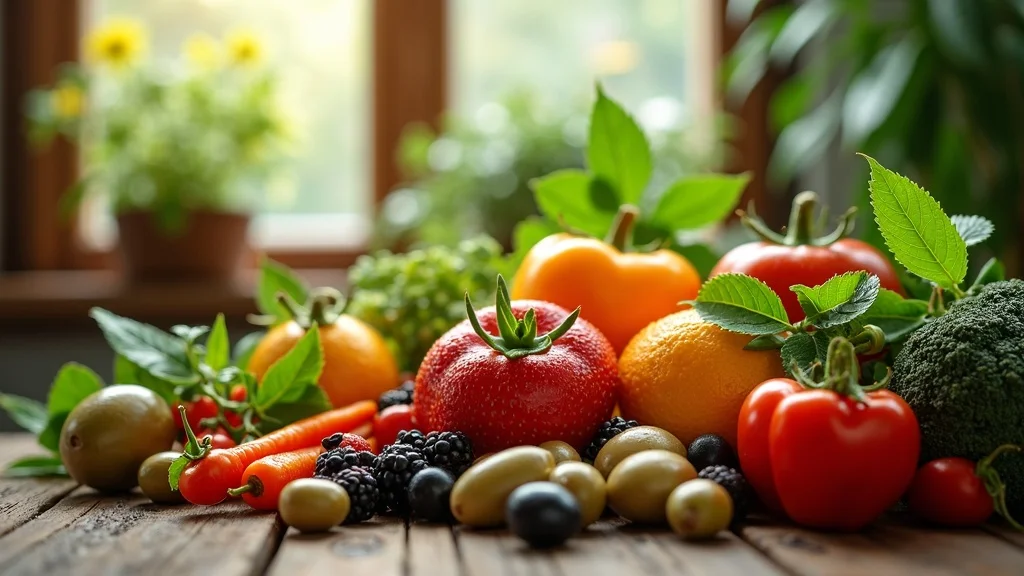
Startling Facts: The Hidden Prevalence of Phenolic Compounds in Nature
Many people are surprised to learn that phenolic compounds are present in more than 8,000 plant-derived substances. These include fruits, vegetables, coffee, spices, tea, nuts, and especially olives. Despite their ubiquity, the phenolic content varies dramatically among different plant species and food types. For example, olives and extra virgin olive oil can contain up to ten times more phenolic acid and related phenolic compounds per gram than many other household fruits or vegetables. This unique concentration makes olives a powerhouse for those seeking protective health benefits beyond basic nutrition.
Understanding the diversity of phenolic compounds in foods is just the beginning—if you’re interested in how these plant-based nutrients can actively support circulation and cardiovascular wellness, you’ll find practical strategies and science-backed insights in our guide on natural ways to promote healthy blood flow with plant phenols. This resource explores actionable steps to integrate high-phenolic foods into your daily routine for optimal heart health.
How Phenolic Compounds Are Integral To Human Health
Scientific research has repeatedly shown that diets high in plant-based polyphenols, including key phenolic acids like gallic acid, caffeic acid, and hydroxycinnamic acid, help reduce the risk of chronic illnesses by counteracting inflammation, oxidative stress, and cellular damage. The role that phenolic compounds play in supporting immune function, cardiovascular health, and even cognitive performance cannot be overstated. Notably, foods rich in total phenolic content—such as olives—are now regularly recommended by nutritionists for their distinctive antioxidant properties and ability to promote longevity.
What You'll Learn About Sources of Phenolic Compounds
- Understand what phenolic compounds are and their main classes
- Identify rich sources of phenolic compounds in foods and plants, emphasizing olives
- Recognize health benefits, potential applications, and frequently asked questions
“Olives aren’t just a staple of the Mediterranean diet—they’re among the highest plant sources of phenolic compounds, delivering powerful benefits for heart health and antioxidative defense.”
Phenolic Compounds Explained
Definition and Key Characteristics of Phenolic Compounds
Phenolic compounds are a vast family of plant secondary metabolites characterized by one or more hydroxyl groups (-OH) directly bonded to aromatic hydrocarbon rings known as phenol structures. These compounds exist in a wide array of chemical classes, each influencing the flavor, color, mouthfeel, and—most importantly—the health benefits of the foods and beverages they are found in. The chemical structure of each phenolic acid, flavonoid, and lignan governs not only its biological function but also its stability, solubility, and absorption in the human body. Their antioxidant activity, tied closely to the number and arrangement of their hydroxyl groups, equips them to neutralize harmful free radicals and support human health at the cellular level.
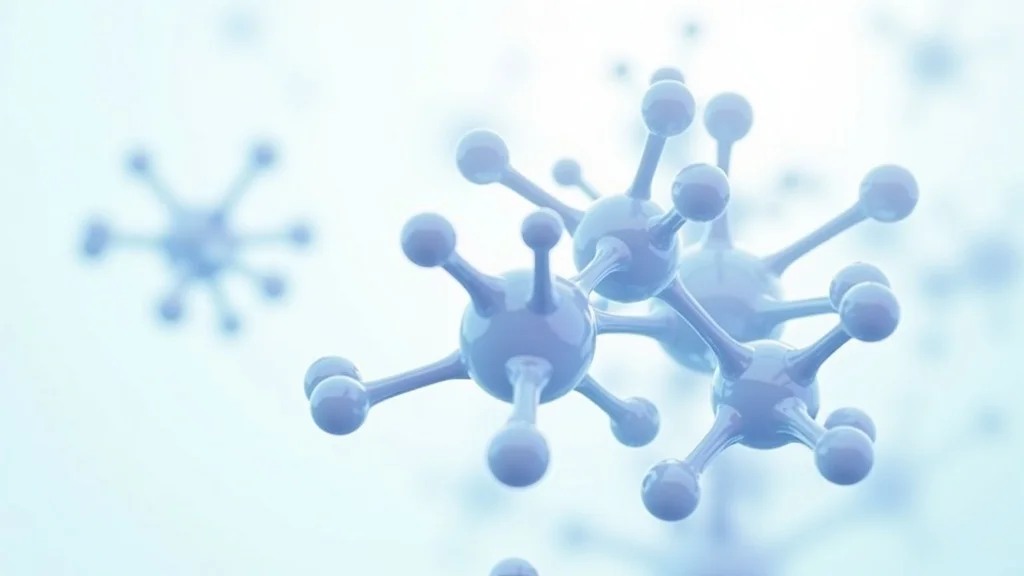
Main Classes: Phenolic Acids, Flavonoids, Lignans, and More
The two primary classes of phenolic compounds are phenolic acids and flavonoids. Phenolic acids, including benzoic acid derivatives (with star members like gallic acid) and cinnamic acid derivatives (such as caffeic acid, ferulic acid, and p-coumaric acid), are prevalent throughout plant species. Flavonoids, another dominant group, provide plants with pigment, UV protection, and potent antioxidant properties. Additional phenolic subclasses include lignans, stilbenes, and tannins—all contributing to the collective antioxidant capacity of plant foods. Olives are unique for their diverse range and concentration of both phenolic acids and complex phenolics, such as oleuropein and hydroxytyrosol, which offer remarkable antioxidant activity unmatched by most other foods.
Natural Occurrence of Phenolic Acid and Phenolic Acids in Plant Sources
Phenolic acids are naturally abundant across a broad spectrum of edible plants. For instance, hydroxybenzoic acids are common in berries, tea, and nuts, while hydroxycinnamic acids are especially prominent in coffee, whole grains, and certain spices. Yet, few plant foods rival the diversity and potency found in olives and olive oil, where individual phenolic compounds contribute to both flavor complexity and the famed health-promoting effects of the Mediterranean diet. The specific content of total phenolic is profoundly impacted by factors like crop variety, growing environment, and food processing methods, underscoring why knowing the major sources is so essential.
Table: Major Sources of Phenolic Compounds in Foods and Plants
| Food/Plant Source | Main Phenolic Constituents | Total Phenolic Content (mg/100g) |
|---|---|---|
| Olives | Oleuropein, hydroxytyrosol, verbascoside | 700–1,800 |
| Extra Virgin Olive Oil | Oleuropein, tyrosol, hydroxytyrosol | 200–600 |
| Berries (Blueberries, Strawberries) | Anthocyanins, flavonols, ellagic acid | 300–700 |
| Coffee | Caffeic acid, ferulic acid, chlorogenic acids | 200–1,000 |
| Tea (Green, Black) | EGCG, theaflavins, catechins | 100–800 |
| Cocoa/Dark Chocolate | Flavanols, catechins, procyanidins | 500–1,500 |
| Nuts (Walnuts, Hazelnuts) | Gallic acid, ellagic acid, flavonoids | 200–750 |
| Vegetables (Artichokes, Onions, Spinach) | Caffeic acid, ferulic acid, flavonols | 100–400 |
| Herbs/Spices (Oregano, Thyme, Cinnamon) | Caffeic acid, cinnamic acid, eugenol | 400–1,200 |
Focusing on Phenolic Compounds in Olives: A Powerful Source
Why Olives Excel as a Source of Phenolic Compounds
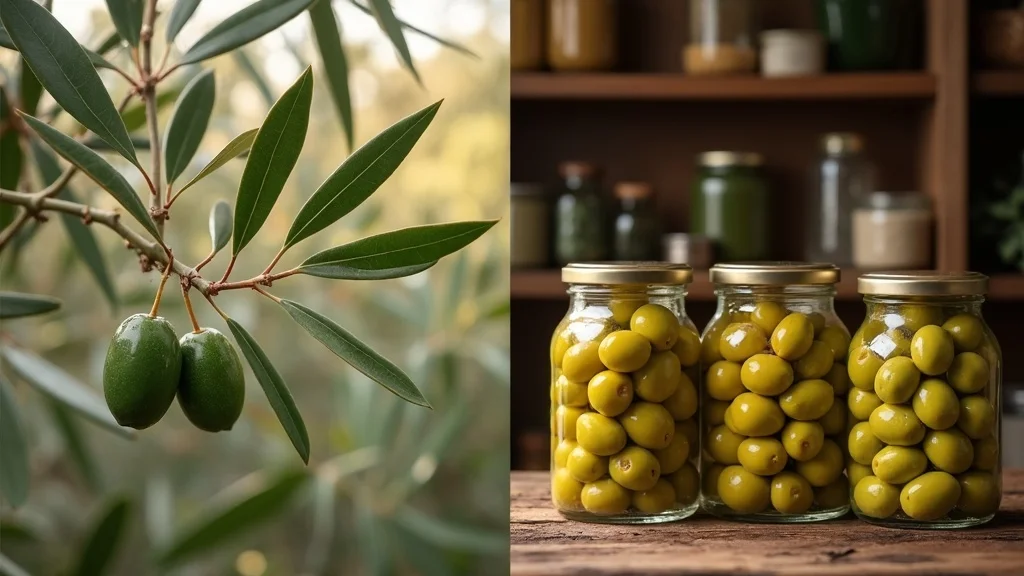
Olives and their oil are exceptionally rich natural sources of phenolic compounds, with unique phenolic profiles not commonly found in other foods. The combination of oleuropein, hydroxytyrosol, and other al phenolic compounds offers outstanding antioxidant properties and health benefits. These molecules are responsible for olives' distinctive flavor and bitterness and are linked to protection against oxidative stress and cardiovascular disease. Notably, olives surpass many other plant foods in their concentration of individual phenolic and total phenolic content, making them central to the Mediterranean diet's protective effect against chronic illness.
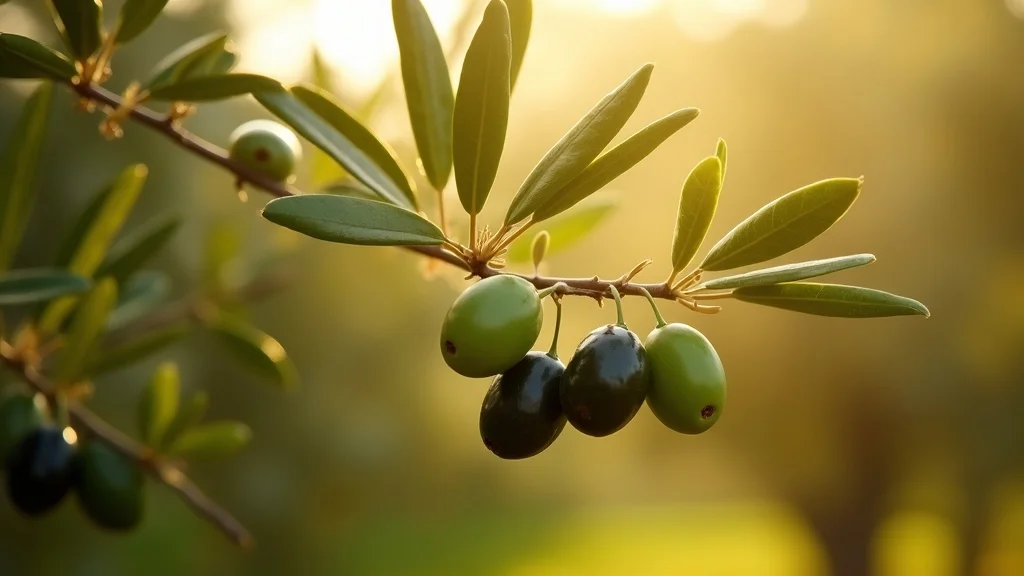
Key Phenolic Acids and Other Phenolic Compounds Found in Olives
The main phenolic acids in olives include caffeic acid, ferulic acid, and gallic acid. What sets olives apart is their abundance of complex, highly bioactive compounds like oleuropein, tyrosol, and hydroxytyrosol—potent antioxidants rarely matched by phenolic acids in other foods. These molecules contribute not only to olives’ renowned stability and flavor, but also deliver impressive antioxidant activity, anti-inflammatory effects, and cardiovascular support as evidenced by numerous scientific studies on human health.
Comparing Olives to Other Natural Sources of Phenolic Compounds
Compared to other top plant sources, olives offer a greater variety and higher concentrations of individual phenolic compounds. For example, while berries are famed for their anthocyanin and flavonoid content, and cocoa is renowned for flavanols, olives dominate in hydroxytyrosol and oleuropein content. Extra virgin olive oil further concentrates these unique phenolics, helping to explain why Mediterranean populations consuming traditional diets enjoy lower rates of cardiovascular disease and chronic inflammation. For optimal phenolic intake, regularly including olives and olive oil alongside a diverse range of plant foods is highly recommended.
Additional Top Sources of Phenolic Compounds in the Diet
- Berries: Blueberries, strawberries, cranberries
- Coffee (notably rich in certain phenolic acids)
- Tea (both green and black varieties)
- Cocoa and dark chocolate
- Nuts (walnuts, hazelnuts, pecans)
- Herbs and spices (oregano, thyme, cinnamon)
- Red wine and grapes
- Vegetables (artichokes, onions, spinach)
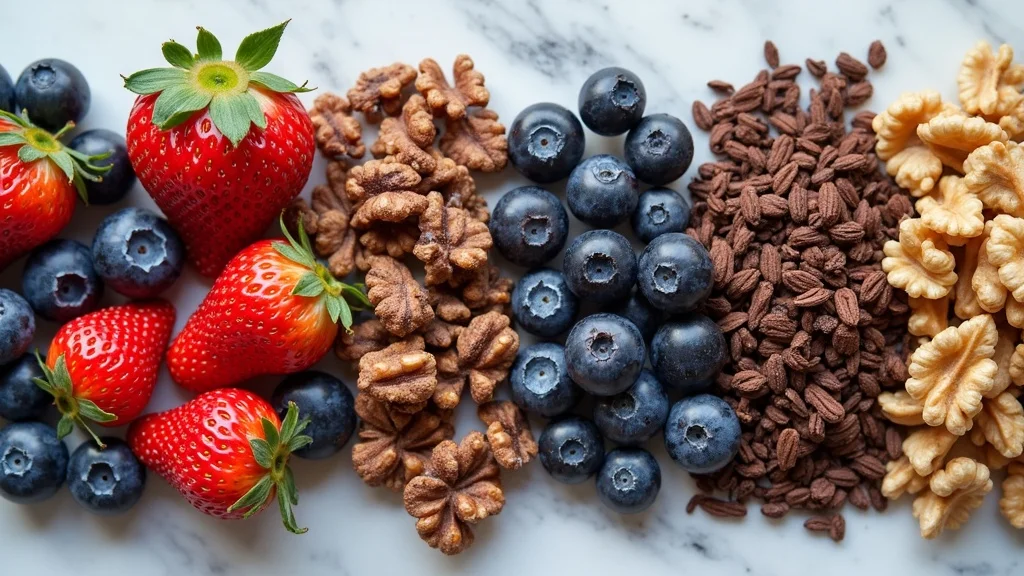
The Biological Function and Health Benefits of Phenolic Compounds
How Phenolic Compounds Counteract Oxidative Stress
Phenolic compounds function as primary defense agents for both plants and humans against oxidative stress. Their unique chemical structure, consisting of hydroxyl groups and aromatic rings, enables them to donate hydrogen atoms to free radicals, thereby neutralizing their harmful effects within the cell. This antioxidant mechanism is critical for protecting DNA, lipids, and proteins from oxidative damage, a central factor in the development of aging-related diseases and chronic conditions. Regular consumption of foods high in total phenolic content—particularly olives, berries, and cocoa—effectively bolsters the body's natural antioxidative defense systems.

Antioxidant Activity Linked to Phenolic Acids
Key phenolic acids such as caffeic acid, ferulic acid, and gallic acid are especially noted for their antioxidant power. Their presence in olives and other high-phenolic plant foods strengthens the total antioxidant capacity of the human diet. By stabilizing oxygen radicals and preventing the chain reactions associated with cellular damage, these compounds help to maintain optimal cell health and vigor. Studies routinely show that a diet high in phenolic acid and other polyphenols—especially those found in olive oil—correlates with reduced inflammation, improved vascular function, and a decreased risk of major chronic diseases.
Potential Roles in Cardiovascular Health, Anti-Inflammatory Action, and More
Research has uncovered that regular intake of foods rich in phenolic compounds, such as olives, can reduce the risk of cardiovascular disease, help balance blood lipids, lower oxidative stress markers, and support a healthy inflammatory response. Beyond heart health, phenolic compounds may also exert protective effects on the brain, immune system, and metabolic function. Though ongoing studies continue to explore all mechanisms, the scientific consensus underscores their central role in preventing chronic disease and supporting vibrant health.
“Recent evidence highlights that regular consumption of high-phenolic foods, such as olives, can significantly improve blood lipid profiles and vascular function.”
List: Factors Affecting Phenolic Compound Content in Foods
- Variety and cultivation practices
- Harvest timing and ripeness
- Processing and storage effects
- Food preparation and cooking methods
Summary Table: Phenolic Compound Content by Food Source
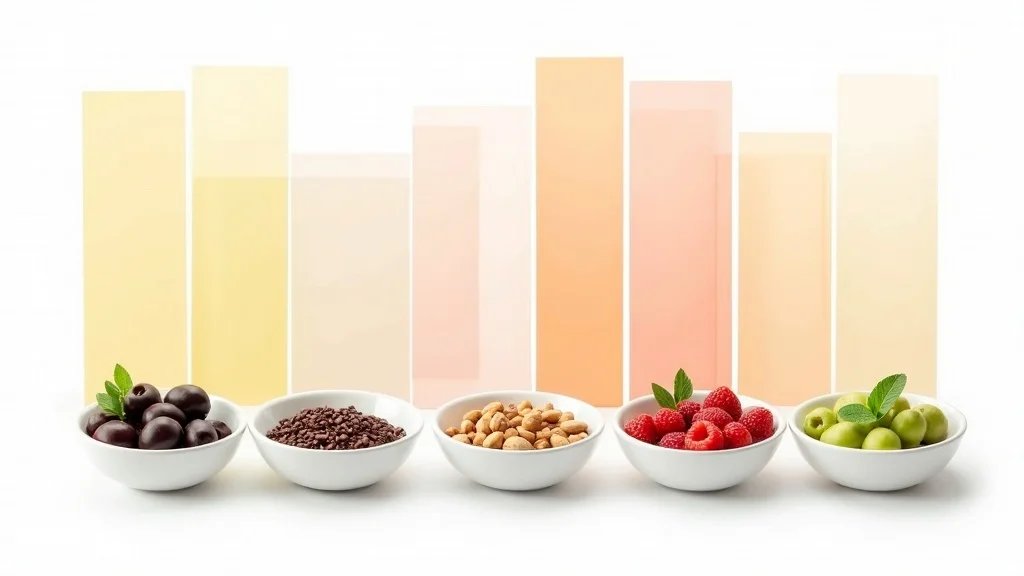
| Food Source | Total Phenolic Content (mg/100g) | Key Phenolic Acids/Polyphenols |
|---|---|---|
| Olives | 700–1,800 | Oleuropein, hydroxytyrosol, verbascoside |
| Extra Virgin Olive Oil | 200–600 | Oleuropein, tyrosol, hydroxytyrosol |
| Dark Chocolate | 500–1,500 | Flavanols, catechins, procyanidins |
| Berries | 300–700 | Anthocyanins, ellagic acid, flavonols |
| Coffee | 200–1,000 | Caffeic acid, chlorogenic acid |
| Herbs/Spices | 400–1,200 | Caffeic acid, cinnamic acids, eugenol |
| Tea | 100–800 | EGCG, catechins, theaflavins |
| Nuts | 200–750 | Gallic acid, ellagic acid, flavonoids |
| Vegetables | 100–400 | Caffeic acid, hydroxycinnamic acids |
Practical Tips: Maximizing Your Intake of Phenolic Compounds
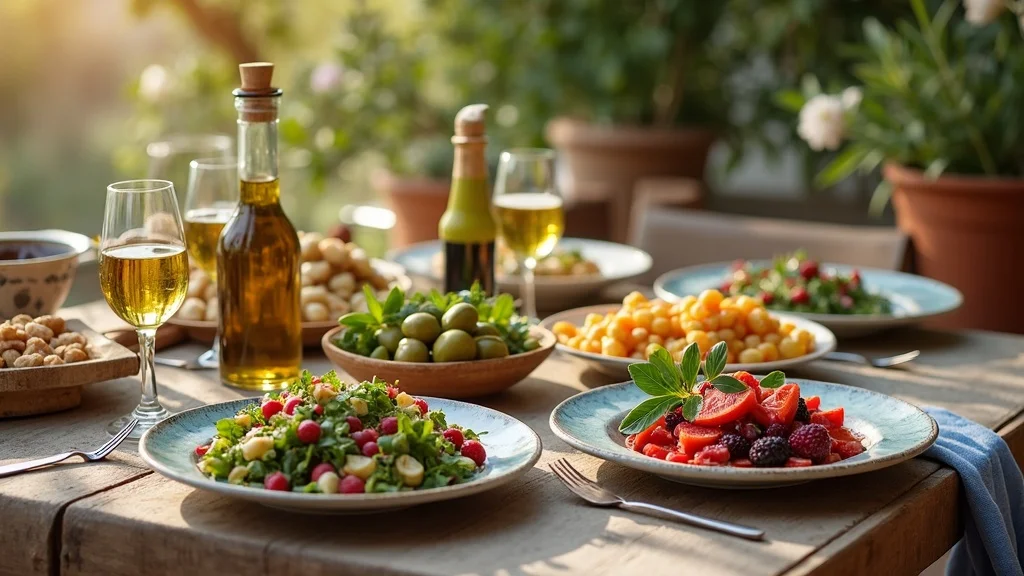
- Include olives and extra virgin olive oil regularly
- Opt for raw or lightly processed fruits and vegetables
- Diversify your diet to cover a broad range of phenolic compounds
- Consider preparation methods that retain phenolic acids and other phenolic compound content
People Also Ask About Sources of Phenolic Compounds
What are the sources of phenolic compounds?
Answer: Most phenolic compounds occur naturally in plant-based foods including olives, fruits (such as berries, grapes), coffee, tea, cocoa, nuts, and some vegetables. Olives are particularly notable for their exceptionally high phenolic acid and phenolic compound concentrations.
What are natural phenols?
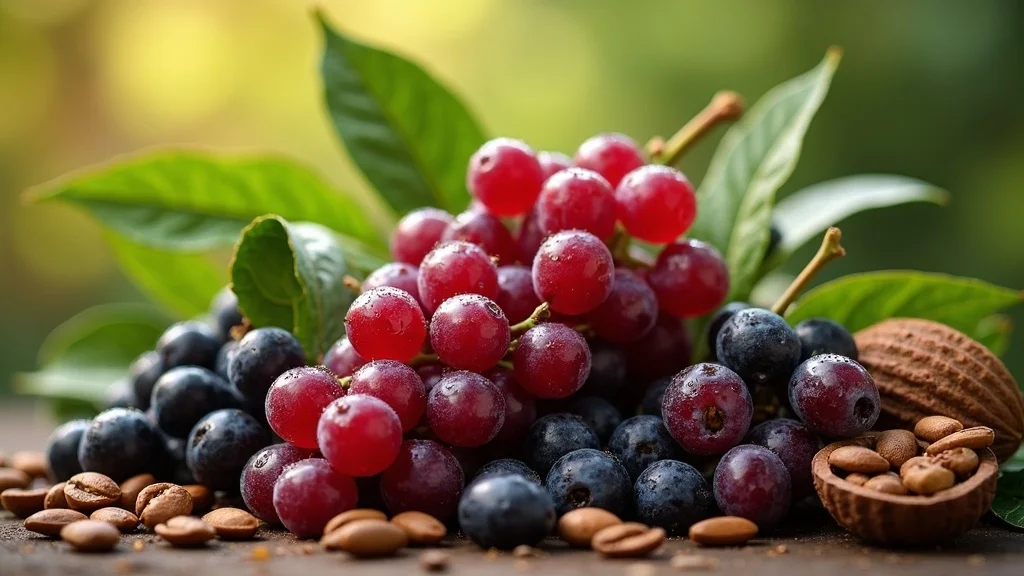
Answer: Natural phenols are a broad group of secondary plant metabolites containing phenol units, widely present in foods like olives, fruits, cocoa, tea, and coffee. They include phenolic acids and play important biological roles.
What plants contain phenolic compounds?
Answer: Many plants contain phenolic compounds, with significant concentrations found in olives, berries, grapes, herbs, cocoa, tea, and spices. These compounds contribute to plant defense and human health.
Which food is highest in polyphenols?
Answer: Among foods, olives, certain berries (such as black chokeberries and elderberries), dark chocolate, and some herbs are considered highest in polyphenols. Olives and extra virgin olive oil are particularly rich.
FAQs on Sources of Phenolic Compounds
Are phenolic compounds destroyed by cooking?
Cooking methods, especially those involving high temperatures (boiling, frying), can reduce phenolic content in foods due to heat-sensitive phenolic acids and polyphenols. However, some gentle preparation techniques, such as steaming or sautéing with olive oil, can help retain a substantial portion of their beneficial compounds. Whenever possible, consume fruits and vegetables raw or minimally processed to maximize phenolic acid and total phenolic content.
Is there a difference between phenolic acids and polyphenols?
Yes, while all phenolic acids are considered polyphenols, not all polyphenols are phenolic acids. Polyphenols is a broad category that includes phenolic acids, flavonoids, lignans, tannins, and other classes. Phenolic acids, such as gallic acid, caffeic acid, and cinnamic acids, are smaller molecules, whereas polyphenols may also include larger, more complex plant compounds. Both contribute significantly to the antioxidant capacity of plant foods.
How much should I consume daily to gain health benefits?
Although there is no fixed recommended dietary intake, research indicates that a diverse plant-rich diet—ideally including high-phenolic foods such as olives, berries, tea, and cocoa—can provide 500–1,000 mg or more phenolic compounds per day. For maximal benefit, make olives and extra virgin olive oil a regular part of your meals and enjoy a wide variety of fresh, minimally processed fruits and vegetables.

Can supplements replace natural food sources of phenolic compounds?
While supplements containing standardized phenolic compounds are available, they cannot fully mimic the complex synergy, absorption, and phytochemical diversity found in whole foods. Natural food sources—especially olives and extra virgin olive oil—deliver phenolic acids, flavonoids, and related compounds in a bioavailable, balanced matrix, supporting broader health benefits that isolated supplements may not achieve.
Key Takeaways: Most Important Aspects of Phenolic Compound Sources
- Olives and extra virgin olive oil stand out as leading sources of phenolic compounds
- Plant-based variety in the diet ensures a broad range of phenolic acids and related compounds
- Processing, storage, and preparation affect phenolic content
- Phenolic compounds play vital roles in antioxidative defense and disease prevention
In Summary: The Power of Sources of Phenolic Compounds for Health
Maximize your intake by focusing on olives and diverse plant foods

Ongoing research continues to reveal new benefits and applications for phenolic compounds in health
As science advances, we continue to uncover new roles of phenolic acids, flavonoids, and related polyphenols in chronic disease prevention, brain health, skin health, and more. The remarkable concentration and balance of phenolic compounds in olives makes them a research focus with continuous promise for human health.
If you’re inspired to take your understanding of plant-based nutrition even further, consider exploring the broader impact of environmental and dietary choices on community health. The EPA’s campaign to reduce problem waste is a powerful example of how collective action and mindful consumption can protect both our bodies and our environment. Discover how these initiatives connect to your wellness journey and learn more about the intersection of nutrition, sustainability, and public health by visiting this in-depth look at community health campaigns and their benefits. By making informed choices, you not only support your own vitality but also contribute to a healthier world for everyone.
Take Action: Discover How Plant Phenols Support Circulation Naturally
Enhance your daily wellness by exploring how olives and other high-phenolic foods can naturally support circulation and heart health—start making them a regular feature on your table today!


Write A Comment