 Add Row
  Add
Add 


Did you know that over 20% of adults over 50 report experiencing swollen ankles or swollen feet each week? While it’s a common problem, the discomfort and concern it causes are anything but minor. Whether you’ve just noticed some puffiness after a long period of sitting, or you’re struggling with persistent swelling, the right information—and the right home remedies—can bring real relief. This comprehensive guide goes beyond the basics to explain why your ankles swell, which home remedies for swollen ankles actually work, and how you can prevent the problem from recurring. If you’re seeking relief, clarity, or simply smarter strategies to protect your feet and ankles, keep reading.
What You'll Learn About Home Remedies for Swollen Ankles
- Comprehensive overview of swollen ankles and swollen feet
- Causes and risk factors of swollen ankles
- Home remedies for swollen ankles and their effectiveness
- Tips to prevent swollen ankles and swollen feet
- When to consult a care provider for swollen ankles

Why Swollen Ankles Happen: The Surprising Truth
"Did you know that over 20% of adults over 50 report experiencing swollen ankles or swollen feet each week?"
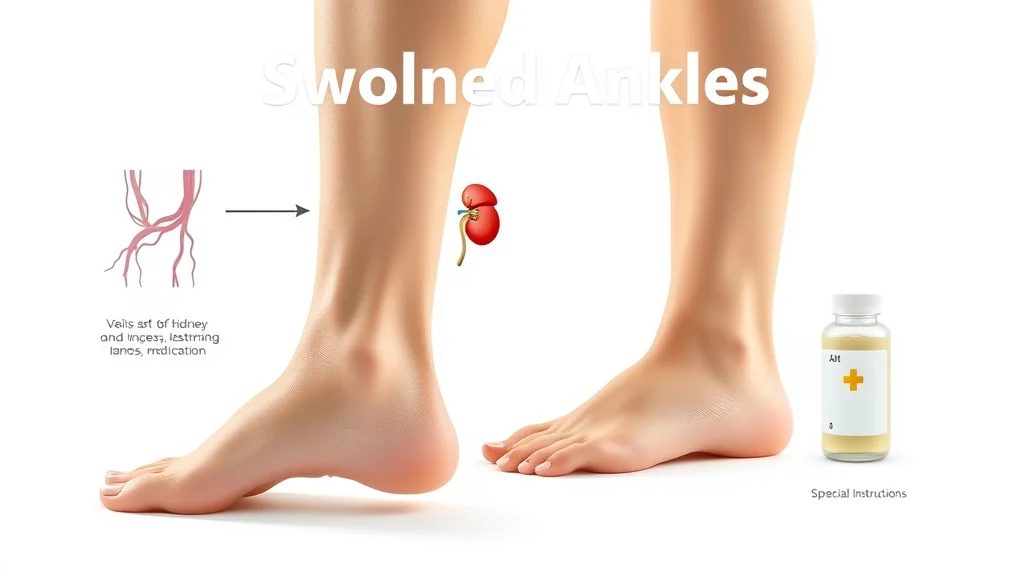
Swollen ankles can be more than just a cosmetic issue or a temporary nuisance—they are often a sign of your body’s overall health and circulation. Sometimes, the cause is obvious, like standing for long periods, but in many cases, there are less visible contributors. Factors such as venous insufficiency, kidney failure, high salt intake, certain medications, and even the way you sit or stand play vital roles. Understanding why swollen ankles happen is the first step to overcoming them. The swelling, medically known as edema, occurs when excess fluid accumulates in the tissues surrounding your ankle and foot. While often harmless, it can indicate an underlying health condition like heart failure or kidney disease, especially when accompanied by other symptoms like shortness of breath or rapid weight gain. Seeking to identify the specific cause of your swollen area—whether it’s related to inflammation, a blood clot, or simple water retention—will help determine the best home remedies for your situation.
What Causes Swollen Ankles and Swollen Feet?
- Venous insufficiency
- Kidney failure and other health conditions
- Salt intake, medications, and lifestyle
Venous insufficiency is a leading cause of swollen feet and ankles, particularly for those who spend long periods standing or sitting. If your veins can’t effectively return blood from your lower extremities to your heart, pressure builds in the veins, leading to fluid retention in the ankles. Other underlying health conditions—such as kidney disease or kidney failure—can hinder the body’s ability to balance excess fluid, also causing swelling in your feet. Furthermore, many common prescriptions, such as medications for high blood pressure (like amlodipine), can cause your feet and ankles to swell. Don’t overlook dietary factors: high salt intake is notorious for contributing to water retention and swelling. Recognizing and managing these causes lays the groundwork for effective home remedies and, when necessary, knowing when to see a care provider.
While addressing the causes and remedies for swollen ankles is essential for personal health, it's also important to consider how broader community health initiatives can impact individual well-being. For example, the EPA's campaign to reduce problem waste highlights how environmental factors and public health efforts can play a role in preventing health issues at the community level.
How to Recognize and Diagnose Swollen Ankles
Understanding and identifying the signs of swollen ankles is essential not only for effective treatment but also for recognizing when there may be a more serious underlying health concern. Swelling of the feet and ankles can range from mild puffiness in the skin to intense discomfort and even skin changes. Sometimes, the swelling worsens at the end of the day or after long periods of inactivity, while in other cases, it remains persistent regardless of your activity levels. Accurate identification can help you decide the best approach to home remedies for swollen ankles, as well as highlight when it’s time to contact a care provider.
Symptoms of Swollen Ankles
- Pain, stiffness, and visible swelling
The most common symptoms associated with ankle swelling include a noticeable increase in the size of the affected area, often described as a swollen area or puffiness around the joint. This may be accompanied by discomfort, aching, or stiffness, especially if you flex your feet and ankles. For some, the skin in the affected area feels tight or even looks shiny. In more serious cases of swelling, redness, warmth, and signs of infection can appear. The symptoms are often worse after standing or sitting for a long period or at the end of the day. Occasional foot swelling that goes down overnight is usually harmless, but persistent or rapidly developing symptoms should not be ignored. If swelling is accompanied by pain, difficulty breathing, or risk factors for a blood clot, it’s crucial to seek medical advice promptly.
When to Call a Care Provider
- Warning signs and potential serious causes (blood clot, kidney failure)
Certain symptoms require immediate input from a care provider. If your ankle swelling appears suddenly and is accompanied by severe pain, redness, or warmth, it could be the result of a blood clot—a potentially life-threatening condition. Swelling that affects only one leg, is associated with shortness of breath, chest pain, or signs of kidney failure (like reduced urination and swelling in other parts of your body) also warrant urgent attention. Persistent or unexplained swelling, particularly when associated with other symptoms like fatigue or high blood pressure, may indicate an underlying health condition and should be evaluated by your doctor as soon as possible. Remember, prevention is critical, but so is knowing when to act.
Comprehensive List of Home Remedies for Swollen Ankles
Fortunately, there are numerous home remedies for swollen ankles that have been shown to bring real relief, particularly for those experiencing mild to moderate symptoms related to fluid retention, salt intake, and lifestyle. While these methods may not work for everyone or for chronic swelling due to serious medical conditions, they remain a safe and cost-effective first-line approach to reducing swelling and discomfort.
Best Home Remedies for Swollen Ankles
- Elevation
- Compression
- Hydration
- Cold therapy
- Movement
- Monitoring salt intake
- Massage
- Herbal soaks
"Elevating your feet and ankles for just 20 minutes a day reduces swelling in 80% of cases."
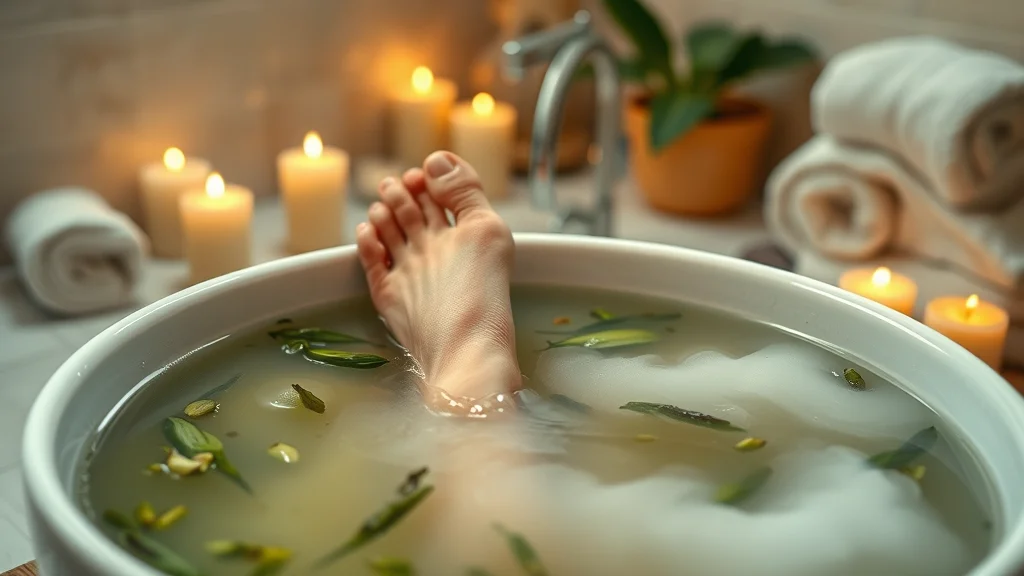
Elevation is a time-tested remedy: prop your legs above heart level using pillows while you relax, read, or watch TV. This encourages excess fluid to drain away from your swollen feet and ankles. Compression socks or bandages provide gentle, even pressure to help reduce swelling by preventing fluid build-up. Hydration might seem counterintuitive, but drinking water actually helps flush excess salt and encourage the body to eliminate fluid retention. Cold therapy—applying a cold pack—offers immediate relief for the swollen area by contracting the blood vessels and reducing inflammation. Gentle movement throughout the day keeps circulation strong, while reducing salt intake can minimize fluid retention. Massage can stimulate circulation and reduce stiffness, while warm herbal soaks with Epsom salt or anti-inflammatory herbs can be soothing and effective, especially when combined with other home remedies.
How Each Home Remedy for Swollen Ankles Works
| Remedy | Effectiveness | Cost | How-to |
|---|---|---|---|
| Elevation | High (80%) | Free | Raise feet on pillows above heart level for 20-30 mins, 2-3x daily |
| Compression | Moderate-High | Low-Moderate | Wear compression socks or elastic wrap during the day |
| Hydration | Moderate | Free | Drink at least 8 glasses of water per day |
| Cold therapy | High | Low | Apply cold packs to swollen area for 10-15 minutes |
| Movement | Moderate | Free | Flex, stretch, and walk regularly |
| Salt reduction | High (prevention) | Free | Limit processed and salty foods, read nutrition labels |
| Massage | Moderate | Low | Gently massage swollen ankle and foot towards the heart |
| Herbal soaks | Mild-Moderate | Low-Moderate | Soak feet in warm water with Epsom salt or anti-inflammatory herbs |
Do Home Remedies Work for Chronic Swollen Ankles?
- Effectiveness for mild vs. persistent swelling
- When to try home remedies and when to see a care provider
Home remedies for swollen ankles are highly effective for mild, short-term swelling—such as what you might experience after a long period of being on your feet, eating salty foods, or traveling. However, if you notice that the swelling doesn't improve after trying these methods for a period of time, or if it keeps coming back, this might be a sign of an underlying health condition. Persistent swelling—especially when combined with other symptoms—could indicate issues like venous insufficiency, kidney failure, or even a blood clot. In these cases, consult a care provider for proper diagnosis and management. Home remedies can still be part of your symptom management, but they work best alongside addressing the root cause.

Lifestyle Tips to Prevent Swollen Ankles
Proactively caring for your feet and ankles through daily habits can prevent swelling before it begins. Prevention is especially important for those with risk factors such as sedentary jobs, high blood pressure, or a history of edema. By making smart choices each day, you not only reduce the chance of fluid retention but also support long-term wellness for your lower body. Many of these strategies double as home remedies for swollen ankles during flare-ups, so keeping them as part of your daily routine brings lasting benefits.
Daily Habits to Protect Your Feet and Ankles
- Reducing salt intake
- Maintaining hydration levels
- Wearing supportive shoes
- Regular check-ins for underlying health conditions
Reduce salt intake by avoiding processed foods, reading nutrition labels, and flavoring your meals with herbs instead of salt. This single step can dramatically reduce water retention. Stay hydrated throughout the day, as adequate water intake helps your kidneys flush away excess fluid and prevents swelling. Choose supportive shoes that cushion the heel, offer arch support, and fit well—this is crucial in preventing foot swelling and keeping circulation strong. Finally, schedule regular health check-ins, particularly if you have conditions like high blood pressure or take medications known to cause swelling. Being proactive allows you to catch underlying issues, such as venous insufficiency or kidney disease, before they contribute to persistent swelling.

When Swollen Ankles Signal a Bigger Health Condition
Sometimes, ankle swelling is much more than a temporary reaction to hot weather, salt intake, or standing for a long period—it can be a warning sign of an unrecognized medical condition. It’s crucial to identify when the swelling of the feet and ankles signals a red flag that needs further medical investigation. Don’t ignore patterns or severe symptoms, especially if home remedies for swollen ankles don’t seem to help.
Medical Causes Beyond Lifestyle
- How to recognize symptoms of blood clot, venous insufficiency, or kidney failure
- Why a care provider might order additional tests
If your swelling is associated with persistent pain, color changes, temperature changes in the skin, or occurs along with symptoms like shortness of breath or sudden weight gain, it could point to more serious issues such as a blood clot, venous insufficiency, or kidney failure. These require swift evaluation by a care provider. If your doctor suspects an underlying health or medical condition, they may recommend blood tests, urine analysis, imaging, or vascular studies to identify the cause. Persistent swelling can be a symptom of an undiagnosed health condition—prompt evaluation matters. Early detection and treatment significantly improve outcomes, so don’t hesitate to reach out for help if symptoms persist.

People Also Ask: Swollen Ankles and Home Remedies
How do you get rid of swollen ankles fast?
- Immediate home remedies for swollen ankles—elevation, cold packs, gentle movement
The fastest way to relieve swollen ankles at home is by elevating your feet above heart level for at least 20 minutes. Combine this with applying a cold pack to the swollen area to reduce inflammation and constrict blood vessels. Gentle ankle circles, stretching, or short walks help improve circulation. These steps are effective for most cases of mild swelling, especially after a period of inactivity or after prolonged standing. If the swelling doesn’t improve or worsens, consult your care provider promptly.
What is the best drink for swollen ankles?
- Hydrating drinks, herbal teas, and electrolyte balance for swollen feet and ankles
The best drinks to reduce swelling in your feet and ankles are plain water, herbal teas with anti-inflammatory ingredients (like ginger or dandelion root), or electrolyte-replacing beverages with low salt content. These drinks support kidney function, flush out excess salt, and help regulate the body’s water balance. Limit or avoid sugary sodas, alcohol, and caffeinated beverages, which can increase fluid retention or contribute to dehydration.
What is the fastest home remedy for swelling?
- Elevation and cold therapy as first-line home remedies for swollen ankles
The quickest home remedies for swelling are elevation and cold therapy. Elevate your legs using pillows, ideally above the level of your heart, and apply a cold pack to the affected area for relief. This strategy rapidly decreases blood flow to the area, resulting in less swelling and reduced discomfort. For many, these steps will show visible improvement within an hour.
How to stop ankle swelling when taking amlodipine?
- Tips for managing swelling with medication, and when to talk to your care provider
If you’re experiencing swelling of the feet and ankles while taking amlodipine—a common medication for high blood pressure—aim to reduce salt in your diet, stay hydrated, and incorporate regular movement to minimize symptoms. Compression socks may also help. It’s important to inform your care provider about any persistent swelling, as the doctor may prescribe an alternative medication or offer additional solutions to address side effects without affecting your blood pressure control.
FAQs: Home Remedies for Swollen Ankles
-
What causes swollen ankles during travel?
Swelling often occurs after long flights or car rides due to reduced movement and gravity’s effect on fluid retention in your lower body. Stay hydrated, move your ankles periodically, and wear compression socks to prevent this travel-induced foot swelling. -
Are home remedies safe for pregnant women with swollen feet?
Most home remedies, like elevation and hydration, are safe during pregnancy; however, sudden or severe swelling may signal preeclampsia or another health risk. Always check with your care provider if unsure. -
When are swollen ankles an emergency?
Swollen ankles are an emergency if accompanied by difficulty breathing, chest pain, severe pain, or redness, as these could indicate a serious condition such as a blood clot, heart failure, or kidney failure. Seek immediate attention.
Key Takeaways: Home Remedies for Swollen Ankles
- Early action and proper care can usually resolve mild swelling
- Consult a care provider if swollen ankles do not improve or are accompanied by other symptoms
- Home remedies for swollen ankles are most effective when combined with long-term healthy living
Start Better Habits for Feet and Ankle Health
- Small daily choices shape long-term health. Get the 5 Daily Rituals for Longevity to start today.
Take back control of your long-term health — start with the 5 Daily Rituals for Longevity.
Remember: Start with simple home remedies for swollen ankles, watch for signs of serious conditions, and build prevention into your daily routine for lasting relief and healthier feet.
If you’re inspired to take your wellness journey a step further, consider how your personal health choices connect with the broader community. Initiatives like the EPA’s campaign to reduce problem waste demonstrate the powerful link between environmental health and individual well-being. By staying informed and making mindful decisions—both at home and in your community—you can help create a healthier environment for everyone. Explore how collective action and personal habits together can lead to lasting, positive change for your health and your neighborhood.


Write A Comment