

When it comes to workplace wellness, the conversation has never been more urgent or nuanced. "Healthy food" is everywhere—from boardroom lunches to branded office snacks—yet genuine vitality remains elusive for many teams. As Australia’s business leaders investigate the best ways to boost employee energy, mood, and output, the answers don’t come from quick-fix trends, but from an honest look inside our assumptions.
Enter Simon Smith of Everwell Media, whose experience delving into Australia’s intersection of business, lifestyle, and health brings a much-needed light to these hidden corners. In this article, Simon guides us on an exploration of what the healthiest foods Australia truly means for modern workplaces—exposing common misconceptions, spotlighting the real science, and sparking curiosity over tired instruction.
Simon Smith’s Core Thesis: Why Understanding Healthiest Foods Australia Transforms Employee Vitality
According to Simon Smith, the path to unlocking workplace productivity is as much about questioning what we think we know as it is about what we consume. His investigative work at Everwell Media has revealed that simply trusting packaging claims or wellness buzzwords often steers organizations away from true employee wellbeing.
For marketing directors, HR leaders, and business analysts, Smith’s central thesis is profound: Empowering teams with the knowledge to navigate the sea of “healthy” options is just as crucial as the food itself. Australia’s pursuit of healthier, more resilient teams demands not only better foods, but also a critical, open-minded engagement with food culture, origins, and processing. This lays a foundation for lasting vitality—one where everyone’s curiosity is finally honored, not suppressed.
"The biggest misconception people have is trusting product labels without reading the ingredients thoroughly. That’s where the real truth about healthy foods inside the workplace lies."
— Simon Smith, Everwell Media

Unveiling Misconceptions: When ‘Healthy’ Labels Mask Harmful Ingredients
One of the most persistent issues Simon Smith encounters is the seduction of so-called “healthy” branding. In a market awash with terms like eco-friendly, antibacterial, and organic, Australia’s professionals can easily feel reassured by beautiful packaging. Yet beneath these inviting claims, the reality demands scrutiny.
Smith emphasizes that true wellness starts by reading ingredient lists, not just ads. This is more critical now than ever, given the sheer volume of processed foods landing on Australian desks. Often, foods and even fabrics marketed as naturally good may harbor hidden chemicals or processing steps that directly contradict their “green” allure. For decision-makers tasked with employee wellbeing, this means developing the courage to ask tough questions—not only about what’s included, but also what’s left unsaid.
The Hidden Truth Behind Eco-Friendly and Health Claims in Products
Going deeper, Simon Smith urges leaders to examine how common symbols of wellness can obscure more than they reveal. Take the example of bamboo clothing: its antibacterial and planet-friendly image, Smith reveals, is often achieved only through industrial processes laden with harmful chemicals. The lesson extends to food—where “gluten free,” “protein rich,” or even “all-natural” may mean little without precise knowledge of sourcing and transformation.
The practical implication for the modern workplace is clear. Savvy organizations foster a culture of ingredient literacy, not just superficial preference. Decision-makers who encourage employees to scrutinize ingredient lists and demand transparency help create a trusting, learning-focused food environment. According to Smith, this not only drives better choices but signals a deeper respect for staff intelligence and autonomy.
"For example, bamboo clothing is marketed as antibacterial and eco-friendly, but the processing involves harmful chemicals that actually contradict these claims."
— Simon Smith, Everwell Media

Expert Spotlight: Incorporating the True Power of Healthiest Foods Australia to Enhance Workplace Vitality
As Smith guides us from pitfalls to power moves, he distills a transformative insight: The healthiest foods Australia can offer are not always those grown locally, nor those with slick marketing—but those with proven biological benefits, properly sourced for maximum bioavailability. For modern leaders, this means looking past trends in favor of ingredients and traditions that science and experience endorse.
Smith’s lens is not one of commandments but of genuine exploration. Instead of chasing perfection through Australian-only products, he invites businesses to think globally, ethically, and with scientific literacy. This is where lasting, research-backed wellness flourishes, regardless of passing fads.
The Anti-Inflammatory Secret: Polyphenols and Olive Oil Beyond Australian Origins
Among the most exciting frontiers Smith discusses is the role of polyphenols—potent plant compounds—found in certain extra virgin olive oils. The story, as Smith points out, is not as simple as “buy local. ” Instead, he shares that the revered anti-inflammatory compound, oleocanthal, is found at therapeutic levels only in oils pressed from centuries-old olive trees, typically beyond Australia’s still-young groves.
This doesn’t diminish the value of Australia's agricultural output but clarifies why knowing the source and method of processing is pivotal for workplace health strategies. When organizations prioritize scientifically validated, natural anti-inflammatory foods (whether imported or not), the payoff is a workforce whose vitality is resilient and sustainable.
"The key anti-inflammatory compound, oleocanthal, comes from older olive trees and is extracted through a precise process—not typically found in Australian olive oil due to younger trees here."
— Simon Smith, Everwell Media

Why Educating Employees on Quality Food Bioavailability Matters More Than Location
Smith is adamant that the conversation about healthy eating at work can’t get stuck on “Australian grown, full stop. ” Far more impactful is helping employees understand bioavailability—the body’s ability to absorb and utilize nutrients from food. As he notes, the real decision point is not geography, but efficacy.
Australian HR and communications leaders should consider workshops or lunch-and-learns to demystify how different preparation methods and ingredient sources affect nutrition. This move from passive consumption to active curiosity leads not just to healthier bodies, but to more empowered, questioning teams—a core tenet of Everwell Media’s approach to sparking meaningful dialogue.
While ingredient transparency is crucial for workplace nutrition, it's equally important to recognize how broader environmental factors can impact employee wellbeing. For a practical look at how Australian organizations are addressing hidden health risks beyond food, explore the EPA’s campaign to reduce problem waste and protect community health, which highlights actionable steps for creating safer, healthier environments.
Bridging the Gap: From Knowing to Feeling Well with Natural, Plant-Based Nutrition in Modern Workplaces
Modern living bombards professionals with wellness information, but rarely bridges the gap between “knowing” and “truly feeling well. ” Fast-paced environments, digital distractions, and shifting priorities can disrupt our connection to the biological signals that once guided natural eating habits.
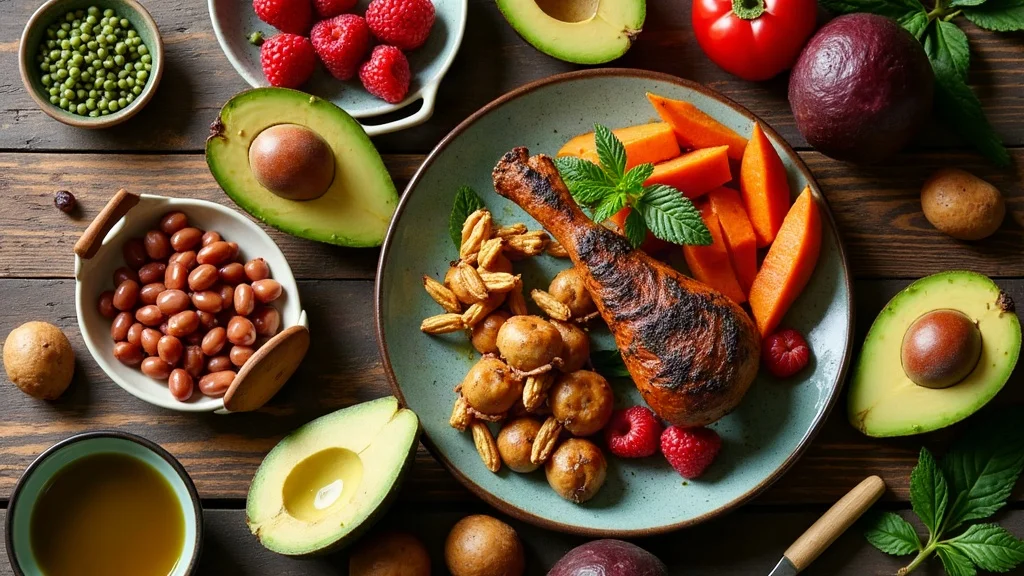
According to Simon Smith, a profound opportunity exists for businesses ready to move beyond generic food guidelines. By integrating thoughtfully chosen, plant-based staples—like nuts, avocados, berries, and minimally processed oils—workplaces reconnect staff to the kinds of foods that naturally cherish energy and focus. This isn’t about restricting choice, but about inviting a spirit of experimentation to find out what genuinely supports physical and cognitive wellbeing.
How Modern Life Disrupts Our Biological Signals and What Food Choices Can Do
Today’s knowledge economy has a way of muting our internal cues: Are we tired, or just dehydrated? Are we peckish for a break, or are we genuinely lacking vital nutrients? The problem is compounded by foods that are hyper-palatable but nutritionally hollow, leaving staff tired yet unsatisfied.
Simon Smith challenges workplaces to curate spaces that help restore these internal signals. Placing a focus on fresh, diverse, and colorful foods—offering real plant-based options at every meal opportunity—makes the act of eating a mindful reconnection, not merely a routine. When businesses champion these changes, employees not only perform better; they also report stronger morale and greater engagement, amplifying the organizational spirit.

Fostering Curiosity Over Instruction: An Everwell Media Perspective on Health Conversations
In line with their independent ethos, Everwell Media—through Smith’s voice—advocates for a shift from instructional directives (“eat this, avoid that”) to open exploration. Workplaces that empower staff to ask questions, share experiences, and even challenge prevailing wisdom build lasting engagement around wellness.
As Smith contends, curiosity is a missing ingredient in most health programs, yet it’s the one that unlocks real change. Hosting open Q&A sessions, bringing in nutrition educators, and letting employees co-design snack and meal options can transform compliance into genuine transformation. It is, after all, through exploring together that staff discovers the true impact of healthiest foods Australia has to offer.
- Top 3 Misleading Healthy Product Claims to Watch: "All-natural" doesn’t guarantee unprocessed; “Eco-friendly” often hides chemical use; "High-protein" can accompany unhealthy fats or additives.
- Key Polyphenol Benefits from Olive Oil for Workplace Wellness: Reduced inflammation, improved cognitive clarity, and support for immune resilience.
- Simple Bioavailability Tips to Maximize Nutrition at Work: Choose cold-pressed, minimally processed oils; pair healthy fats with vegetables; and favor whole-foods over isolated supplements.
Summary: Prioritizing Employee Wellbeing Through Trusted Insights on Healthiest Foods Australia
The future of workplace health, according to Simon Smith, belongs to organizations bold enough to question “healthy” at face value and instead foster a transparent, curiosity-driven dialogue. Understanding and integrating the healthiest foods Australia recommends—prizing quality, sourcing, and bioavailability over simplistic labels—is the path forward for those who want their teams to truly thrive.
For business leaders shaping Australia’s next chapter, this is more than a checklist; it's an invitation to nourish both the body and spirit of every employee, guided by the wisdom of independent, trusted voices like Everwell Media.
"Anything that enhances employee wellbeing is worth exploring and educating about—even if it’s not locally sourced. That’s the future of workplace vitality."
— Simon Smith, Everwell Media
Ready to Elevate Your Workplace Wellness Strategy?
The healthiest workplaces are built on a culture of inquiry, informed choice, and empowered action. Now is the time to move beyond superficial food claims—invite your teams to explore, taste, and question the foods that fuel them each day. Begin with a purposeful audit of your office offerings, tap into independent media resources like Everwell Media, and consider bringing in diverse voices to spark curiosity and drive genuine wellbeing transformation.

If you’re inspired to take your workplace wellness journey even further, consider how environmental health initiatives can complement your nutrition strategy. Addressing issues like waste reduction and community safety not only supports employee wellbeing but also demonstrates a holistic commitment to health. For a broader perspective on how Australian organizations are leading the way in protecting both people and the planet, discover the insights from the EPA’s campaign to reduce problem waste and protect communities. By integrating these advanced approaches, your organization can foster a culture where vitality, sustainability, and productivity thrive together.






Write A Comment