 Add Row
  Add
Add 


Did you know that over 20% of adults experience swollen ankles in their lifetime? It's more common than people think, yet it often sneaks up silently, disrupting comfort, mobility, and daily energy. Whether you’re on your feet all day, sitting for long periods, or simply noticing puffier ankles and feet as you age, prevention makes a world of difference. In this guide, you’ll find expert-backed swollen ankles prevention tips you can start today—practical, simple steps for healthier feet and legs that promote better blood flow, reduce fluid retention, and help you regain control of your daily wellbeing.
What You'll Learn About Swollen Ankles Prevention Tips
- How fluid retention contributes to ankle swelling
- Daily strategies to reduce swollen feet and legs
- When to seek medical advice for persistent swelling
- Expert-backed swollen ankles prevention tips for all ages
"Did you know that over 20% of adults experience swollen ankles at some point in their lives? Proactive prevention is key to long-term comfort and mobility."
Understanding Swollen Ankles: Causes and Fluid Retention
What Is Ankle Swelling?
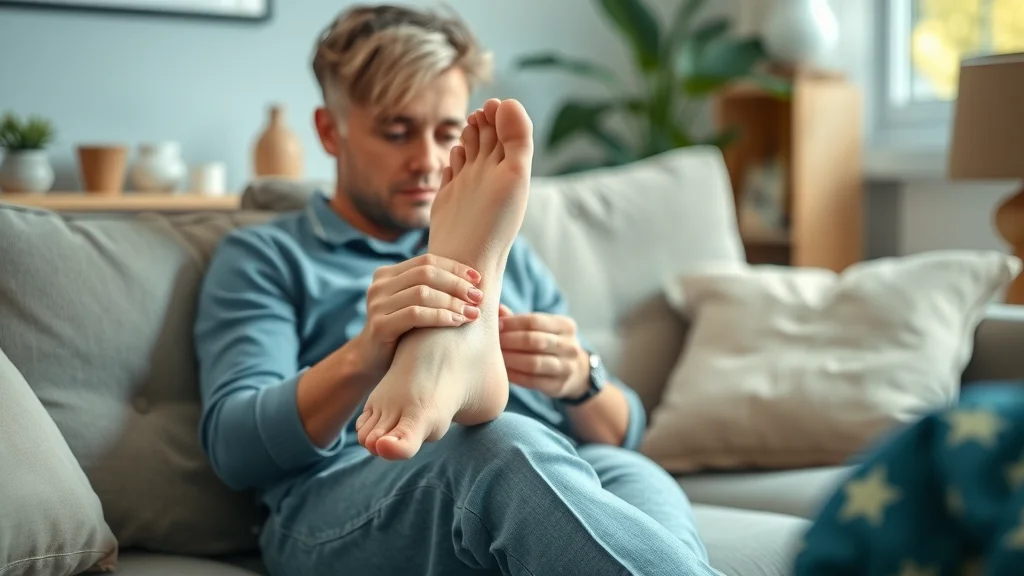
Ankle swelling—also known as peripheral edema—refers to the accumulation of fluid in the tissues of the lower legs, feet, and ankles. This buildup of fluid, often caused by standing or sitting for long periods, can make your lower leg and ankles feel heavy, tight, or uncomfortable. Minor swelling after a day on your feet can be normal, especially during hot weather or after physical activity. However, persistent or recurrent swelling may signal a more significant underlying health condition, such as poor blood flow or problems with circulation, like venous insufficiency or even high blood pressure. It's important to pay attention to any change in the appearance or sensation of your swollen ankles and consider whether lifestyle or medical factors might be playing a role.
Fluid Retention and Its Impact on Swollen Feet and Ankles
Fluid retention, or water retention, occurs when the body holds on to excess fluid, causing swelling in various parts of your body—most noticeably the feet, legs, and ankles. This condition can develop due to dietary habits (like a high salt intake), sitting or standing for long periods, hormonal changes, certain medical conditions, or as a side effect from medications. The excess fluid seeps into the tissues of the lower legs, leading to a noticeable swollen area that can feel puffy, tender, and uncomfortable. Addressing fluid retention early with simple daily swollen ankles prevention tips—such as drinking more water, moving regularly, and limiting salty foods—can dramatically reduce swelling and support healthy blood flow throughout the legs and feet.
While these daily habits are essential, it's also important to recognize how broader health initiatives can impact personal wellness. For example, community efforts to reduce environmental hazards can play a role in supporting healthier lifestyles and reducing risk factors for conditions like swelling and fluid retention. Learn more about how public health campaigns are making a difference in community health in the EPA’s campaign to reduce problem waste and protect communities.
Common Health Conditions That Lead to Swollen Ankles
Multiple health conditions can make you more likely to develop swollen ankles, including heart failure, kidney disease, liver disease, and chronic venous insufficiency. High blood pressure and diabetes also contribute to poor circulation and fluid buildup in the lower legs and feet. Certain medications—including some used to treat high blood pressure (like amlodipine)—often list ankle swelling as a common side effect. Even a simple blood clot in the lower leg can cause sudden, pronounced swelling and needs urgent medical attention. Knowing your risk factors and monitoring for signs of foot swelling are essential parts of any effective prevention strategy.
Healthy blood flow is crucial for preventing swollen ankles and feet. When blood flows freely back to the heart, fluid does not accumulate in the lower legs. Impaired circulation—often a result of sitting or standing in one position for a long period—slows this return, encouraging the buildup of fluid. Watch the video below to see a clear visual explanation of how good circulation supports swollen ankles prevention and what daily movements can keep your feet and legs healthy.
Swollen Ankles Prevention Tips: Simple Lifestyle Changes
Stay Active: Improve Blood Flow and Reduce Fluid Retention
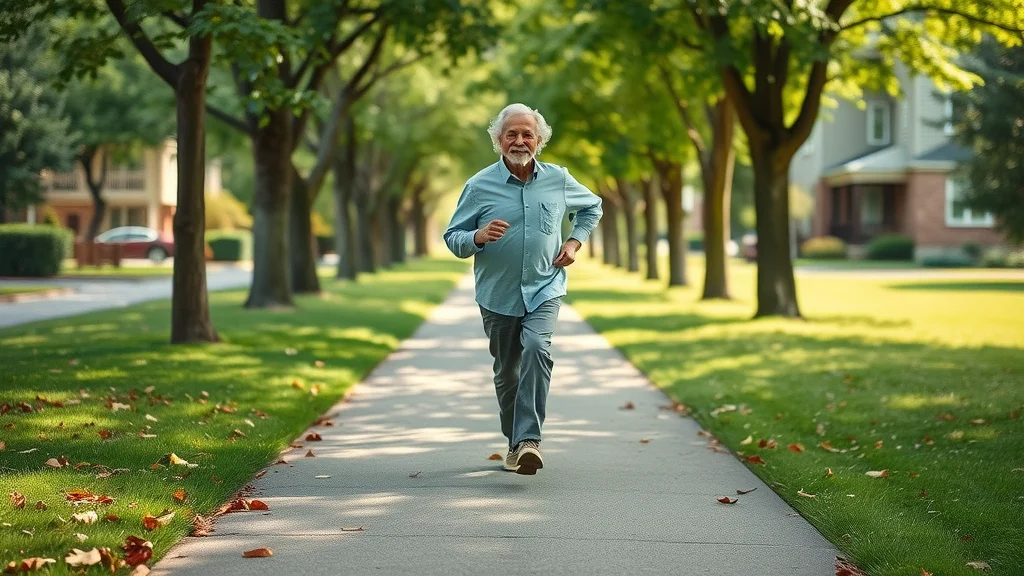
Staying active throughout the day is one of the most effective swollen ankles prevention tips. Regular movement—such as brisk walking, gentle stretching, and even simple foot flexes while seated—stimulates blood flow and discourages fluid retention in your lower legs and feet. Experts recommend shifting positions regularly, getting up for short walks every hour, and including low-impact exercises like swimming or cycling if possible. These actions not only minimize fluid accumulation but also help maintain strong, flexible lower leg muscles that support proper vein function. By making movement a part of your everyday routine, you’ll notice fewer episodes of foot and ankle swelling and improved overall comfort.
Elevate Your Feet and Legs to Combat Ankle Swelling
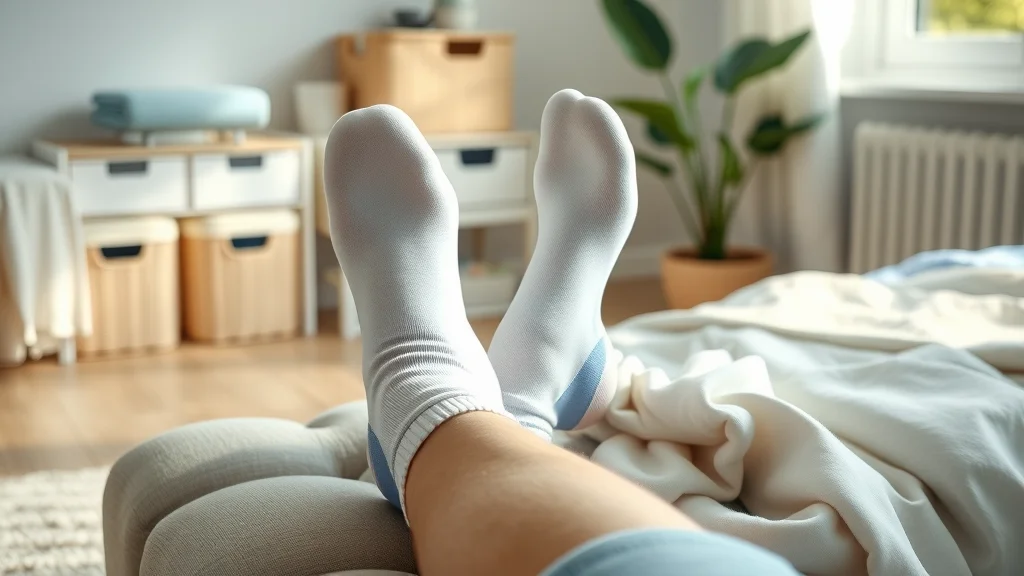
Elevating your feet and legs above heart level is a simple yet highly effective way to reduce swelling in the lower legs and swollen ankles. This position allows gravity to help move excess fluid from the feet and legs back toward the upper body, which ultimately lessens pressure and discomfort in the swollen area. Try propping your feet up on pillows or cushions for 15–20 minutes a few times daily, especially after long periods of standing or sitting. Consistent elevation can make a big difference in reducing fluid retention and swelling in your feet and ankles, while also giving your circulatory system a much-needed break. Incorporate this preventative measure into your evening routine for maximum benefit.
Limit Salt Intake to Minimize Swollen Feet
Consuming large amounts of salty foods increases water retention throughout the body, making swollen ankles and swollen feet much more likely—particularly if you already tend to retain fluid. Dietary salt encourages your system to hold onto excess fluid, which easily pools in the lower legs and feet after a long period in a static position. Reducing your sodium intake can help minimize this swelling naturally. Focus on incorporating fresh, unprocessed meals and checking food labels for hidden salt content. Flavor meals with fresh herbs, citrus, or spices instead to promote good circulation and reduce your risk of persistent ankle swelling.
Wear Compression Socks for Swollen Ankles—Do They Work?
Compression socks offer targeted support for anyone prone to swollen ankles, especially after long periods of inactivity or for those with chronic conditions affecting blood flow. These specialized socks gently squeeze the lower legs, promoting healthy venous return and reducing fluid accumulation in your feet, ankles, and lower legs. Research shows that wearing compression socks daily can reduce the severity and frequency of swelling, and help relieve the heaviness and fatigue often associated with swollen lower legs. Choose a style and fit advised by a care provider for your needs, and remember to wear them as recommended for best results in swollen ankles prevention.
Knowing how to elevate your feet correctly is key for swollen ankles prevention. Watch this demonstration video to see safe techniques for supporting your lower legs—using pillows, cushions, and proper positioning. Regularly incorporating these elevation habits, combined with movement and other lifestyle tips, helps minimize fluid retention and can significantly speed up recovery from episodes of swelling in your feet and ankles.
Medical Causes of Swollen Ankles and When to Seek a Care Provider
Recognizing Signs to Seek Medical Attention
Not every swollen ankle is a minor inconvenience—persistent, sudden, or severe swelling can signal a more serious underlying health condition. If your swollen feet or ankles are accompanied by pain, redness, warmth, shortness of breath, chest pain, or develop suddenly in just one leg (suggesting a blood clot), seek medical attention promptly. Watch for changes in skin color, skin breakdown, or swelling that doesn’t improve after rest and elevation. Communicating these symptoms early with your care provider ensures you get the best treatment and support for long-term swollen ankles prevention and full-body health.

Health Conditions and Medications Linked to Ankle Swelling
Chronic health issues such as heart disease, kidney and liver problems, thyroid disorders, and high blood pressure frequently contribute to swollen ankles due to their effects on circulation, blood flow, and fluid regulation. Besides, several medications—especially those managing high blood pressure or diabetes (like amlodipine)—list foot and ankle swelling as a potential side effect. If you notice swelling after starting a new medication, discuss alternative options or management strategies with your care provider. Early intervention can often resolve discomfort and limit long-term lower leg complications.
How To Communicate Symptoms to Your Care Provider
Providing detailed descriptions of your foot swelling helps your care provider identify the root causes and craft an effective prevention plan. Maintain a daily log noting when swelling starts, its severity, which parts of your body are affected (just feet, lower legs, or both), and any associated symptoms like pain, heat, or restricted mobility. Bring this information to medical appointments, and be ready to discuss lifestyle factors (activity level, diet, daily routines) as well as any new or ongoing medications. Clear, thorough communication leads to better outcomes and improved swollen ankles prevention for your individual needs.
Special Considerations: Swollen Ankles in Pregnancy and Medication Side Effects
Swollen Ankles and Feet During Pregnancy: What Helps?
Pregnancy naturally increases your risk of swollen ankles due to hormonal shifts, increased blood volume, and the pressure from a growing uterus on lower body veins. Safe prevention strategies include elevating the feet several times daily, drinking plenty of water, wearing well-fitted supportive shoes, staying active with gentle movement, and avoiding standing or sitting for long periods. Compression socks can also be helpful, but it's best to consult with a healthcare provider for pregnancy-specific recommendations. Tracking swelling patterns ensures you can spot unusual changes that may require closer attention.

Managing Ankle Swelling from Medications like Amlodipine
If you develop swollen ankles as a side effect of blood pressure medications like amlodipine, don’t stop taking the medication abruptly—instead, inform your care provider immediately. Adjustment of dosage, switching to an alternative medication, or adding lifestyle strategies (like increased activity and foot elevation) can significantly reduce swelling while keeping your blood pressure controlled. Always report new or worsening swelling to ensure your treatment plan remains both safe and effective for your overall health.
Visual learning can make a difference! This short video demonstrates simple, pregnancy-safe techniques for reducing ankle swelling, including gentle stretching, hydration practices, and the best ways to rest and elevate the feet. Following these swollen ankles prevention tips throughout pregnancy supports both your comfort and your baby's wellbeing, reducing your risk of complications from water retention.
Practical Swollen Ankles Prevention Tips and Daily Habits
- Simple routines for promoting circulation in feet and legs
- Daily stretching and movement exercises
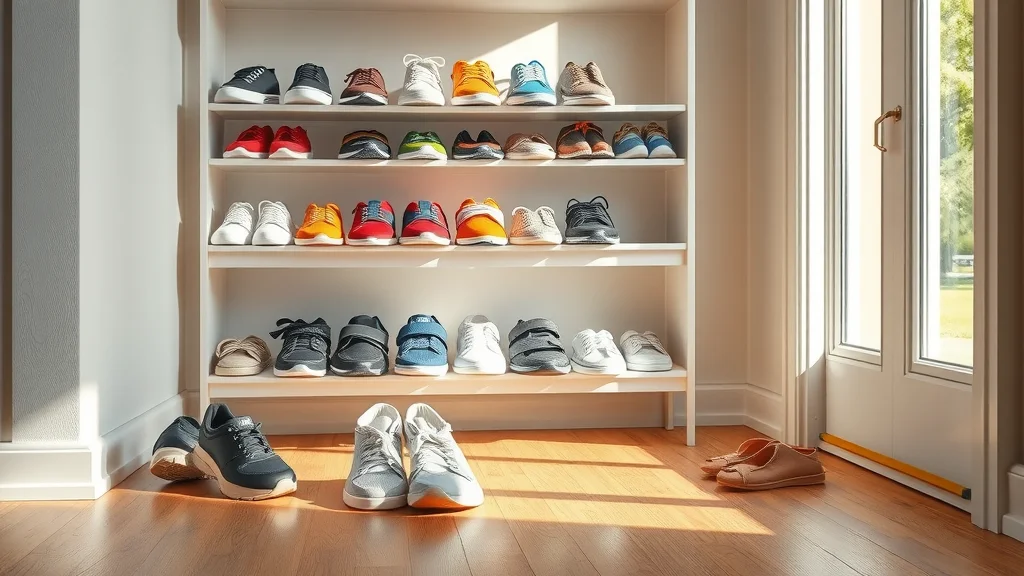
- Choosing the right footwear for ankle support
- Monitoring for signs of foot swelling or swelling in the feet and ankles
| Prevention Approach | Examples | When to Prioritize |
|---|---|---|
| Lifestyle Changes |
|
For occasional or mild swelling, prevention, and long-term wellness |
| Medical Interventions |
|
For persistent, sudden, painful, or one-sided swelling, or when other symptoms are present |
People Also Ask About Swollen Ankles Prevention Tips
What can I do to prevent swollen ankles?
Answer: Comprehensive methods for fluid retention, elevating feet, and using compression socks to prevent ankle swelling.
To prevent swollen ankles, focus on routines that minimize fluid retention and encourage healthy blood flow. Move and stretch throughout the day, elevate your feet above heart level several times daily, reduce salt in your diet, and wear compression socks if you’re prone to prolonged sitting or standing. These prevention strategies support circulation and help prevent the buildup of excess fluid in your feet and ankles.
How to reduce swelling in feet in pregnancy?
Answer: Tips on reducing foot swelling and ankle swelling safely during pregnancy, including hydration, light exercise, and elevation.
Reducing swelling in the feet and ankles during pregnancy involves staying hydrated, elevating the legs several times per day, performing gentle stretches, using supportive shoes, and avoiding sitting or standing for long periods of time. Wear comfortable compression socks if approved by your care provider, and report sudden swelling or pain to your medical team for additional guidance.
How to stop ankle swelling when taking amlodipine?
Answer: Guidance on managing swollen ankles as a medication side effect, including consulting with a care provider.
If you develop ankle swelling after starting amlodipine or another blood pressure medication, don’t stop it yourself. Contact your care provider promptly. They can evaluate the side effect, adjust your dosage, recommend additional measures to reduce swelling, or switch medications if needed, ensuring both your cardiovascular health and comfort.
What do puffy ankles indicate?
Answer: Overview of underlying health conditions, fluid retention, and when to seek medical attention for ankle swelling.
Puffy or swollen ankles can indicate fluid retention from prolonged standing, high salt intake, pregnancy, or inactivity. However, sudden, pronounced, or persistent swelling may point to an underlying health condition such as heart, liver, or kidney issues—or even a blood clot. If swelling is accompanied by pain, heat, or rapid changes, seek medical attention without delay.
Key Takeaways for Swollen Ankles Prevention Tips
- Early action can significantly reduce recurring swollen ankles
- Lifestyle plays a key role in minimizing fluid retention and ankle swelling
- Consult a care provider if symptoms of swollen ankles persist or worsen
FAQs on Swollen Ankles Prevention Tips
Are swollen ankles always a sign of a health condition?
Not always. Swollen ankles can result from temporary factors like long periods of standing, salty foods, or hot weather. However, if swelling recurs, is associated with pain, or does not resolve after rest and elevation, it could signal a health condition that requires a provider’s evaluation.
Can I prevent foot swelling if I stand for long periods?
Yes—by moving regularly, shifting weight, performing stretches, and wearing compression socks, you can significantly reduce the risk of foot swelling from standing for long periods. Taking breaks to sit and elevate your feet throughout the day is highly recommended for prevention.
Is there a difference between swollen feet and swollen ankles?
Yes. Swollen feet usually refer to puffiness beneath the toes and arch, while swollen ankles involve the area around the ankle bone. Both often have similar causes—like fluid retention or circulation problems—but the underlying health considerations and preventive strategies remain closely related.
Conclusion: Adopting Swollen Ankles Prevention Tips for Better Health
Taking action today with these swollen ankles prevention tips helps keep you moving comfortably—no matter your age or health history.
Preventing swollen ankles is just one piece of the puzzle when it comes to building a healthier, more resilient lifestyle. If you’re interested in how individual choices and community-wide efforts intersect to create lasting wellness, consider exploring how environmental health initiatives can support your journey. Discover the broader impact of collective action and how it can inspire your own daily habits by reading about the EPA’s campaign to reduce problem waste and protect communities. By staying informed and proactive, you can amplify the benefits of your personal prevention strategies and contribute to a healthier environment for everyone.


Write A Comment