 Add Row
  Add
Add 


Did you know that nearly 1 in 5 adults over 50 will deal with swollen ankles caused by fluid retention, and shockingly, most people overlook the early symptoms until swelling impacts daily life? If you’re noticing puffiness around your lower legs or ankles, you’re not alone — and you’re in the right place. In this guide, we’ll uncover what triggers swollen ankles, how it’s linked to blood pressure, and the fastest ways to reduce swelling at home. Don’t wait for discomfort to sideline your wellness. Let’s get you back on your feet with confidence, comfort, and real knowledge.
What You’ll Learn About Swollen Ankles and Fluid Retention
- The underlying causes of swollen ankles and fluid retention
- How high blood pressure and fluid retention contribute to swelling
- Effective home remedies and when to seek medical advice
- Daily routines to manage and prevent swollen ankle issues

A Startling Reality: Why Are Swollen Ankles So Common?
Did you know nearly 20% of adults over 50 experience frequent swollen ankles due to fluid retention, yet most ignore the early warning signs?
Swollen ankles are far more widespread than most realize, often creeping up on people who spend long periods standing, live with high blood pressure, or have underlying health issues like kidney disease or heart problems. The lower leg is especially prone to swelling since gravity naturally causes excess fluid to pool there. Fortunately, becoming aware of these risks is the first step toward healthier, pain-free steps. Ignoring a swollen area might seem harmless, but this can delay identifying a serious health condition like blood clots or a side effect of certain medications. Swollen ankles can signal fluid retention called oedema, which if untreated, may lead to mobility issues or signal an underlying health condition requiring attention.
Modern lifestyles — such as sedentary desk jobs, inadequate hydration, or high salt intake — play a big role in why ankle swelling has become a common issue among adults. While it’s natural to dismiss puffiness after a long day, persistent or pronounced swelling in your ankles deserves mindful care and, sometimes, medical advice. Understanding and addressing risk factors early can save you discomfort and prevent progression to more severe health conditions.
Understanding Swollen Ankles: Causes and Key Symptoms
What Is Fluid Retention and How Does It Lead to Swollen Ankles?
Fluid retention, also known as oedema, occurs when excess fluid builds up in the tissues of your body, most notably your lower legs and ankles. This retention and swelling are commonly caused by a disruption in the balance of fluids, which may stem from heart, kidney, or liver concerns, or simply sitting or standing for long periods of time. When blood vessels in the lower leg struggle to push fluid back up toward the heart—especially if you have high blood pressure or an underlying medical condition—fluid leaks out and collects in areas like your ankles, making them swell. Aside from uncomfortable puffiness, you might also notice that your skin appears stretched or shiny over the swollen area.
While fluid retention can happen to anyone, particular groups are at higher risk, including those taking medications like NSAIDs or corticosteroids, which have a side effect of fluid retention. It’s crucial to recognize fluid retention and its link with high blood pressure, as unchecked swelling can point to broader circulatory or systemic problems. If the swelling in your ankles persists, worsens, or is accompanied by symptoms such as pain, redness, or shortness of breath, it’s important to seek medical help promptly as this could signal an underlying medical issue beyond simple fluid retention.
In addition to understanding the causes and symptoms of swollen ankles, it's helpful to stay informed about broader health initiatives that can impact community well-being. For example, the EPA's campaign to reduce problem waste highlights how environmental factors and public health efforts intersect, offering valuable context for those interested in holistic approaches to health.
Spotting Swollen Ankle Symptoms — Early Signs to Watch For
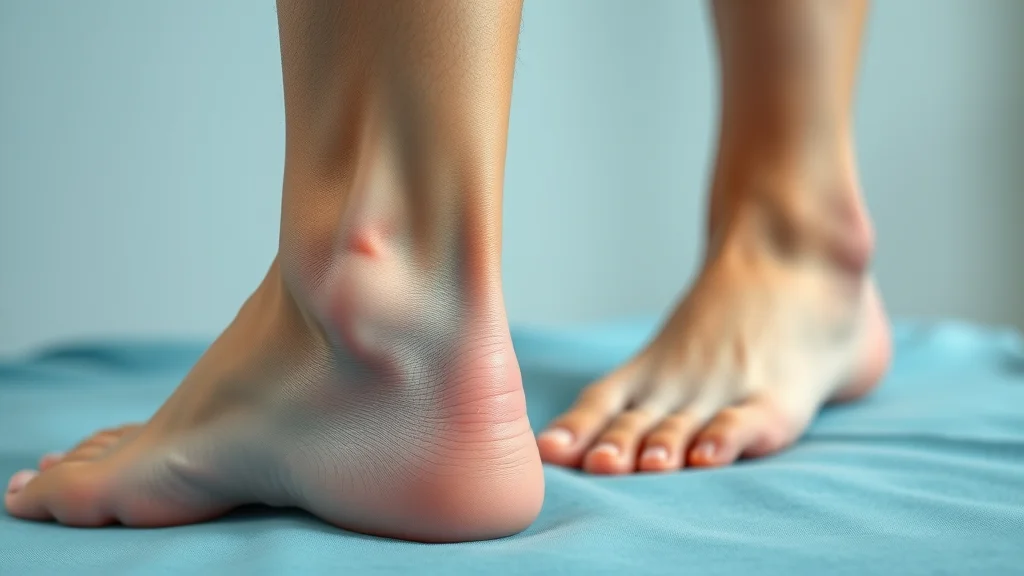
Early recognition of swollen ankle symptoms can help you intervene before the swelling leads to greater complications. Look for observable puffiness or enlargement in one or both ankles, which may develop over hours or days. A “dented” appearance, where pressing your finger briefly leaves an impression on the skin, is another sign of oedema. Alongside visible swelling, you may also notice your shoes feel unusually tight or your skin feels warm around the swollen area. These symptoms can be even more evident after sitting or standing for long periods of time.
If you notice a color change (redness or a bluish cast), persistent pain, or increasing swelling that does not subside with elevation and rest, these could point toward more serious issues such as a blood clot, infection, or a chronic medical condition like kidney disease. Even mild, recurrent swelling warrants evaluation—especially if you take medications that list fluid retention as a side effect. Monitoring your symptoms and sharing any sudden changes with your healthcare provider is a proactive way to manage your health effectively.
Blood Pressure and Swollen Ankles: The Hidden Connection
High blood pressure is a silent partner to many cases of swollen ankles. When blood pressure remains elevated over a long period, the tiny blood vessels in your lower legs and ankles can weaken, making it harder for your circulatory system to efficiently return blood to your heart. This pressure causes fluid to seep out of the blood vessels and build up in nearby tissues, resulting in fluid retention and swelling. If you’ve been diagnosed with high blood pressure, it’s essential to pay extra attention to any new or worsening swelling in your ankles, as this could be a sign of underlying stress on your heart or kidneys.
It’s also worth noting that medications used to control high blood pressure may sometimes contribute to fluid buildup as a side effect. What might seem like a harmless “puffy ankle” could actually be your body alerting you to the need for medical review or an adjustment in your treatment plan. Always keep your healthcare provider informed about persistent changes in your swelling—they can help identify whether your symptoms are linked to your current blood pressure, medications, or another underlying health condition that requires targeted intervention rather than home remedies alone.
High Blood Pressure and High Blood: Risks and Impacts on Ankle Health
Unchecked high blood pressure, or hypertension, doesn’t just affect your heart — it can directly impact the circulation in your legs and ankles, making swelling a persistent problem. Over time, consistent high blood force in your arteries damages or weakens capillaries, lowering their ability to contain fluids and causing them to leak into surrounding tissue. This side effect is especially pronounced if you spend long periods standing, have a high amount of salt in your diet, or are managing conditions such as diabetes or kidney disease. Ankle swelling tied to high blood is more than just a cosmetic issue; it can disrupt mobility, increase discomfort, and signal a risk of long-term circulatory issues.
The risks extend further if high blood pressure is coupled with organ insufficiency (such as heart, kidney, or liver disease) as each condition can worsen fluid retention and swelling. Prevention includes regular monitoring of blood pressure, reducing your salt intake, staying physically active, and reporting any rapid swelling to your provider. Recognizing the role high blood pressure plays in swollen ankles will equip you to take timely action, whether through lifestyle changes, medication reviews, or advanced therapies to protect both your ankles and your cardiovascular well-being.

Table: Common Causes and Risk Factors for Swollen Ankles
| Cause | Description | Associated Risk |
|---|---|---|
| Fluid retention | Accumulation of fluids in tissues | Mild to severe swelling |
| High blood pressure | Elevated blood force in arteries | Increased swelling risk |
| Heart, kidney, or liver issues | Impaired organ function | Chronic swelling |
| Injuries | Sprains, fractures | Localized swelling |
| Medications | NSAIDs, steroids | Side effect: fluid retention |
What Can Swollen Ankles Indicate?
Potential Health Conditions Associated with Swollen Ankles
Swollen ankles can act as an indicator of several underlying health conditions. While fluid retention from standing or heat is common, persistent or severe ankle swelling could point to chronic medical conditions such as heart failure, kidney disease, or liver cirrhosis. Each of these conditions interferes with the body’s ability to regulate fluids, leading to excess fluid accumulation in parts of your body, with the lower legs being a primary site. Other causes include blood clots in the lower leg, venous insufficiency (where blood struggles to return to the heart), or a side effect of certain prescription medications.
It is important to assess whether swelling is isolated or accompanied by other symptoms such as shortness of breath, chest pain, or decreased urine output, which may indicate a more serious underlying medical condition. Recognizing these warning signs early can make all the difference in treatment outcomes. If you experience swelling alongside sudden pain, skin discoloration, or fever, make it a priority to seek medical advice to rule out conditions like deep vein thrombosis or infections. Never ignore new or worsening swollen ankles—your body may be alerting you to an urgent health issue.
When Is Swelling a Medical Emergency?
Although most cases of ankle swelling are mild and resolve with rest and home care, there are specific situations when swelling can be a medical emergency. If your swollen ankles are accompanied by other symptoms such as chest pain, shortness of breath, fainting, or severe pain and redness, it could signal a blood clot, heart failure, or infection. These conditions can progress rapidly and require immediate intervention. Additionally, if swelling develops suddenly in one leg, is painful to the touch, or appears alongside wounds that aren’t healing, don’t hesitate to seek medical help.
Painful, persistent swelling—especially if you have risk factors such as high blood pressure, kidney disease, or are taking medications known for fluid retention as a side effect—should also be addressed promptly to rule out serious health concerns. Trust your instincts: rapid changes or a “spread” of swelling to other parts of your body suggest it’s time to get expert medical guidance. Early intervention helps prevent complications and protects long-term well-being.

How Do I Get Rid of the Swelling in My Ankles?
Quick Relief Strategies for Swollen Ankles at Home
- Elevate your legs above heart level
- Perform ankle pumps and gentle stretches
- Apply a cold compress to reduce fluid retention
- Reduce salt intake to help lower high blood pressure
- Wear compression socks as recommended
The fastest way to reduce swelling in your ankles starts with a mix of simple home strategies and effective daily habits. Begin by elevating your legs above your heart for 20–30 minutes at a time, several times a day—gravity helps move excess fluid away from the swollen ankle area and back toward your core circulation. Gentle ankle pumps and stretches, performed regularly, promote the return of fluid into your blood vessels and enhance lower leg mobility. For acute relief from fluid retention, try applying a cool compress: wrap ice or a chilled gel pack in a towel and place it on the affected area for 10–15 minutes at a time.
Improving your salt intake is critical for people with high blood pressure or prone to water retention. Reducing the overall amount of salt in your diet may noticeably decrease the frequency and volume of ankle swelling. Additionally, wearing compression socks can support the veins in your lower leg, minimizing fluid pooling and boosting comfort. If swelling persists despite these methods, or if you suspect medication side effects or an underlying health condition, consult your healthcare provider for further assessment.

Lifestyle Changes to Prevent Future Swollen Ankles
Long-term prevention of swollen ankles begins with lifestyle changes that support healthy circulation and reduce risk factors. Establish a daily routine that incorporates regular movement; avoid sitting or standing for long periods without changing position. If your work is sedentary, schedule short standing or walking breaks every hour to help your lower limbs circulate blood efficiently. Maintaining a healthy body weight lessens the burden on your lower legs and reduces the likelihood of retention and swelling.
Diet also plays a starring role in prevention: prioritize potassium-rich foods (like bananas and leafy greens), lean proteins, and whole grains, while limiting sodium and processed foods. These choices naturally support your heart, kidneys, and overall fluid balance. Adequate hydration matters, too. Although it may seem counterintuitive, drinking water can help flush excess sodium and prevent water retention. Finally, consider building daily stretches or light exercise, such as swimming or walking, into your lifestyle to ensure that blood flow remains optimal and new swelling is kept at bay.
Do Swollen Ankles Indicate Heart Problems?
Linking Fluid Retention, Swollen Ankles, and Heart Health
Yes, persistent swollen ankles can be a warning sign of underlying heart problems, especially when fluid retention, or oedema, occurs recurrently without obvious cause. The heart’s reduced ability to efficiently circulate blood can lead to fluid backup and swelling in the lower legs. In medical terms, this can be an early manifestation of congestive heart failure—when the heart struggles to pump blood, pressure builds up in the blood vessels and fluid leaks into surrounding tissues like the ankles. The presence of excess fluid in your lower limbs is your body’s way of signaling potential circulatory trouble, and should never be ignored if it’s persistent, severe, or associated with shortness of breath or fatigue.
Recognizing fluid retention as a possible sign of heart-related health conditions is vital because early diagnosis and treatment can dramatically improve outcomes. Speak with your doctor if you have other risk factors (such as high blood pressure, previous heart disease, or irregular heartbeat), as they can help determine whether specialized tests or treatments are needed to protect your long-term health.
Recognizing Heart Warning Signs Through Ankle Swelling
While not all cases of ankle swelling are caused by heart disease, certain warning signs strongly suggest a link. If your swollen ankles are accompanied by shortness of breath, unexplained fatigue, chest discomfort, or swelling extending beyond your ankles to other parts of your body (especially upon waking or by day’s end), these are red flags for heart-related fluid overload. The build-up may start mild but can intensify rapidly, and timely detection helps prevent escalation to more dangerous conditions.
Keep a close watch on any unusual patterns—such as swelling that worsens after lying down or sleeping, or sudden increases in weight due to fluid retention. These symptoms, alongside high blood pressure or a known cardiac issue, should prompt a prompt medical evaluation. Remember, your ankles might be offering valuable clues to your heart’s health—don’t overlook their message.
Does Drinking Water Reduce Ankle Swelling?
Hydration and Its Effect on Fluid Retention in Swollen Ankles
Staying well-hydrated is one of the simplest but most effective ways to help reduce swelling in your ankles. Contrary to popular belief, limiting your water intake can actually worsen fluid retention by causing your body to hold onto excess fluid. By drinking plenty of water throughout the day, your body can more efficiently regulate sodium levels and flush out excess salt—a main contributor to water retention and swelling. Proper hydration supports healthy kidney function, ensuring that excess fluid is filtered and expelled rather than building up in the lower legs and ankles.
That said, overhydration is rarely necessary. Instead, strive for consistent, moderate water intake, especially if you are active, live in a hot climate, or take medications that have fluid retention as a side effect. Balanced hydration helps optimize your body’s circulation and minimizes swelling episodes. If you have severe kidney or heart disease, always consult your doctor for personalized fluid recommendations, as your needs may differ from general guidelines.

Lists: Foods and Habits That Help Reduce Swollen Ankles
- Potassium-rich foods (bananas, leafy greens)
- Lean proteins and whole grains
- Limiting sodium and processed foods
- Staying physically active
- Adequate hydration daily
Frequently Asked Questions (FAQs) on Swollen Ankles and Fluid Retention
-
Can medications cause swollen ankles?
Yes, several common medications list fluid retention and swollen ankles as a side effect. Examples include NSAIDs, certain blood pressure medications, steroids, and some diabetes drugs. Always check with your doctor if you notice new or worsening swellings after starting a medication. -
Is swelling caused mainly by fluid retention or by injury?
Swelling can be caused by both. Injuries like sprains or fractures result in localized swelling. Widespread or persistent swivel in both ankles is more often due to fluid retention or systemic conditions such as high blood pressure or kidney disease. -
How quickly should swollen ankles resolve?
Mild swelling from standing for long periods may reduce within a day of rest and elevation. If swelling does not improve after 3–5 days, or worsens, it’s important to consult a healthcare provider to rule out underlying medical conditions. -
Are swollen ankles always a sign of serious disease?
No, not always. Swelling may occur after exercise, hot weather, or changes in routines. However, persistent or sudden unexplained swelling deserves medical attention to rule out conditions like heart, kidney, or liver issues. -
Can swollen ankle issues be managed by diet alone?
While a healthy diet low in salt and rich in potassium can help, comprehensive management usually involves lifestyle changes, monitoring underlying health conditions, and sometimes medication adjustments.
Key Takeaways for Anyone Experiencing Swollen Ankles
- Swollen ankles can signal underlying health issues like fluid retention or high blood pressure.
- Early intervention and simple changes may prevent serious complications.
- Monitoring your symptoms and adjusting daily habits are key steps in managing swollen ankles.
Ready to Take Charge of Your Health?
Take back control of your long-term health — start with the 5 Daily Rituals for Longevity.
Conclusion: The Path to Healthier Ankles and Improved Well-being
Listen to your body, act early with small changes, and stay informed—the keys to reduced swelling and better health are in your daily choices.
If you’re inspired to take your wellness journey further, consider how community-wide health initiatives can amplify your personal efforts. Exploring topics like the EPA’s campaign to reduce problem waste and protect communities can reveal how environmental health and personal well-being are deeply connected. By staying informed and engaged, you not only support your own health but also contribute to a healthier environment for everyone. Dive deeper into these broader strategies to discover new ways to safeguard your health and the well-being of those around you.


Write A Comment