

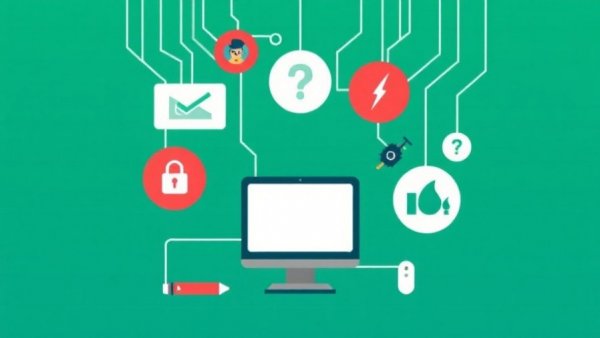
Understanding the Surge of Tech Outages
In a single week, technology has presented small business owners with more than just minor headaches. From a global Microsoft email outage to disruptions in U.S. aviation and banking systems, it seems that the digital landscape is undergoing unprecedented turbulence. This clustering of incidents begs the question—are we witnessing a new era of tech instability, or are these just unfortunate coincidences?
How Cybersecurity Risks Are Evolving
The rise in sophisticated hacking tools, particularly fueled by generative artificial intelligence (AI), raises concerns for small business owners. Cybercriminals now have access to intricate software that can exploit vulnerabilities in systems previously considered secure. The recent episode involving the Optimizely software demonstrates this; it hijacked mainstream websites to steal sensitive customer data across platforms like the BBC and CNN. As businesses operate online more than ever, it’s imperative to stay ahead of these evolving threats.
A Closer Look at Patterns: Are Our Systems Ready?
Interestingly, despite the chaos, experts note that these outages are often linked to routine updates and maintenance errors rather than direct cyberattacks. Microsoft found that its recent outage stemmed from a hidden software defect, while Apple's disruption was due to an internal update. This situation reveals an unsettling truth: most systems are interconnected, yet often fragile. Consequently, a single flaw can cascade through networks, much like a traffic jam formed by a car breakdown in a busy city.
And as organizations increasingly rely on a multitude of interconnected systems, the risk of a single failure causing widespread disruption continues to grow. It’s crucial for small businesses to understand these dynamics, as the interconnected nature of technological systems means vulnerabilities can often spread quickly.
The Balancing Act of Operational Resilience
Operational resilience is key to navigating disruptions efficiently. This concept refers to an organization's ability to maintain essential services during unexpected outages. For small businesses, this could mean developing robust contingency plans and utilizing backup systems to ensure operations can continue despite setbacks. On a broader scale, governments such as Australia are recognizing the importance of this resilience, introducing laws to mandate data sovereignty for government entities. This suggests that protecting data integrity should start at the national level, emphasizing the importance of local infrastructures in maintaining operational continuity.
Moreover, improving operational resilience goes beyond just having backup systems in place. Businesses should also consider the implications of rapidly changing technologies. For example, the increasing use of cloud services requires companies to be vigilant in managing their provider risks. A failure on the part of a cloud provider can have significant repercussions for businesses relying on those services.
Staying Ahead: Practical Steps for Small Business Owners
Operational integrity starts with a proactive approach to technology. Small business owners should consider conducting regular system audits, investing in cybersecurity tools, and training staff on recognizing potential cyber threats. Developing a crisis management plan that includes alternate communication channels and backup resources can also provide peace of mind during operational challenges. Establishing a culture of awareness among employees can serve as the first line of defense against cyber threats, ensuring that everyone is attuned to potential risks.
Furthermore, having a responsive incident management strategy will allow businesses to react swiftly, should a disruptive event occur. This may include partnerships with cybersecurity firms that can provide support and expertise in the event of an attack. Outsourcing some of these responsibilities can free up valuable resources and allow businesses to focus on their core operations.
As technology continues to evolve at a rapid pace, it’s essential for businesses to adapt, ensuring they are not just reacting to changes, but also preparing for them. Engaging with industry networks, attending workshops, or maintaining relationships with tech consultants can provide insights and bolster resilience against unforeseen challenges.
These collective incidents serve as a stark reminder that our dependence on technology is not without risks. However, through awareness and strategic planning, small businesses can not only survive but thrive in an increasingly digital world.
As you reflect on these insights, consider assessing your own business’s technological preparedness. Identifying vulnerabilities and establishing a robust operational resilience plan can make a significant difference in your ability to navigate future challenges successfully. Stay informed, stay prepared, and empower your business to embrace the digital future with confidence.






Write A Comment