


Simon Smith on Why Natural Health Remedies Matter Now
In an era dominated by rapid medical advances and pharmaceutical breakthroughs, the landscape of natural health remedies in Australia stands at a compelling crossroads. Corporate leaders, health-conscious HR professionals, and wellness-focused community managers are increasingly drawn to these time-honored solutions—not just for their cultural roots, but for their renewed scientific credibility. Navigating the ever-expanding stream of wellness information, reliable guidance is more critical than ever. Here, Simon Smith of Everwell Media offers a uniquely Australian perspective, connecting centuries of plant-based traditions with the robust skepticism of modern evidence-based decision-making.
"Before allopathic medicine came along, everyone used to use natural remedies. Sadly, they got phased out." — Simon Smith, Everwell Media
As Smith highlights, the journey back to natural health isn’t about discarding science, but about reclaiming what history—and contemporary research—shows truly works. He observes that Australia’s renewed interest in plant-based approaches is grounded in both cultural memory and a growing body of evidence. This article will unpack the myths, showcase emerging scientific heroes like oleocanthal, and arm you with the insights needed to make informed choices for yourself and your workplace.

Debunking Misconceptions About Natural Health Remedies for Pain Relief
For Australian corporate professionals tasked with shaping workplace wellness programs, cutting through ambiguity is paramount. According to Simon Smith, “There’s a lot of confusion on the Internet about what actually works and what doesn’t, and how it all relates to seeing a health care professional for pain relief. ” In practice, this means that business leaders and HR managers must go beyond online chatter to discern what truly delivers evidence-based results. Smith urges decision-makers to look past headline hype and examine the actual science.
"There's a lot of confusion on the Internet about what actually works and what doesn't, and how it all relates to seeing a health care professional for pain relief." — Simon Smith
The most persistent myth? That all natural health remedies are either automatically safe or categorically ineffective. Simon Smith emphasizes the importance of critically evaluating sources—a principle deeply embedded at Everwell Media. Skepticism, he contends, arises from inconsistent messaging, legacy pharmaceutical marketing, and a lack of easily accessible, digestible science. To bridge this gap, companies should foster a culture of curiosity, champion credible research, and encourage open, non-dogmatic exploration of natural pain relief options. Only then can organizations confidently recommend approaches that are both time-tested and scientifically sound.
- Common myths vs. evidence-based facts: Not all natural solutions are equal—science must guide selection.
- Why skepticism exists around natural remedies: Mixed messages and unclear standards fuel doubt.
- The role of credible sources in understanding natural health: Trustworthy, referenced journalism and transparent research are essential.
Exploring Oleocanthal: Australia’s Rising Star in Natural Pain Relief
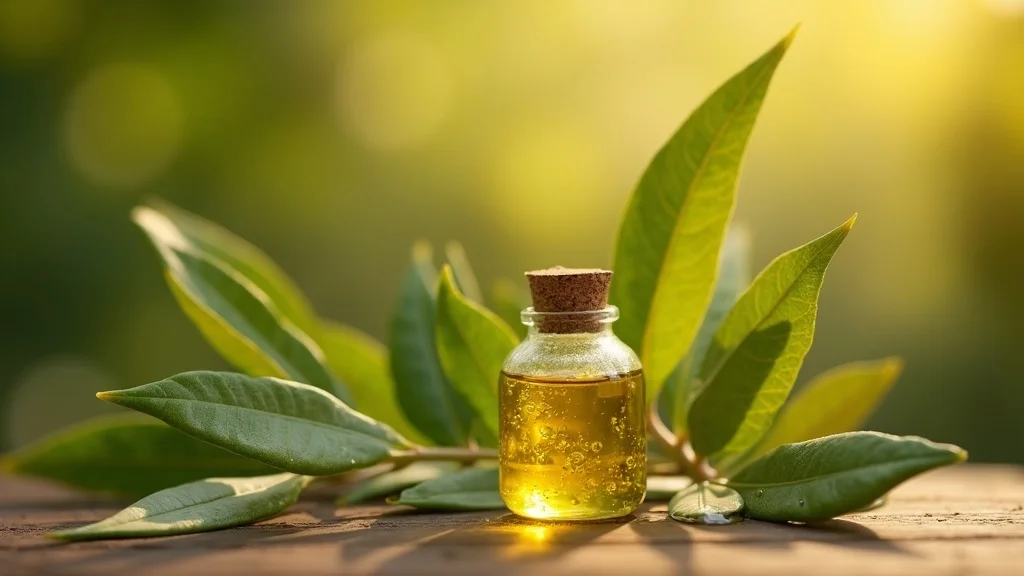
In recent years, oleocanthal—a potent natural compound derived from olive leaves—has captivated the Australian wellness community. Simon Smith elaborates,
"Oleocanthal, sourced from the olive leaf, is reported to be 10 times stronger than ibuprofen and offers health benefits without gut side effects." — Simon Smith
The allure of oleocanthal lies in its dual promise: pharmaceutical-level anti-inflammatory power paired with a favorable safety profile. Australian executives and wellness leaders, often tasked with balancing innovation with employee wellbeing, are increasingly turning to such evidence-based natural health remedies to address workplace pain and discomfort. According to Smith, this isn’t just a trend—it’s a cultural revival, backed by growing clinical curiosity and laboratory validation. He points out oleocanthal’s synergy with other polyphenols in olive extracts, suggesting a more holistic, less reductionist approach to pain management within corporate health initiatives.
For those interested in how evidence-based approaches to health can extend beyond personal wellbeing to broader community impact, it's worth exploring how environmental initiatives also play a role in public health. The EPA's campaign to reduce problem waste highlights the intersection of environmental responsibility and community wellness, offering practical insights for leaders aiming to foster healthier workplaces and neighborhoods.
The Science Behind Oleocanthal’s Effectiveness
Smith’s insight underscores a critical distinction for business and health leaders: effectiveness in natural health remedies is not accidental. Laboratory studies show that oleocanthal’s anti-inflammatory properties closely mirror those of popular pharmaceutical painkillers, without the gastrointestinal risks typically associated with NSAIDs such as ibuprofen. This transformative compound inhibits COX enzymes—key drivers of inflammation—in ways remarkably similar to synthetic drugs, but derived entirely from botanical sources. Such findings offer a comforting bridge between natural wisdom and modern therapeutic rigor for wellness decision-makers.
Equally vital is the “relaxation process”—a meticulously timed phase during olive oil extraction. According to Simon Smith, the effectiveness of oleocanthal hinges on the process itself. Extended processing for culinary oils weakens the active compounds, whereas the optimal 15–20 minute “relaxation” maximizes potency and preserves synergistic polyphenols. This attention to detail gives HR managers and health communications professionals a fresh lens for evaluating the quality of natural pain relief offerings. As Smith notes, quality isn’t about branding hype, but about science-backed processes that unlock the full wellness potential of nature’s own remedies.
- Oleocanthal’s anti-inflammatory properties compared to pharmaceutical painkillers
- The importance of the ‘relaxation process’ in producing effective oleocanthal
- Polyphenols synergy supporting natural pain relief

Choosing Quality: What Marketing Directors, HR Leaders, and Community Managers Should Know
As professionals responsible for wellness program outcomes, understanding the quality and sourcing of natural health products is crucial. Simon Smith’s key message is plain:
"Make sure you’re getting a good brand and that the oleocanthal product is processed correctly—ideally 15 to 20 minutes of relaxation, not the hour-long, heat-based processes used for culinary olive oil." — Simon Smith
Quality assurance starts with understanding sourcing, processing, and formulation. Longer, heat-intensive relaxation, typical in ordinary olive oils, diminishes the very compounds sought for medicinal benefit. For HR leaders and marketing directors, this translates into practical steps: vet suppliers scrupulously, ask for process transparency, and differentiate between culinary oils and those made specifically for health. Smith advocates walking away from one-size-fits-all recommendations—instead, focus on brands that prioritize extraction methods proven by research to yield the highest concentrations of oleocanthal and beneficial polyphenols. Such diligence can position organizations as true champions of employee health.
- Identify authentic oleocanthal-rich products
- Understand processing methods impacting effectiveness
- Recognize the difference between culinary olive oil and medicinal oleocanthal extracts
Bridging the Gap: Why Modern Life Disrupts Our Connection to Natural Health
Today’s corporate and community environments, characterized by processed foods, high stress, and reduced natural movement, create a profound disconnect from our biological wisdom. Simon Smith observes that the gap between knowing about natural health remedies and truly feeling well is often widened by modern lifestyle factors. For workplace wellness advocates, this realization is crucial: promoting natural pain relief isn’t just about adding supplements—it’s about redefining the context in which these remedies are used.
Smith reveals, “A missing element in today’s health conversations is genuine curiosity. ” Rather than passively consuming health advice, he urges organizations to cultivate curiosity—empowering teams to explore why plant-based approaches resonate and how stress or food quality can blunt the effectiveness of even the best ingredients. Understanding bioavailability—the body’s ability to absorb and use these nutrients—matters just as much as what’s being consumed. The modern disconnect, according to Smith, is as much cultural as biological. Bridging it requires leadership in conversation, not just provision.
- How lifestyle factors like food quality, stress, and reduced movement impact pain perception
- Bioavailability considerations versus simple consumption of remedies
- The missing element of curiosity in today’s health conversations
Framing Natural Remedies as Exploration, Not Instruction
Simon Smith and Everwell Media champion an approach rooted in exploration rather than instruction. In a corporate setting, this means inviting teams and communities to experiment thoughtfully with natural health strategies, acknowledging historical perspectives while remaining flexible to emerging data. Rather than rigidly prescribing “the” right answer, organizations should create space for culturally relevant storytelling and shared inquiry. Smith’s philosophy: healthy skepticism and open curiosity are more valuable to workplace wellbeing than dogma.
He contends that when wellness strategies are framed as a journey, rather than an edict, decision-makers empower employees to integrate natural health into the broader fabric of life. This approach aligns perfectly with Australia’s diverse, multicultural environment, fostering both inclusion and innovation in health program design. For leaders tasked with supporting wellbeing, the opportunity is to steer conversations away from prescriptive “shoulds” and towards collaborative discovery fueled by evidence and tradition.
- Encouraging informed curiosity over dogma
- Culturally relevant storytelling to empower decision-makers
- Integrating natural health as part of a broader wellness lifestyle

Key Takeaways for Corporate Leaders and Event Planners: Driving Health Conversations Forward
Corporate wellness champions and event planners are uniquely positioned to influence the narrative around natural health remedies in Australia. As Simon Smith asserts,
"Natural remedies have a proud history and evidence base. Bringing them back smartly can enhance wellbeing without the downsides of pharmaceuticals." — Simon Smith
The most effective initiatives are those grounded in credible, nuanced understanding. Smith emphasizes the need to encourage critical questioning, seek quality sources, and integrate natural solutions to complement, rather than replace, conventional wellness offerings. Thoughtful conversations about processing methods, historical use, and actual scientific data not only drive engagement but also foster trust and enthusiasm among employees and stakeholders.
- Understand the history and evidence behind natural remedies like oleocanthal
- Promote quality sourcing and preparation methods in health communications
- Utilize natural remedies to complement holistic workplace wellness strategies
Conclusion: Embracing Evidence-Based Natural Health Remedies Responsibly

- Reassess misconceptions with credible information
- Value the science of natural compounds like oleocanthal
- Champion exploration and curiosity in wellness choices
In bringing natural health remedies back into the mainstream, Australia’s professionals have a rare opportunity to combine tradition, evidence, and curiosity. According to Simon Smith, it’s not about returning to the past, nor following trends blindly—it’s about using the best information available to create positive outcomes for workplaces and communities. He encourages corporate leaders and wellness champions to lead by example, fostering open dialogue, insisting on high standards, and remaining open to new evidence as it emerges. In doing so, organizations can become trusted guides in the pursuit of lasting wellbeing.
Subscribe to Everwell Media for In-Depth Coverage of Evidence-Based Natural Remedies and Wellness Trends
If you’re inspired to take a more holistic approach to wellbeing, consider how environmental health initiatives can further support your organisation’s wellness goals. The EPA’s recent campaign to reduce problem waste is a powerful example of how community action and responsible leadership can protect both people and the planet. By integrating natural health strategies with broader sustainability efforts, you can create a culture of care that extends beyond the workplace and into the wider community. Explore how aligning wellness with environmental stewardship can amplify your impact and set a new standard for corporate responsibility. Discover more about this important movement and its benefits for community health by visiting the EPA’s campaign to reduce problem waste.


Write A Comment