 Add Row
  Add
Add 


Did you know that nearly 37 million Americans have chronic kidney disease, yet most remain unaware until late-stage symptoms—like swollen ankles—make it undeniable? Understanding the connection between swollen ankles and kidney disease could be the vital clue that protects your long-term health. In this guide, we’ll break down everything you need to know about how swollen ankles relate to kidney disease, key warning signs to watch for, and steps to take toward better kidney care.
A Startling Connection: Swollen Ankles and Kidney Disease Statistics
Swollen ankles can often be dismissed as a minor inconvenience, attributed to long days standing or salty foods. But statistics reveal a deeper concern: millions of Americans are living with kidney disease, and for many, swelling is one of the first signs their kidneys are struggling. Chronic kidney disease frequently develops without obvious pain or discomfort, so subtle, visible signals like ankle or leg swelling require close attention. According to the National Kidney Foundation, being attuned to such symptoms can lead to earlier intervention and potentially prevent the progression to kidney failure. Timely detection is essential, as management during early stages is far more effective than addressing advanced renal disease. If your ankles remain persistently swollen—especially when accompanied by other symptoms of kidney disease—it’s important to seek evaluation to rule out chronic kidney or nephrotic syndrome.
“Roughly 37 million Americans have chronic kidney disease, and many are unaware—until symptoms like swollen ankles appear.” — National Kidney Foundation
What You'll Learn About Swollen Ankles and Kidney Disease
- The link between swollen ankles and kidney disease
- How chronic kidney disease and nephrotic syndrome contribute to edema
- Recognizing early signs and managing symptoms
- Expert strategies for addressing underlying causes
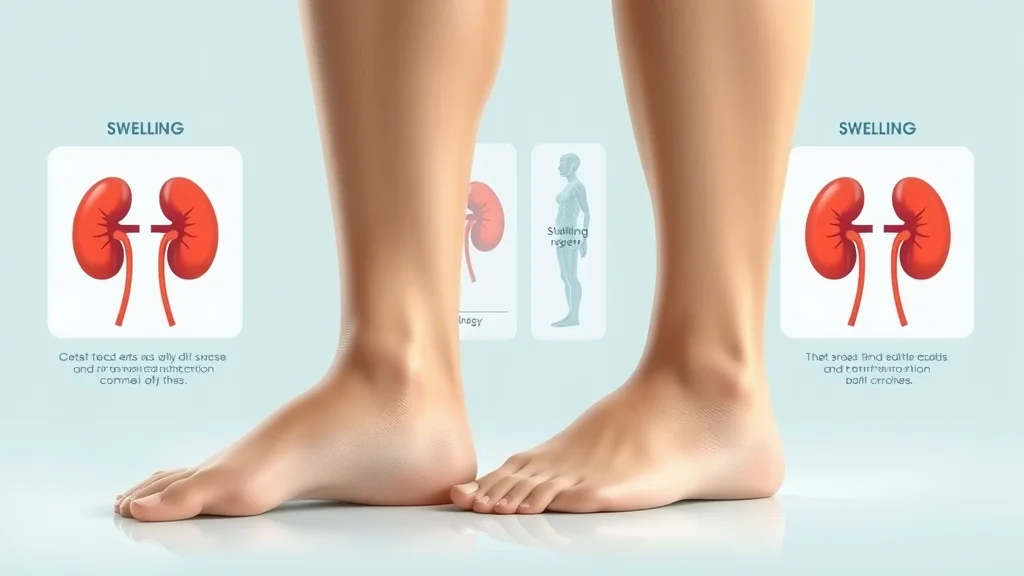
Understanding Swollen Ankles: Symptoms and Causes Related to Kidney Disease
Swollen ankles—known medically as edema—can occur when the kidneys are not effectively removing excess fluid from your body. In individuals with chronic kidney disease or renal disease, this fluid retention gradually pools in the lower limbs, making the skin around the ankles appear puffy or stretched. Sometimes, swelling is accompanied by discomfort, tightness, or a heavy sensation. High blood pressure is another frequent culprit, closely tied to impaired kidney function. Elevated pressure within the blood vessels can force fluid out into surrounding tissues, which exacerbates swelling.
Another key factor to consider is nephrotic syndrome, a condition where excessive protein is lost in the urine due to kidney filter damage. This protein loss reduces the blood's ability to retain fluid, leading to pronounced and often sudden swelling of the ankles, feet, and even around the eyes. Chronic kidney disease, especially in its early stages, may not cause pain but silently impairs your body’s ability to maintain fluid balance and filter out waste products. It’s crucial to monitor persistent ankle swelling, as it’s an early indication that warrants further investigation by your healthcare provider.
While understanding the causes of swollen ankles is essential, it's equally important to recognize how environmental and lifestyle factors can influence kidney health. For example, community health initiatives that address environmental risks may play a role in reducing the burden of chronic diseases. Learn how public health campaigns, such as the EPA’s efforts to reduce problem waste, are helping to protect vulnerable populations and support healthier communities.
How Swollen Ankles Develop in Kidney Disease and Chronic Kidney Disease
- Fluid retention and kidney failure
- Blood pressure imbalances and high blood pressure
- Nephrotic syndrome and chronic kidney
Swollen ankles often result from a breakdown in how the kidneys filter blood and manage body fluids. In chronic kidney disease or outright kidney failure, the kidneys lose their efficiency in eliminating waste and excess fluid. This extra fluid accumulates in tissues, notably the legs and ankles, triggering a visible swelling. Blood pressure imbalances—particularly high blood pressure—add further stress to the kidney’s filtering mechanisms, increasing the risk and intensity of swelling. Over time, poorly controlled blood pressure can cause blood vessels to stiffen and narrow, reducing their ability to handle volume shifts, leading directly to more pronounced edema.
In nephrotic syndrome, the damage to the kidneys' filters not only allows vital proteins to escape into the urine but also disrupts the delicate equilibrium needed to maintain vascular fluid. This leads to rapid shifts of fluid out of blood vessels and into the tissues, especially in gravity-dependent areas such as the ankles and feet. Understanding these mechanisms is critical, as managing both underlying kidney damage and associated high blood pressure can dramatically improve outcomes and reduce the risk of more severe complications.
This short expert-led video visually compares healthy ankles with those swollen due to kidney disease, showing subtle differences in texture, coloration, and puffiness. Watch to better understand when simple swelling may signal a deeper medical issue requiring prompt attention.
How Do Kidneys Work? The Path From Healthy Kidneys to Chronic Kidney Disease
- Filtration of waste and blood pressure regulation
- When filtration fails – leading to swelling of ankles
Healthy kidneys filter waste products and excess fluid from the blood, which are then excreted as urine. They also regulate crucial minerals and maintain blood pressure balance. When kidneys are healthy, they ensure harmful substances and extra fluid don’t build up in your tissues—like your ankles. However, gradual kidney function decline (as seen in chronic kidney disease) allows waste and fluids to accumulate. This malfunction can cause your blood pressure to increase even further, setting up a cycle where both high blood pressure and kidney function worsen over time.
Eventually, as kidney filtration capacity drops below critical thresholds, even routine body functions start to fail. This can manifest first as minor swelling in your feet or ankles, quickly progressing to larger areas if untreated. Not only does this put stress on your circulatory system, but the build-up of waste products can lead to fatigue, changes in urination, and other systemic problems. Recognizing how and why kidneys fail to remove waste and extra fluid is essential to preventing chronic kidney disease from advancing silently.
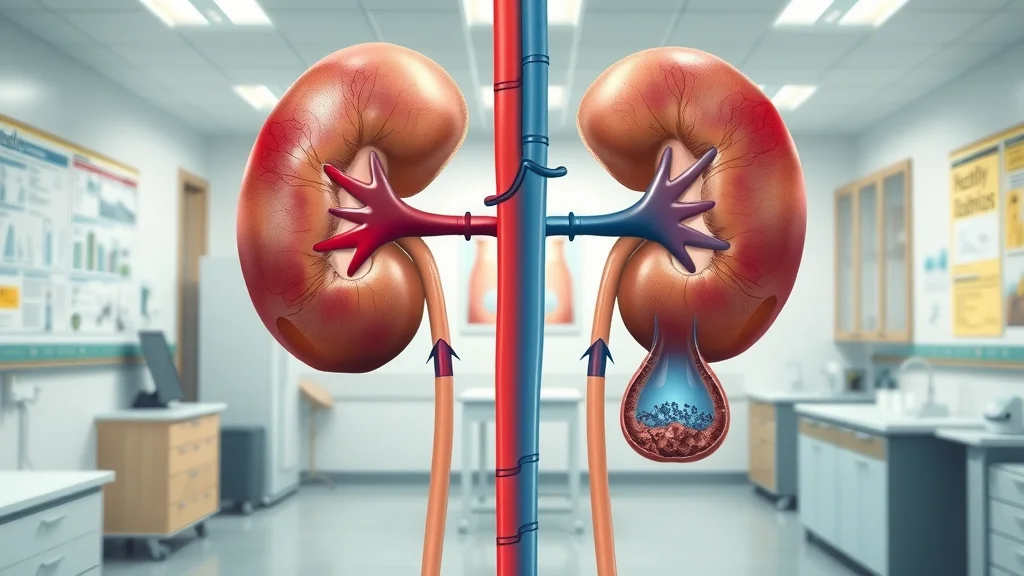
Swollen Ankles as a Warning Sign: Kidney Disease Risk and Prevention
- Early stage kidney disease symptoms
- Common misinterpretations and when to seek care
- Preventing kidney failure with timely intervention
Swollen ankles can be a useful warning sign of early stage chronic kidney disease, but they’re often mistaken for minor circulatory problems or dietary sodium overload. It’s easy to misinterpret ankle swelling or delay seeking care, especially if the swelling subsides overnight or with short rest periods. However, when swelling persists, recurs, or is accompanied by other symptoms—like increased blood pressure, frothy urine (suggesting protein loss), or puffiness around the eyes—it’s time for a deeper medical review. Early intervention, including simple blood and urine tests, can catch kidney function issues before they advance.
Timely recognition and management of early signs can halt or slow the progression of kidney failure, protecting organs from irreversible damage. Measures like managing your sodium intake, controlling high blood pressure, and following prescribed medications significantly reduce long-term risk. Don’t ignore persistent or unexplained swelling—your ankles may be signaling the need for essential health checks.
Is Swelling Always a Sign of Kidney Disease or Chronic Kidney Disease?
- Differentiating from heart, liver, and vascular causes
- Other signs suggestive of nephrotic syndrome
- High blood pressure as overlapping symptom
While chronic kidney or nephrotic syndrome is a leading cause of persistent lower limb swelling, not all cases point to kidney disease. Heart failure, liver disease, and vascular insufficiency can also trigger visible edema, often with overlapping symptoms like changes in urine, fatigue, or high blood pressure. Heart disease typically causes swelling associated with shortness of breath or chest discomfort, while liver dysfunction often presents with jaundice and abdominal enlargement.
Nephrotic syndrome is distinguished by prominent swelling around the eyes, ankles, and sometimes the abdomen, with large amounts of protein in the urine as a telltale marker. High blood pressure can occur in all of these conditions, adding diagnostic complexity. A careful evaluation that includes a thorough physical exam, blood pressure monitoring, and diagnostic testing (such as blood and urine tests) is necessary to clarify the cause and guide effective treatment. Importantly, chronic swelling that persists or is accompanied by changes in urination, increasing fatigue, or puffiness around the eyes should always be evaluated for underlying kidney issues.

List: Other Symptoms to Watch For With Swollen Ankles and Kidney Disease
- Fatigue and changes in urination
- Muscle cramps and loss of appetite
- Puffiness around eyes, high blood pressure
In addition to swollen ankles, chronic kidney disease often produces subtle early signs that are easy to overlook. Pay attention to persistent fatigue, unexpected muscle cramps (especially at night), and unexplained loss of appetite. Changes in urination—including foamy or dark urine, increased frequency at night, or blood in the urine—signal impaired kidney filtering ability. Noticeable puffiness around the eyes, particularly in the morning, can indicate loss of protein via the kidneys—a hallmark of nephrotic syndrome. High blood pressure, especially if newly diagnosed or difficult to control, may both contribute to and result from underlying kidney dysfunction. Recognizing these co-occurring symptoms alongside edema can prompt earlier specialist care and prevent worsening kidney health.
Table: Causes of Swollen Ankles—Kidney Disease, Nephrotic Syndrome, and More
| Condition | Typical Symptoms | Diagnostic Markers | Treatment Approaches |
|---|---|---|---|
| Kidney Disease | Swollen ankles, fatigue, changes in urination, high blood pressure | Blood and urine tests, eGFR, protein in urine | Blood pressure control, sodium restriction, medication, monitoring |
| Chronic Kidney Disease | Puffiness around eyes, persistent edema, muscle cramps | eGFR, creatinine, urine albumin, stage kidney disease assessment | Diet, medication, lifestyle adjustments, specialist referral |
| Nephrotic Syndrome | Severe swelling, foamy urine, loss of appetite | High protein in urine, low blood protein levels | Medication, salt restriction, treat underlying cause |
| Heart Failure | Swelling in ankles/feet, shortness of breath, fatigue | Echocardiogram, BNP blood test, chest X-ray | Diuretics, manage fluid intake, heart medications |
| Liver Disease | Leg swelling, jaundice, abdominal fluid | Liver enzymes, ultrasound, blood clotting tests | Sodium restriction, diuretics, disease-specific therapy |
| Venous Insufficiency | Swelling after standing, visible varicose veins | Venous Doppler ultrasound, physical exam | Compression stockings, leg elevation, vein treatment |

Hear how noticing persistent ankle swelling led to an early kidney disease diagnosis and how timely lifestyle interventions halted further progression for this patient.
The Role of Blood Pressure in Swollen Ankles and Kidney Disease
- Connection between high blood pressure and chronic kidney
- Self-monitoring and management tips
High blood pressure acts as both a cause and a complication of chronic kidney disease. It damages small blood vessels inside the kidneys, making it progressively harder for them to filter waste products efficiently. Over time, this continual stress leads to more pronounced symptoms—especially swelling in the lower legs and ankles. Self-monitoring your blood pressure at home, reducing dietary sodium and processed foods, and staying physically active are proven steps to reduce risk. Medication may also be prescribed to help control pressure and protect remaining kidney function.
Regular doctor visits, medication adherence, and maintaining a healthy kidney lifestyle are essential. Early stage detection, using simple home blood pressure monitors and periodic urine tests, makes a significant difference in preventing the escalation of renal disease and its consequences.
“Elevated blood pressure is both a cause and complication of chronic kidney disease.” – Dr. Alicia Ford, Nephrologist
What Stage of Kidney Disease Do Your Feet Swell?
Swelling Typically Begins in Early Stage Chronic Kidney Disease

Ankle and foot swelling usually starts in the early stage of chronic kidney disease, often before other symptoms are noticed. In these initial stages, the kidneys begin having difficulty moving excess salt and water out of the body, leading to gradual but persistent fluid buildup in gravity-dependent areas—your ankles and feet. The swelling may be mild at first and more pronounced at the end of the day, improving overnight. Often, other subtle symptoms are present: increased urination, protein or foam in the urine, or rising blood pressure. If you observe swelling that does not resolve with rest or elevation, it is critical to talk to your healthcare provider for a proper evaluation, as early management can help prevent more severe kidney failure down the line.
How Do You Treat Swollen Ankles From Kidney Disease?
Strategies for Swollen Ankles and Kidney Disease Relief
Treating swollen ankles associated with kidney disease requires a comprehensive approach that addresses the underlying kidney dysfunction, manages blood pressure, and reduces fluid overload. First, controlling high blood pressure through prescribed medications, reduced sodium intake, and heart-healthy eating habits is pivotal in slowing disease progression and minimizing symptoms. Diuretic medications may be used under medical supervision to help your body remove extra fluid, but these must be balanced carefully to avoid creating new imbalances.
Non-drug measures, such as elevating the legs, wearing compression socks, and increasing physical activity (as appropriate), can provide day-to-day relief from swelling. Limiting processed foods, tracking daily fluid intake as recommended, and regular check-ins with your nephrologist ensure you’re responding well to your treatment plan. If you notice sudden increases in swelling, shortness of breath, or other new symptoms, seek immediate medical attention, as this could indicate worsening kidney function or other complications like heart disease.
What is the Life Expectancy of a Person With Stage 3 Kidney Disease?
Chronic Kidney Disease Prognosis and Swollen Ankles

The life expectancy for someone diagnosed with stage 3 kidney disease varies based on age, response to treatment, lifestyle, and how well underlying conditions—especially high blood pressure—are managed. Early intervention and consistent care can greatly extend quality and length of life, even in those with visible symptoms like swollen ankles. Regular monitoring of kidney function, blood and urine tests to check for protein loss, and attentive blood pressure management are crucial. When the underlying cause is effectively addressed—through diet, medications, and lifestyle changes—many people live long, productive lives without progressing to more serious kidney failure or needing a kidney transplant.
However, it’s vital to work closely with your healthcare team to optimize treatment, as the risk of complications is higher at this stage. Taking charge of swelling, blood pressure, and other symptoms allows for greater independence and increased life expectancy for people with chronic kidney disease.
Can Kidney Disease Be Reversed With Diet and Exercise?
Lifestyle Management for Swollen Ankles and Kidney Disease
While chronic kidney disease typically cannot be fully reversed, its progression can be slowed—and symptoms like swollen ankles can be improved—with targeted lifestyle interventions. Reducing sodium intake, increasing consumption of fresh fruits and vegetables (within any kidney-specific restrictions), and maintaining a healthy weight are proven strategies. Regular physical activity, such as walking or low-impact exercise, enhances circulation, reduces blood pressure, and supports overall kidney and heart function. Smoking cessation and limiting alcohol intake also play a critical role in protecting healthy kidneys for as long as possible.
Collaborate with your doctor or a renal dietitian to ensure dietary changes and exercise routines are tailored to your stage of kidney disease and any co-existing conditions. Ongoing self-monitoring, paired with symptom tracking (including swollen ankles), empowers you to catch issues early and make timely adjustments—giving you the best chance for a long, healthy life despite chronic kidney disease.
FAQs: Swollen Ankles and Kidney Disease
-
Can swollen ankles be the only sign of kidney disease?
Yes, in the early stage of chronic kidney disease, persistent swollen ankles might be the only noticeable symptom. However, as the disease advances, additional signs—like fatigue, changes in urination, or high blood pressure—often emerge. If ankle swelling remains unexplained and does not resolve, consult your doctor for further evaluation. -
How is swelling diagnosed in chronic kidney disease?
Diagnosis includes a detailed physical exam, medical history, and simple blood and urine tests. Testing looks for protein in the urine, measures kidney function (eGFR), and monitors blood pressure levels, all of which help distinguish kidney-related swelling from other causes. -
Is nephrotic syndrome the same as kidney failure?
No, nephrotic syndrome refers to a kidney condition that causes significant protein loss in the urine, leading to swelling. While it can eventually lead to chronic kidney disease and possible kidney failure if untreated, the terms describe different stages and mechanisms of kidney damage. -
What lifestyle changes help manage swelling in chronic kidney conditions?
Reducing dietary sodium, elevating your legs, staying active, and controlling blood pressure through medication or diet are the cornerstone lifestyle changes to manage swelling. Always consult with your healthcare provider before making significant changes, especially if kidney function is already impaired.
Key Takeaways: Swollen Ankles and Kidney Disease
- Early recognition of swollen ankles can prompt essential testing for kidney disease
- Managing blood pressure and sodium intake is vital in chronic kidney disease
- Not all swelling is kidney-related, but persistent ankle swelling warrants medical review
Your Next Steps on the Path to Kidney Health
Small daily choices shape long-term health. Get the 5 Daily Rituals for Longevity to start today.
If you’re interested in the bigger picture of how environmental health and personal wellness intersect, consider exploring how national initiatives are making a difference. The EPA’s campaign to reduce problem waste is a powerful example of how collective action can protect community health and reduce risks that contribute to chronic conditions like kidney disease. By staying informed and supporting these efforts, you can play a role in fostering healthier environments for yourself and those around you. Discover more about the impact of environmental stewardship and how it connects to your own health journey by visiting the EPA’s campaign to reduce problem waste and protect communities.


Write A Comment