

The Power of Plant Protein: A Simple Swap for Healthy Aging
Have you ever thought about how your protein choices might be impacting your health as you age? Research has found that making a small change—swapping just 1% of your animal protein intake for plant protein—could lead to significant health benefits as we grow older. In a study of over 400,000 individuals, participants who replaced merely 3% of their calories from animal protein with plant protein saw a remarkable 10% reduction in overall mortality risk. Imagine, that simple change could add nearly a year to your life!
The Surprising Culprit: Egg Protein
Many would assume that red meat poses the greatest threat to health, but findings reveal that egg protein, particularly from egg whites, carries a surprisingly higher mortality risk. When participants swapped 3% of their calories from egg protein for plant-based options, the result was over a 20% reduction in mortality rates—outperforming even the impact of replacing red meat. This begs the question: What is it about animal protein that might be compromising our health?
Not Just About Longevity—Quality Matters Too
Healthy aging goes beyond merely extending life; it's about enhancing the quality of those years. Researchers define this as "the process of developing and maintaining the functional ability that enables well-being in older age." A higher intake of vegetable protein has been linked to a lower accumulation of health deficits, emphasizing that functional vitality hinges on what we choose to put on our plates.
Understanding the Protein Paradox
You might be wondering if it’s solely the saturated fats in animal products that lead to this difference in outcomes. Surprisingly, while fat does play a role, the evidence indicates that there’s also something inherently beneficial about plant proteins, which might stem from their composition of vitamins, minerals, and antioxidants. A recent dermatological review highlighted the advantages of a whole food, plant-based diet, suggesting it not only combats chronic diseases but may also promote younger-looking skin by lengthening telomeres and maximizing our cells’ antioxidant potential.
The Adventist Advantage: Lessons from Loma Linda
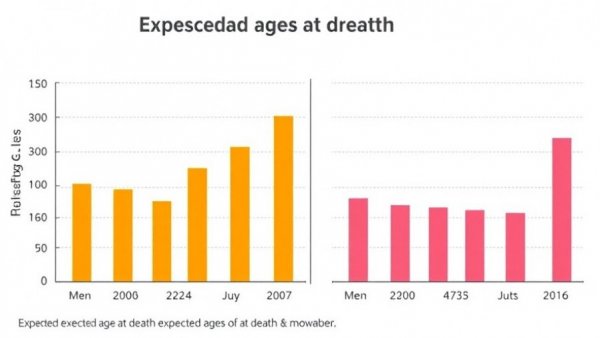
When it comes to longevity, one population stands out: the Adventist vegetarians of Loma Linda, California. These individuals experience significantly longer life expectancies—averaging around 83 for men and 86 for women. Their lifestyle choices, including a vegetarian diet rich in nuts, regular exercise, maintaining a healthy weight, and abstaining from smoking, collectively contribute to living 9-11 years longer than individuals who do not follow such habits.
Addressing Common Misconceptions
It’s crucial to dispel myths surrounding plant-based diets. A vegan diet does not automatically equal a healthy diet; it's entirely possible to consume processed foods high in sugar and low in nutrients while identifying as vegan. True healthy eating involves a commitment to incorporating wholesome, nutrient-dense foods into one’s daily regimen, ensuring the body benefits from the best of what plants have to offer.
Taking Action: Simple Steps to Healthier Eating
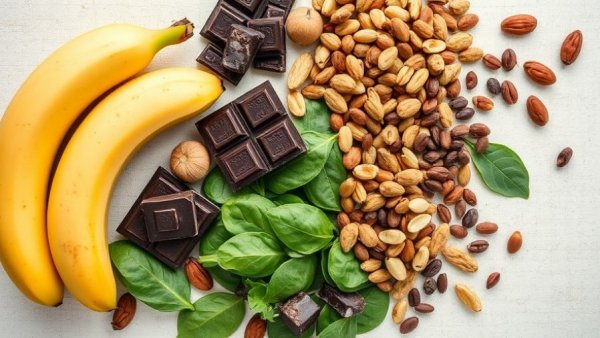
So, how can you start integrating more plant protein into your diet? It may be simpler than you think. Begin by gradually replacing animal proteins in some meals with beans, lentils, tofu, or nuts. For instance, consider a plant-based stir-fry or a hearty bean salad. Not only does this approach boost nutritional value, but it also nourishes your well-being, aiding in disease prevention and promoting a more vibrant, healthy life.
These steps can also lead to vital emotional and mental health benefits as well. The act of nurturing one’s body with wholesome foods can foster a greater sense of physical wellness and connection to the food we consume, leading to improved mental clarity and emotional stability.
Embracing Change for a Vibrant Future
In summary, shifting a mere percentage of our protein sources from animals to plants can pave the way for a healthier, longer life. With the alarming rise in age-related diseases such as Alzheimer’s, making small dietary adjustments today could yield monumental health rewards tomorrow. As we navigate this journey of aging, it’s worth remembering: every healthy choice contributes to a life well-lived.
For more insights into achieving your healthiest self, join the community of individuals committed to making informed dietary choices. Download our guide on plant-based eating today!





Write A Comment