


In the relentless rush of today’s business world, where meetings bleed into emails and energy is at a premium, one fundamental question looms: What are truly the healthiest foods Australia can offer busy professionals in pursuit of natural, lasting vitality? Far too often, marketing, packaging, and even habit lead us down the “convenience equals health” path—a myth that drains more than just wallet and waistline
Simon Smith’s Core Insight: Real Energy Comes from Whole, Fresh Foods—not Convenience
According to Simon Smith, the most persistent misconception about the healthiest foods for Australians is conflating convenience with well-being. As modern professionals, it’s tempting to choose quick, shelf-stable options, assuming they’ll deliver the vigour our schedules demand. Yet, Simon fundamentally challenges this assumption, sharing that authentic and sustainable energy is generated when we nourish the body with whole, fresh foods—uncompromised by preservatives, numbers, or artificial additives.
He points out, “Convenience is one of those things people think of as easy, but real energy comes from fresh, whole foods without additives that your body truly needs to function well and put more life into your day.” This core belief is more than just cultural nostalgia for plant-based traditions; it’s grounded in an understanding of bioavailability—the principle that the body thrives on food that is close to its natural form, loaded with the tools to support biological repair, cognition, and sustained energy.

Convenience is one of those things people think of as easy, but real energy comes from fresh, whole foods without additives that your body truly needs to function well and put more life into your day.
– Simon Smith, Everwell Media
Debunking the Convenience Myth: Why Processed Foods Drain Your Energy
Simon Smith emphasizes that the promise of convenience foods—neatly packaged, shelf-stable, ready in minutes—doesn’t equate to healthful nourishment. Instead, many processed items are engineered with emulsifiers, preservatives, and a catalogue of additives designed for long-term storage, not optimal bioavailability.
When considering the broader impact of our food choices, it's worth noting that the shift toward whole, fresh foods not only benefits personal energy but also aligns with community health initiatives. For example, efforts like the EPA campaign to reduce problem waste highlight how mindful consumption and reduced reliance on processed packaging can support both individual wellbeing and environmental sustainability.
“When you rely on convenience foods, you’re often consuming ingredients with preservatives and emulsifiers that weigh your body down, making it harder to stay energized throughout your busy day.” In Simon’s experience, these ingredients present challenges: The body recognizes what’s natural and seeks to use proper nutrients for fuel. When flooded with complex additives, the body diverts energy to storage or elimination—often resulting in the “afternoon slump” or persistent fog that professionals know all too well.
Simon’s insight is affirmed by global research showing a correlation between ultra-processed food consumption and lower daily energy levels. Ultimately, he warns that the pursuit of quick fixes can cause professionals to overlook the natural, replenishing power hidden in Australia’s own fresh produce and plant-based traditions.
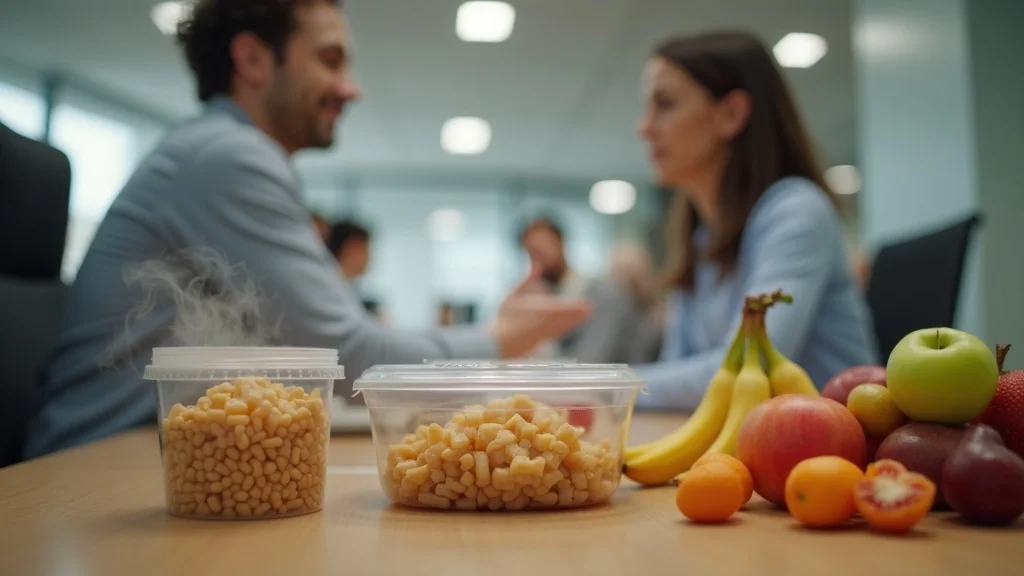
When you rely on convenience foods, you're often consuming ingredients with preservatives and emulsifiers that weigh your body down, making it harder to stay energized throughout your busy day.
– Simon Smith, Everwell Media
Balancing Convenience and Quality: Navigating Healthiest Foods Australia at the Supermarket
Yet, Simon notes, “There are whole foods available even in supermarkets that don’t have all the junk—knowing how to read labels empowers Australian professionals to find convenient yet nourishing options.” This nuanced exploration bridges the gap between ideal and realistic: while fresh market produce is best, many supermarkets now stock whole or minimally processed foods free from the long list of numbers and artificial agents.
According to Simon, the secret is awareness, not restriction. Professionals should make it a practice to scrutinize packaging: seeking out plant-based snacks, nuts, grains, and refrigerated options that eschew unnecessary preservatives. This label literacy allows consumers to sidestep the most energy-depleting additives, giving the body clean, accessible fuel during even the most demanding days.
There are whole foods available even in supermarkets that don’t have all the junk—knowing how to read labels empowers Australian professionals to find convenient yet nourishing options.
– Simon Smith, Everwell Media

Prioritize fresh, minimally processed plant-based foods rooted in traditional Australian diet insights.
Develop curiosity for understanding the bioavailability of nutrients over mere consumption.
Recognize how modern life disrupts biological signals and impacts feeling well despite “knowing” nutritional facts.
Adopt mindful label reading practices to avoid additives and preservatives that inhibit natural energy.
Incorporate lifestyle factors like quality food, light exposure, and movement to optimize health naturally.
Why Modern Health Conversations Miss Curiosity and How That Impacts Your Energy
Simon Smith believes the real issue isn’t just what we eat—but how modern Australian professionals think about food. The temptation in today’s wellness culture is to distill eating into simple rules or salads and shakes. Yet Simon identifies a core ingredient often missing: curiosity.
In his view, the healthiest foods Australia has to offer remain underutilized because the emphasis is on “knowing” (nutrition facts, calories, macros) rather than “feeling well” through mindful exploration. The habits of rushed supermarket runs and digital health hacks have dulled our innate signals—hunger, satisfaction, lightness, and energy—disconnecting us from how food makes us feel.

From Knowing to Feeling Well: Closing the Gap with Informed Exploration
Simon champions the idea that feeling truly energised goes far beyond calorie counting. His approach invites busy professionals not to follow a dogmatic health regime, but instead to explore their own responses to the foods they choose. “By exploring rather than instructing, we open a space for busy professionals to reconnect with what their body really needs—fresh, wholesome foods that naturally fuel their day.”
Awareness, he suggests, is a continuous journey: professionals are invited to experiment, pay attention to their bodies’ reactions to whole versus processed foods, and adjust accordingly. This process of self-discovery returns agency from the supermarket shelf to the internal cues we too often ignore—and, crucially, to the freshest and healthiest foods Australia provides.
The Role of Awareness in Making Healthier Food Choices
Simon’s emphasis on awareness means building everyday habits that bridge the gap between head knowledge and vibrant health. This includes practical steps: regularly reading food labels, choosing produce and packaged foods with minimal ingredient lists, and considering how foods make one actually feel during the day.
He notes that curiosity is the missing catalyst; when professionals are actively engaged in exploring their own health and energy—supported by a basic toolkit of food literacy—they become less susceptible to fads and more attuned to what sustains their busy lifestyles. The difference between surviving on convenience and thriving on whole foods is, Simon insists, often a matter of personal discovery, not just nutritional theory.
Food Type |
Processing Level |
Energy Impact |
Label Tips |
|---|---|---|---|
Whole fresh foods |
Minimal |
High natural energy |
Look for no additives or preservatives |
Convenience processed foods |
High |
Energy draining |
Avoid emulsifiers, artificial colors |
Supermarket whole foods |
Low to moderate |
Moderate energy |
Read ingredient lists carefully |

Final Takeaway: Empower Your Day with Healthiest Foods Australia and Informed Choices
As workplace performance expectations climb and wellbeing becomes a prized business asset, Australian professionals must cultivate more than just time-saving habits. Simon Smith’s key message is clear: The healthiest foods Australia has to offer build natural, lasting energy when paired with curiosity and awareness—never just convenience alone. Simple but profound shifts in perspective, like reading labels and prioritising whole, traditional foods, reconnect individuals with their own biological signals and offer a true return on vitality.
Here’s how to put these transformative insights into practice:
Embrace whole, fresh foods as your primary energy source.
Use curiosity to explore label details to balance convenience without compromising health.
Integrate lifestyle factors like movement and light exposure for holistic wellbeing.
Challenge common misconceptions linking convenience directly to health.
Take a cooking class and learn how to cook your favourite dish.
Simon Smith’s Closing Thoughts on Natural Energy and Healthiest Foods Australia
By exploring rather than instructing, we open a space for busy professionals to reconnect with what their body really needs—fresh, wholesome foods that naturally fuel their day.
– Simon Smith, Everwell Media
Ready to experience brighter energy and sharper focus? Start by making one fresh, whole food swap in your next supermarket trip—read the label, notice how you feel, and let curiosity guide you to your healthiest self
If you’re inspired to take your wellbeing journey even further, consider how your food choices can ripple out to benefit your community and environment. Exploring initiatives such as the EPA’s campaign to reduce problem waste reveals how mindful eating habits and reduced packaging waste can create a healthier, more sustainable future for all Australians. By connecting personal health with broader community action, you’ll discover new ways to energise your lifestyle and contribute to lasting positive change.


Write A Comment