 Add Row
  Add
Add 


Think all olive oils are the same? Think again. When it comes to extra virgin vs virgin olive oil, does your choice really matter for your health and your family’s meals? In this comprehensive guide, we’ll answer the crucial questions about purity, nutrition, flavor, and real-world uses, with a special spotlight on why Pure Italian Extra Virgin Olive Oil remains the gold standard in kitchens worldwide.
Unlocking the Truth: Is Your Olive Oil Choice Really That Important?
Choosing the right olive oil can dramatically impact the taste of your dishes—and, more importantly, your overall health. Many overlook the key differences between extra virgin olive oil and virgin olive oil, dismissing them as minor labels on a bottle. In reality, these terms signal distinct production processes, acidity levels, antioxidant content, and applications in your cooking routine. It’s not just marketing hype; understanding the extra virgin vs virgin olive oil debate is essential for anyone who wants to make the healthiest, most flavorful choice.
This article breaks down expert-backed insights into nutritional value, health benefits, and the best uses for each type of olive oil. Armed with this knowledge, you’ll know whether to reach for the robust notes of an authentic Italian extra virgin olive oil or opt for the gentler profile of virgin olive oil, ensuring every drizzle counts for your wellbeing.
What You'll Learn About Extra Virgin vs Virgin Olive Oil
- Key differences between extra virgin olive oil and virgin olive oil
- Nutritional and health impacts of each olive oil type
- Best uses for extra virgin and virgin olive oil in cooking
- Expert advice on choosing healthy olive oils
Understanding Olive Oil: The Foundations
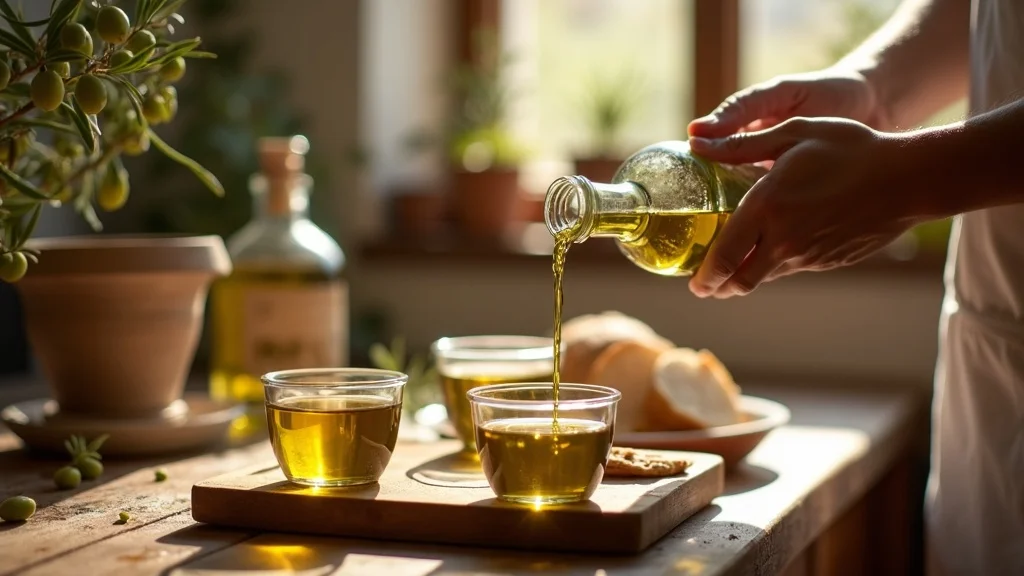
At the core of every bottle lies a process steeped in tradition and science. But what truly defines extra virgin olive oil versus virgin olive oil? The journey from olive grove to bottle starts with careful selection and timing—olives are crushed and pressed, their “olive juice” extracted with varying levels of refinement or intervention. These methods generate oils of differing quality and health potential. Importantly, not all olive oil is extra; quality standards, acid level, and processing steps determine whether an oil meets the coveted “extra virgin” threshold.
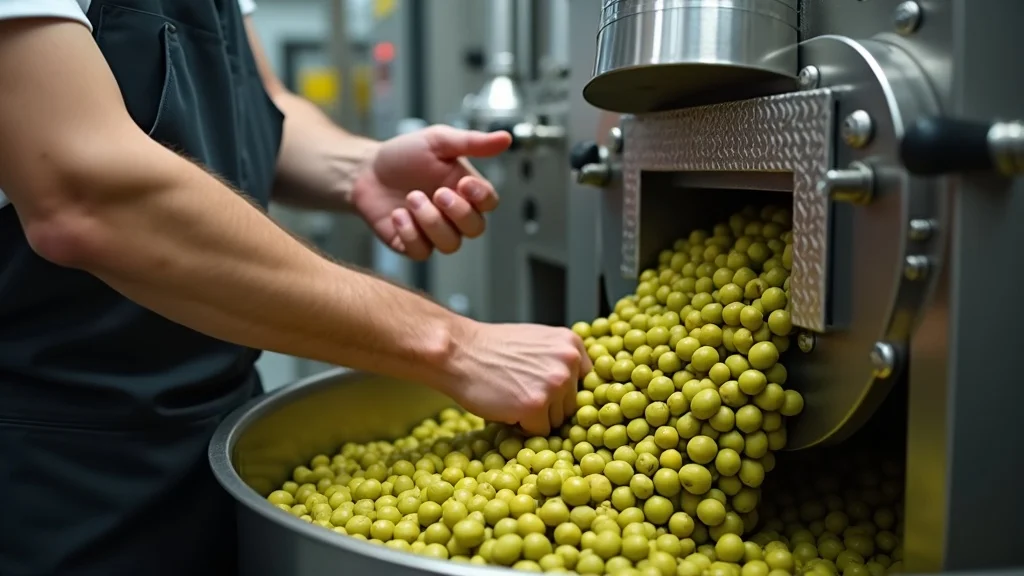
While both extra virgin and virgin olive oils are natural and unrefined, extra virgin olive oil (EVOO) is created via cold press extraction using only mechanical means; this preserves delicate flavors and vital nutrients. Cold pressing ensures there’s no exposure to excessive heat or chemical refining, which can degrade beneficial fatty acids and antioxidants. Virgin olive oil is similarly unrefined but may have slightly higher acidity and less robust flavor, still outshining lower quality, heavily processed refined olive oils.
For those interested in how food choices impact not just personal health but also broader community well-being, it's worth exploring initiatives that address environmental and public health together. The EPA's campaign to reduce problem waste highlights the connection between sustainable practices and healthier communities, offering a wider perspective on the impact of our daily decisions.
How Is Olive Oil Made? (Pressing, Extraction, and Grades)
- Definition of extra virgin olive oil and virgin olive oil
- Explanation of olive oil extraction methods
- Quality standards for extra virgin olive oil and virgin olive oil
"Pure Italian Extra Virgin Olive Oil is unparalleled in phenol content and flavor purity."
Extra Virgin vs Virgin Olive Oil: Key Differences
What Sets Extra Virgin Olive Oil Apart?
- Production process: cold-pressed vs. refined methods
- Acidity level and chemical makeup: extra virgin vs virgin olive oil
- Flavor profiles and common usage for each oil
The distinction between extra virgin olive oil and virgin olive oil is rooted in their journey from olive to bottle. EVOO is created using only cold-pressed mechanical extraction—never with heat or chemicals. This process preserves both the delicate flavors and the highest concentrations of polyphenols and antioxidants, keeping the acid level below 0.8%. The resulting oil is prized for its fruity, peppery notes and rich aroma and is the highest quality product you can buy. In contrast, virgin olive oil is still mechanically extracted but may be produced from slightly riper or less perfect olives, resulting in a marginally higher acidity level (up to 2.0%) and a lighter, less complex flavor.
Chemical composition also sets these oils apart. Extra virgin olive oil is prized for lower free fatty acid content, signaling fresher fruit and better handling, which contributes to the oil's stability, flavor, and shelf life. Because EVOO is the least processed, it outperforms other olive oils—even virgin olive oil—in both taste and health impact. If “pure olive oil” is on the label, it’s likely a blend or further refined, so always read carefully to maximize both your culinary outcome and health benefits.
Virgin Olive Oil: Where Does It Stand?
- Nutritional comparison with extra virgin olive oil
- Typical uses and culinary recommendations
- Market misconceptions about virgin olive oil
While virgin olive oil doesn’t match the phenolic power or aroma of extra virgin, it holds its own with an authentic, natural taste and moderate antioxidant levels. Slightly higher free fatty acid and acidity levels mean it’s less sharp but often more flexible for high-heat cooking methods where flavor subtleties might be lost. Many markets mistakenly present “virgin” as a premium product, but in reality, virgin olive oil is a mid-tier grade, superior to refined olive oils but below extra virgin for both health benefits and culinary characteristics.
For those focused on health-driven choices, virgin olive oil is still vastly superior to any refined olive oil product. It maintains most of the olive’s natural essence and is a cost-effective solution for everyday sautéing and baking. However, for dressings, dips, and finishing touches, extra virgin olive oil always ensures better nutritional perks and bolder flavors, embodying the very spirit of Mediterranean eating.
Health Benefits of Extra Virgin vs Virgin Olive Oil
Nutritional Content and Antioxidant Richness
Exploring the nutritional content of extra virgin vs virgin olive oil reveals why one consistently crowns the health charts. Extra virgin olive oil boasts the highest levels of polyphenols, vitamin E, and natural antioxidants, along with a low acidity level (generally below 0.8%). Virgin olive oil, while still nutrient-rich, has slightly reduced antioxidant levels due to subtle differences in olive quality and extraction. Both types are valuable sources of healthy monounsaturated fatty acids, but only EVOO delivers maximum health benefits studied in the renowned Mediterranean Diet—chiefly for its heart-protective and anti-inflammatory properties.
Consider the following nutritional comparison (see table), which underscores the superior antioxidant volume in extra virgin olive oil. Both oil types are rich in oleic acid, yet the phenolic content is significantly higher in EVOO, contributing to its well-documented ability to support healthy circulation and cardiovascular wellness. This makes EVOO not just a kitchen staple but a true wellness investment for those who value authentic, science-backed nutrition.
| Nutrient/Property | Extra Virgin Olive Oil | Virgin Olive Oil |
|---|---|---|
| Polyphenol Content (mg/kg) | >200 | 100–200 |
| Vitamin E (mg/100g) | 10–14 | 8–11 |
| Acidity Level (%) | <0.8 | <2.0 |
| Smoke Point (°F) | 375–410 | 420–430 |
The Role of Polyphenols in Olive Oil’s Health Benefits
- Phenol content in extra virgin olive oil vs virgin olive oil
- Research data on cardiovascular support
- Advice from Italian olive oil experts
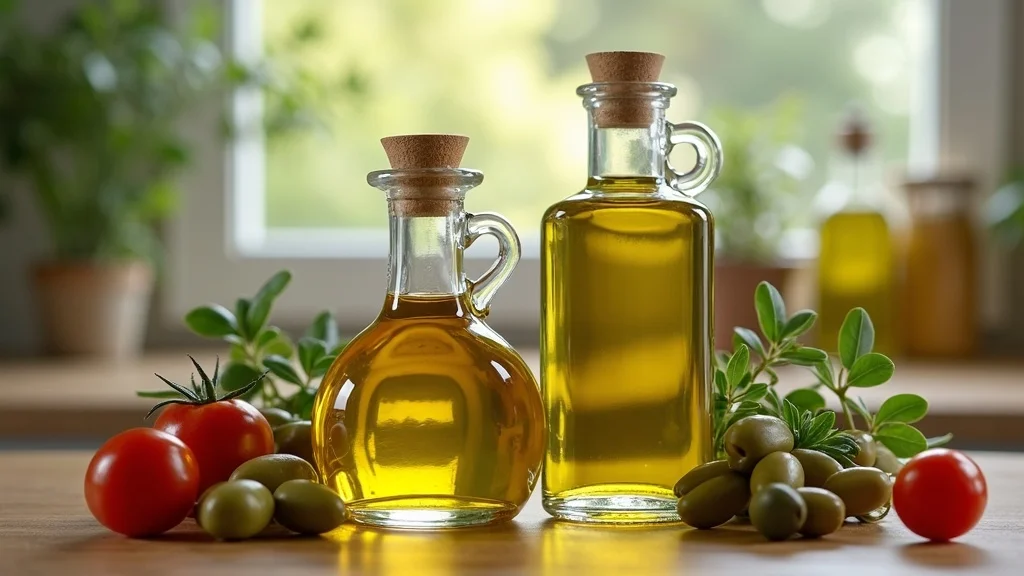
The standout health benefits of olive oil—especially extra virgin olive oil—stem from its abundant polyphenols. These powerful plant compounds have been shown in research to protect blood vessels, reduce inflammation, and support cardiovascular health. EVOO’s “phenolic fingerprint” is possible only through careful processing and immediate bottling, preserving the free fatty acids and minimizing oxidation. Virgin olive oil contains fewer polyphenols due to factors like slightly higher acidity or prolonged harvest timing, but it still offers more health benefits than refined olive oils, which lack these compounds altogether.
Leading Italian experts recommend prioritizing extra virgin olive oil—especially from reputable Italian producers with DOP or IGP certification stamps—to maximize phenol levels and enjoy the full spectrum of aroma and health benefits. According to recent studies, daily intake of high-phenol EVOO is linked to improved circulation, lower LDL cholesterol, and robust antioxidant activity.
"Extra virgin olive oil offers unmatched health benefits thanks to its high phenolic content and low acidity."
Extra Virgin vs Virgin Olive Oil in Cooking
Best Olive Oil for Cooking Methods: Sauté, Fry, Dress, and Bake
- Smoke point comparison of extra virgin olive oil and virgin olive oil
- Taste and texture in popular recipes
- Tips for maximizing health benefits while cooking
Your culinary approach should determine your olive oil choice. Extra virgin olive oil is ideal for salad dressings, finishing vegetables, or drizzling over freshly baked bread—places where its robust flavor and health-boosting polyphenols shine. Contrary to old myths, extra virgin olive oil also performs well for gentle sautéing and baking, with a smoke point (around 375–410°F) sufficient for most stovetop recipes. However, if you’re deep frying or working at higher temperatures, virgin olive oil can offer a slightly higher smoke point, making it a more practical choice to avoid degrading delicate compounds.
Regardless of which you choose, always store your olive oils in a cool, dark place to prolong freshness and preserve nutrients. Avoid overheating and never blend with lower quality refined oils. For those wanting the ultimate blend of taste and wellness, reach for a fresh, single-origin Italian extra virgin olive oil—your food (and your heart) will thank you.

Expert Tips: How to Choose Authentic, Healthy Olive Oil
Reading Labels: How to Identify True Extra Virgin Olive Oil
- Origin and certification: Italian olive oil, DOP and IGP stamps
- Signs of adulteration in extra virgin and virgin olive oil
- Storage and freshness tips for longevity and flavor
A true extra virgin olive oil will always list its harvest date, origin, and preferably carry certification marks like DOP (Denominazione di Origine Protetta) or IGP (Indicazione Geografica Protetta). These stamps guarantee you’re getting an authentic, traceable product that meets rigorous Italian quality standards. Beware of ambiguous terms—if a label simply says “pure olive oil” or “light olive oil,” you’re likely holding a refined and nutritionally inferior blend. So, always read the fine print when shopping.
To spot adulteration, look for unusual flavors, cloudy appearance, or suspiciously low prices. Virgin olive oils are sometimes misrepresented as extra virgin, but only the latter offers that signature fresh, grassy aroma and complex taste. For optimal freshness, store oils away from heat and light, use them within 18 months of bottling, and choose smaller bottles if you use oil infrequently. With these savvy steps, you’ll extend both the health-protective polyphenols and exquisite flavor of your oil.
"For health-conscious consumers, extra virgin olive oil from trusted Italian producers is the gold standard."

People Also Ask: Answers to Top Olive Oil Questions
What did Daryl mean when he said olive oil?
- Context of the statement and its relevance to extra virgin vs virgin olive oil
Daryl’s mention of “olive oil” likely refers to the revered reputation of olive oil—especially extra virgin—in Mediterranean cuisine and culture. If he specified extra virgin olive oil, he probably meant the pure, unrefined product celebrated for its flavor and exceptional health benefits. Often, in pop culture, the phrase “olive oil” is shorthand for quality, natural foods—reinforcing why the extra virgin vs virgin olive oil debate is front and center for conscious eaters and culinary enthusiasts alike.
Which olive oil is best for cooking?
- Comparing extra virgin olive oil, virgin olive oil, and blended olive oils in culinary applications
For finishing, salads, and low-to-medium heat cooking, nothing beats the rich, bold flavor of extra virgin olive oil. For high-heat applications like frying or roasting at temperatures above 410°F, virgin olive oil fares better thanks to its slightly higher smoke point, retaining more subtle flavors. Blended or refined olive oils may have even higher smoke points, but these come at the cost of flavor and health-promoting antioxidants, making them a lower quality option. For most home cooks, keeping both extra virgin and virgin olive oil on hand covers every need while maximizing taste and nutrition.
Is olive oil or extra olive oil healthier?
- Clarity on the definitions and what makes extra virgin olive oil a healthier choice
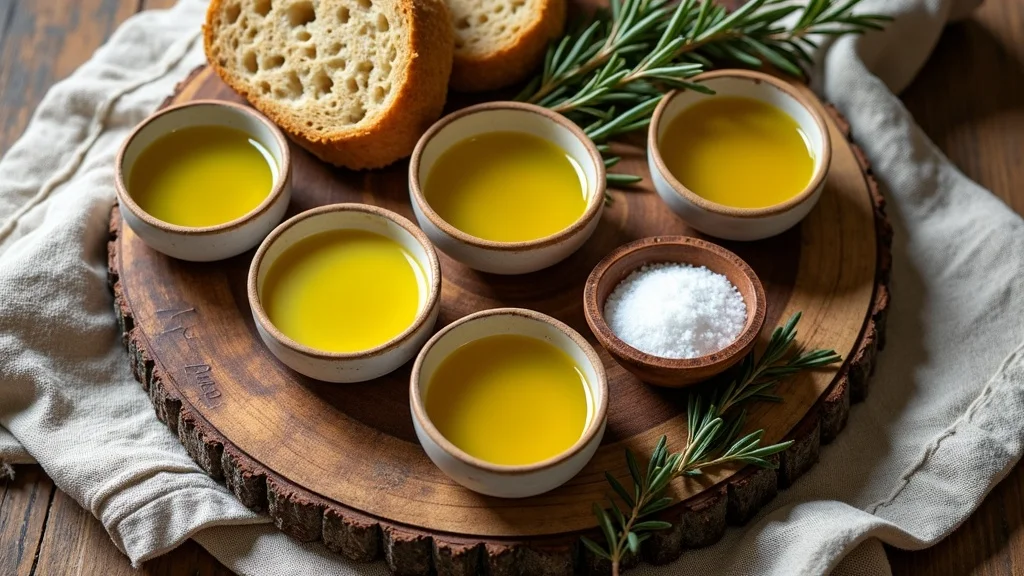
The healthiest option is always extra virgin olive oil. Sometimes referred to as “extra olive oil,” this designation signals the least processed, most antioxidant-rich oil. Extra virgin olive oil contains more polyphenols, a lower acidity level, and zero chemical additives compared to regular olive oil or even virgin olive oil. Choosing EVOO means you’re improving your health, especially heart and circulatory wellness, while enjoying the pure flavor of the Mediterranean.
Is it okay to use extra virgin olive oil instead of olive oil?
- Culinary benefits and limitations of substituting extra virgin olive oil for other oils
Absolutely—substituting extra virgin olive oil for regular olive oil is not only acceptable, it’s frequently recommended for health-conscious cooks. You'll gain extra antioxidants and fuller flavor, though in rare cases, the robust taste may not fit ultra-delicate dishes. For high-heat applications where subtle volatile compounds might burn off, switch to virgin olive oil, but for everything else, extra virgin olive oil is the premium, versatile choice.
FAQs: Extra Virgin vs Virgin Olive Oil
-
What makes olive oil 'extra virgin'?
Extra virgin olive oil is oil extracted from fresh olives by mechanical means, with acidity below 0.8%, and no sensory defects. It’s the highest quality and contains the most antioxidants. -
Can you fry with extra virgin olive oil?
Yes! While EVOO has a moderate smoke point (375–410°F), it is suitable for most home frying, sautéing, and baking tasks. -
Does virgin olive oil have health benefits?
Absolutely. Virgin olive oil retains natural nutrients and antioxidants, though at a slightly lower concentration than extra virgin olive oil. -
What does 'cold-pressed' mean?
Cold-pressed means the oil is extracted without heat or chemicals, preserving delicate aromas, flavors, and beneficial compounds.
Key Takeaways from Extra Virgin vs Virgin Olive Oil
- Extra virgin olive oil contains higher phenol levels and antioxidants than virgin olive oil, delivering superior health impact.
- Virgin olive oil is less acidic, but also contains fewer health-boosting compounds than extra virgin.
- For both flavor and wellness, pure Italian extra virgin olive oil remains the top choice.
Ready to Experience the Benefits? Discover How Pure Italian Extra Virgin Olive Oil Phenols Support Circulation Naturally.
Now that you know the real differences in extra virgin vs virgin olive oil, choose wisely and taste the gold-standard health benefits of authentic Italian extra virgin olive oil in every meal.
If you’re inspired to make more informed choices for your health and the environment, consider how your kitchen habits can ripple out to benefit your community. By selecting high-quality, minimally processed foods like extra virgin olive oil, you’re not only supporting your own wellness but also contributing to a culture of sustainability and public health. For a deeper dive into how collective action and mindful consumption can protect both people and the planet, explore the EPA’s campaign to reduce problem waste and protect communities. Discover how small, conscious steps in your daily routine can lead to lasting, positive change for everyone.


Write A Comment