

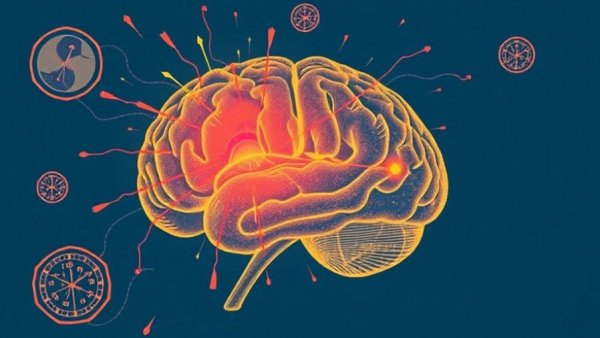
Understanding the Link Between Stress and Memory
We've all experienced days when our brains simply refuse to cooperate, akin to staring at the same email repeatedly without making sense of it. A recent study sheds light on why that happens, especially during stressful moments. It turns out that stress may not stop your brain from acquiring new information but might hinder your ability to connect this new information with what you already know, complicating tasks that require critical thinking and insight.
Memory Integration: The Brain's Learning Tool
At the core of this issue lies memory integration, a critical process that allows us to intertwine various experiences and expand our understanding of the world. This mechanism enables connections, like recalling a coworker's regular Friday morning coffee shop visits when you see their bike parked outside. A study published in Science Advances highlights how stress impacts this vital function.
What the Study Revealed About Stress and Learning
To understand the effects of stress on memory integration, researchers had participants learn related pieces of information over two days. Before the second round, one group underwent a stressful experience, while the other completed a calming task. Following learning, participants demonstrated varied abilities in connecting new and old information.
The brain scans revealed that although stressed individuals could learn new data, they struggled to link it with prior knowledge, ultimately affecting their problem-solving abilities. The hippocampus, integral in both learning and memory, showed diminished activity in replaying relevant memories when under stress. This decrease in the brain's associational capacity made it harder for participants to synthesize information.
Daily Life Impact of Stress on Cognitive Function
The implications of these findings reach into our daily lives. When stress alters our ability to connect ideas, tasks like decision-making, creative thinking, and conceptual learning may become daunting. Imagine preparing for a presentation where logical connections are crucial; stress could inadvertently lead to a mental fog, making you second-guess your expertise.
How to Support Your Brain During Stressful Times
While we can’t erase stress, we can adopt strategies to buffer its effects. One of the cornerstones of cognitive recovery is sleep. Quality sleep not only aids in memory retention but also organizes the brain’s processes, turning chaotic thoughts into structured knowledge. Additionally, physical movement has been shown to enhance brain health, improving memory and stress resilience.
Moreover, sometimes the best remedy for a mental block is to take a step back. Engaging in light activities, such as walking or chatting with a friend, can help recalibrate your focus and mitigate stress, ultimately leading to clearer thinking.
Realizing the Emotional Weight of Stress
Typically we view stress through the lens of emotions—feelings of anxiety, nagging overwhelm, or sheer burnout often take center stage. Yet it’s essential to recognize how stress influences brain function directly and how it can cloud our mental clarity.
Being aware of this connection empowers us to take proactive steps. Are we giving ourselves adequate recovery periods? Are we prioritizing restorative practices like adequate sleep and exercise? Reflecting on these questions can lead to better stress management and ultimately, enhanced mental performance.
Take Action for Better Brain Health
The intersection of stress and cognitive function is a reality many individuals encounter regularly. By recognizing its impact on our minds, we can start implementing healthy habits that promote clarity and efficiency in our thought processes. Start today—prioritize a good night's sleep, incorporate movement into your day, and remember, taking a break could be just what you need to clear the fog. Investing in these habits could pave the way for not just better recovery from stress but a proactive approach to mental well-being.






Write A Comment