

The Science of Bone Density and Diet
Bone density, a vital marker of bone health, is influenced by various factors, including diet, lifestyle, and body size. Osteoporosis, a disease affecting approximately 200 million individuals globally, results in the thinning of bones, increasing the risk of fractures. With such significant implications, understanding the link between our dietary choices and bone density is crucial.
Plant-Based Diets and Bone Health
Interestingly, a growing body of research suggests that plant-based diets could positively influence bone health. One compelling finding is that increased consumption of plant foods correlates with enhanced bone mineral density (BMD). These foods are rich in nutritional benefits, offering essential micronutrients and phytochemicals crucial for maintaining strong bones. Experts recommend that healthcare providers encourage the addition of more plant-based foods into diets to potentially stave off osteoporosis, regardless of someone's current diet.
Examination of Past Studies
The relationship between vegetarianism and bone health isn't a new topic. A landmark study from nearly 50 years ago indicated that vegetarians boasted denser bones than omnivores. However, this study's methodology was flawed. Earlier bone imaging techniques led to incorrect interpretations of bone density, presenting a misleading picture of bone health among vegetarians. As a result, it was concluded erroneously that vegetarians had superior bone health when, in fact, the data was misrepresented due to the imaging technology available at the time.
The Contemporary View on Bone Mineral Density
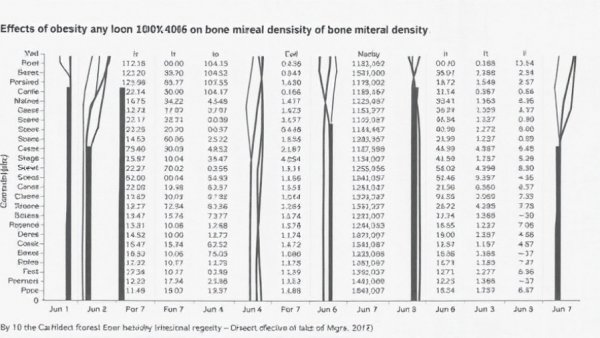
As science progressed, more robust studies emerged. Recent analyses have synthesized data from numerous investigations, revealing a more nuanced picture regarding bone density among vegetarian and vegan populations. While it is suggested that these diets may associate with lower BMD, the significance of this finding appears negligible. Importantly, the lower BMD may stem from lower body weight prevalent among vegetarians, who often have reduced rates of obesity—an essential factor contributing to stronger bones due to the natural weight-bearing workout provided by excess body weight.
Understanding Body Weight’s Role
Moreover, individuals carrying more weight experience greater bone density, given the constant gravitational stress applied to their bones, akin to weightlifting continuously. It's a simple yet effective principle: increased weight leads to stronger bones. Thus, the generalized BMD readings among vegetarians and vegans might not tell the full story, as they often live healthier, lighter lifestyles that are demonstrably linked to lower body weights.
What's the Takeaway?
So, does following a vegetarian or vegan diet increase the risk of osteoporosis? Current evidence suggests that vegetarianism is not a major risk factor for osteoporotic fractures. While there may be distinctions in bone density measurements between different dietary patterns, the clinical implications seem minimal. Instead, attention should be directed toward ensuring that individuals on plant-based diets appropriately plan their meals to include adequate nutrients vital for bone health. This means incorporating a range of vitamins and minerals known to support BMD effectively.
Actionable Insights for Bone Health
To sustain and boost bone health, consider incorporating a variety of whole food sources rich in calcium and vitamin D, such as leafy greens, fortified plant milks, and nuts into daily meals. Moreover, regular physical activity, particularly weight-bearing exercises, can significantly enhance bone health, regardless of diet. Simple changes taken collectively, like walking more or participating in community sports, can lead to strong bones.
Final Thoughts
In conclusion, while dietary patterns can influence bone mineral density, multiple factors interplay in determining overall bone health. Adopting a balanced approach that not only emphasizes whole plant foods but also prioritizes physical activity can lead to healthier bones and a lower risk of osteoporosis down the road. A healthy diet, paired with an active lifestyle, can pave the way for lasting bone health.





Write A Comment