Add Row
Add Element
Everwell Media Logo
update

Everwell Media Logo
update
Add Element
  • Home
  • Categories
    • Lifestyle and Culture
    • Business and Innovation
    • Health and Wellness
    • Community and People
    • Environment and Future
    • Opinion and Voices
    • Whole-food Living
  • Decisions that Define
December 03.2025
3 Minutes Read

Explore the Best Organic Underwear Brands in Australia for Eco-Friendly Comfort

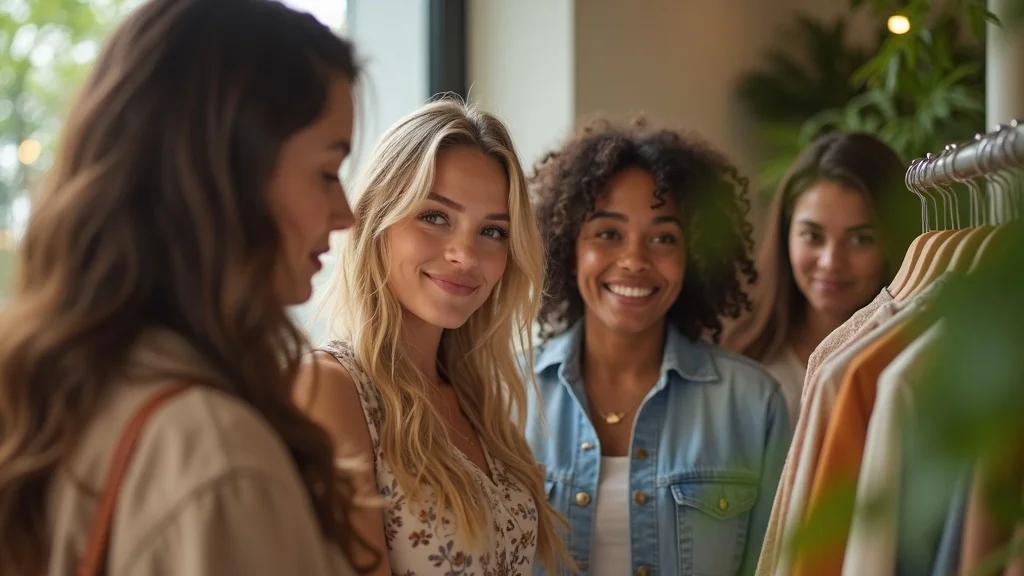
Diverse women enjoying sun in organic underwear in Australia.

Sustainable Choices in Underwear: The Rise of Organic Options

When it comes to selecting the right underwear, many may not prioritize sustainability, yet the choice of fabric plays a crucial role in both personal comfort and environmental health. Organic underwear brands are stepping in to provide options that combine comfort with eco-consciousness. As the demand for sustainable products surges, particularly among consumers striving for a greener lifestyle, organic cotton stands out for its natural breathability, lack of harmful chemicals, and overall gentleness against the skin.

Why Organic Matters: The Benefits of Choosing Organic Underwear

Investing in organic underwear means more than just comfort; it’s a commitment to a healthier planet. Cotton farmed without toxic pesticides or synthetic fertilizers not only results in a softer product but also supports sustainable farming practices that lead to healthier ecosystems. Here are a few notable benefits:

  • Hypoallergenicity: Organic cotton is less likely to cause irritation or allergic reactions, making it a great choice for people with sensitive skin.
  • Breathability: The natural fibers allow for better air circulation, keeping your body cooler and drier throughout the day.
  • Environmental Impact: Supporting organic cotton farmers promotes agricultural sustainability, contributing positively to earth’s health.

Your Guide to the Best Organic Underwear Brands in Australia

For sustainable living enthusiasts, selecting the right underwear is equally about comfort, health, and eco-friendly practices. Here’s a closer look at some of the top organic underwear brands available in Australia:

Organic Basics

With an unwavering commitment from seed to seam, Organic Basics offers some of the softest organic cotton underwear. Their GOTS certification assures consumers of high ethical standards and transparency.

Eco Intimates

For those desiring playful styles, Eco Intimates provides a small-batch production line, minimizing waste while using GOTS certified materials.

The Very Good Bra

This innovative brand goes beyond comfort with designs that are 100% compostable, allowing you to contribute to sustainability even after your items have been worn out.

Wonderpants

A locally made brand that specializes in providing comfortable garments for all genders, Wonderpants is all about inclusivity and celebrating diversity.

Underwear for Humanity

This brand captures the essence of circular economy by recycling old underwear into new products, championing sustainability in the most literal sense.

Common Misconceptions About Organic Underwear

There are several misconceptions surrounding organic clothing, particularly the idea that organic underwear is too expensive. While the upfront cost may be higher than conventional options, the quality often leads to greater durability, translating to savings in the long run. Moreover, consumers should consider that their purchase supports ethical labor practices and sustainable farming.

Future of Sustainable Fashion: Trends and Predictions

Looking ahead, as awareness of environmental issues grows, it’s expected that more brands will adopt sustainable practices. The fusion of style and sustainability in underwear is becoming increasingly prevalent, indicating a significant shift in consumer preferences. As this movement evolves, shoppers will likely seek brands not only committed to organic materials but also to transparency and ethical production processes.

Conclusion: Make the Change for Your Comfort and the Planet

Choosing organic underwear is a reflection of personal values aligned with eco-conscious living. With an array of brands offering diverse styles crafted from sustainable materials, finding the perfect fit for your lifestyle has never been easier. If you have a passion for sustainable living, consider switching to these organic options that are beneficial for both your skin and our planet. Your bottom—and the Earth—will thank you!

Environment and Future

29 Views

0 Comments

Write A Comment

*
*
Related Posts All Posts
02.20.2026

How to Ensure Your Money Isn’t Funding Fossil Fuels: Ethical Banking Insights

Update Understanding the Impact of Your Money on Climate Change As individuals, we often think we are making a positive impact on climate change through our daily choices—recycling, using reusable shopping bags, and adopting renewable energy sources at home. However, one critical aspect frequently overlooked is where our money is invested. In Australia, the major banks and superannuation funds hold significant sway over the funding of fossil fuel industries. With over $61 billion directed to fossil fuel projects since the Paris Agreement in 2015, understanding your bank's investment practices is paramount. How Big Banks Are Financially Fueling Fossil Fuels According to recent data from Market Forces, Australia's four largest banks—ANZ, Westpac, Commonwealth Bank, and NAB—have collectively loaned over $3.6 billion to fossil fuel projects in 2023 alone. This funding goes directly toward initiatives including coal mines, gas fields, and oil drilling operations. This is alarming, particularly given that 83% of Australians express a desire for their money to be invested ethically. Despite this demand, banks haven’t been transparent about where their funding goes. The Commonwealth Bank, for instance, has lent $16.1 billion to fossil fuel industries since 2016, contradicting its sustainability pledges. What You Can Do to Support Ethical Banking So how can you ensure your savings are not indirectly supporting fossil fuel projects? Start by investigating your bank’s investments using resources like the Market Forces comparison table. This tool provides information on what projects your bank has funded and whether they have made commitments to stop supporting fossil fuel expansions. By empowering consumers through access to information, banks could face increased pressure to shift their funding away from fossil fuels. Alternatives: Banks Committed to Sustainability Not all banks are involved in fossil fuel financing. Institutions like Bank Australia and Summerland Credit Union pride themselves on having zero fossil fuel exposure. Before switching banks, it’s important to review each institution’s investment policies and product terms to ensure your values align with your financial decisions. The Back Door of Financing One additional concern in this context is a recent trend wherein banks are finding ways to fund fossil fuel expansion indirectly. This ‘back-door’ lending approach includes methods such as bonds and general corporate finance, raising questions about the commitment these banks truly have towards their climate promises. Even as direct funding to fossil fuel projects decreases, these methods enable banks to continue supporting fossil fuel expansion. Environmental and Financial Accountability It is critical to understand that the consequences of our banking choices extend beyond profitability—they shape the future of our planet. The Emissions Reduction Commitments outlined in the Paris Agreement demand action, and holding banks accountable for their investments is a crucial component in this fight. When consumers cultivate awareness, they can create a ripple effect that pushes banks to abandon fossil fuel financing altogether. Conclusion: Take Charge of Your Financial Future It's time to assess how your financial choices impact the environment. Investigate your bank’s financing practices and explore ethical options that support sustainable initiatives. If your current bank isn’t a good steward of your values, consider making a switch. You have the power to ensure your hard-earned money fuels a future that prioritizes sustainability over fossil fuel dependency.

02.17.2026

Exploring Sustainable Basics in Australia: A Guide for Ethical Living

Update Understanding the Importance of Ethical Fashion In today's world, fashion is not just about looking good; it encompasses ethical practices and sustainable decisions that significantly impact our planet. The shift towards ethical and sustainable basics is about making conscious choices in our wardrobe. Investing in high-quality basics reduces waste and promotes a culture of sustainability. Each clothing piece produced carries a significant footprint, affecting everything from water consumption to labor practices. Building a Sustainable Basics Wardrobe Your wardrobe's foundation is built on quality basics—those go-to items that blend comfort, versatility, and longevity. By prioritizing sustainable basics, you not only ensure durability under wear and tear but also support brands that align with eco-friendly principles. Sustainable basics focus on using high-quality materials like organic cotton, which helps minimize environmental impact while promoting ethical labor practices. Recommended Sustainable Brands in Australia When you're ready to upgrade your basics drawer, consider these standout Australian brands that marry style with sustainability: Bassike: Renowned for their premium organic cotton basics, Bassike represents quality and style with a minimalist aesthetic that's perfect for layering. Staple Co: This Perth-based brand offers affordable organic cotton options with a commitment to Fair Trade and GOTS certifications, making it easy to shop sustainably for the whole family. Caves Collect: Proudly made in Melbourne, their focus on natural fibres and timeless designs helps reduce fast fashion's impact by producing pieces meant to last. Kowtow: Known for their Fair Trade practices and GOTS-certified organic cotton, Kowtow emphasizes circularity in fashion, ensuring products can be recycled, promoting a zero-waste approach. Organic Crew: If comfort is your priority, this brand excels in creating stylish loungewear from certified organic cotton, produced under ethical conditions in Melbourne. Dorsu: This unique brand creatively uses surplus materials from Cambodia to create staple pieces, turning potential waste into valuable wardrobe solutions. Why Sustainable Basics Matter Choosing ethical and sustainable basics plays a crucial role not only in fashion but also in shaping consumer behavior and industry standards. By supporting brands that focus on sustainability, you contribute to a growing movement that values transparency and responsible practices, demonstrating that conscious consumption can be chic. Final Thoughts and Future Predictions As awareness around environmental issues grows, we can expect to see an increasing number of brands committed to ethical practices in materials and production methods. The fashion industry is evolving, and the future lies in sustainable practices that harmonize style and responsibility. By making informed choices, consumers can spearhead this, pushing brands to adopt more sustainable methods. The shift towards sustainable basics isn’t just a trend; it’s a lifestyle choice that defines our values and future aspirations.

01.29.2026

Innovative Strategies for Packing a Lower-Waste Kids Lunch Box

Update Understanding the Waste of Lunchboxes Packing lunches for children may seem like a mundane task, but it bears significant implications on our environment. An alarming report from OzHarvest in 2021 revealed that Australian students discard around 5 million uneaten sandwiches and 3 million pieces of untouched fruit each year along with a myriad of packaged snacks. This raises a crucial question: how can we pack a lower-waste lunchbox that is still appealing to kids? The Role of Families and Schools Findings from research conducted in South Australia suggest a substantial part of the waste issue stems from the choices made at home. In a study of 673 preschool and primary school lunchboxes, it was discovered that 53% of packaged items were single-use plastics, largely found in snack items like chips and muesli bars. Parents often face time constraints and let kids' preferences shape their lunchbox contents, favoring familiar, packaged foods over sustainable options. However, the drive for convenience often overshadows the need for a lower-waste lifestyle. Enhancing Eating Environments in Schools Beyond home, schools play a pivotal role in shaping lunch habits. Evidence shows that primary school eating times are often as brief as ten minutes, leading to hurried meals and wasted food. By extending eating times, schools can foster a more nutritious eating culture, enabling children to consume more fruits and veggies. Interestingly, research suggests that scheduling playtime before meals can lead to increased food intake as children arrive at lunch hungrier and less rushed. Strategies for Packing Low-Waste Lunches Crafting a low-waste lunch doesn't have to mean giving up on popular foods. Here are several recommendations: Engage Your Child: Involve your kids in deciding what goes in their lunchboxes, teaching them about food choices and sustainability. This not only empowers them but also increases the likelihood that they will eat what they choose. Swap Packaged Snacks: Replace single-use items with whole foods like fruits, vegetable sticks, and boiled eggs. Prepare homemade snacks in bulk, like muffins or popcorn, stored in reusable containers. Invest in Reusable Containers: Opt for bento-style lunchboxes that separate different food items while being eco-friendly. The right containers will encourage creativity in packing and help maintain food freshness. Community and School Initiatives To promote a more sustainable eating culture, schools can initiate 'nude food' days, encouraging families to pack meals without packaging. Additionally, incorporating food literacy into the curriculum helps children embrace healthier options and understand their environmental impact. Recycling and composting bins can be made available across the playground, reinforcing the importance of waste reduction. Final Thoughts and an Invitation With a conscious effort to rethink lunch packing strategies, families and schools can significantly reduce the amount of waste generated by these daily routines. A collaborative approach between parents and educational institutions can empower future generations to make sustainable choices. Parents are encouraged to engage their kids in this process for optimal results—what’s your best tip for a lower-waste lunch? Share your thoughts!

Terms of Service

Privacy Policy

Core Modal Title

Sorry, no results found

You Might Find These Articles Interesting

T
Please Check Your Email
We Will Be Following Up Shortly
*
*
*