



The quest for sustained energy is at the heart of modern professional life—and nowhere is that search more relevant than among busy Australians navigating fast-paced schedules, demanding meetings, and never-ending to-do lists. Yet, amidst energy drink rituals and quick-fix snack fads, a quiet revolution is brewing. It champions the notion of whole, natural foods—a tradition rooted in native Australian culture and increasingly rediscovered by those seeking wellness that truly lasts. Today, we’ll let Simon Smith from Everwell Media guide us through an exploration—not a prescription—of what the healthiest foods Australia can offer, how modern living shapes our food decisions, and what you can do to bridge the gap between knowing about good nutrition and really feeling its benefits in daily life.
Through Smith’s eyes, expect more than a nutritional checklist. Prepare to rethink the role of convenience, decode supermarket labels with confidence, and discover why connecting with our body’s signals might be the most powerful ingredient of all. This isn’t about perfection—it’s about curiosity, informed choices, and the timeless link between true nourishment and authentic energy.
Simon Smith’s Core Insight: Real Energy Comes from Whole, Fresh Foods, Not Convenience
For Simon Smith, one of the core misconceptions entwined with the Australian professional’s diet is the myth of convenience as synonymous with health. He sees a recurring narrative: the easier the access, the more “energy-boosting” people assume a food will be. Yet, Smith argues that real, lasting energy springs not from a barcode or plastic packaging, but from the vibrant simplicity of whole, fresh foods. According to Smith, foods brimming with vitality don’t need ingredient numbers or shelf-extending additives; they arrive in their pure, unspoiled state and “give your body the tools it needs to function well and truly thrive.”
As food trends tout functional drinks and engineered superfoods, professionals are often tempted to opt for grab-and-go choices that promise stamina but sacrifice nature for longevity. Smith emphasizes that when you fuel your body with what it genuinely craves—minimally processed, nutrient-dense options—the payoff is profound. The result isn’t just fleeting energy, but a deeper resilience that powers your focus, creativity, and wellbeing all day long.
As Simon Smith, of Everwell Media, explains: "Convenience is one of those things that people think of as being easy. But when convenience drives choices, foods have to have a market life, which means additives and preservatives compromise their natural energy-giving properties."
Balancing Convenience and Health: Smart Shopping Without Compromise
Decode Labels to Find Whole Foods Even at Supermarkets

Smith acknowledges the reality: not everyone can shop exclusively at weekly farmers' markets or forage in native bushland. But modern convenience doesn’t have to mean sacrificing health. One of the “aha” moments Smith champions is the art of label literacy. In his view, professionals can make impactful choices even in mainstream supermarkets by “reading labels and knowing what you’re looking at.” Beyond the marketing, the true story is told in the ingredient list—choices with few additives, no mystery numbers, and recognizable components empower your body, not burden it.
For professionals balancing demanding careers, family commitments, and active lifestyles, the supermarket is often the frontline of food decisions. According to Smith, with a bit of awareness and curiosity, you can bypass heavily processed foods and instead choose items such as fresh produce, whole grains, or unadulterated nuts and seeds. This selective approach preserves the benefits of convenience while shelving the downsides of preservatives, colors, and unnecessary fillers—an elegant middle ground that fits real-world schedules.
Understanding how your food choices impact not just your energy but also the broader environment is increasingly important. For a practical look at how community health initiatives are tackling food-related challenges, see how the EPA’s campaign to reduce problem waste is helping Australians make smarter, healthier decisions for themselves and their communities.
As Simon Smith, of Everwell Media, says: "There are certain foods you can find in supermarkets without all the junk—that still give you convenience without weighing your body down."
Why Additives Drain Energy and Store Fat
Smith doesn’t mince words: additives are more than a trivial inconvenience—they actively “weigh the body down.” When we ingest ingredients that the body can neither use nor efficiently expel, it’s forced to work harder, sometimes storing excesses as fat. This fat retention, he asserts, isn’t just about calories but about unprocessed waste, a concept that reframes the very nature of “empty calories” for busy professionals.
The result? Rather than experiencing renewed focus or a natural boost, you may feel sluggish or foggy—a direct contradiction to the very promises these foods make on their colorful labels
As Simon Smith, of Everwell Media, warns: "When you eat foods filled with additives, your body struggles to process them, often storing the excess as fat because it lacks the tools to get rid of it."
Exploring Australia's Plant-Based Traditions and Their Role in Modern Energy
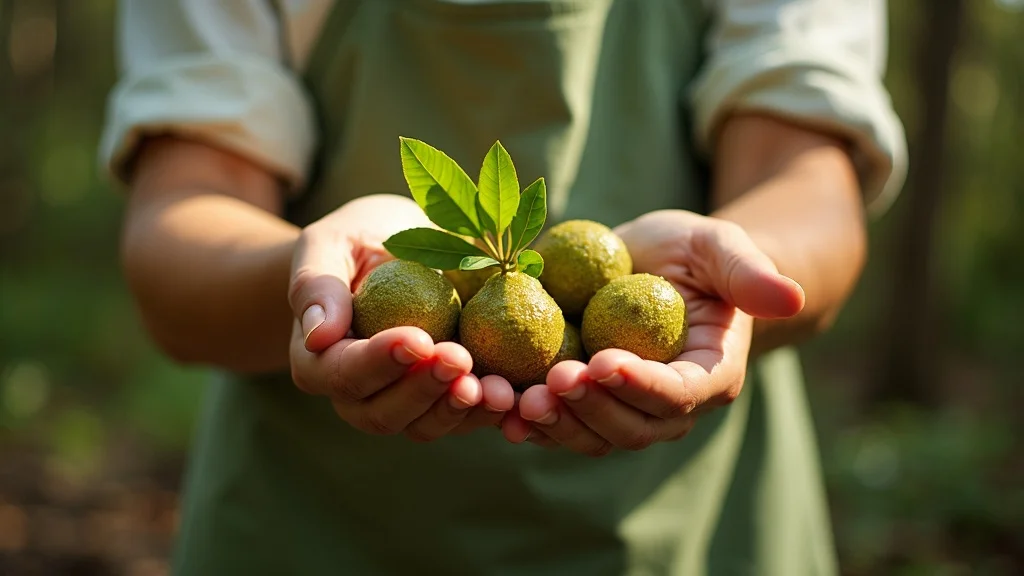
Australia’s vibrant legacy of plant-based eating and native ingredients—think wattleseed, finger lime, and wild greens—is finally resurfacing in both fine dining and home kitchens. Smith contextualizes this as more than a culinary trend: it’s a return to foods that historically energized a continent’s people. These native ingredients, shaped by Australia’s unique ecology, are often richer in micronutrients and have been consumed in ways that maximize their bioavailability and nourishing power.
Smith encourages busy professionals not to overlook these traditions. Even simple integrations—like adding wild greens to a salad or using native bush spices in meal preparation—can be a gateway to reconnecting with food’s ability to foster both physical and mental vigour. For professionals, this exploration offers not only nutrients but a “story on every plate”—a reminder that the healthiest foods Australia produces are often those closest to their natural origins.
How Food Quality, Movement, and Stress Influence Energy Levels

Smith’s exploration extends beyond the plate. He emphasizes that vibrant energy is not simply a function of what’s eaten, but how one lives: movement, light exposure, sleep, and stress management act synergistically with quality nutrition. The healthiest foods Australia has to offer can provide a foundation, but daily habits—mindful walking instead of fast commuting, open-air meetings, or even brief periods of intentional rest—act as force multipliers for those nutritional efforts.
Curiously, Smith points to how modern routines may inadvertently “disconnect us from our own biological signals.” The rush to meet deadlines and commitments can dull awareness of hunger, satiation, or fatigue—leading to choices made on autopilot. For professionals, learning to tune in—through mindfulness, deliberate breaks, and slow-food rituals—can transform meals from refueling stops into true energy resets.
Bioavailability: Why What You Eat Matters More Than You Think
You are not simply what you eat—you are what your body can digest, absorb, and put to use. According to Smith, the bioavailability of a food—how well its nutrients are released and taken up—is the silent edge behind long-lasting energy. Unprocessed, fresh foods typically have higher bioavailability because their nutrients remain intact, ready to be absorbed, while additives, long shelf life, and heavy processing diminish this potential.
For busy professionals, this means prioritizing the quality and freshness of food just as much as convenient access. Whether it’s snacking on fresh avocado, incorporating sweet potato into lunch, or tossing macadamia nuts through a salad, choosing the healthiest foods Australia offers in their least processed form can amplify their energy-giving benefits, fuelling both body and mind.
- Top 3 Whole Foods That Boost Natural Energy in Australia: Avocado for healthy fats, sweet potato for slow-release carbohydrates, and macadamia nuts for satiety and micronutrient richness.
- Essential Label Reading Tips to Avoid Hidden Additives: Look for short ingredient lists, avoid foods with numbers or unrecognizable components, and choose fresh or minimally processed varieties whenever possible.
- Lifestyle Habits That Enhance Food’s Energy Benefits: Practice mindful eating away from screens, schedule regular movement (like walking meetings), and prioritize natural light exposure throughout the day.

Bridging the Gap Between Knowing and Feeling Well in Today’s Busy Lives
Why Modern Life Disconnects Us From Biological Signals
Smith reflects on a subtle, often-overlooked barrier: being well informed about nutrition doesn't always translate into feeling well. The push and pull of professional life—hectic schedules, screen time, high demands—can sever the tie between intellectual knowledge and physiological awareness. Professionals may know the principles, but lose touch with the cues that would otherwise tell them when to eat, rest, or move.
This disconnect is at the heart of many modern health frustrations. Smith suggests that, by intentionally pausing to “read the signs”—observing hunger, satisfaction, and clarity—they can gradually realign daily choices with genuine needs, making every healthy food decision more impactful and less rote.
The Missing Ingredient: Curiosity in Health Conversations
Perhaps the most refreshing insight Smith shares is the value of curiosity. Rather than framing decisions as rigid rules or obligations, approaching health as an “open exploration” returns agency to the individual. Smith believes that when professionals infuse their routines with curiosity—about food sources, the body’s reactions, or traditional eating practices—they ignite a powerful feedback loop of knowledge and positive change.
Ultimately, it is this sense of exploration that can bridge the chasm between theoretical health advice and real-world energy. As Smith’s approach makes clear, the journey is just as important as the destination, and asking questions leads us closer to both wellness and fulfillment.
Summary: Nourish Your Body with the Healthiest Foods Australia Offers for Sustained Energy
- Focus on whole, fresh foods without additives
- Use label awareness to smartly balance convenience and health
- Consider lifestyle factors shaping your energy and wellbeing
- Stay curious and explore your biological signals to optimize health

Take Action: Empower Your Energy with Thoughtful Food Choices
Australia’s healthiest foods are not hidden treasures—they’re available to anyone willing to look twice, read deeply, and stay curious about their own wellbeing. Whether you’re a marketing director racing between client calls, an HR leader supporting team resilience, or a business analyst making high-stakes decisions, Simon Smith’s perspective is clear: Energy is cultivated, not consumed. Start with one small swap, one more mindful label check, or one unexplored native ingredient, and notice how your sense of vitality evolves. The next chapter in your energy story begins with the choice you make today.
Ready to unlock your natural energy? Explore Everwell Media’s latest features on mindful nutrition and discover how the healthiest foods Australia has to offer can fit seamlessly into your busy professional life
If you’re inspired to take your wellness journey further, consider how your food choices can ripple out to benefit not just your own health, but the wellbeing of your entire community. Delve into the broader impact of sustainable habits and responsible consumption by reading about the EPA’s campaign to reduce problem waste and protect communities. By connecting your personal nutrition with environmental stewardship, you’ll discover new ways to amplify your energy, support public health, and contribute to a more resilient Australia—one thoughtful choice at a time.


Write A Comment