 Add Row
  Add
Add 


Simon Smith on Demystifying the Healthiest Foods Australia Recommends for Workplace Energy
"People tend to overthink healthy eating at work, but the real key is embracing whole, natural foods—not synthetic, man-made products." — Simon Smith, Everwell Media
When it comes to fostering workplace vitality, many Australian leaders and professionals fall into a surprising trap: overcomplicating what it means to eat well at work. According to Simon Smith, a leading voice at Everwell Media, the real secret lies not in the latest superfood or trendy supplement, but in returning to basics—focusing on whole, natural foods that deliver genuine nourishment.
Smith suggests a critical reevaluation of our modern habits, especially given how processed foods increasingly dominate staff kitchens and catered meetings. “The health conversation has become noise for many people,” he notes, “but when we simplify, we see the real energy boost comes from uncomplicated, authentic foods Australians have always thrived on.” For workplace vitality, Smith urges not just looking at food as fuel, but as a fundamental driver for focus, engagement, and long-term wellbeing.

The Core Argument: Why Real, Whole Foods Trump Manufactured Alternatives in Workplace Nutrition
"Synthetic nutrients like folic acid mimic vitamin B12 and can give false blood test readings, especially affecting vegetarians and vegans—this highlights the hidden pitfalls of processed foods." — Simon Smith, Everwell Media
The popularity of fortified cereals, energy bars, and meal replacements has led many to believe all nutrients are created equal. Simon Smith, however, urges corporate wellness leaders to look closer. Whole foods—think vegetables you could grow in your backyard, or produce nearly identical to what our grandparents ate—offer a type of nourishment highly prized for what Smith calls “direct cell nutrition.” Unlike their synthetic counterparts, these foods allow nutrients to enter our cells effectively, directly impacting energy, concentration, and overall productivity.
Smith’s warning about processed foods is particularly resonant for Australia’s office workers who rely on packaged snacks or “health” products pumped full of additives like folic acid. According to Smith, “synthetic additives often just ‘swim’ in the body without reaching our cells, and even worse, in the case of folic acid, can mask deficiencies—misleading even health-conscious employees with their blood test results.” This isn’t just a nutritional issue; it’s a matter of cognitive clarity and workplace resilience. The healthiest foods Australia celebrates aren’t found on an ingredient panel, but in minimally processed, naturally vibrant produce and proteins.
While nutrition is a cornerstone of workplace wellbeing, it's also important to consider how broader environmental factors can impact health. For example, initiatives that address problem waste in communities can complement efforts to improve dietary habits, as highlighted in the EPA's campaign to reduce problem waste and protect community health. This holistic approach ensures that both what we eat and the environments we work in contribute to overall vitality.
- Emphasis on 'direct cell nutrition' from whole foods for optimal energy and cognitive function
- Historical dietary patterns of grandparents as a blueprint for health without synthetic additives
- Correlation between diet quality and absence of chronic ailments such as dementia, heart disease, and obesity

Exploring Plant-Based Traditions and Their Role in Enhancing Workplace Wellbeing
"Countries in the Blue Zones show us that diets rich in fresh, organic foods combined with natural movement and fresh air create a foundation for longevity and vitality." — Simon Smith, Everwell Media
Historical diets around the world—especially those from so-called “Blue Zones”—hint at a powerful correlation between simple, plant-based meals and broad measures of vitality. According to Simon Smith, it’s not just what these populations eat, but how they live: “They move every day, eat food straight from the earth, and rarely touch synthetic ingredients.” Smith believes that by embracing healthy foods Australia has access to—like seasonal produce, native vegetables, and unadulterated grains—organisations can unlock deep-rooted benefits for staff, including sharper focus and reduced absenteeism.
Smith argues for adopting “curiosity-driven” health habits in Australia’s corporate environments: encouraging employees to try diverse, naturally colourful meals, walk or cycle to work, and find joy in open-air breaks. By reviving these traditions, companies not only support individual health, but also nurture the sense of community and belonging that underpins high-performance workplaces.
- Walk and daily physical movement as lifestyle essentials
- Consuming foods grown without synthetic interference
- Engaging curiosity in health for a deeper bio-connection

The Gap Between Knowing and Feeling Well: Why Modern Life Disrupts Biological Signals
Simon Smith emphasizes the disconnect many experience today due to artificial environments, processed foods, and overlooked biological signals that once guided dietary choices. In the modern workplace, professional routines are increasingly mediated by artificial light, desk-bound hours, and rushed eating, making it hard for employees to perceive or trust their body’s feedback.
According to Smith, this disconnect is at the heart of why so many “know” what they should eat, but seldom “feel” the benefits. The healthy foods Australia’s ancestors relied on were part of a deeply intuitive feedback loop—meals rich in mineral-laden vegetables, nuts, and pulses were chosen as much for flavour and satiety as for sustenance. Today, realigning with these rhythms could close the gap between intellectual awareness and true workplace wellbeing, sparking both individual satisfaction and team synergy.
Bioavailability Over Quantity: What Truly Makes Food ‘Healthy’?
The concept of “bioavailability”—how readily nutrients from food enter and nourish our cells—stands at the core of Simon Smith’s philosophy. According to Smith, the healthiest foods Australia prizes are not only packed with vitamins and minerals, but structured in such a way that our bodies can readily absorb and use them. By contrast, nutrients from synthetic supplements often remain outside the cell membrane, providing little real benefit despite appearing impressive on a nutrition label.
Simon Smith offers a powerful analogy: while scientists can recreate seawater with the exact mineral content as nature, “fish only survive in the real thing.” This drives home an overlooked truth: bioavailable nutrition isn’t about consuming more, but about consuming what the body can truly use. For corporate leaders, this means prioritizing workplace meals that focus on direct cell nutrition, from dishes featuring wild blueberries, kale, and Tasmanian salmon, to simply prepared legumes and nuts—all signature healthy foods Australia is renowned for.
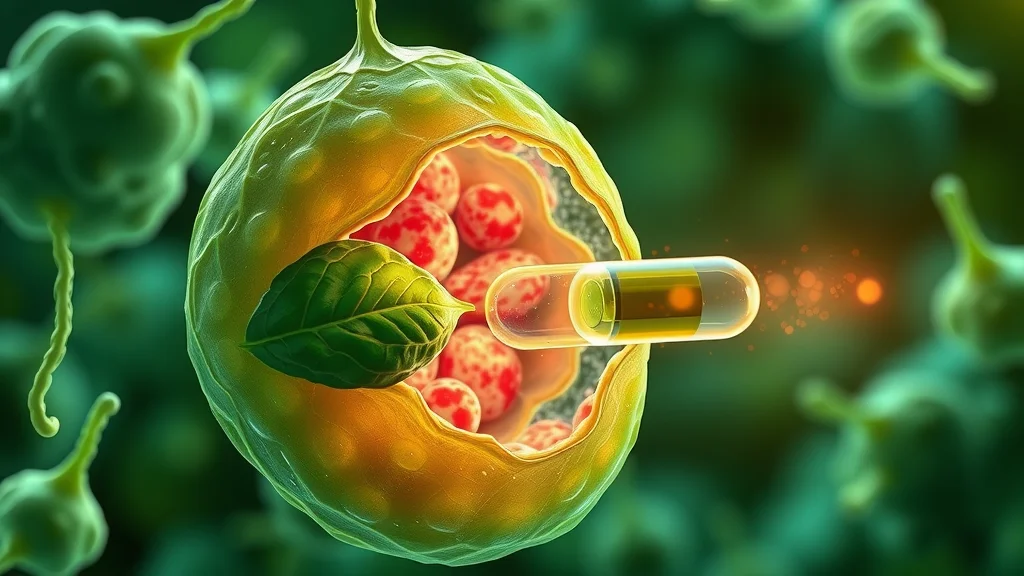
"Man-made seawater can have all minerals present, but fish only survive in natural seawater — a perfect analogy why natural food sources provide unmatched bioavailability." — Simon Smith, Everwell Media
- Top 5 Australian whole foods rich in minerals for workplace vitality
- Simple steps to incorporate these foods into daily corporate meals
- Common misconceptions about synthetic food supplements
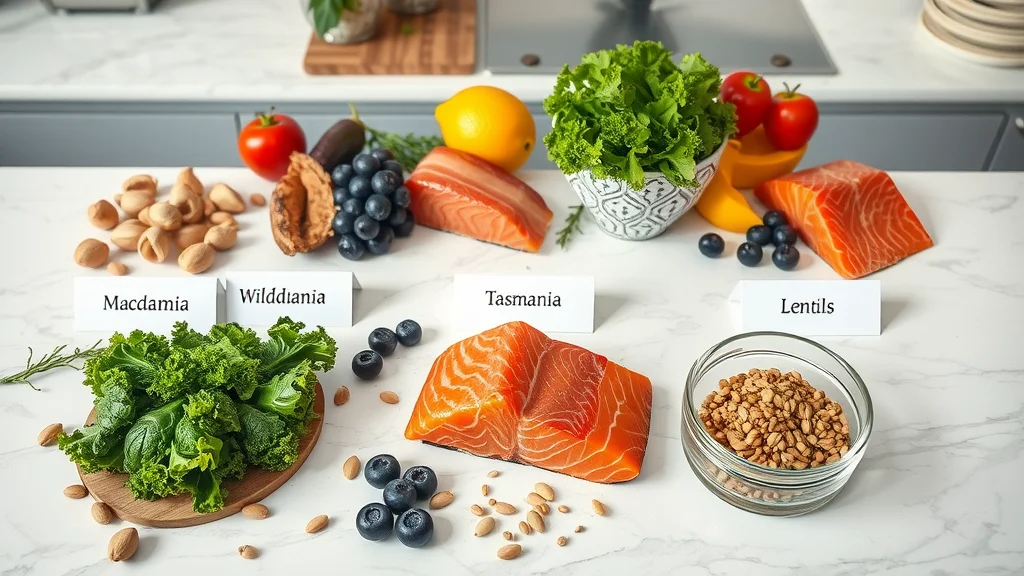
Practical Tips for Marketing Directors, HR Leaders & Corporate Planners to Foster Healthier Workplace Nutrition
For leaders ready to put these insights into practice, Simon Smith advises building wellness programs around organic, minimally processed ingredients and fostering cultures where movement and stress reduction occur naturally. “The healthiest foods Australia offers are as important as the environment in which they’re shared,” Smith points out, suggesting that creating convivial, plant-rich meal experiences, encouraging ‘walking meetings’ or rooftop lunches, and providing educational moments about the pitfalls of synthetic additives make all the difference.
Smith’s expert perspective is that the best workplace nutrition initiatives inspire curiosity and engagement, not compliance. By emphasizing exploration over rigid instruction, HR leaders and marketing directors can transform nutrition from a checkbox into an opportunity for discovery and innovation within their teams, boosting morale and collective health in the process.

Conclusion: Embracing Australia’s Healthiest Foods for a More Vital, Engaged Workforce
Simon Smith’s insights challenge today’s corporate leaders to look beyond fads, rediscovering the healthiest foods Australia has celebrated for generations. By valuing bioavailability and historic dietary wisdom, leaders foster not just healthier eating habits, but more energetic, collaborative, and resilient teams. As modern workplaces strive for excellence, the call is simple yet profound: return to real, whole foods, plant-driven traditions, and curiosity-fueled wellness. Direct your teams toward vibrant health—one genuine, nutrient-dense meal at a time.
Ready to ignite workplace vibrancy through nutrition? Download our Comprehensive Workplace Wellness Guide to Implement Australia's Healthiest Foods Today and embark on your path to sustainable corporate vitality
For those interested in taking a broader approach to workplace wellbeing, consider how environmental health initiatives can further support your goals. Exploring strategies like those outlined in the EPA's campaign to reduce problem waste and protect communities can help you create a more holistic, sustainable foundation for employee health and engagement. By integrating nutrition with environmental responsibility, your organisation can lead the way in fostering a truly thriving workplace culture.


Write A Comment