


Yet, while plant-based, food-derived remedies glitter with promise, decision-makers face a hidden labyrinth: what’s authentic, what’s adulterated, and how can real well-being be distinguished from marketing gloss? To cut through this complexity, we turn to Simon Smith of Everwell Media, a trusted voice demystifying health, lifestyle, and business from a uniquely Australian perspective
Simon Smith's Insight: Why Natural Pain Relief is Revolutionizing Workplace Wellness
According to Simon Smith, the momentum behind natural pain relief Australia is inseparable from a deeper recognition: our bodies are innately equipped to process what’s natural—especially when pain remedies are derived from foods we know and trust. “Natural pain relief is like we really just touched on earlier. Because if you’re having something that is natural, your body knows what to do with it.” — Simon Smith, Everwell Media
Natural pain relief is like we really just touched on earlier. Because if you're having something that is natural, your body knows what to do with it.
— Simon Smith, Everwell Media
As Smith explains, this isn’t just theory; it’s a practical philosophy. People increasingly want wellness strategies that “work with the body, not against it.” The resurgence of plant-based traditions and food-as-medicine remedies resonates across workplace wellness because employees are seeking more than symptom suppression; they crave approaches that harmonize with their biology and their culture. From extra virgin olive oil to herbal teas, these solutions tap into a historical continuum of natural healing. Still, Smith cautions that genuine progress demands more than awareness: “If your workplace really wants to bridge the gap between knowing and feeling well, curiosity—not just compliance—must drive choices.” In other words, today’s wellness leaders must nurture environments where asking the right questions becomes second nature.
This focus on authenticity and transparency in wellness choices closely parallels broader efforts to protect community health, such as initiatives to reduce problem waste and safeguard the environment. For a practical look at how Australian organizations are tackling these challenges, see how the EPA’s campaign to reduce problem waste is driving positive change for both workplaces and communities.

The Power of Food-Based Remedies: Extra Virgin Olive Oil as a Natural Analgesic
What's remarkable? The active compound oleocanthal within genuine, first-pressed extra virgin olive oil delivers anti-inflammatory properties comparable to conventional painkillers but without their notorious side effects
Extra virgin olive oil actually has a product called oleocanfor in it which has the same benefits as propylene, a commonly used pain killer, but with zero side effects because it’s food.
— Simon Smith, Everwell Media
This alignment—where the input is recognizable as food—translates to improved bioavailability. As Smith illustrates, “your body knows exactly what to do with food.” There's no mystery, no added burden—just a restoration of balance using ingredients embedded in human tradition. It’s precisely this convergence between nutritional heritage and modern science that makes the inclusion of food-based natural remedies so attractive in contemporary workplace wellness programs. However, as Smith cautions, “not all so-called natural products are what they seem,” injecting a note of criticality into the conversation.

Navigating the Market: The Hidden Challenges of Authentic Natural Pain Relief Products in Australia
It’s not enough to simply choose natural pain relief Australia—you have to ensure it’s authentic. Smith points out a startling market reality: over 80% of extra virgin olive oil products sold in Australia are “actually cut with seed oils and emulsifiers, undermining their health benefits.” This means that workplace wellness initiatives, although well-intentioned, may unknowingly serve employees products that are bereft of promised bioactive compounds—and, worse, possibly laced with additives and genetically modified ingredients (GMOs).
Over 80% of extra virgin olive oil products available in the marketplace are actually cut with seed oils and emulsifiers, undermining their health benefits.
— Simon Smith, Everwell Media
The result? Even those actively seeking authentic, food-based pain remedies might unwittingly compromise their approach
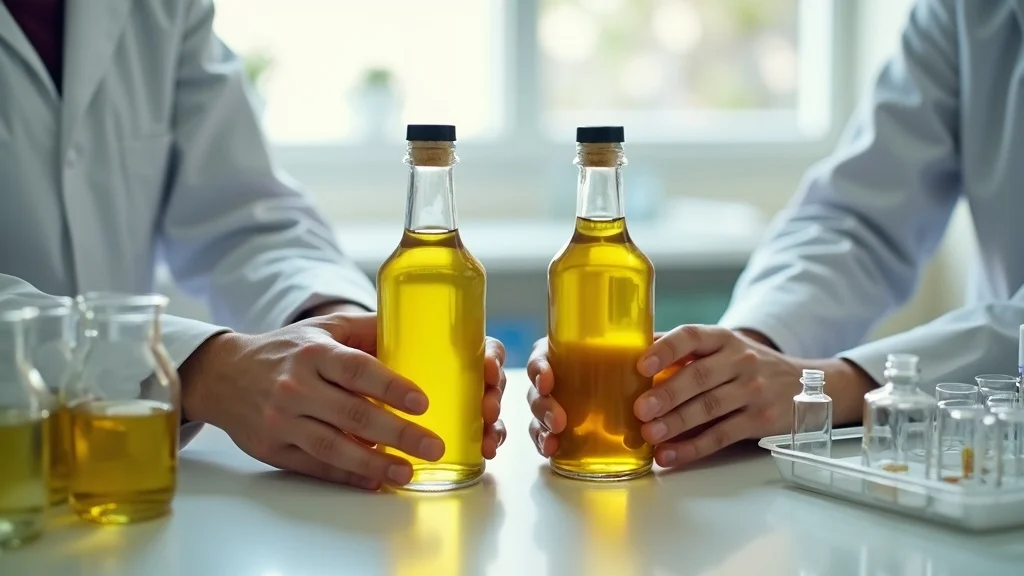
Understanding the Authenticity Gap in Extra Virgin Olive Oil Products
A closer look at product shelves reveals a disconcerting gap between perception and reality. Smith’s analysis is sobering: “The marketplace... delivering these products [is] not what they’ve actually made out to be.” Many products labeled as “extra virgin” have been tampered with before they even enter the country—mixed with cheaper oils to ease transportation and prolong shelf life. These alterations don’t just dilute the health benefits; they introduce new risks, including pesticide residues and allergenic emulsifiers.
This authenticity gap underscores a central challenge for Australian organizations eager to adopt natural wellness solutions: without vigilance, the journey toward holistic health can be undermined by convoluted supply chains. According to Smith, “if you have real extra virgin olive oil, it starts oxidizing if left in the light or open environment.” Decision-makers need not only knowledge but the will to scrutinize claims—connecting product reality to scientific rationale.
Why Verifying Your Source is Critical for Workplace Wellness Programs
Common adulterants in extra virgin olive oil: seed oils and GMOs
Impact of additives like emulsifiers on product quality
Transport and storage factors affecting oil oxidation and potency
Health risks linked to diluted or contaminated natural remedies
Smith’s expertise is a call to action: wellness leaders must elevate their standards, demanding full transparency and rigorous supply checks. By choosing only authentic, untampered food-based remedies, organizations empower employees not just with pain relief but with trust—a cornerstone of a sustainable wellness culture.

Bridging the Awareness Gap: Empowering Decision Makers to Choose True Natural Pain Relief
Knowledge alone is not enough to guide effective workplace wellness. As Smith observes, the real gulf is “between knowing and feeling well”—and the way across is curiosity. In Australia’s fast-changing wellness landscape, decision-makers who stay curious, interrogate claims, and model critical health conversations champion a culture where employees are not passive recipients but active explorers. This mindset is particularly crucial when “product labels conceal more than they reveal.”
Drawing from Everwell Media’s mission, Smith suggests that organizations should not simply instruct but invite continuous exploration: “If people are more aware, if there’s less gap, then wellness becomes a conversation, not a checklist.” The role of leaders is to spark, not stifle, this dialogue—so that real wellness emerges as a product of collective inquiry and lived experience.
Why More Informed Choices Drive Better Workplace Wellness Outcomes
Smith’s approach is rooted in respectful skepticism: every claim is a starting point, not a finish line. By empowering teams to ask about product origin, authenticity, and hidden additives, organizations set the stage for smarter, safer wellness programs. In his view, the healthiest workplace cultures “normalize questioning”—transforming decisions from passive acceptance into active evaluation. As more employees participate in these explorations, the collective result is a workplace where well-being flows from authentic food-based remedies, not simply fashionable trends.

The Importance of Curiosity and Critical Evaluation in Health Conversations
Question product origin and authenticity
Read labels carefully for hidden additives
Understand bioavailability without fixed dosage claims
Consider lifestyle factors impacting natural remedy effectiveness
Smith distills his philosophy simply: “The key takeaway really is know your source and read the label carefully.” — Simon Smith, Everwell Media
The key takeaway really is know your source and read the label carefully for harvest date it's likely been cut with other oils.
— Simon Smith, Everwell Media
As a final insight, Smith encourages decision-makers to treat each natural product as an opportunity to reconnect with the body’s innate intelligence, rather than a quick fix. This is not about dietary dogma or rigid protocols—but a return to a “conversation” between food, biology, and lifestyle that modern life has too easily obscured.
Summing Up the Role of Natural Pain Relief Australia in Modern Workplace Wellness
Natural, food-based remedies align with biological signals and promote safety
Authenticity and quality assurance remain paramount challenges
Supporting informed exploration fosters wellness culture in organisations
Practical steps for integrating reliable natural pain relief solutions at work
Smith’s message resounds for every leader navigating the intricacies of natural pain relief Australia: embrace authentic remedies, prioritize label literacy, and nurture a spirit of exploration within your workplace. Only then does wellness become sustainable—a dynamic culture built on transparency, empowerment, and genuine respect for the body’s needs as well as its traditions.
Explore More About Natural Pain Relief and Workplace Wellness with Everwell Media
Are you seeking trusted, independent perspectives on natural pain relief Australia or how to elevate your workplace wellness strategies? Everwell Media delivers deeper, shareable stories and practical insights tailored for Australian decision-makers
If you’re inspired to take your workplace wellness journey even further, consider how environmental health initiatives can complement your approach to natural pain relief. Exploring topics like responsible waste management and community health protection can provide a broader context for building resilient, health-focused organizations. For a strategic perspective on how Australian workplaces are leading the way in safeguarding both people and the planet, discover the insights from the EPA’s campaign to reduce problem waste and protect communities. By integrating these advanced strategies, your organization can foster a culture of well-being that extends beyond the office and into the wider community.


Write A Comment